




Today we’d like to introduce you to Sophie Lucido Johnson.
Every artist has a unique story. Can you briefly walk us through yours?
I was always a writer; I didn’t think I could draw. I loved indie comics, and I spent hours at museums, but I believed the tired old idea most adults have that I wasn’t really capable of visual art. That’s because when we’re children, someone tells us that art is something that you can get right or wrong. It is an unfortunate lie that keeps so many people from creating.
I continued to look at art and actively seek out new creative forces to consume and admire. One day I happened upon the work of a young artist online. His work was so beautiful and strange I couldn’t stop thinking about it. I decided to write him a fan letter. He wrote back, and after a year or so of being pen-pals, we started to date. We dated for years, and I slowly filled my home with his paintings and drawings. They became my sole decorating aesthetic.
When he broke up with me, I was devastated; but also, to mend my broken heart, I had to take down all of his artwork. My walls were bare and boring and totally unreflective of my larger self. This all made me very, deeply sad.
About a month after we broke up, a friend of mine started a hundred-day project. The idea was you were supposed to make one thing every day for 100 days. I decided that this would be my impetus to redecorate my house. I’d do my own art, and so what if it was bad, and hang it up. I chose to draw a person I admired every day for 100 days.
Over the 100 days, the drawings improved — a LOT. I was amazed at how I, an adult woman, could see myself getting so much better at something over such a short period. So I thought I’d keep drawing every day. A year later, I applied to an MFA program at the School of the Art Institute of Chicago, and a year after I finished that degree I published a graphic memoir. That break-up was the best thing that ever happened to me.
Please tell us about your art.
I’m a writer and a person who draws. My medium, which is virtually unknown, is the graphic essay. I am interested in telling nonfiction stories with images and words. Here is a list of my particular interests, in no particular order: pie, birds, more birds, specifically pigeons, birds again, evolution, nature, love, regret, polyamory, queerness, birds again, bird culture, bird polyamory, privilege, self-acceptance, radical honesty, birds. I work primarily in watercolor, but publish almost exclusively digitally. My work has been published in The New Yorker, The Guardian, Bon Appetit, Vice, Jezebel, and other places. See? People really are willing to take a chance on this genre that no one’s ever heard of.
Being a human is such a short (and long!), strange (and normal!) experience; artists hope to translate it, which is a sort of silly and stubborn thing to do. In my own silly and stubborn work, I pay careful attention to nature, humor, and humanness. I intentionally intersect the visual with the verbal. My hope is to experiment with the ways our brains use language — in all its many iterations — to interpret life on earth.
We often hear from artists that being an artist can be lonely. Any advice for those looking to connect with other artists?
I live in what I call an “Intentional Community Lite.” We wanted to make a space where common areas were warm and clean and used by all, and the kitchen was a central hub, but we weren’t interested in millions of house meetings or constitutions or documents declaring a mission or anything like that. We have family dinner every Thursday, and that’s the basic requirement. I find that if I live by myself, I tend not to see anyone at all, because I coop up in my studio, not realizing I’m lonely til it’s too late. Living with others makes it so I’m basically forced to have human interactions, which are, ultimately, pretty healthy.
How or where can people see your work? How can people support your work?
I just published a book through an imprint of Simon & Schuster called “Many Love: A Memoir of Polyamory and Finding Love(s).” I’m proud of this book, but I’m not ignorant of the generally tendency to cringe at the word “polyamory.” Most people react to my subject matter by saying something, “Ok, that’s fine for you, I guess, but I would never, ever, ever do that.” I wish that more people could see past that initial judgement and open themselves up to the idea that we might all have a lot to learn from people who love differently than we do. After all, love is one of the strongest forces on the planet. It has so much power to do so much good. And, crucially, it can look so many different ways. I think we have been stuck in a standard narrative about love for way too long.
I also blog pretty regularly at sophielucidojohnson.com; I’m currently working on writing 100 how-to essays as a sort of massive project. I also publish a newsletter, where I occasionally email people about my work and where to find it or see it or read it or interact with it.
Contact Info:
- Website: sophielucidojohnson.com
- Phone: 15034754922
- Email: sophielucidojohnson@gmail.com
- Instagram: @ohoksophie
- Facebook: facebook.com/sophielucidojohnson
- Twitter: @sophielucidojo
- Other: medium.com/@neutronsprotons
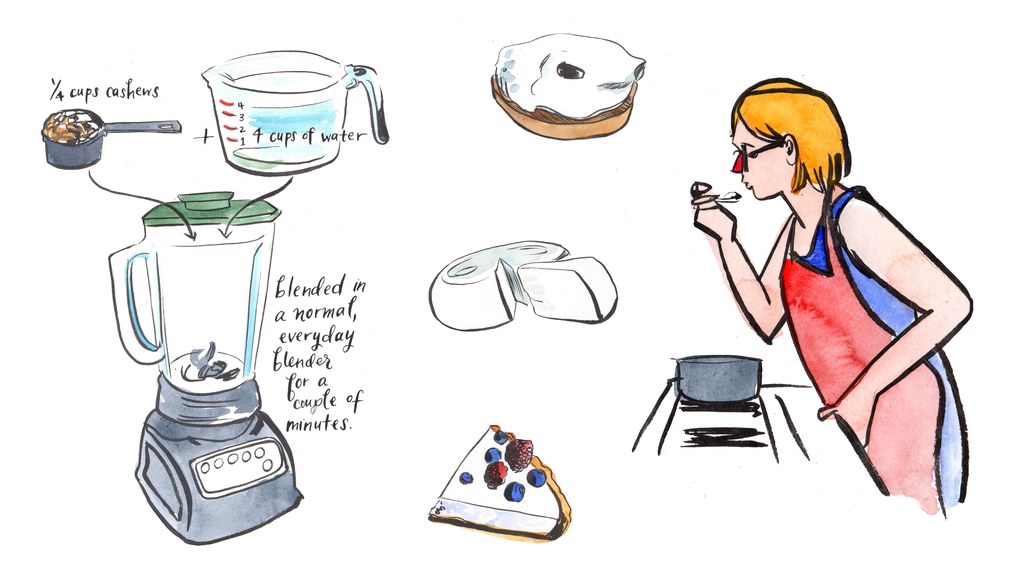

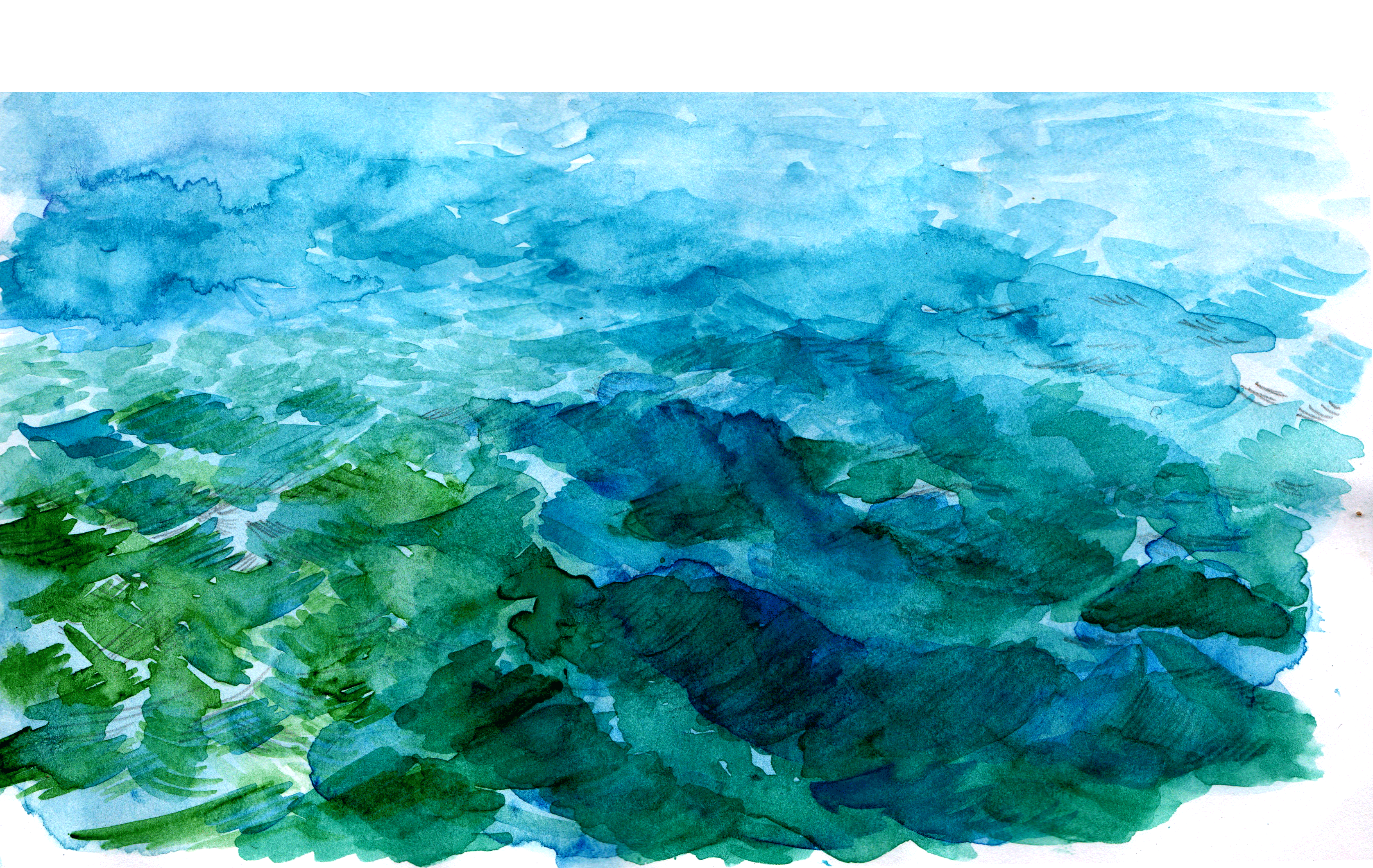
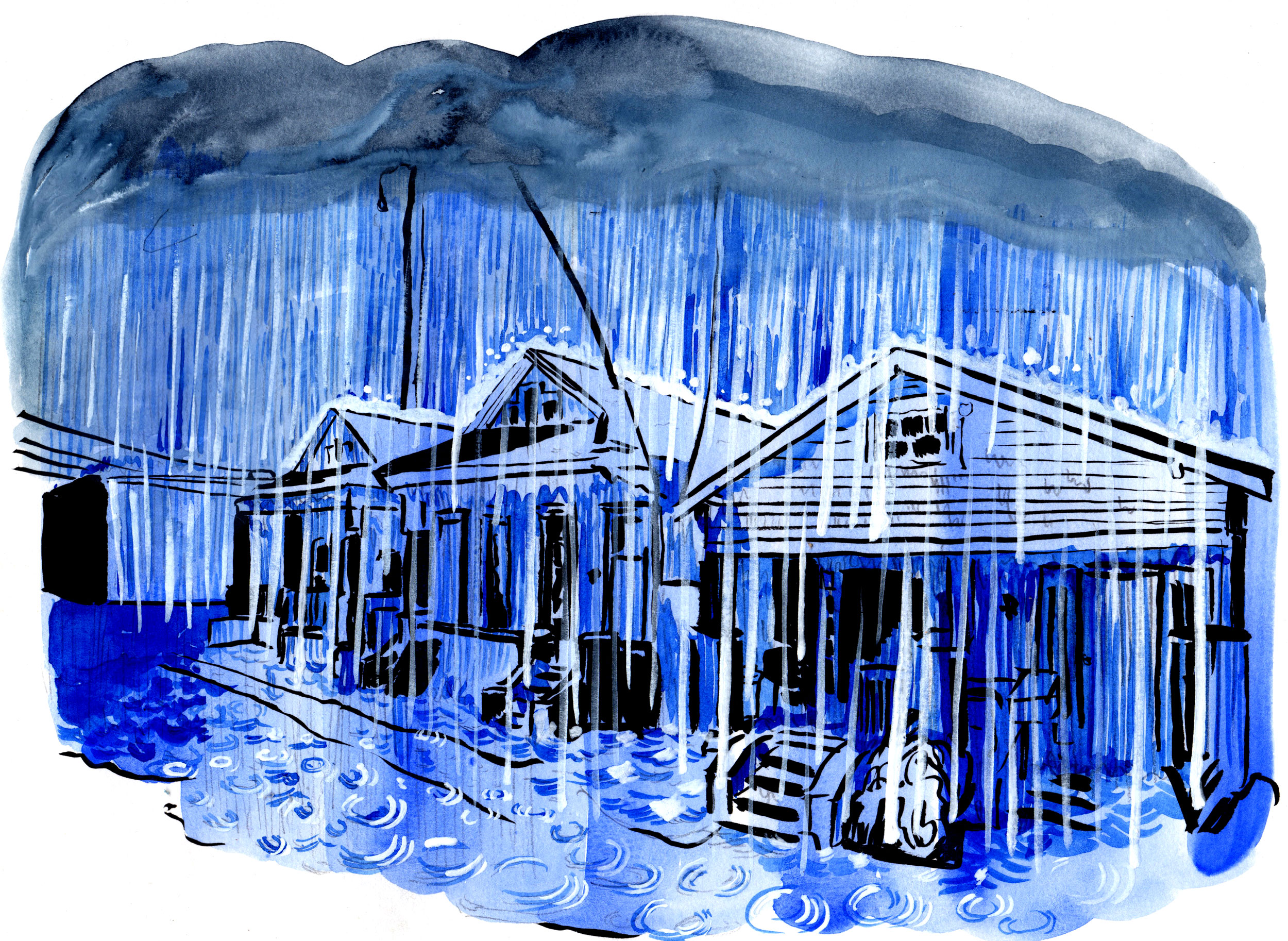

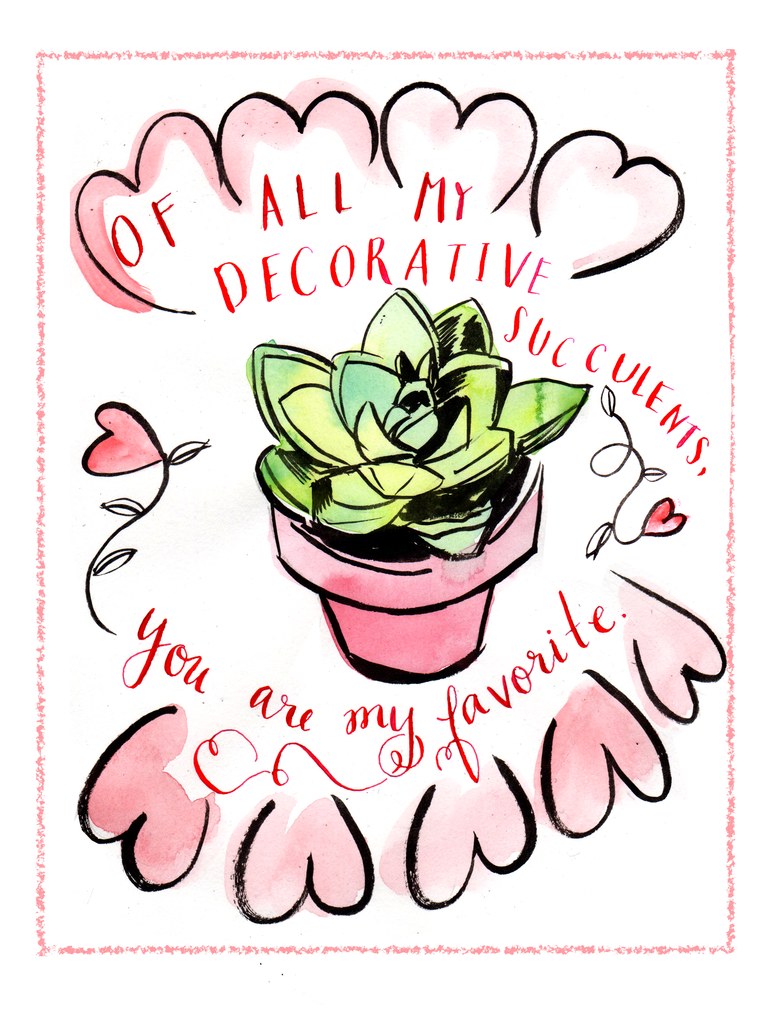
Image Credit:
1. Lake Michigan, watercolor, Sophie Lucido Johnson
2. Studio Map, colored pencil, Sophie Lucido Johnson, originally published at Powells.com
3. Child With Dog, watercolor, Sophie Lucido Johnson
4. New Orleans Rain, watercolor and ink, Sophie Lucido Johnson
5. Succulents, watercolor and ink, Sophie Lucido Johnson, originally published with the New Yorker.
6. Cashews, watercolor and ink, Sophie Lucido Johnson, originally published with Bon Appetit.
Getting in touch: VoyageChicago is built on recommendations from the community; it’s how we uncover hidden gems, so if you know someone who deserves recognition please let us know here.


