




Today we’d like to introduce you to Shanti Knight.
Thanks for sharing your story with us Shanti. So, let’s start at the beginning and we can move on from there.
I’m a second-generation wedding, lifestyle and portrait photographer, available globally, with a museum habit and a big love for sauvignon blanc. A few other facts about me: I shop all the time, and I wear black a lot. I love reading and I tend to stick to biographies, memoirs or non-contemporary fiction. And, I listen to a lot of jazz and love to see jazz performed live when I get the chance.
I grew up in this industry. My father is a full-time professional photographer and studio owner, and this has been my life for as long as I remember. When I was 12, my dad finally allowed me to start coming to weddings with him as an assistant. This was so very, very exciting, and something I took very, very seriously. As I spent more time assisting, he started allowing me to do more shooting during my assistant downtime. When I was 19, he finally started using me as a second shooter.
Deciding to actually pursue this as a career was a very slow process. At Indiana University, I earned a Bachelor of Arts in Journalism (BAJ) with a second concentration in fine arts. In retrospect, I see that what I do now is, in many ways, a delightful blend of these two disciplines: telling true stories in beautiful ways. At the time, though, my goal was to work at a women’s magazine— specifically, Glamour. Immediately following graduation, I completed an internship at Glamour, where I had a great experience, but I wasn’t inspired to pursue more magazine work. Instead, I went the classic route of the young creative: I cocktail waitressed to pay my rent and took on little creative gigs. I lived in and out of New York City (family situations took me back to Indiana for a few jaunts of time). For about three years, I worked late nights and took on freelance magazine work and creative projects (assisting and second shooting gigs), but didn’t commit to making a career. When I was 24, I began a relationship with a man in Chicago and, uncharacteristically, I willingly left NYC. At that point, I was no longer satisfied with cocktail waitressing. I needed a career, and I utilized my network to begin doing more work as a creative.
I started first working on commercial sets with producers and stylists in Chicago. I was rusty but eager. I second shot for and assisted as many different photographers as possible, and I was also photographing apartments for Apartment People. It wasn’t my dream job, but for the first time, I was regularly getting a paycheck for having a camera in my hand. I was also learning to photograph architecture, a skill I still use more than I ever would have imagined at the time. I was honing, but I didn’t really know it or understand it at the time.
I began to realize that weddings were the jobs I was most excited to work, and so, quite simply, I started to pursue them more, mainly through social media and word of mouth. With that work, my portrait and lifestyle work has also grown. I feel very much in-process— there’s always so much learning to do.
We’re always bombarded by how great it is to pursue your passion, etc – but we’ve spoken with enough people to know that it’s not always easy. Overall, would you say things have been easy for you?
I learned the hard way the importance of setting expectations from the start. With clients, I now have agreements for them to sign that lay out the details of artistic license, copyright, what’s included in their payment, what they owe and when, etc. Most disagreements come from a miscommunication of expectations, and so I like to be as clear as possible from the start. This is something I’m still learning.
It’s difficult to differentiate oneself as a professional in an industry where there are so many amateurs making money. One tricky thing about my profession is that you don’t need a license to practice. In theory, all you need is a camera. And, interestingly, several of the absolute best photographers I know— very high-end, expert photographers— don’t have degrees in photography, or anything even remotely related to photography. Ultimately, a good photographer understands both the art and the science of the craft, no matter where they learned it. It’s not straightforward; it’s not about a piece of paper. To me, and many professionals who I hold in the highest esteem, it’s largely about mentorship. Also essential: commitment to the craft, a natural eye, an understanding of how cameras work in the most literal sense… and raw, unsexy practice. Good photographers just keep practicing, trying new things, experimenting, challenging themselves, asking questions to the photographers they admire most, paying attention to what’s working and not working for others. It took me a long time to figure this out. It wasn’t until I was shooting regularly that I saw my work improving in ways that really excited me, and I realized the importance of practice. It’s embarrassing that it took me so long to figure this out, but when I was cocktail waitressing to pay my rent, I wasn’t shooting regularly at all, and it’s hard to really get traction when you’re not using your camera very regularly.
We’d love to hear more about your business.
I am a photographer, primarily of people. I specialize in weddings and portraiture, which includes (but is not limited to) headshots (professional and performance) and lifestyle and branding photography. I’ve now grown my business to not only serve Chicago, but also New York City and several areas in my home state of Indiana. I have virtually no limits on where I’ll travel for jobs, and I love that each year my work takes me to at least one place I haven’t been before.
For me, connecting with my client is key. I’m not a passive photographer; I have experienced a lot of photographers who don’t take the wheel on their shoots; I don’t find this works as well. I take the time to hear what my clients are hoping for, and I make every effort to deliver their ideas and dreams about the shoot. Ultimately, though, I see myself as the artistic director of my shoots. I watch light and backgrounds, I modify light when it’s necessary to do so, I direct my subjects and engage with them to achieve relaxed expressions.
One of my goals, and this is something that comes directly from my father’s influence on me as a professional, is to make each and every one of my clients look like the best version of themselves. I pay attention to the details of their appearance and work to find the most flattering angles.
This is a skill that, interestingly, I never encountered in my education in either photojournalism or fine art photography, and this brings us back to the importance of mentorship. This particular skillset is mostly learned through mentorship, like the old crafts and trades of storytelling and blacksmithing. And this particular skill, of making “regular” people look like the best versions of themselves and engaging with the camera in a very authentic way, is I believe where the magic lies. This is why it takes more than just knowing how to work your camera.
Working with models is wonderful and can be pure fun, but I find photographing “regular” people to be, in some ways, more rewarding. They simultaneously are less prepared and yet often more guarded. I enjoy coaxing them into comfort in front of the camera and watching my portraits of them transform the way they see themselves. This is one of the most wonderful things a good portrait can do. When a person sees a great portrait of themselves as they hope to be, they step into the world feeling more empowered to accomplish their goals.
I’m committed to quality in my work. I’m detail-oriented, which is great for my clients and occasionally maddening for me. (haha)
Weddings are absolutely some of my favorite work, for a lot of reasons. My approach to wedding photography is rooted in the principle of “what’s good for you is good for me.” When I make suggestions to clients, these insights come from the past 15 years of working in this industry, from being a professional part of more than 200 weddings, from experiencing events all over the country, at every budget imaginable. There are basic principles that apply to almost every wedding, regardless of budget or any demographic a couple might fall under. I have seen things work and not work, and when I offer these insights to my clients, the fact is that they might help me. But they only help me because they help my clients.
One of the things I love about wedding work is the variety of styles of photography I get to do in what often just 10 short hours. I usually start my days as a bit of a photojournalist as the couple gets ready separately with their loved ones, but very quickly I get to take a few minutes to be a fine art photographer, styling still life scenes of details from provided and improvised props. In between photographing the bride and her ladies as they get ready, I’m capturing details like the paper suite, shoes and all three rings. I still assist stylists regularly because I find that work hugely inspiring in how I create these detail photographs. It’s advantageous that these details happen at the beginning of the day, because they awaken my creative brain, so I’m primed for more spontaneous inspiration throughout the rest of the day. I then get to step into roles as a portrait artist, a photojournalist and a party photographer at different points throughout the rest of the day. It’s a wonderful variety of work, and it’s a lot easier to not get tired when your work is so varied.
I believe in joy. I believe in love. I believe in wedding days that are relaxed and easy. I believe in beauty. I believe in weddings that reflect the personalities of the couple getting married. By nature of the job, being a wedding photographer is an intimate experience. I ultimately spend more time with a bride on her wedding day than almost any other individual person. This is part of why choosing a wedding photographer is such a big decision. You’re not just choosing pictures; you’re choosing a person who will be by your side on one of the most special, significant days of your life. P.S. I also believe in jumpsuits, and I wear one to every wedding.
What were you like growing up?
As a child, I was constantly creative. I was a daydreamer, always writing stories and drawing pictures and playing dress-up. I’d design dream homes and imagine outfits I’d like to wear. I was always shopping, for as long as I can remember. I read constantly, and was often reading several books at the same time, so my bag was ridiculously heavy. I loved dance class and going to plays and creating photo shoots with my friends. We played outside a lot.
I have always loved traveling, and, fortunately, so do my parents, so they took me on international trips from a very young age, as well as regular trips to visit family in Los Angeles and Chicago (which is 6 hours from my childhood home).
I was often described as precocious. I grew up as an only child (though I have siblings who are much older than me), and we lived in the country, so much of my early childhood interactions were with adults rather than other children. I was, I am told, articulate at a very young age.
Contact Info:
- Website: www.shantiknight.com
- Email: shantiknight@gmail.com
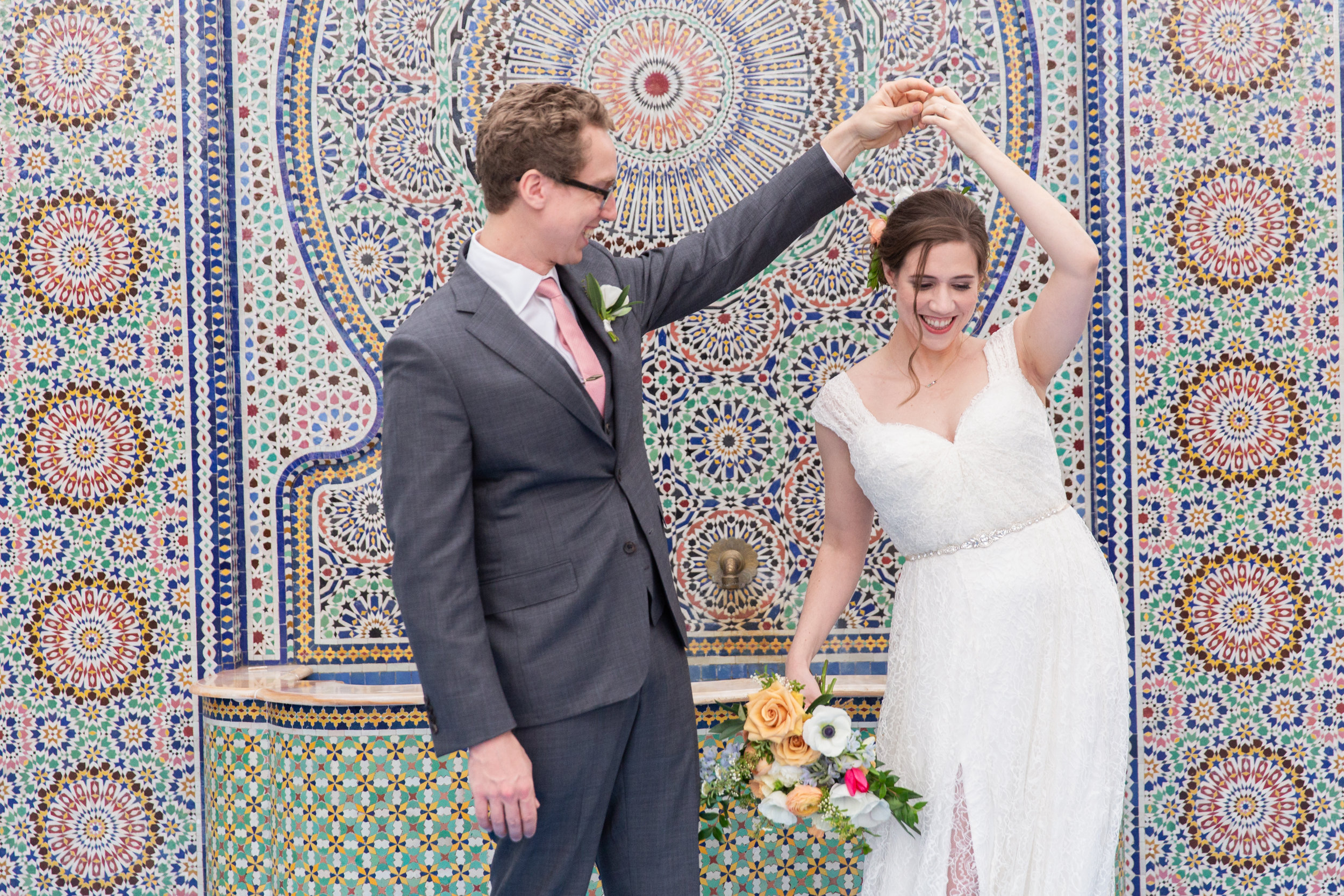
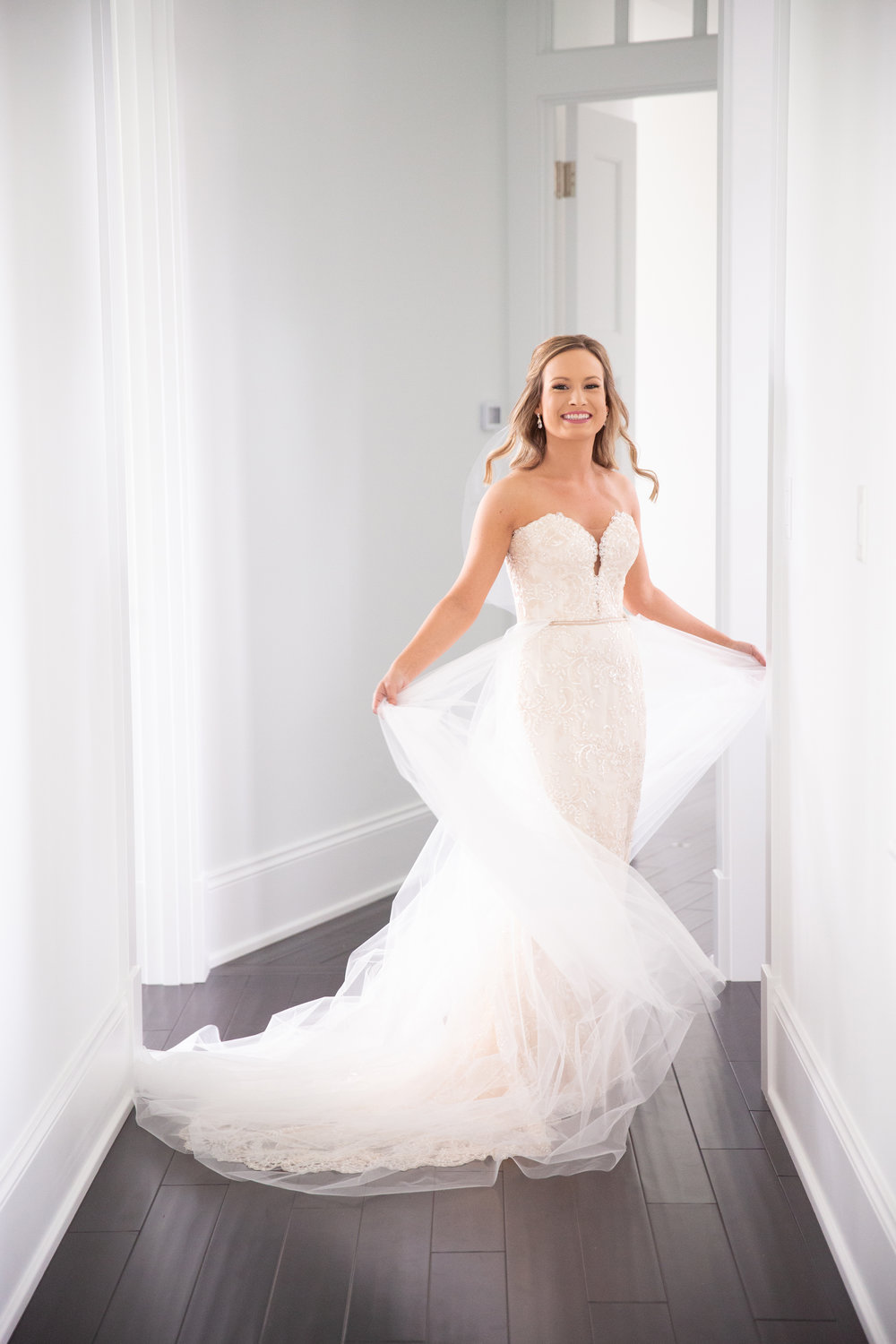
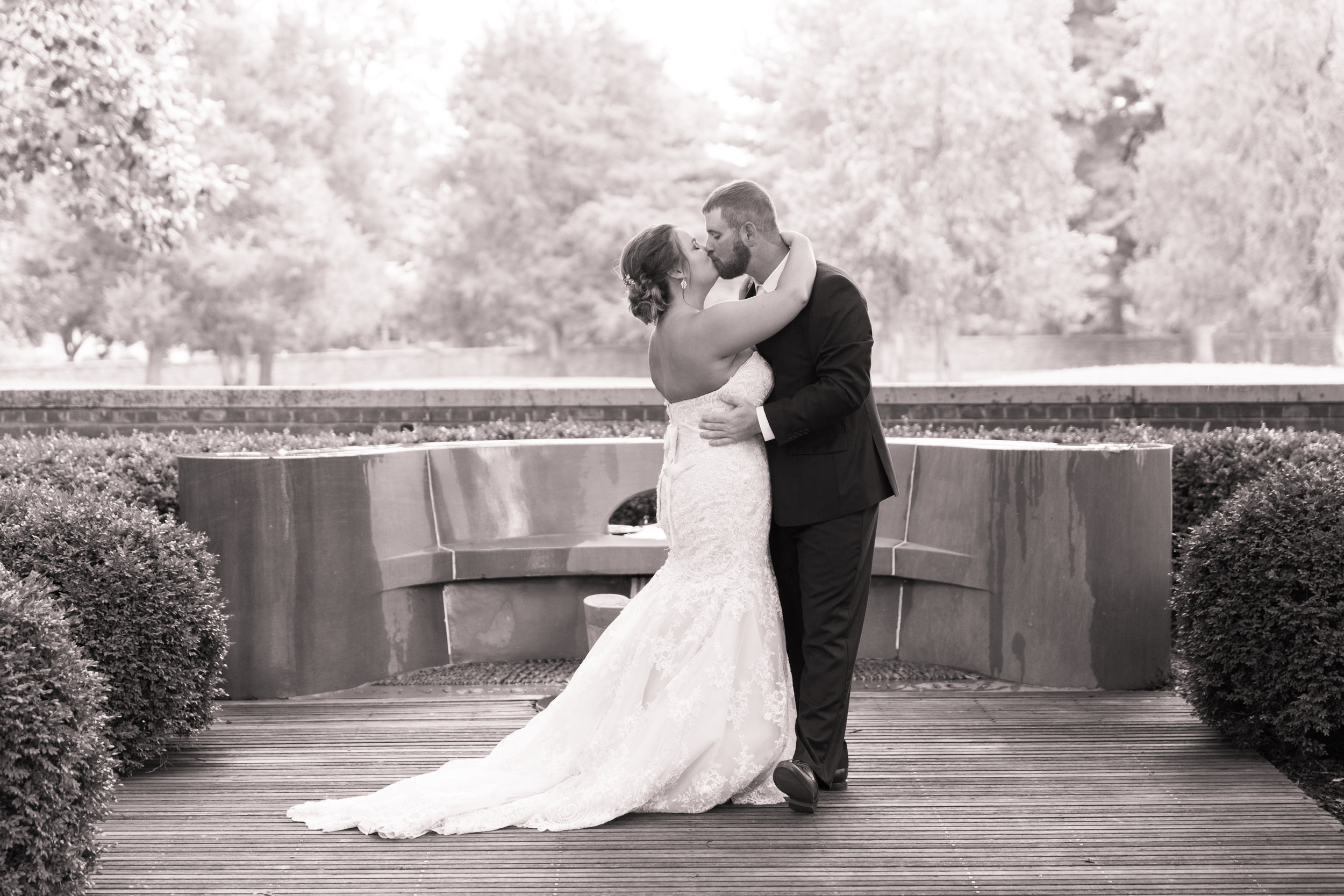
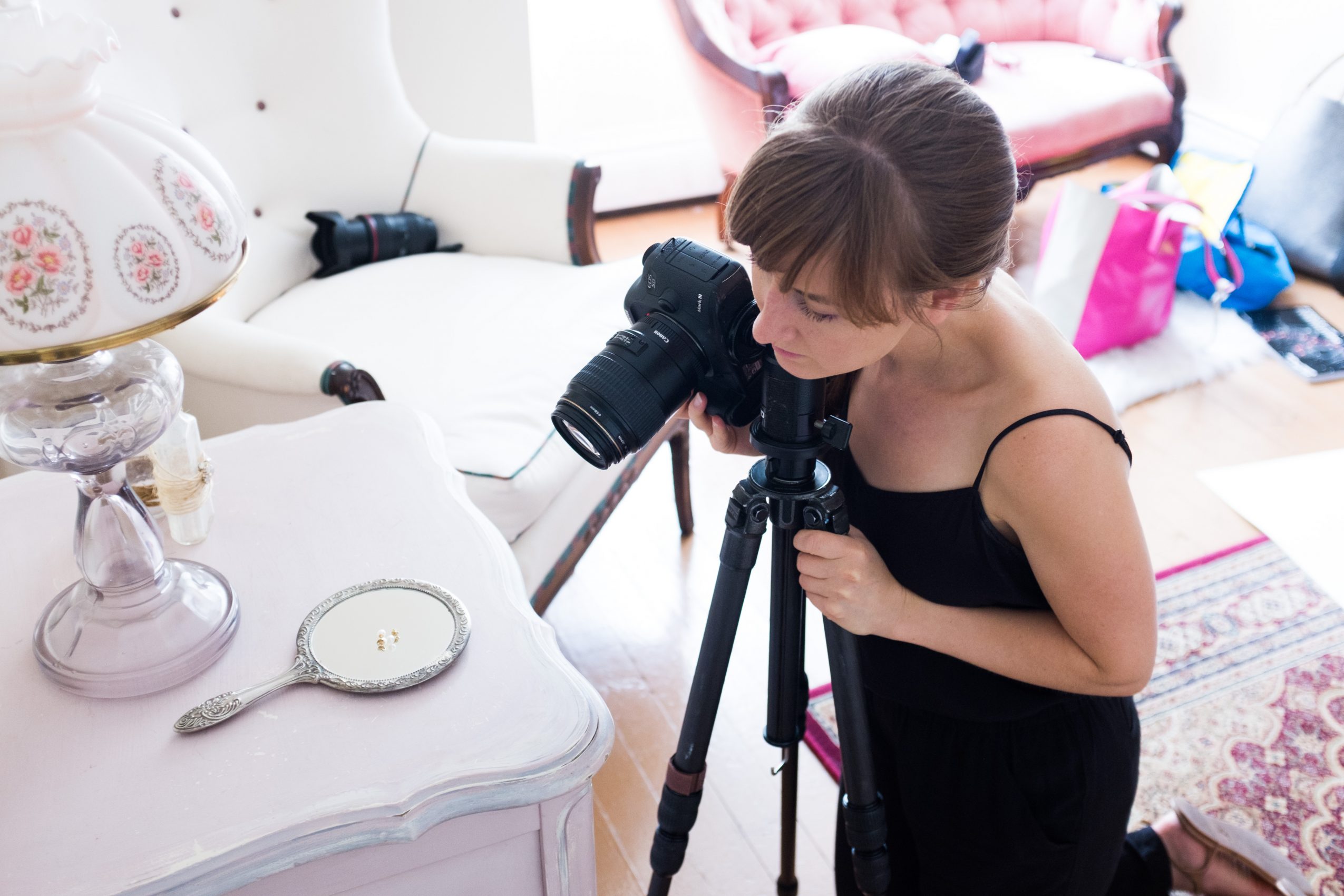
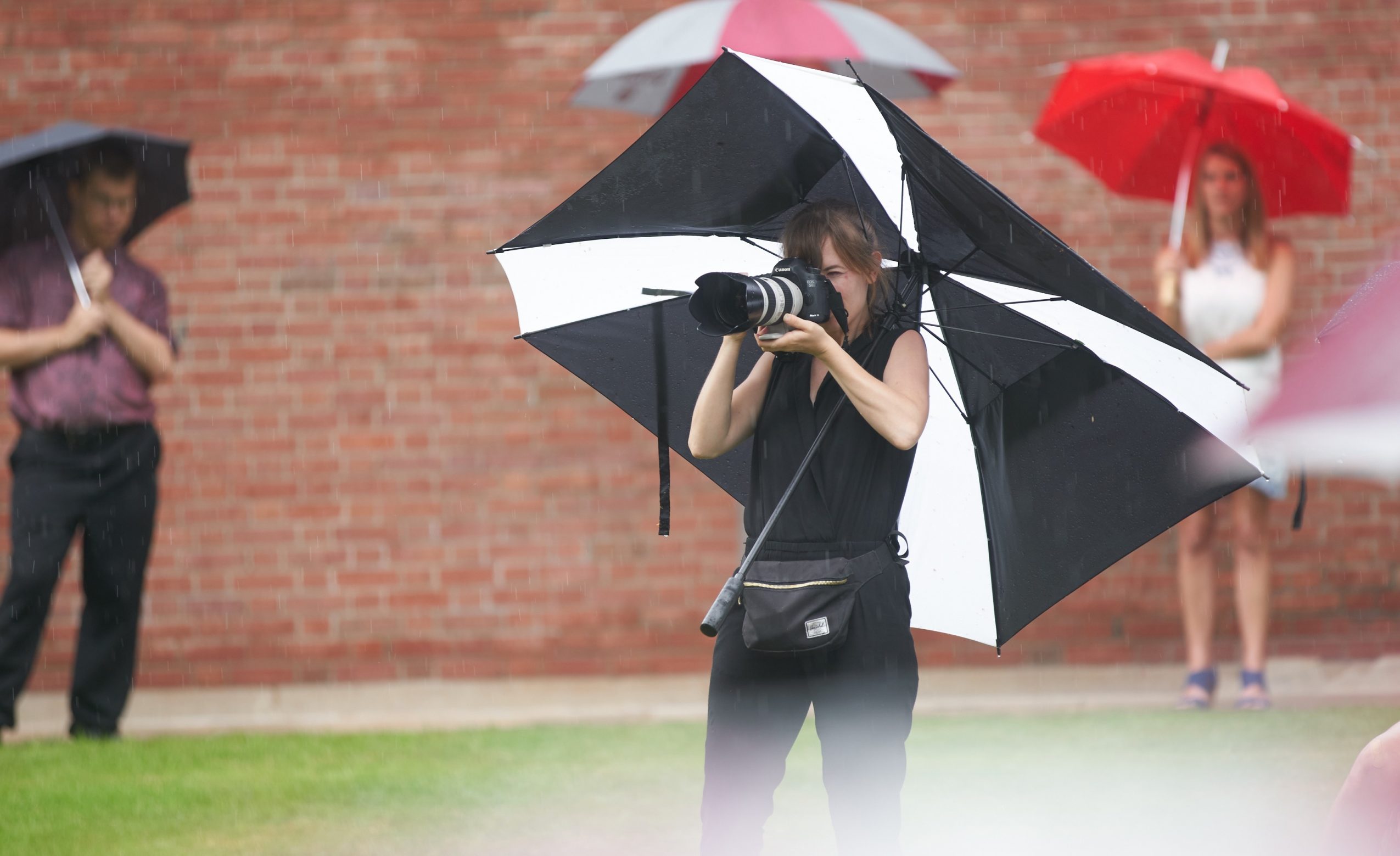 Image Credit:
Main photo of me: Jenn Belinsky
Photos of me shooting: Daniel Knight, Studio B Photography
All photos of brides and grooms: Shanti Knight
Getting in touch: VoyageChicago is built on recommendations from the community; it’s how we uncover hidden gems, so if you know someone who deserves recognition please let us know here.


