



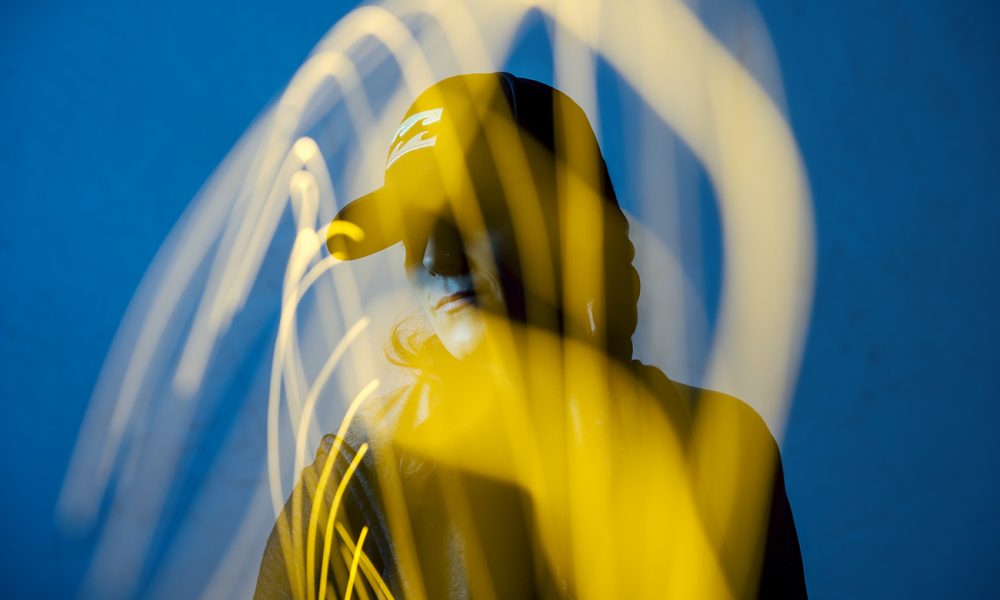
Today we’d like to introduce you to S. Flynn.
So, before we jump into specific questions about the business, why don’t you give us some details about you and your story.
My interest in photography started in 8th grade when I had my first class on developing film in the darkroom, and it continued to bloom from there. Many that have experienced an image appearing on paper in a quiet room underneath a red safelight to the sound of running water understand the experimental, magical, and meditative quality of that process. This was the initial hook for me.
After going to college for fine art and photography, I spent a few years sharpening my retouching and design skills at a Japanese animation film company redesigning film packaging for the American market, traveled abroad as much as possible with my camera in hand, and spent 6 months living and working at the Headlands Center for the Arts in California experimenting with printing imagery on found metal surfaces using liquid emulsion techniques. This brief west coast artist incubator was a definite life marker, and has held long term momentum. In 2014, I was pleasantly surprised to find that a mixed media piece that I had given to a friend while working at the Headlands was included in an exhibition called “Fertile Ground: Art and Community in California” put together by the Oakland Museum of California and the SFMOMA. The piece was a gift to artist Alicia McCarthy and was titled “Portrait of a Toilet Water Drinker.” My love affair with California lives on and has since inspired personal work collaborations with several Bay Area artists.
When I returned to Chicago, I built a darkroom in my loft in order to continue my mixed media experimentation, and I began shooting lots of live music, concerts and performances as well as designing album and promo art for many local bands. Around this time, I got my start in the commercial industry, working in-house for the late Steve Grubman. Among many other subjects, Steve specialized in shooting exotic animals and cars for advertising. One of many favorite memories that I have of working with him involved shooting multiple elephants and a room of white tigers in the same day. He was inspiringly dedicated to his work, and I think of him regularly when new challenges appear within my growth as a photographer. Working in his studio was my earliest training for a long road of freelance assisting on all varieties of commercial advertising shoots, under a long list of excellent photographers, and eventually moving on to vying for my own jobs.
Today, I have a studio in Pilsen and continue to push my portrait, editorial, and commercial work forward while plotting more places to travel with my camera.
Has it been a smooth road?
I don’t think anyone gets into photography because they believe the road is an easy one. There isn’t a clear cut map forward in this field, but I do think those with business strengths to compliment their creative skills have a big advantage. The industry itself has changed drastically from film to digital since I began, and technology continually morphs what skill sets are most important to success. Photography is a job that requires you to continually refine your work to keep inspiring those looking to hire. It often requires long hours that aren’t always accounted for, and wearing many hats to keep yourself working. Overall, I think the love of photography is the only thing that will keep someone in this industry for the long haul.
At times, I have found it difficult to keep creatively inspired and optimistic during too many stretches of work taken based solely on paying the rent. None the less, I feel happy that my career choices have kept me on a slow but steady path toward shooting what I love and not just shooting whatever is most lucrative. It is always my goal to carry lessons away from struggle and take them as insight into the next level of creative opportunity!
So let’s switch gears a bit and go into the flynnworks story. Tell us more about the business.
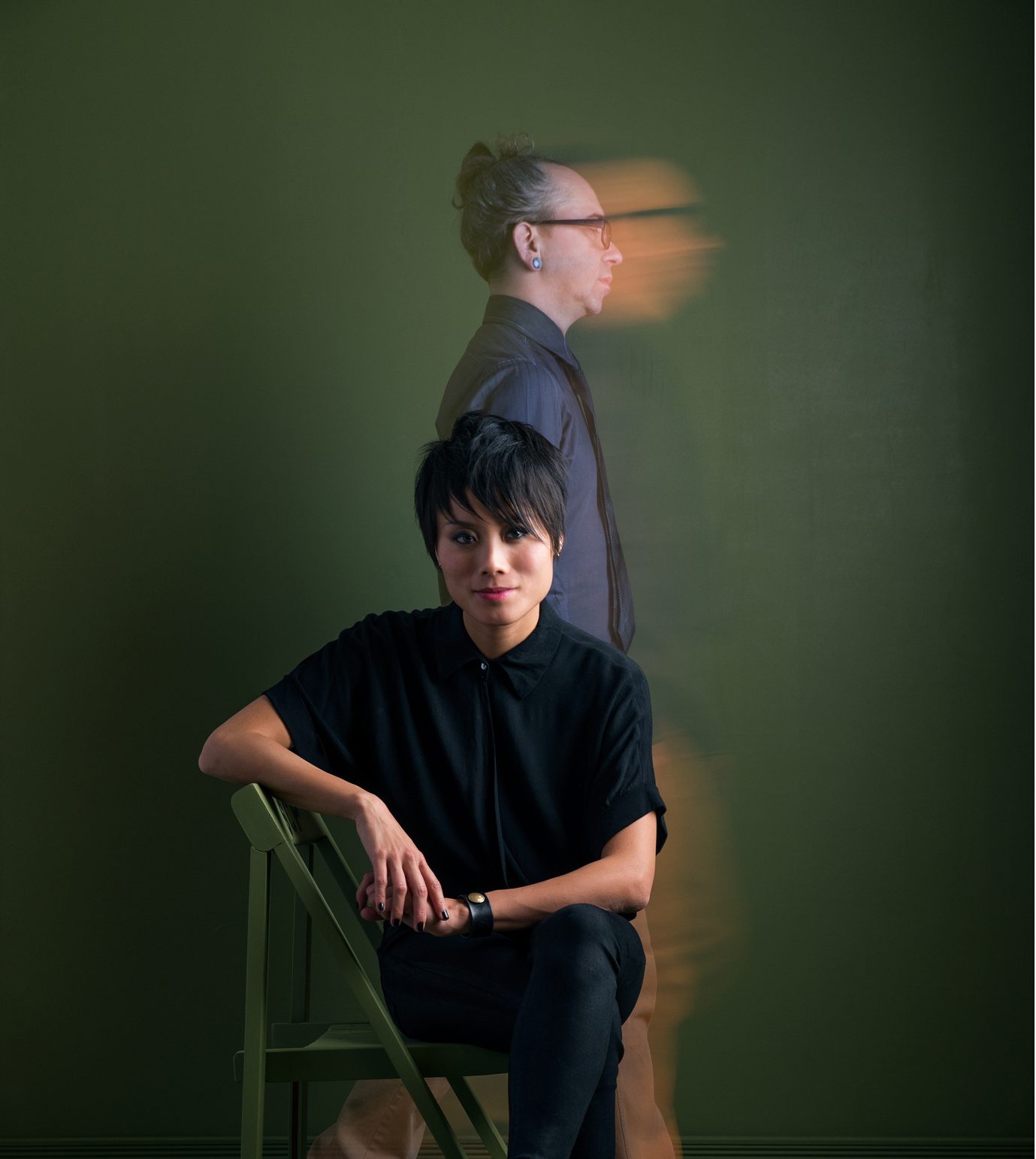
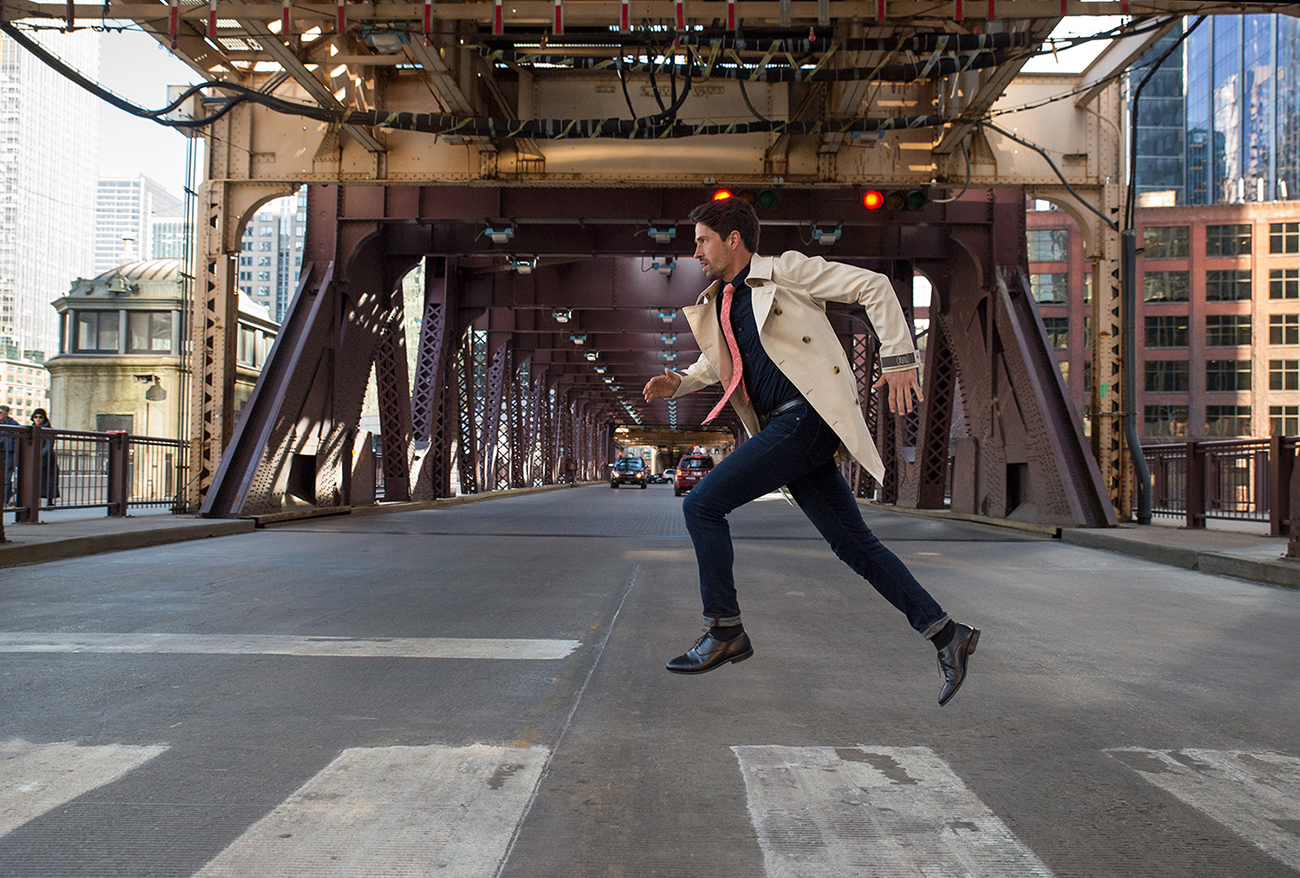
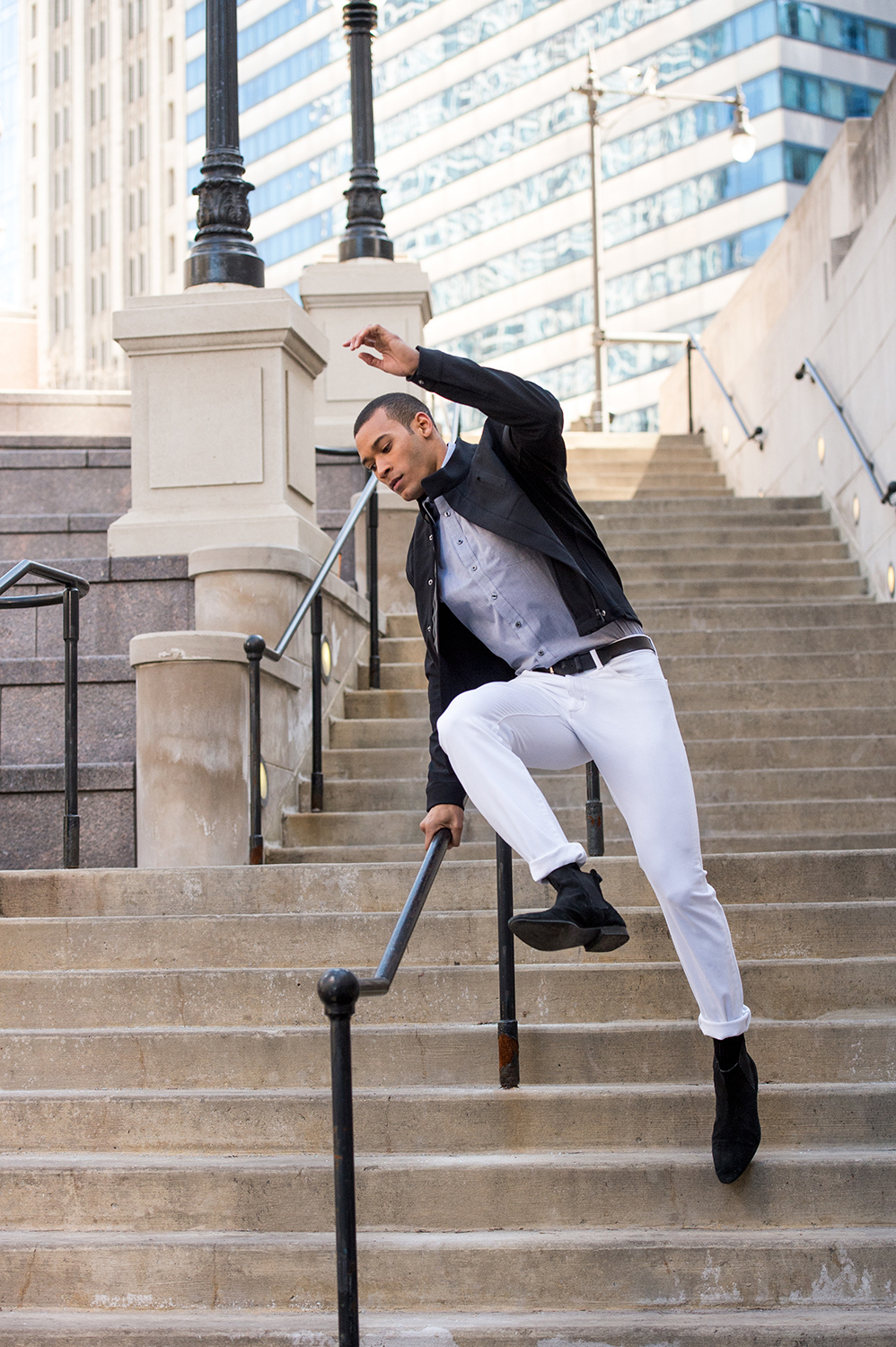
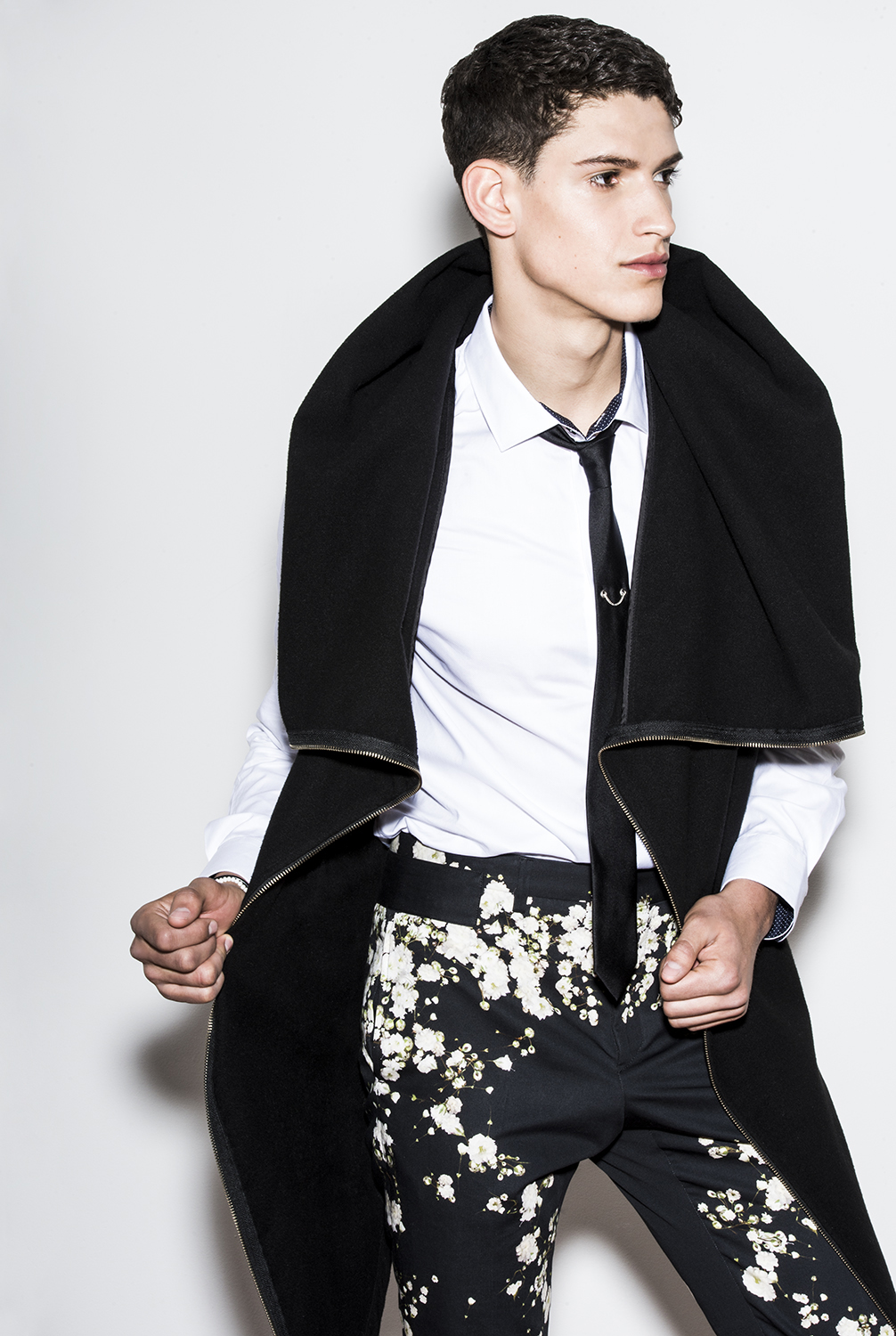
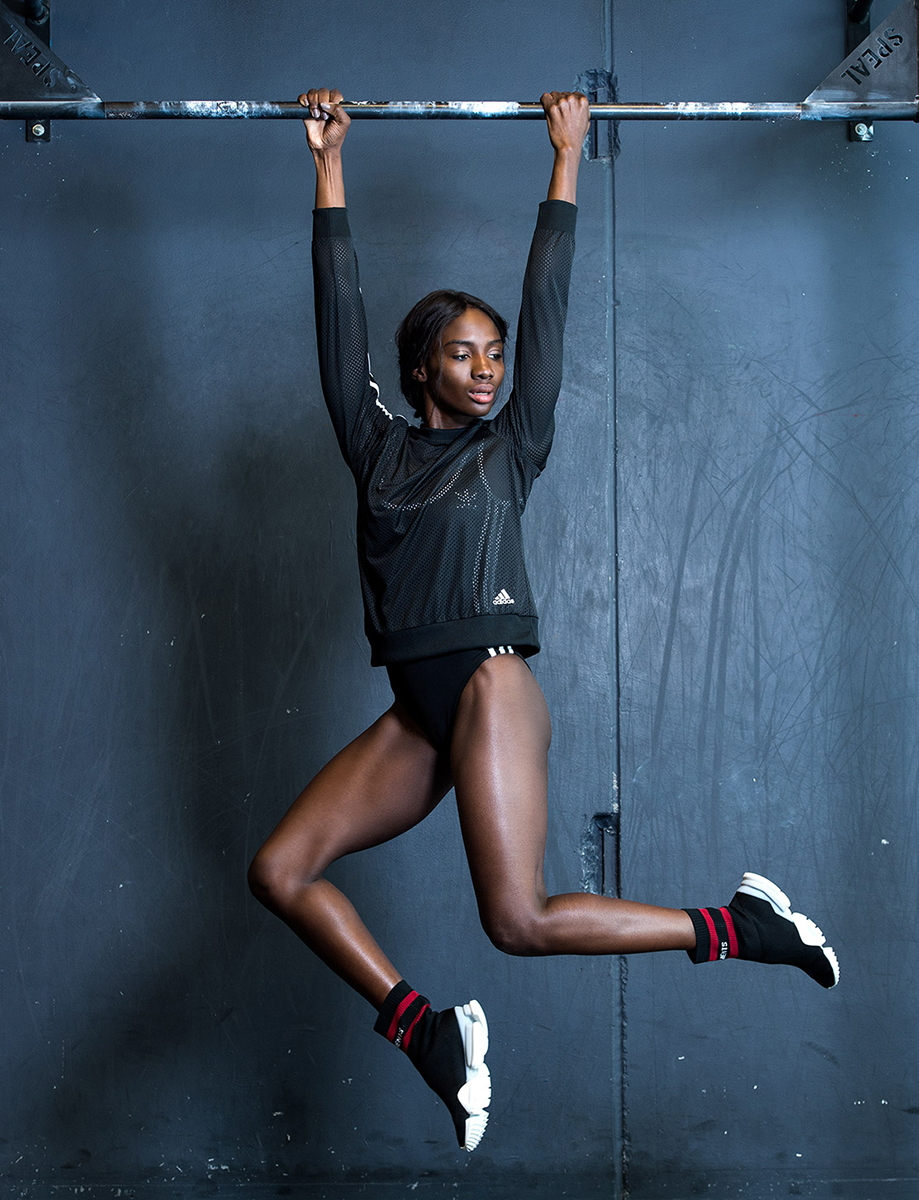
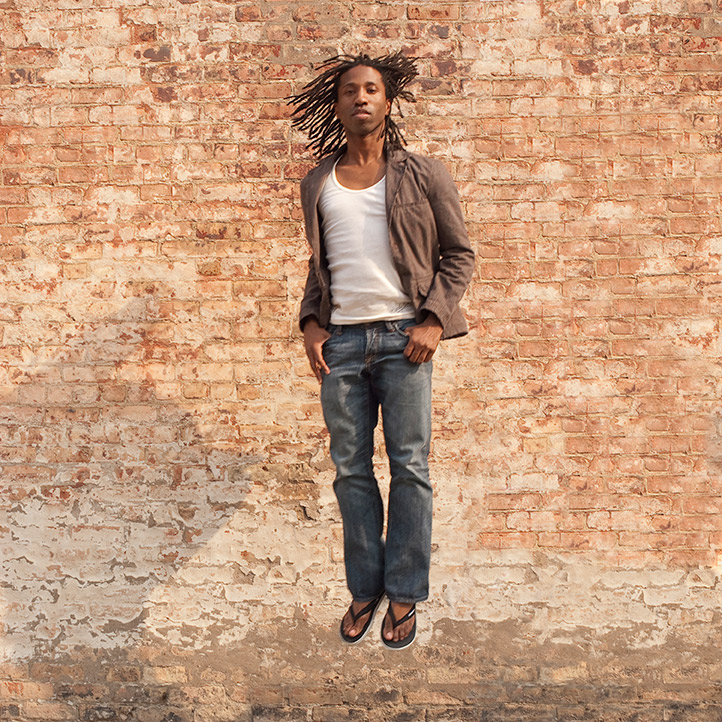
I am a freelance photographer who shoots a variety of work that predominately focuses on people as the subject. Some recent examples are: promotional images for artists and musicians, fashion and editorial work, advertising for clothing companies, etc.
The base for my aesthetic comes from my love of fine art, minimalism, gesture and light. I love clean lines and movement, both of which have strong roles in my work whether shooting portraits, editorial or advertising. I hope that my work captures some essence of connection with either the subject or the moment itself, evoking a bit of its beauty, and creating a pause in an increasingly fast and fluid world of imagery.
I love composing images and I deeply care about the quality of my work and whether or not it continues to grow along side me. I’ve dedicated a lot of time within the industry learning with a talented mix of freelance creatives, and have developed an awesome network of people to call upon for so many creative possibilities.
I’m proud that I can still find the meditation and magic within photography that first drew me to it, and that it continues to teach me along the way.
How do you think the industry will change over the next decade?
The first answer that comes to my mind surrounding changing trends in the industry is something that is already showing itself quite a bit, as more and more clients are expecting photographers to be able to incorporate video into their still shoots. While this might seem minor, unsurprising or even like a natural progression, those in the industry understand that video requires added skill sets, both within shooting and post work editing. It also requires a different set of gear necessary to create the end product.
Video requires the use of audio equipment, continuous lighting, and sometimes different tripod heads, dollies, and tracks that wouldn’t be used in a regular still shoot. Since strobe lighting is most photographers’ go to lighting for shooting stills, adding video to a shoot requires a different plan of attack for choosing the overall gear for the shoot.
I think as media continues to change and there are more avenues for consuming it, this demand for video along with stills will continue to increase. Cinemagraphs are currently a perfect example of a blurred line between video and still photography, and a growing demand for content that can specifically be used in online platforms or within the quick context of social media.
There is also no reason to believe that consumer-grade cameras won’t just continue to keep advancing and becoming easier to operate, so professional photographers have even more fuel to advance what they’re capable of creatively in order to stay competitive.
Contact Info:
- Website: www.flynnworks.com
- Email: flynn@flynnworks.com
- Instagram: https://www.instagram.com/flynnworks/

Getting in touch: VoyageChicago is built on recommendations from the community; it’s how we uncover hidden gems, so if you know someone who deserves recognition please let us know here.


