



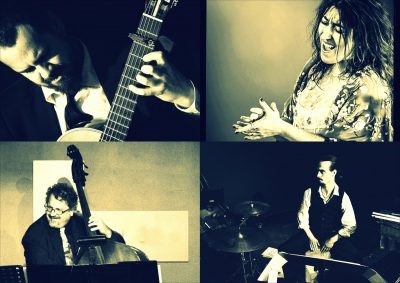
Today we’d like to introduce you to Kantuz band.
Please share your story with us. How did you get to where you are today?
I’m Amaia Gabantxo. I come from the north of Spain, the Basque Country. I’m a singer and a literary translator. I’m the foremost translator of Basque literature into English, which is what brought me to Chicago. I came to teach Basque language and literature at the University of Chicago in 2011. I like to say that I’m an artist who makes art with words — when I’m singing and when I’m writing or translating.
I’ve been singing and writing for as long as I can remember. I grew up in a fishing village near Bilbao, speaking both Basque and Spanish. Music was another language I spoke, coming from a large family of insanely talented musicians. I was classically trained in the conservatory of Bilbao, but my greatest teachers were in my family. My grandfather, recognizing my talent for a song early on, taught me to whistle — every note you can whistle you can sing, he said. Undoubtedly the best singing lesson I ever got.
I started singing flamenco music while living in the UK (where I carried out my university education). Flamenco had been coming my way for a long time, and when it found me… it wouldn’t let go. When the gods of flamenco call you, you attend to that call. Flamenco artists will understand what I’m saying. It’s a visceral art form.
I chose to live in Chicago because of its music scene. I knew I would find good musicians here, but I couldn’t have imagined the turn my music would take when I arrived here in September 2011. I thought I would work mostly with flamenco musicians… and I did, some of the time, but then all these other amazing classical and jazz and blues musicians started coming into my life and I thought… this is Chicago, a metropolis, my music has to grow and expand. It has to match the spirit of the city.
So, I looked back in my life and remembered the huge classical repertoire I had in me and the huge flamenco repertoire, and I thought… what if I fuse them? What if I apply flamenco techniques (improvisation, emotional range, fragmentation) to the classical repertoire and rearrange everything I have into something new, something metropolitan and of this time.
And my wish came true. With Rafael Vivanco, a virtuoso Peruvian guitarist, Nils Higdon, a Chicagoan jazz percussionist and Mitch Straeffer, Chicagoan blues/jazz double bass player, we created KANTUZ, a band that takes the oldest Spanish and Basque songs and makes the most beautiful and unexpected arrangements you can imagine with them. Old but new. Ancient and modern. That’s who we are.
In 2017, and after successful performances in several Chicago Flamenco Festivals, we were invited to be Artists in Residence by the Instituto Cervantes in Chicago, the Spanish cultural institute that organizes the flamenco festival every year. We’ve recorded our first studio album in the last few months, with Chicagoan sound engineer Nick Eipers (of Chicago Sessions) and will be releasing it by the end of the summer.
Has it been a smooth road?
Is life ever a smooth road? Not in my experience. But I’m a fisherman’s daughter: if there’s one thing I can do, that’s to weather storms. Things were specially hard at the beginning, when I “crash landed” into my new life in this country in September 2011 and immediately on arrival broke my right wrist and tore several tendons dancing a tango to ska music in a disco in New York (hey, at least I can say I did that). It was hard coming to a new country, a new city, a new job, with my right arm (I’m a righty) in a cast for two months, having no friends and relatives to help me and being so lost and so far away from home, I won’t deny that. But it’s true what they say about the kindness of strangers, and I kept bumping intoshiningg examples of the human spirit as I pushed through those dark times.
And it’s the grit that makes the pearl after all, isn’t it?
We’d love to hear more about your business.
I produce two kinds of art: literature and music. In the last two years, I’ve published three books in translation: two novels and a poetry collection. I’m a founding member of Chicago’s Third Coast Translators Collective and we organize readings of works in translation and conversations with visiting authors and translators in bookshops all over the city.
I think that the thing that’s different about me is that I’m as committed to literature as I am to music. They are both expressions of the art that comes out of me. Our concerts are full of literary references. Federico Garcia Lorca, the famous Spanish poet, is someone I feel very attuned to. He was a writer and a musician. Few people know this, but he was as accomplished a pianist and composer as he was a poet. He toured the US as an accompanying pianist for the singer Argentinita in 1931. We perform many of his songs and poems in our concerts.
I’m very proud of KANTUZ’s performances in this last year and a half. I think they were things of beauty, and believe our audiences would say the same. So far in our residency at the Instituto Cervantes, we’ve done collaborations with Butoh dancers Leslie Gray and Erika Dellenbach, and with flamenco dancer Leticia Aravena and breakdancer Ed Clemons in shows that combine our hybrid music with modern dance interpretations by some of Chicago’s best dancers. In December, we also collaborated with Laura Prieto-Velasco (founder of Hvnter Gvtherer), an artist and designer and professor at the School of the Art Institute in a show we called Ancient & Modern. She created beautiful clothes and accessories (including four staffs) that perfectly complemented the spirit of our music. Her collection IRON AGE was born of that collaboration.
Also in December last year, and following on the literature+music theme, I collaborated with Chicago’s polymath artist+writer+musician Marvin Tate in a beautiful piece commissioned by the Chicago Jazz Institute. Marvin Tate wrote the play, which was based on Langston Hughes’ Ask Your Mama: 12 Moods for Jazz. I felt incredibly lucky to perform with Marvin and the rest of the cast, musicians and video artists. We spent six months rehearsing, developing and putting it together, it was a wonderful experience. And the resulting work was a powerful, breathtaking performance that combined literature, theater, music, dance and video. I hope we’ll have a chance to perform it again soon. Everyone should see it!
Is our city a good place to do what you do?
I think Chicago is a great city for musicians. When I arrived in 2011 I couldn’t have dreamed that I’d be creating the kind of music I’m creating now, sharing my talent with artists and musicians of such stature and imagination. You know, I could have gone to California in 2011 (I had a job offer in Stanford too), but I chose Chicago because of the music. I don’t think I’d be doing what I’m doing now if I’d gone to Palo Alto!
What this city can do to improve the life of musicians is… change the mindset that puts such little value on the work of artists, dancers and musicians. It takes many years of training, expensive instruments, voice lessons, dance lessons, to become as good as we are at our craft. I like to tell people we’re more educated and trained that engineers, lawyers, doctors–because we are, and we can never stop training, rehearsing, evolving, just like people in those professions do, to keep at the top of the game.
Something twisted happened at some point in human history, when a few people decided that art was superfluous, not strictly necessary, something people do “for fun” and therefore doesn’t require remuneration, and that thought spread like a cancer. But it’s a fallacy. The arts are as essential to human life as water or oxygen. Being an artist is a calling, like being a doctor, or a priest. I mention those two professions because being an artist is a healing profession too: we take you to places of the soul you can’t visit by yourself. Places you need to be in contact with to keep a healthy mind and a happy spirit.
Who’d want (or even be able to) live in a world without art? Nobody. So go and spend money on art, on performances, donate to your artist friends’ gofundme endeavors, support the arts, don’t ask your artist friends to perform for free, make sure that when you go to a restaurant and a band is playing, you leave some money in the donations jar — because I guarantee the restaurant is paying that band peanuts to make your night memorable and special. Become conscious of this fact, and try in your little way to change the culture around you. Spread this idea, and encourage your friends to do the same.
Contact Info:
- Website: www.amaiagabantxo.weebly.com
- Other: https://soundcloud.com/amayia
- Facebook: www.facebook.com/kantuz
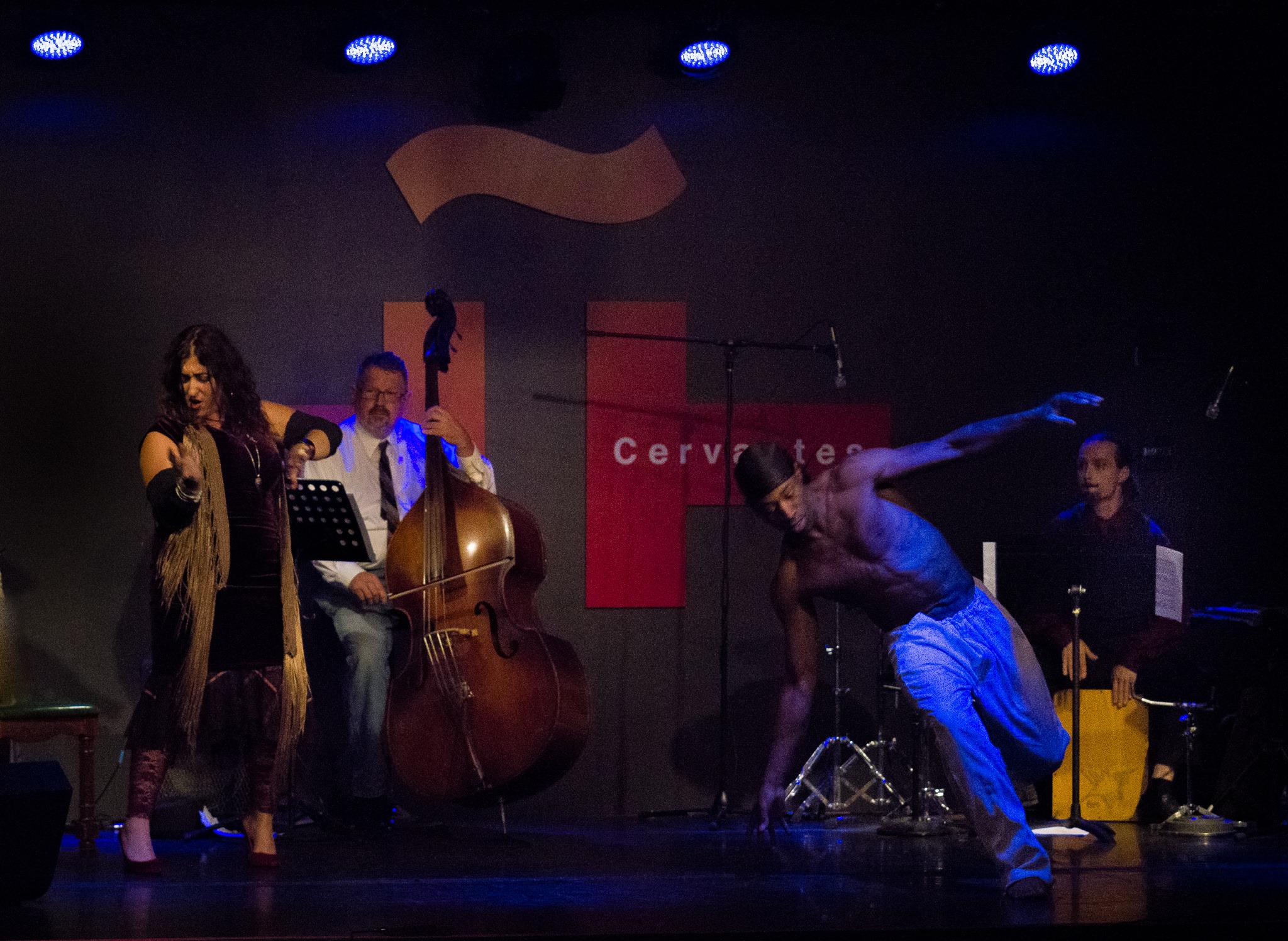
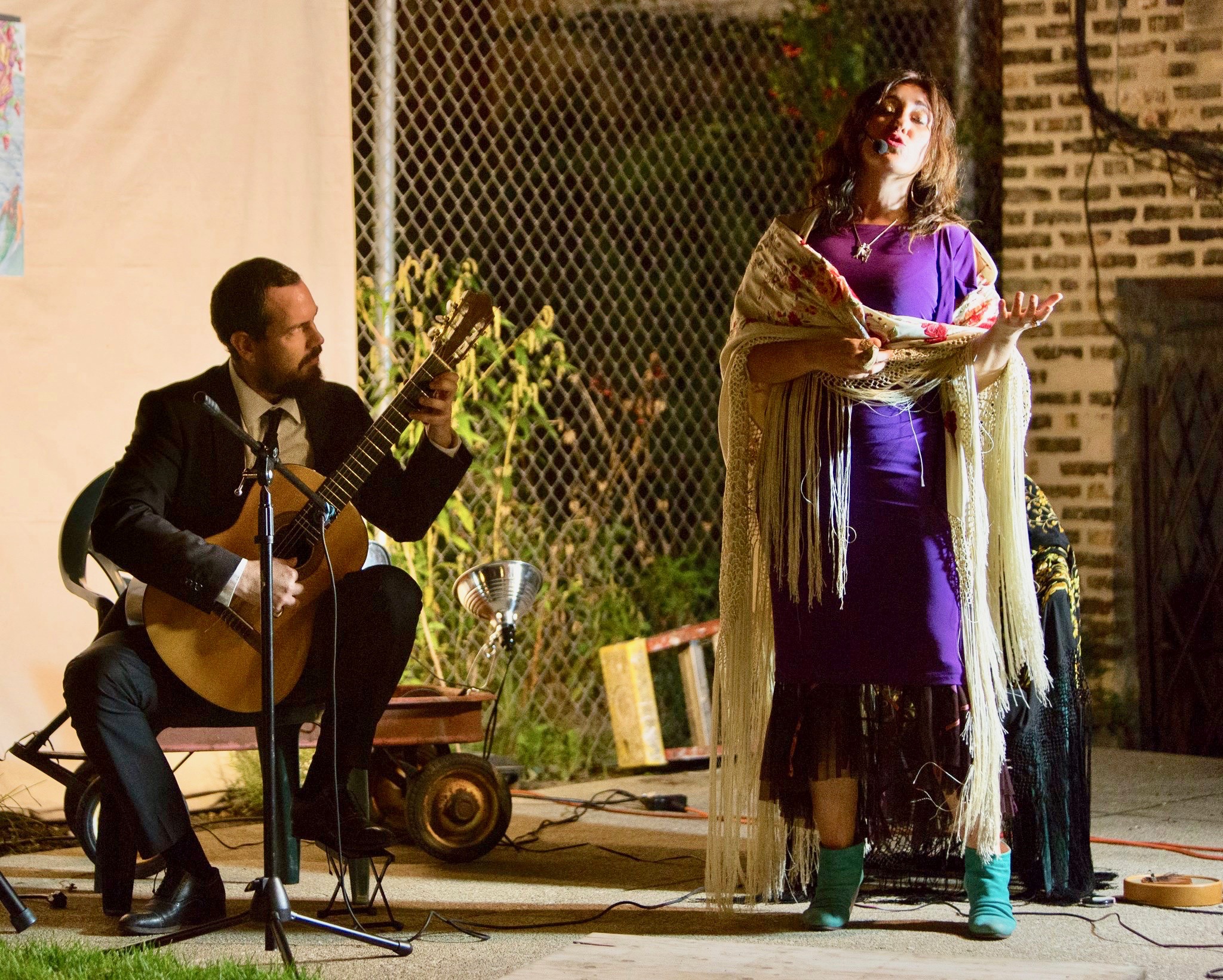
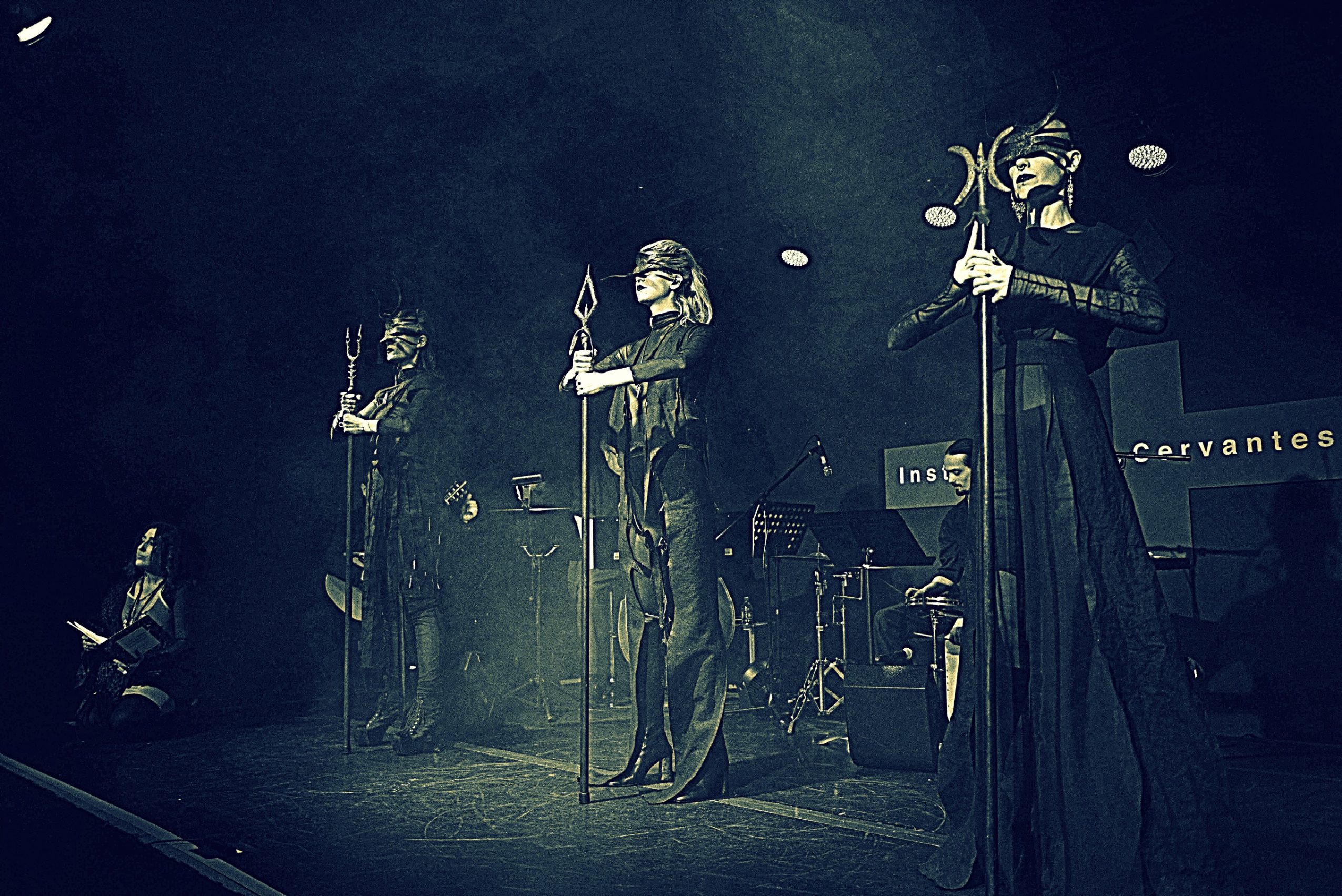
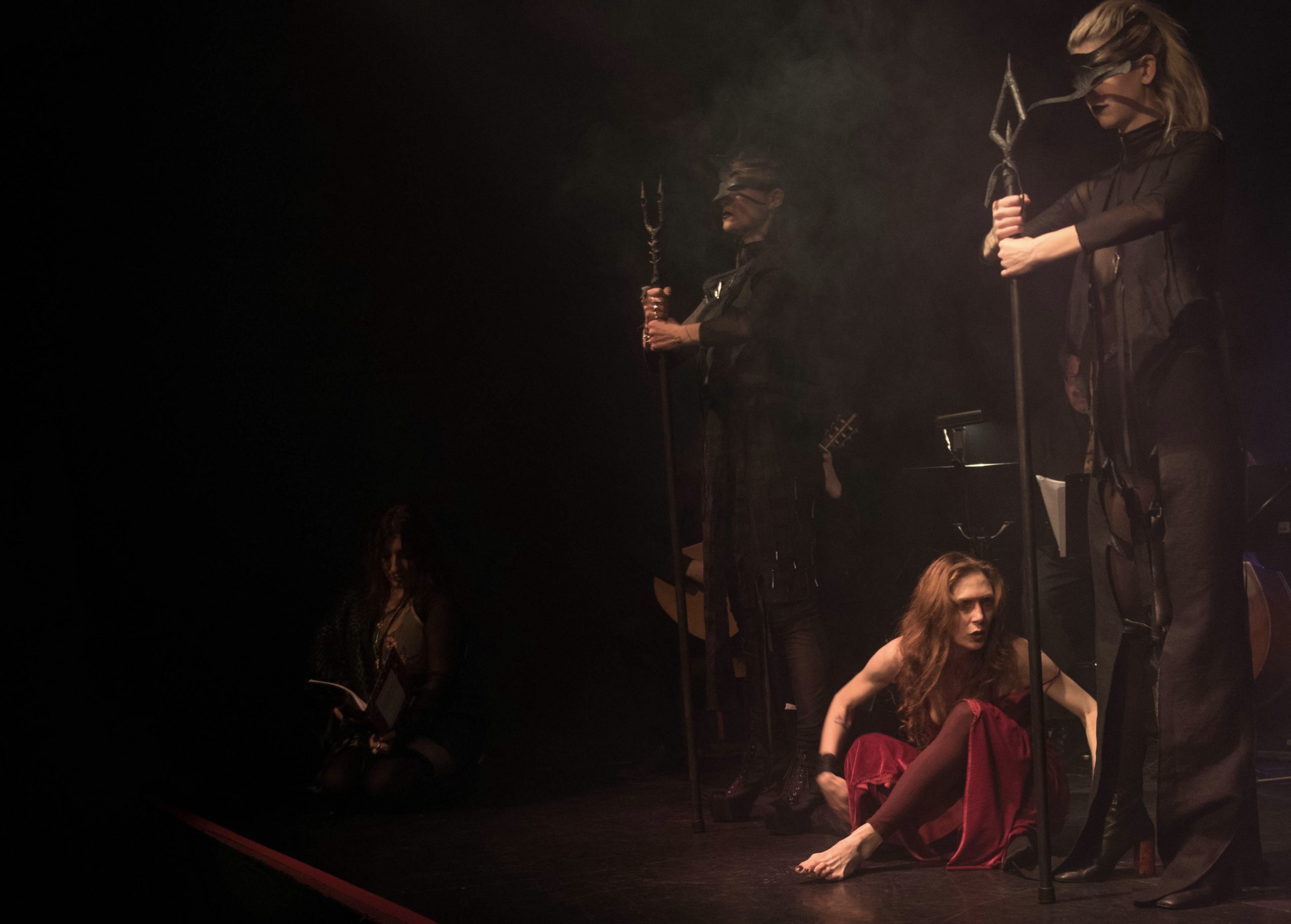
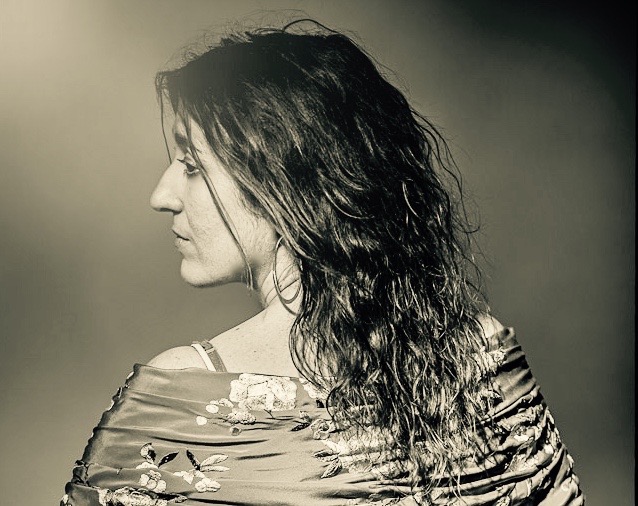
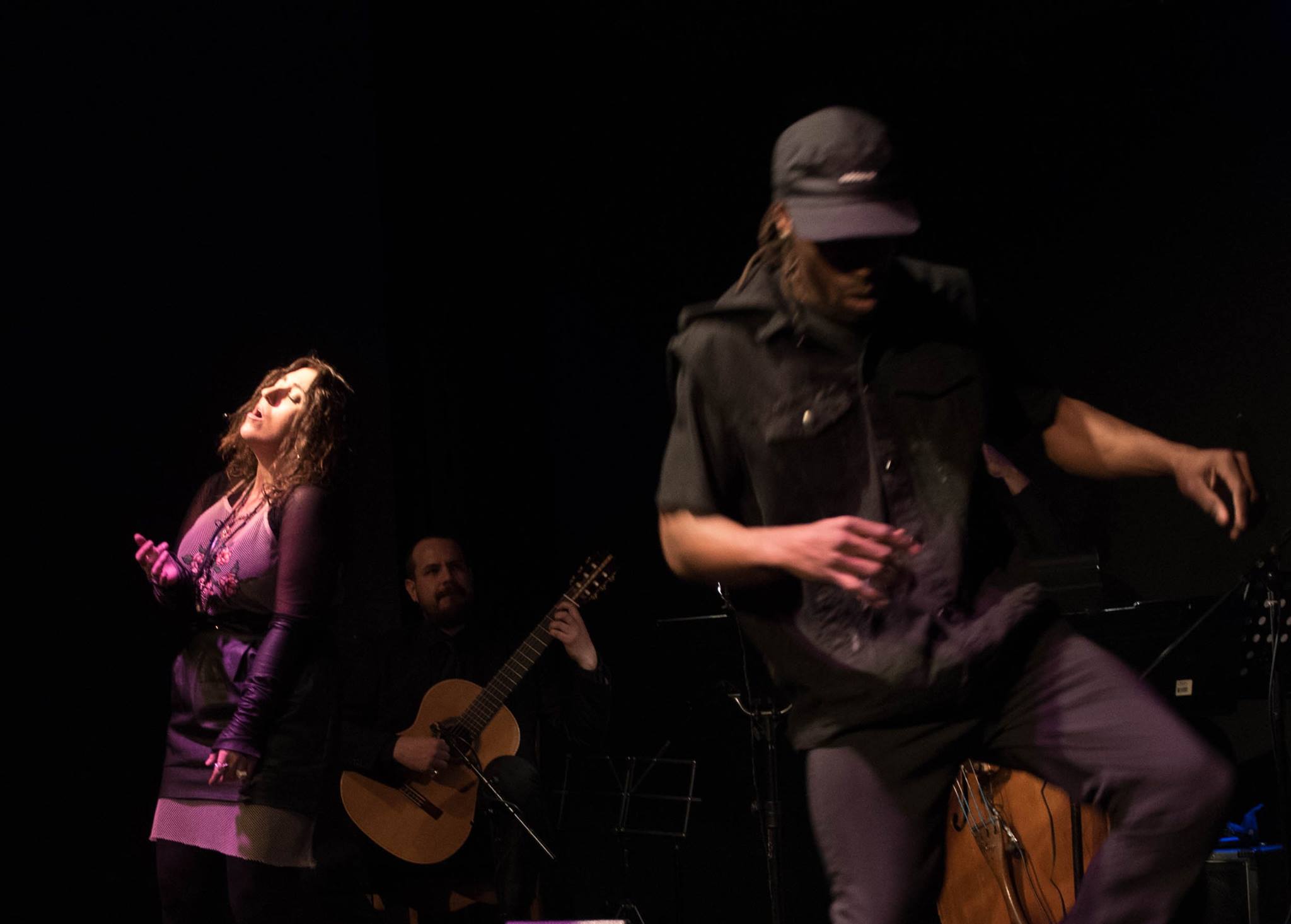
Image Credit:
Paul Crisant, Carlos Chinchilla, Casey Mitchell, John Boehm
Getting in touch: VoyageChicago is built on recommendations from the community; it’s how we uncover hidden gems, so if you know someone who deserves recognition please let us know here.


