



Today we’d like to introduce you to Jennie Hengeveld-Misner.
So, before we jump into specific questions about the business, why don’t you give us some details about you and your story.
During college, I had the opportunity to visit South Africa. It was an amazing trip. I was there a mere 10 years after apartheid ended, and was really struck with how recent that history felt. The dollar was very strong at the time, so we were staying in 5-star lodgings, but during the day we’d drive through townships like Soweto. The disparity in income was striking. I realized how different my life could have been I just been born in a different part of the world, or with a different skin tone.
Upon my return, I decided I wanted to try to do something to try to give people in developing economies access to North American markets. I became more and more enamored of fair trade the more I looked into it because it seemed like a way to address inequities in a sustainable way that maintained the dignity of everyone involved.
After graduating I took another trip back to Africa, this time to Kenya, Zimbabwe and South Africa. I met with as many artisans as I could. I fell in love with the stone sculptures in Zimbabwe, and when I returned, I asked the artisans there to ship back my samples for me. My small box of stones was going to cost hundreds of dollars to ship, so to make it more cost-effective, I bought an entire 20-foot container worth of sculpture instead. It took some 8 months for that first container to arrive, and when it finally did arrive I had to hit the ground running to find customers. (This is not a business model I would recommend, by the way.)
Over the years I developed a number of wonderful customers and gradually paid my uncle back (if you thought a bank would give a young lady straight out of college a loan to invest in Zimbabwe, ranked at the time the worst country in the world in which to invest, you are mistaken. 🙂 )
I ran into a number of problems in Zimbabwe, but about 8 years in, it was getting extremely difficult. The economy was a black market and inflation was sky-rocketing. We would have to find a person willing to exchange money for us, get the cash back by the briefcase-full and then pay our artisan-partners as quickly as we could so they could spend the money before it decreased in value again. The government was tracking my artisan-partners to see how much they were making and how they could get a cut. Finally, our shipping costs increased by five times. It was at this time that I was considering shutting down the business.
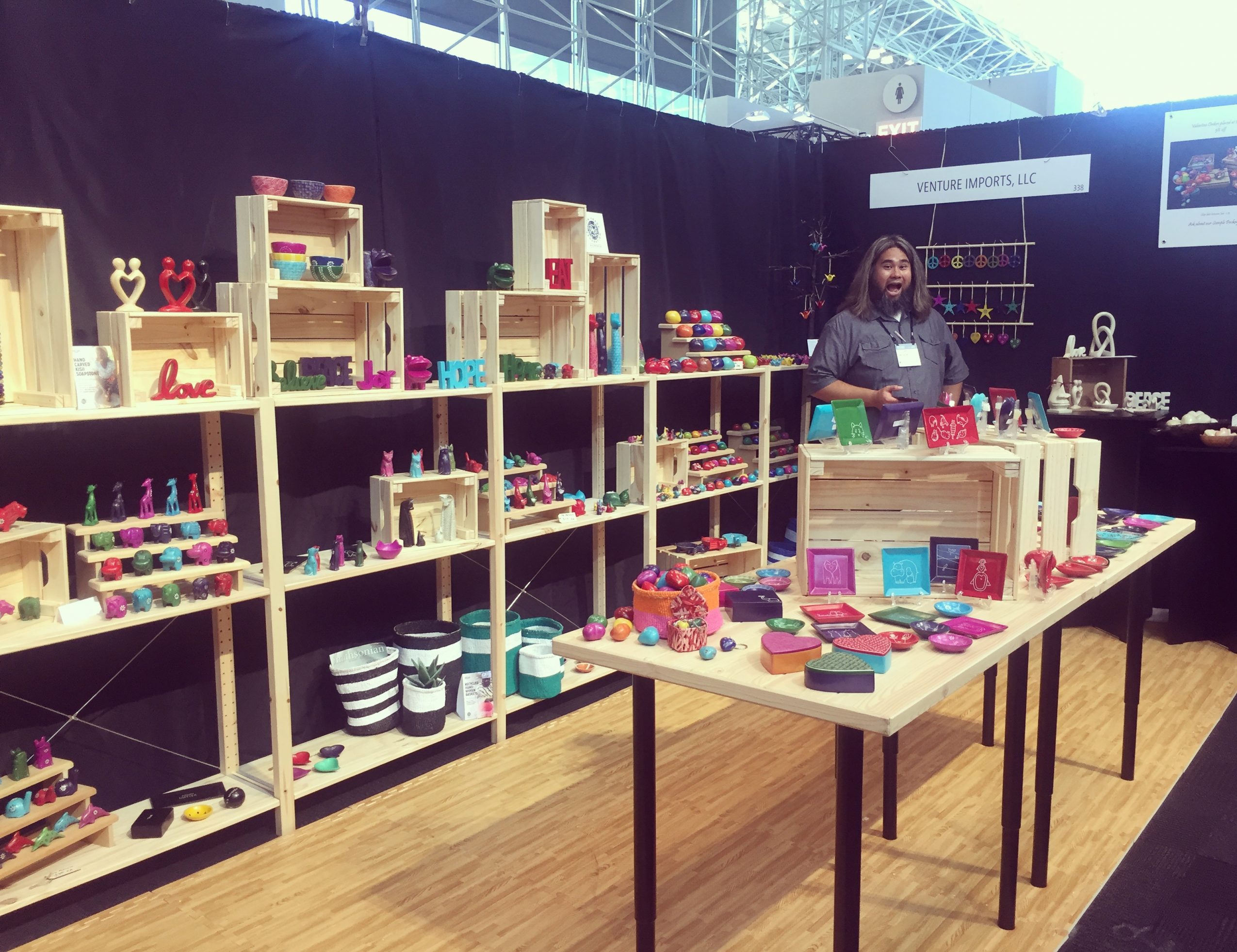
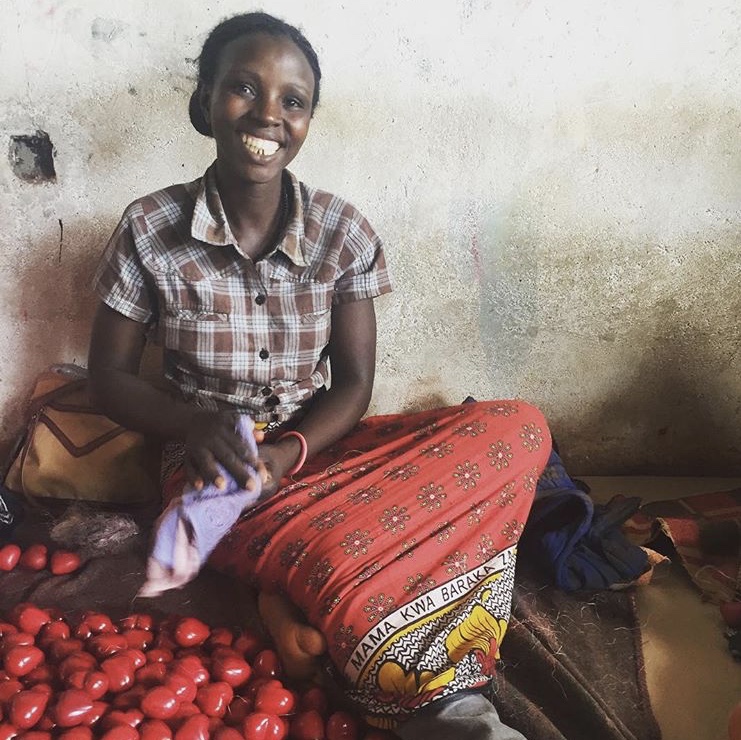
Around that time another organization was getting out of the fair trade business, and they asked if they could introduce me to their partners in Kenya. Soon I was heading back to Kenya and continuing the work they had started there. Thankfully many of my previous customers continued with me on my new venture, and over the next 8 years, I was able to grow the business around this new product line. We relocated to the Chicago area when I met my husband who lived in the area. Today we sell more than 700 stores, museums, and catalogs. We have 2 employees here in the US, but more than 100 partners in Kenya.
We’re always bombarded by how great it is to pursue your passion, etc – but we’ve spoken with enough people to know that it’s not always easy. Overall, would you say things have been easy for you?
It has been an extremely pot-holed road, and I’ve literally traveled on some seriously cratered roads!
Some challenges I’ve listed already. There was one time when I was traveling with one of my artisan-partners and the police pulled us over. My partner got out of the car and was talking about what seemed like ages. When he finally returned he said that the police officer insisted that he must be my tour guide and as such, he should have his truck licensed as a tour truck. He kept telling him that we were business colleagues and friends, but the police officer wouldn’t have it and tried to compound his truck for not being a licensed tour truck. Finally, he said: “No white woman would ever drive around with a black man unless you were her tour guide.” I think it was less my partner’s insistence on the real nature of our relationship than the bribe he gave him that allowed us to continue on our way. After that, he just would tell me to duck every time we saw a police officer.
This is just one example of the kind of situation my partners were dealing with, and I give them great credit for their patience and savvy.
Not all of my experiences with my partners has been so wonderful, though. I intentionally work with the more marginalized people in the communities and very often they require a deposit, if not full prepayment before they work. This allows them to not have to borrow from the predatory lenders in their communities in order to buy their raw materials. Unfortunately, that deposit has been stolen by different partners on a couple of occasions. In a sense, it’s understandable that they would need the money so badly, but it does make it difficult to run a sustainable business in such an environment.
Cash flow and lead time have also combined to make life difficult over the years. For many years I had to pay for my entire shipment before the work on it would even commence. The artisans would then take months to hand-make enough items to fill a 20-foot container which would then take months to get to me. So I wouldn’t even start to make money until half a year after paying for all of the goods. The combination of this cash flow and lead time make it a challenge to predict inventory levels and respond to spikes in demand.
Also, we are often not working with people who are trained in business practices. Besides the struggle of communicating cross-culturally and bridging a language barrier, many of our partners are trying to learn the basics of business while working with us. So along with running a viable business here in the US, I try to explain things from how to write a packing list to how to account for both fixed and variable costs when pricing an item.
We’d love to hear more about your business.
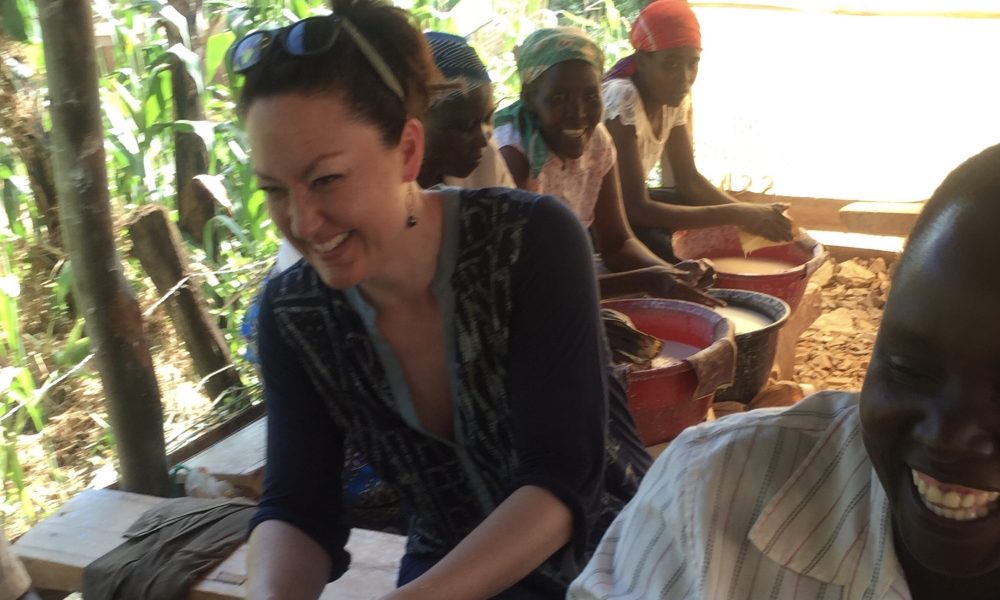
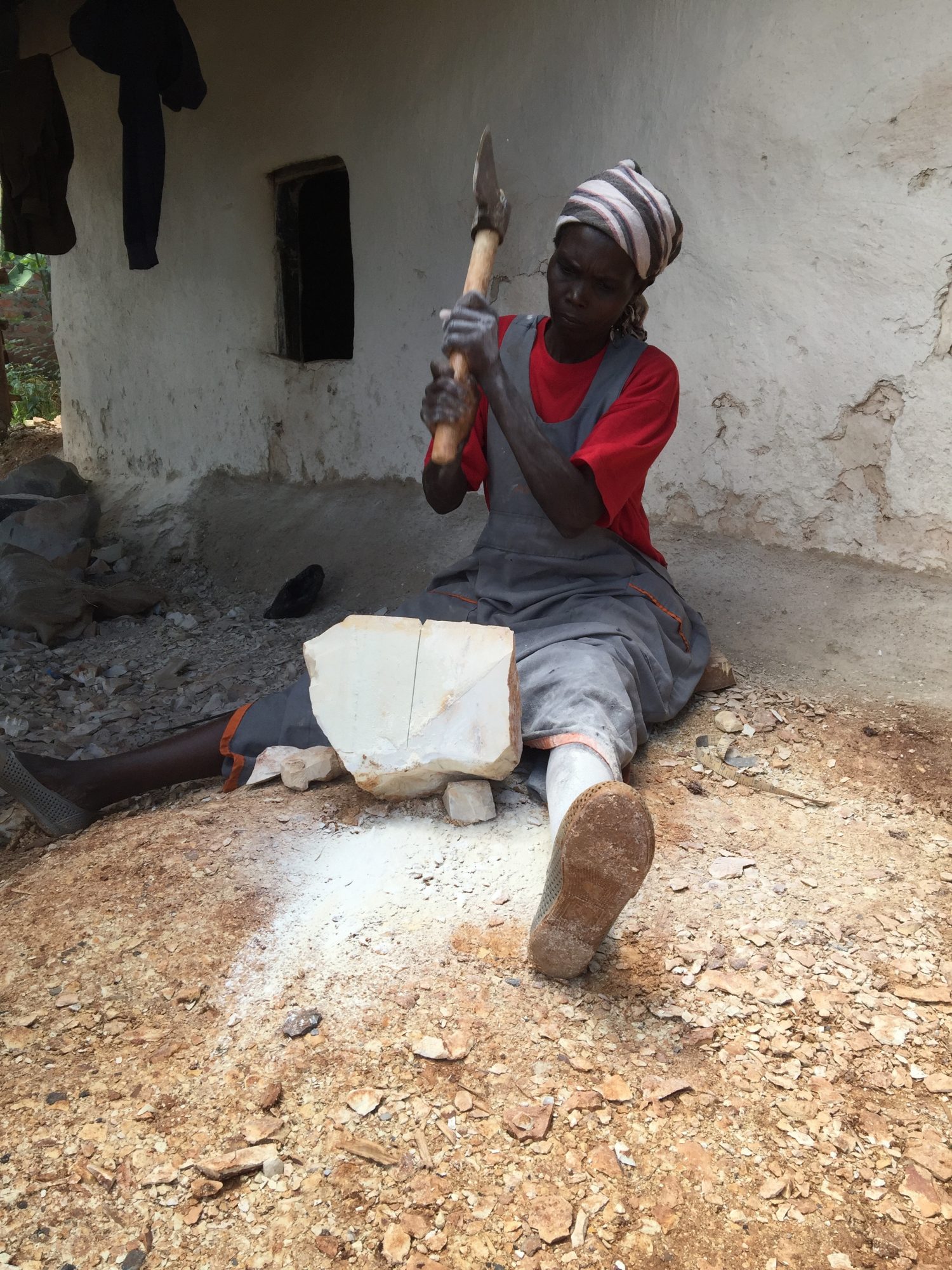
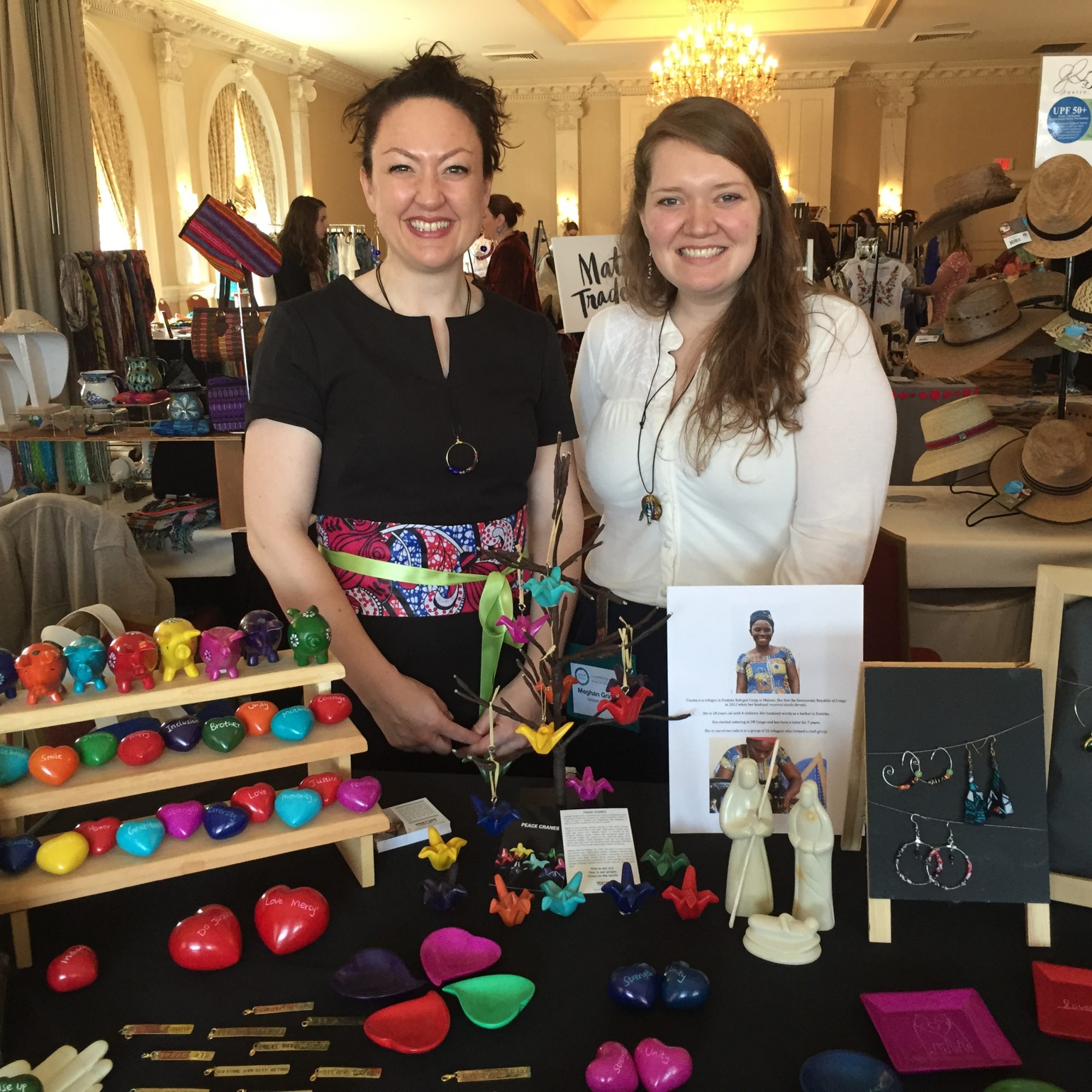
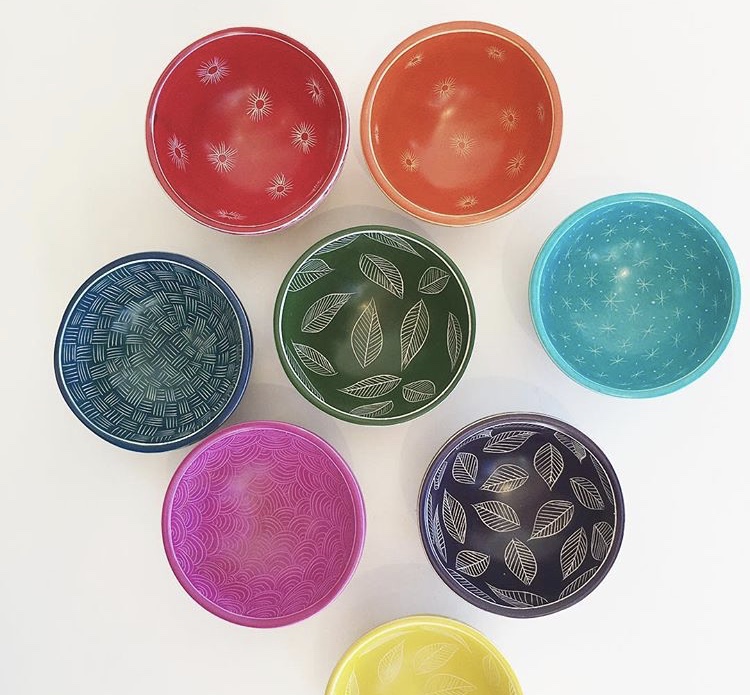
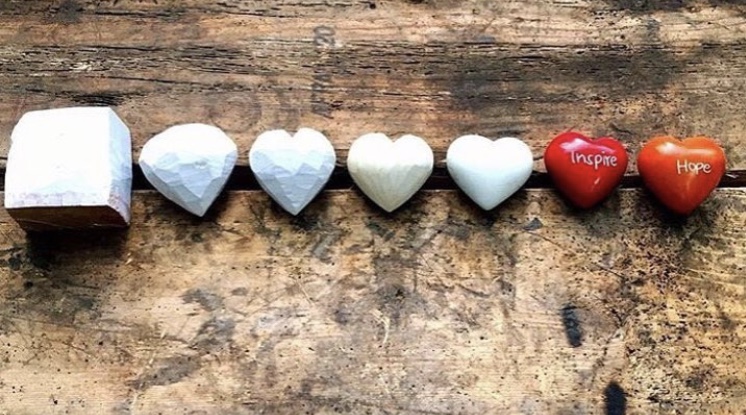
Venture Imports is a fair trade import and wholesale company. We currently specialize in hand-carved stone carvings and recycled glass jewelry from Kenya. The stone carvings are carved entirely with hand tools. They use a machete to carve (but don’t worry, they all have all of their fingers, I’ve checked!), then a chisel, sand, and wet-sand to make the pieces smooth to the touch. Then they dye and polish the pieces and etch out words and designs with a razor.
The recycled glass jewelry is made from up-cycled bottles that are collected, washed, melted down and then formed into jewelry. You can guess the bottle from which they are made of the color of the glass: black is Baileys, blue is Sky Blue Vodka and Bombay Sapphire, green is mostly beer and wine bottles.
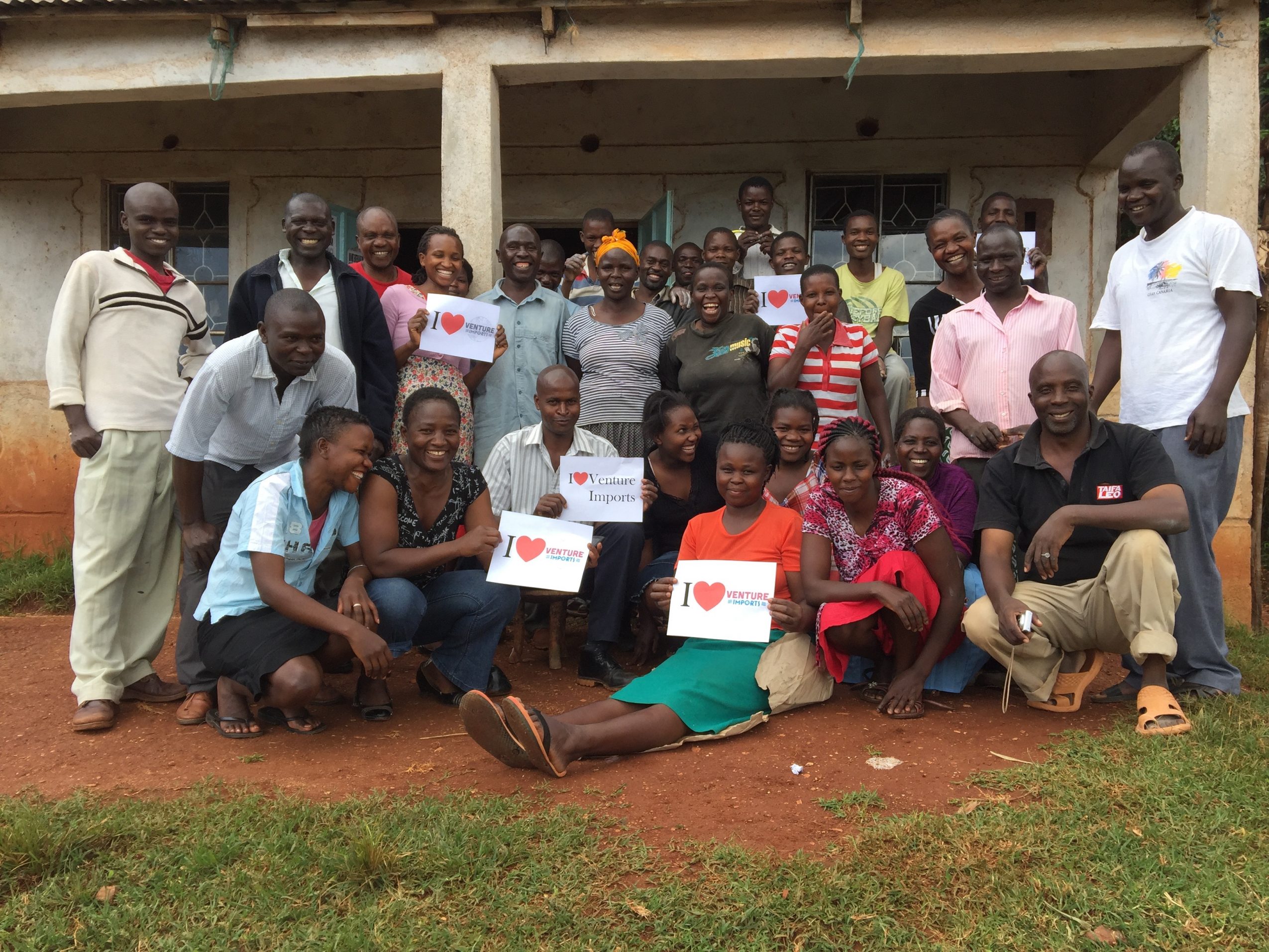
I’m most proud of the income the artisans are able to make through their work. We currently employ over a hundred artisans in Kenya. Many of these artisans are not only providing for their immediate families, but also for members of their extended families. All of the children of our artisan-partners attend school, which is the number one goal they always tell me, and not something that is a given in their communities, especially for the girls. Some of their children are even attending college now! Many of the artisans were also able to use their income to start other small businesses, like selling milk from the cow they were able to buy, or eggs from their chickens.
What I love about our company is that when customers buy from us they are so close to the people who actually made their pieces. When you hold one of our pieces you can feel how smooth it is: that smoothness comes from a woman across the world who held that every piece in her hands and sanded and wet-sanded until it was smooth. You can feel the little etchings on the side which were made by Eric or one of the members of his team. It’s so cool for me to see our pieces in beautiful museum gift shops and know the mine that the stones came from and all of the people who worked to make that piece so special.
What were you like growing up?
I had a lot of interests growing up. Between school, music lessons, and friends, I was always very busy. My friend and I also started a business as children, too: a magazine called “Cool Girls,” with a readership to match. Sports were also always a big part of my life from early grade school when my dad took me on mile runs and we did our pull-ups together, to playing tackle football and tearing both my ACL’s later in life.
I also always loved to read. As a child, I remember being inspired by biographies of Eleanor Roosevelt and Eric Liddell. And my favorite book as a young girl was The Little Princess which, as I recall, was about a privileged girl who doesn’t abuse her privileged status, but is kind-hearted as a rich girl and as a poor girl when she loses her fortune. Despite being the same person when she is poor as when she is rich, she is treated very differently by those around her.
Pricing:
- Hand-carved stone carvings retail from $8 for hearts to $40 for nativities
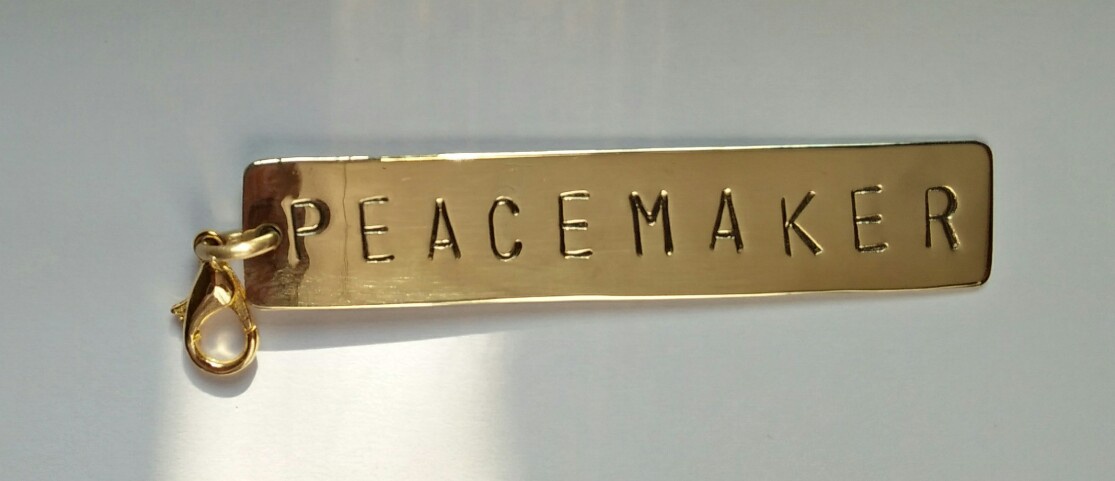
- Recycled glass and brass jewelry retails from $5 to $19
- Recycled plastic baskets retail from $29 to $49
Contact Info:
- Address: Venture Imports (warehouse)
115 West 61st. St. Westmont, IL 60559 - Website: www.VentureImports.com
- Phone: 630-963-8480
- Email: Jen@VentureImports.com
- Instagram: https://www.instagram.com/ventureimports/
- Facebook: https://www.facebook.com/VentureImports/
Getting in touch: VoyageChicago is built on recommendations from the community; it’s how we uncover hidden gems, so if you know someone who deserves recognition please let us know here.


Pattye Pece
December 8, 2017 at 2:16 pm
Blessings Jennie on the wonderful article of your fair trade business!