



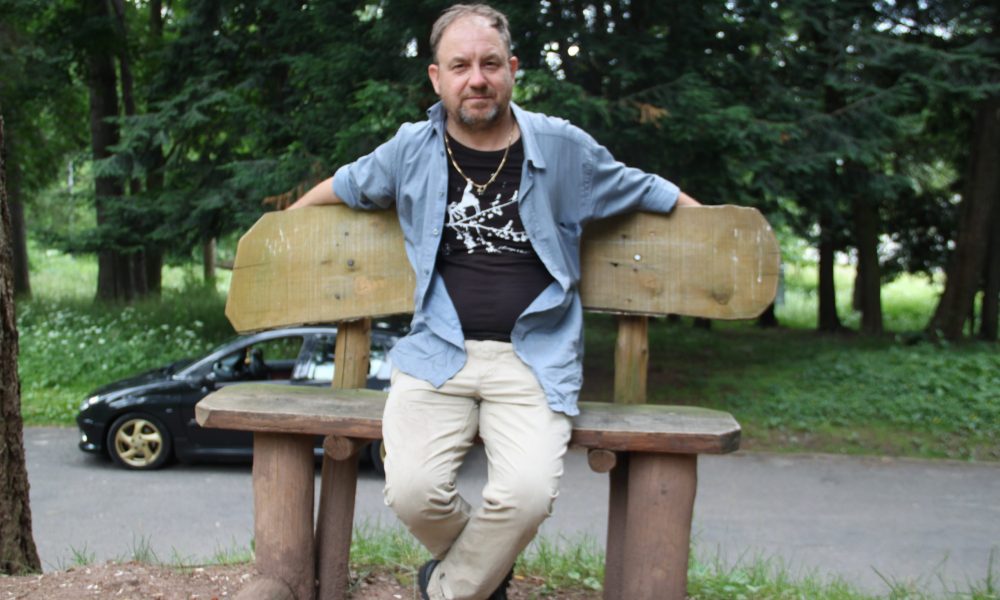
Today we’d like to introduce you to Jaroslaw Golembiowski, The Chicago Chopin Society.
Jaroslaw, please share your story with us.
Doctor of Musical Arts in Music Composition from the Fryderyk Chopin University of Music in Warsaw, I also hold two Master of Arts degrees, one in Music Education and the second in Composition, Theory, and Conducting from the Karol Lipiński Academy of Music, Wrocław, Poland. I am certified by the Music Institute of Chicago as an instructor of the Piano Suzuki Method.
Which areas are your association and activities closest to?
My musical performances have taken me across the breadth of the city of Chicago and the suburbs. Over the course of 30 years, we have locally presented concerts in the Fine Arts Building, Piano Forte, Northeastern University, St. Barbara Church, Copernicus Center, The Polish Museum of America, Wooden Gallery, and more. Further, I have performed in venues nationally and internationally.
I teach and give master classes privately throughout the Chicago area. Also, I write music criticism and articles on performances.
Can you briefly walk us through your story – how you started and how you got to where you are today.
During over 30 years of performing, composing, organizing concerts, conferences, and master classes in the area, I have met many fantastic artists. From the start, they helped me enter and create an environment in which my music was recognized and performed. Results are shared with the public on multiple levels—through new commissions, concerts, special events, and internet websites.
Upon arrival in Chicago from Poland, I remember my first steps in the late 1980s with big names in Polonia: tenor Stefan Wicik, singers Lidia Kłobucka and Monika Silvan. Sadly, these colorful performers are all gone now, together with many other renowned musicians of the era. Several of my current collaborators and former students perform around the world and I am happy and honored to learn from them that they play my music. On my creative journey as a composer, I was fortunate to have my compositions performed by the acclaimed young pianist Adam Golka; the established Penderecki String Quartet; Chicago actress, poet and cabaret singer Wendy Parman; and recently, soprano Marlena Dziś and violinist Krzysztof Zimowski, among others. A recent collaboration of 2016–2018 lead us to create a successful Festival of Cultural Exchange between The Chicago Chopin Society (which I founded and manage) and American Music Festivals (founded 20 years ago by Philip Simmons). Together, we not only produce and arrange most of the music but we also encourage and perform the world premieres of music by Chicago composers, such as Ilya Levinson, Gong Qian Yang to name two. As you can see, my interests and activities bridge several styles of music.
Has it been a smooth road?
Being an immigrant and starting all over in a new setting is never easy for an artist. Despite the fact that fine art employs a universal language that all can relate to, it is challenging for a creative soul to find its own path in the variety of cultures in New World. The question, do I devote myself to my own heritage or do I follow contemporary trends, is always burning inside. Life creates unpredictable circumstances, so we follow them in order to survive as a human being and as an artist; I have had generous opportunities to do so.
Coming from a country (Poland) where my education and composing was almost always financially supported by the government, and where music was also commissioned by theaters or was just simply being performed by friends, it is difficult to start from scratch and to make new acquaintances and forge connections. The Polish Composers’ Union is a well-organized association, headquartered in Warsaw with chapters in many different cities throughout the country, promoting new talent. Here, the scene is completely different. Currently, in Chicago, there is no social or professional group, which would bring Chicago composers together. We work pretty much in isolation, seeking out connections individually.
Tell us about your association and activities. What do you do, what do you specialize in, what are you known for, etc. What are you most proud of as a musician?
Besides managing and programming The Chicago Chopin Society, I teach piano and composition; I’m very active as an accompanist for singers and participate in chamber performances. I play with the Lincolnwood Chamber Orchestra (Philip Simmons, Artistic Director), an orchestra with which I performed several premieres of my compositions.
Recently, I’ve issued a CD, Adoration, with violinist Krzysztof Zimowski, Concertmaster of the New Mexico Philharmonic. This eclectic recording includes arrangements of Fryderyk Chopin’s works, music by a neglected Chicago composer Felix Borowski (1872–1956), Henryk Wieniawski (1835–1880), as well as my original compositions. It was an effort encompassing contributions across State lines: a fundraising concert took place in Albuquerque, NM, the recording was made at a church in Corpus Christi, TX, the editing was done Austin, TX and finally the disc was designed and manufactured in Chicago, IL. Then, the release party was organized by the Polish consulate in Los Angeles! The CD has already been introduced during live concerts in Detroit, MI, Washington, D.C., and South Bend, IN.
I lecture and write about my adventures with music for various newspapers and appear frequently as a guest on radio programs, often in Polish. I am honored to be a recipient of several cultural and public service awards for these contributions.
As a member of the Music Committee of the American Council for Polish Culture (ACPC), I arrange their annual prestigious Marcella Kochańska Sembrich Vocal Competition, whose aim is to encourage young singers to study the repertoire of Polish composers.
As you see, much of my focus is on the propagation of Polish musical heritage. But not only. We have assembled concerts of Mexican, Asian, Gypsy, as well as sacred and folk music of various nations. My approach is not only didactic: Making music is a way of making friends and bringing joy to others. I believe that my music is one of the wonderful ways to build understanding and better relations in this small world.
Let’s touch on your thoughts about our city – what do you like the most and least?
In Chicago, I like the enormous possibility of cultural exchange.
A big change I would like to see is a formation of an association for Chicago-based composers, an association that would function as a resource for venues, instruments, financing and donors, contacts, commissions—one that would also support an exchange of ideas and experiences. Composing is a singular activity, conducted often in isolation. Gathering with others doing the same thing — outside academia — would be valuable, especially for younger musicians. Such an organization would encourage the development of their ability, and discourage them from abandoning Chicago, as too many do. A mentoring environment provides a reason to stay.
What are your plans for the future? What are you looking forward to or planning for – any big changes?
With violinist Krzysztof Zimowski, we prepared a program of Hungarian, Romanian, and Gypsy music for violin and piano to be performed at St. Barbara Parish in Bronzeville on the Near South Side, the current venue for most of our concerts. Concurrently, we are working on a program in celebration of the 100 anniversary of Polish Independence (regained in 1918 after WW I). During the festivities, on September 9, 2018, we are planning to showcase our talents in the historic St. Adalbert Church located in the predominantly Mexican neighborhood of Pilsen. The program will feature Polish, American, and Mexican music and include the world premiere of my composition for the occasion, Polonez dla Odzyskanej. (Polonaise for Regained)
For the future, I would love to record more of my music. To do so, I could complete some unfinished compositions, those still sitting in the proverbial drawer. Writing new music would be wonderful, too, but at this point, I need to make choices between propagating performances and composing. Still, it is a dream to be able to revise and edit pieces of my output that for a variety of reasons have languished, to document and preserve my ideas of the past.
What sets you apart from others? Where do you see your industry going over the next 5–10 years? Any big shifts, changes, trends, etc?
I believe that straddling the culture of my childhood and education and that of the multi-cultural country I now reside in provides me with a unique opportunity to explore innovative approaches. I enjoy receiving commissions related to special occasions and to compose distinctive pieces for historic or social celebrations.
And I have a passion for teaching. Over the last few years, I enjoyed working with students from classes led by composer Prof. Marta Ptaszyńska’s at The University of Chicago, preparing their compositions for their final semester concerts. Some were convincing and surprisingly original, written in a variety of forms. To encourage budding talent is a joyful experience.
How do you work on your compositions?
I work slowly. I need to be completely bored to start working creatively. The best ideas I have come during my walks, or when traveling on a bus, or in my sleep. There are plenty of creative mistakes when practicing and improvising. I usually work on a major piece and a few sidetrack miniatures. I like to finish a major piece as quickly as possible so there are not too many distractions in order to keep the flow of the creative process. I need to find a big chunk of time to do so, which is at times a complex thing to do. In order to avoid interruptions, I like to finish all the necessary daily chores before I start with something serious. On the other hand, taking breaks often yields the most creative moments. My breaks are for eating, cooking, a little housekeeping, something trivial — or daydreaming. In these moments, the ideas develop by themselves.
After finishing a piece, I start an editing process. This is the most technical aspect and it is very slow, often filled with some good and some bad choices.
I also enjoy writing under the pressure of a deadline for a world premiere or a special event or competition. This pressure does not contradict earlier statements but only shows how important it is to focus on one thing. When there is no other choice, I treat all necessities of the dailiness of life as breaks.
Preparing vocal parts for the orchestra is another painstaking job. Having an editor, a conductor or performer who understands the process is the most valuable and helpful thing for a composer. It’s great to work with a specific performer who is willing to understand how to improve a sometimes technically very demanding composition.
Contact Info:
- Address: 1427 W. GREENLEAF AVE 3N
CHICAGO IL 60626 - Website: http://chicagochopinsociety.com/
- Phone: 773 988-3663
- Email: composerjg@comcast.net; jaroslawgmusic@gmail.com
- Instagram: https://www.youtube.com/channel/UCGQTu9-Qd7O2ER7YmEk3t0Q
- Facebook: https://www.facebook.com/jgolembiowski
- Other: http://www.jaroslawgolembiowski.com
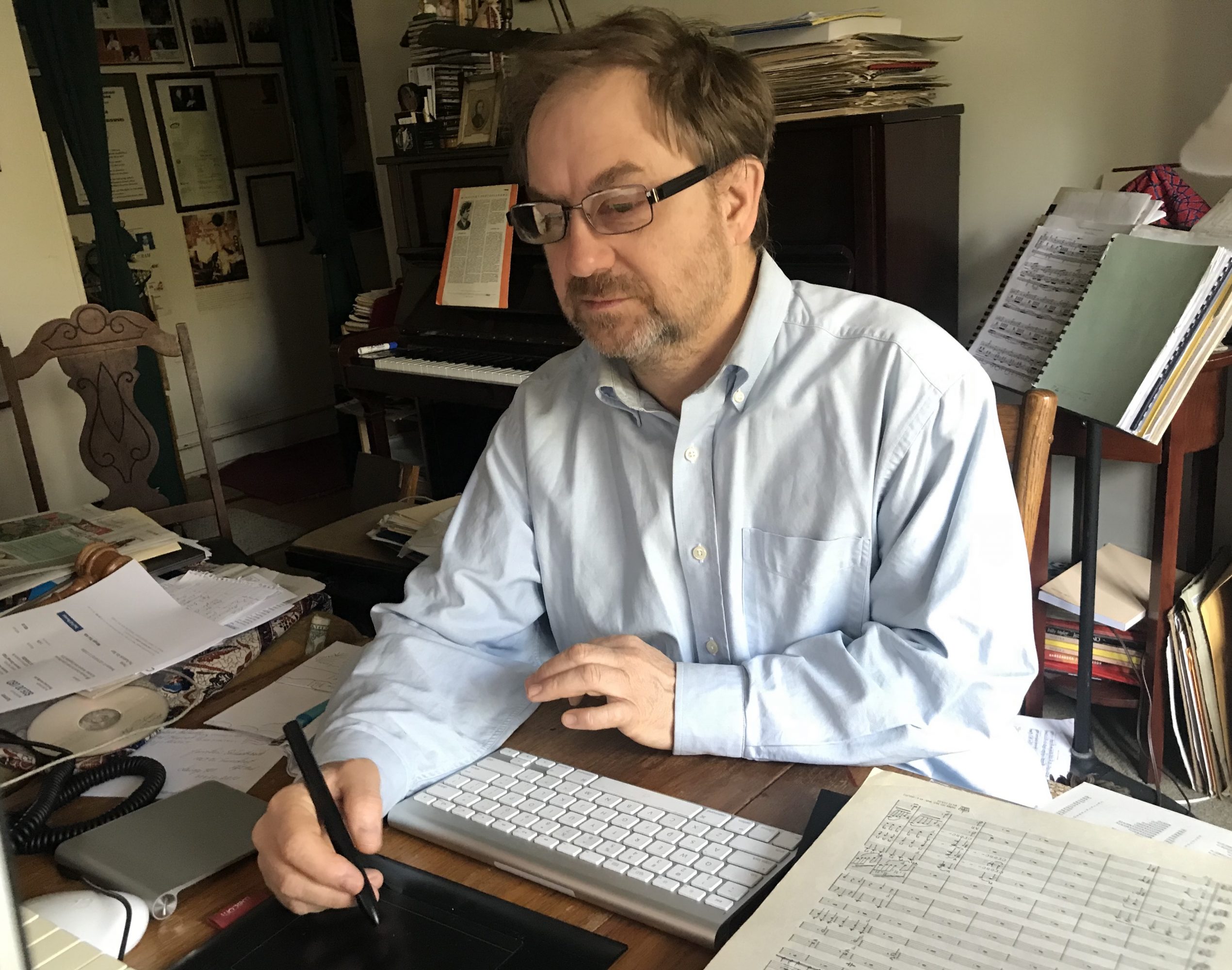
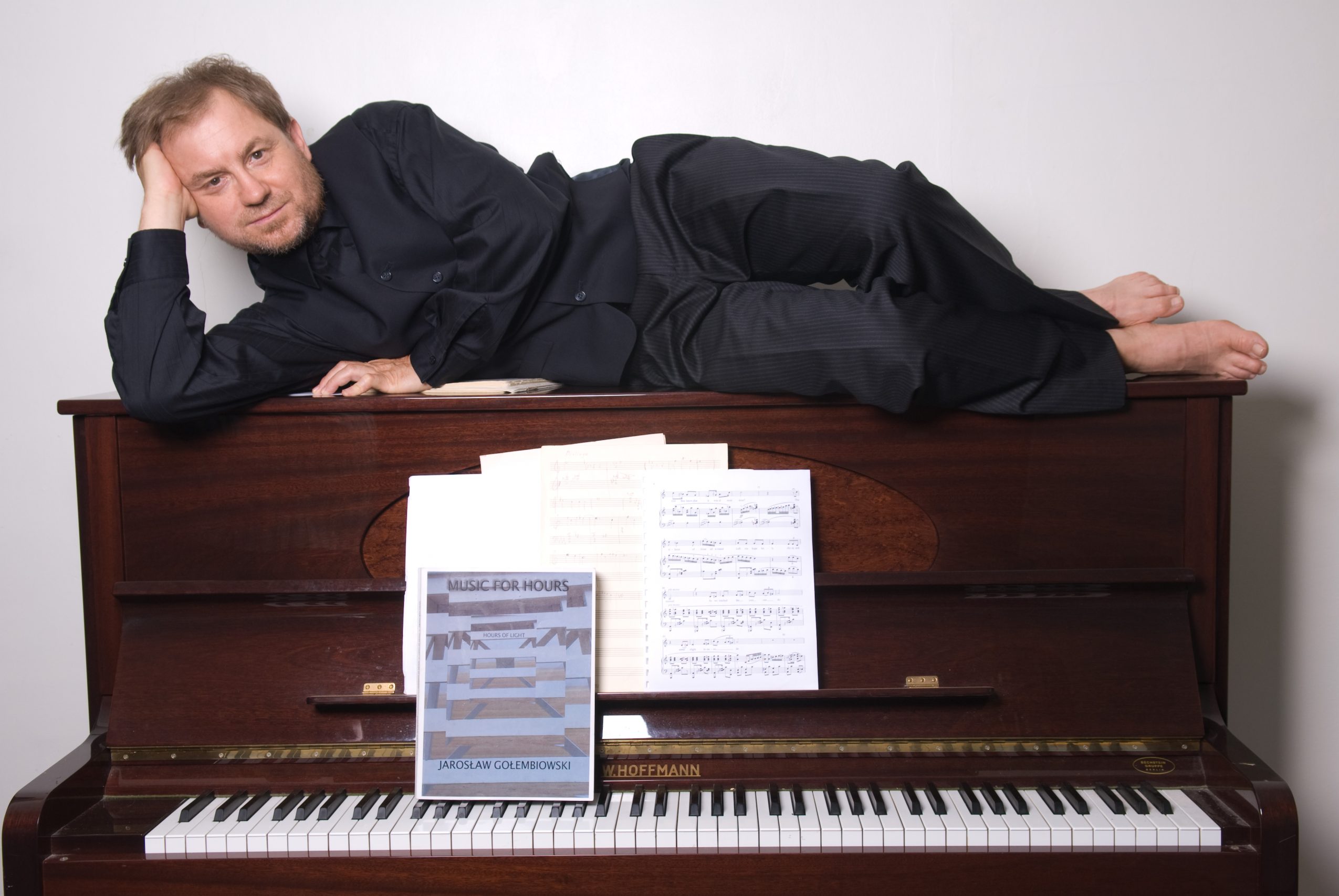
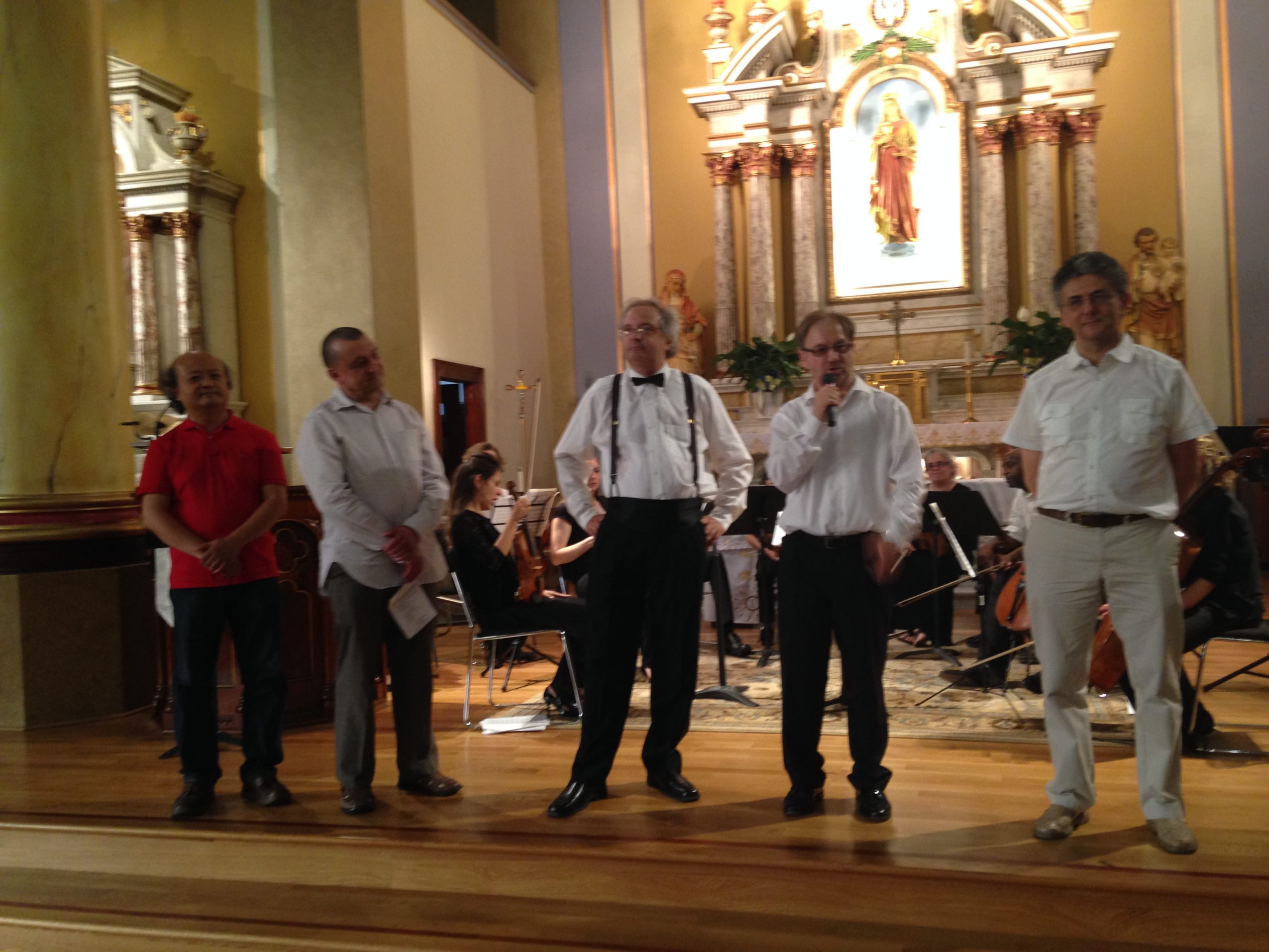
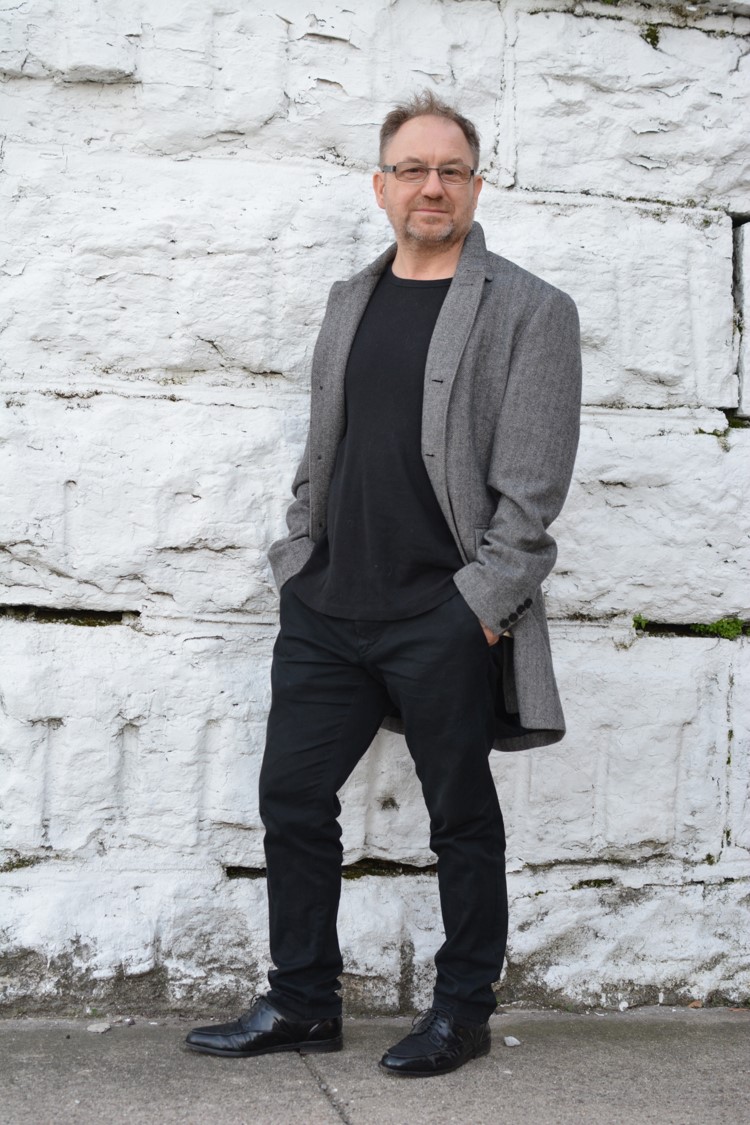
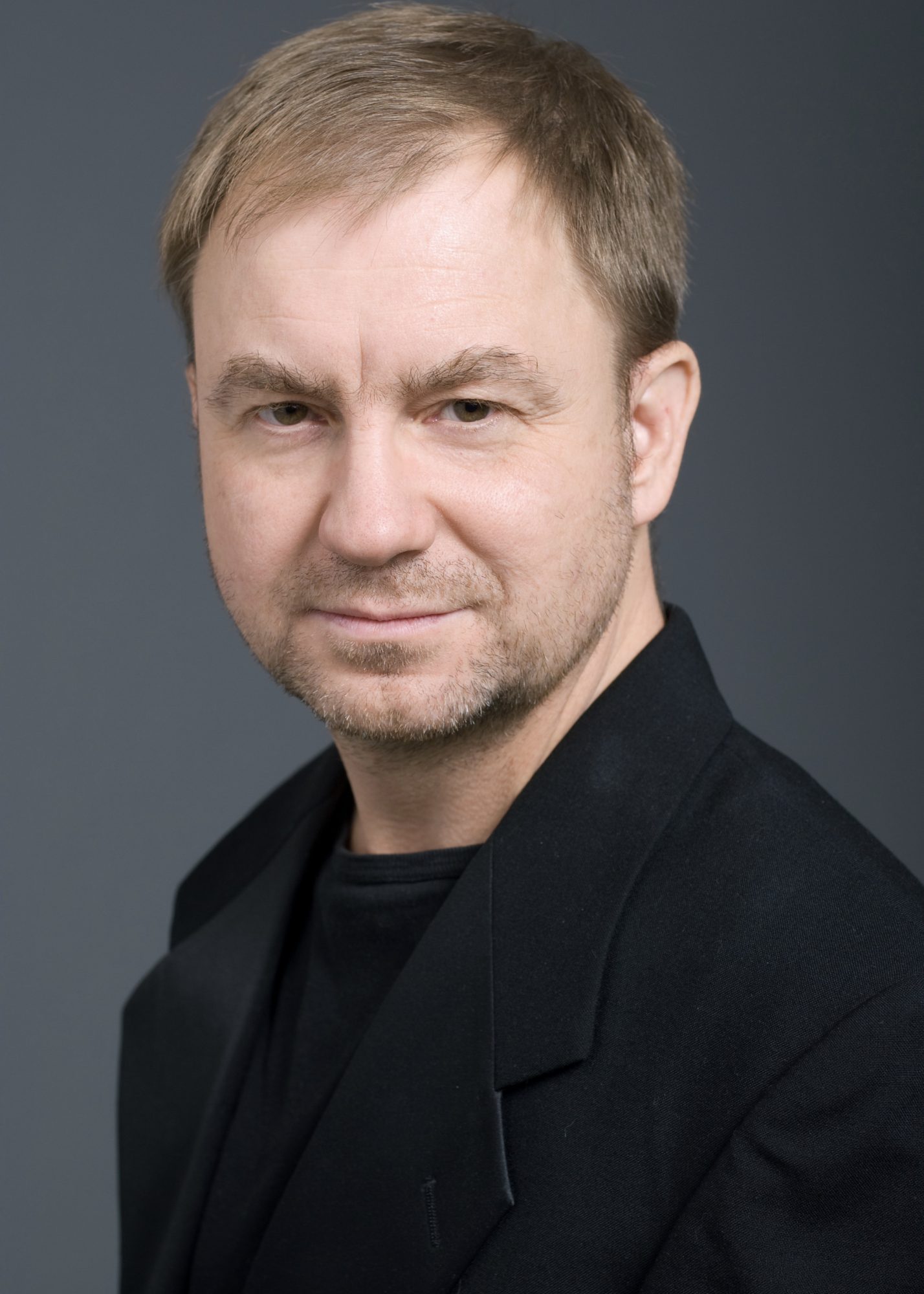
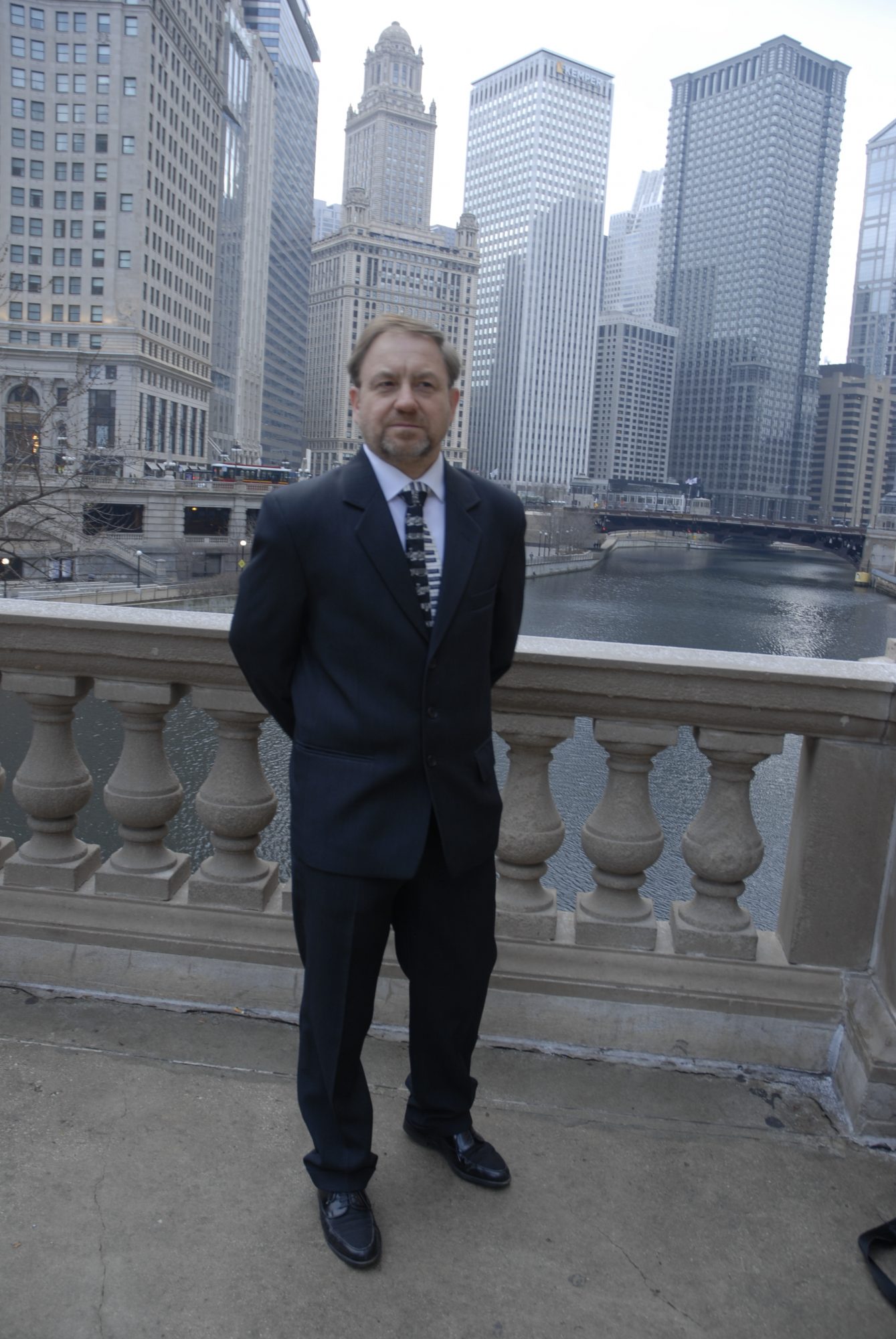
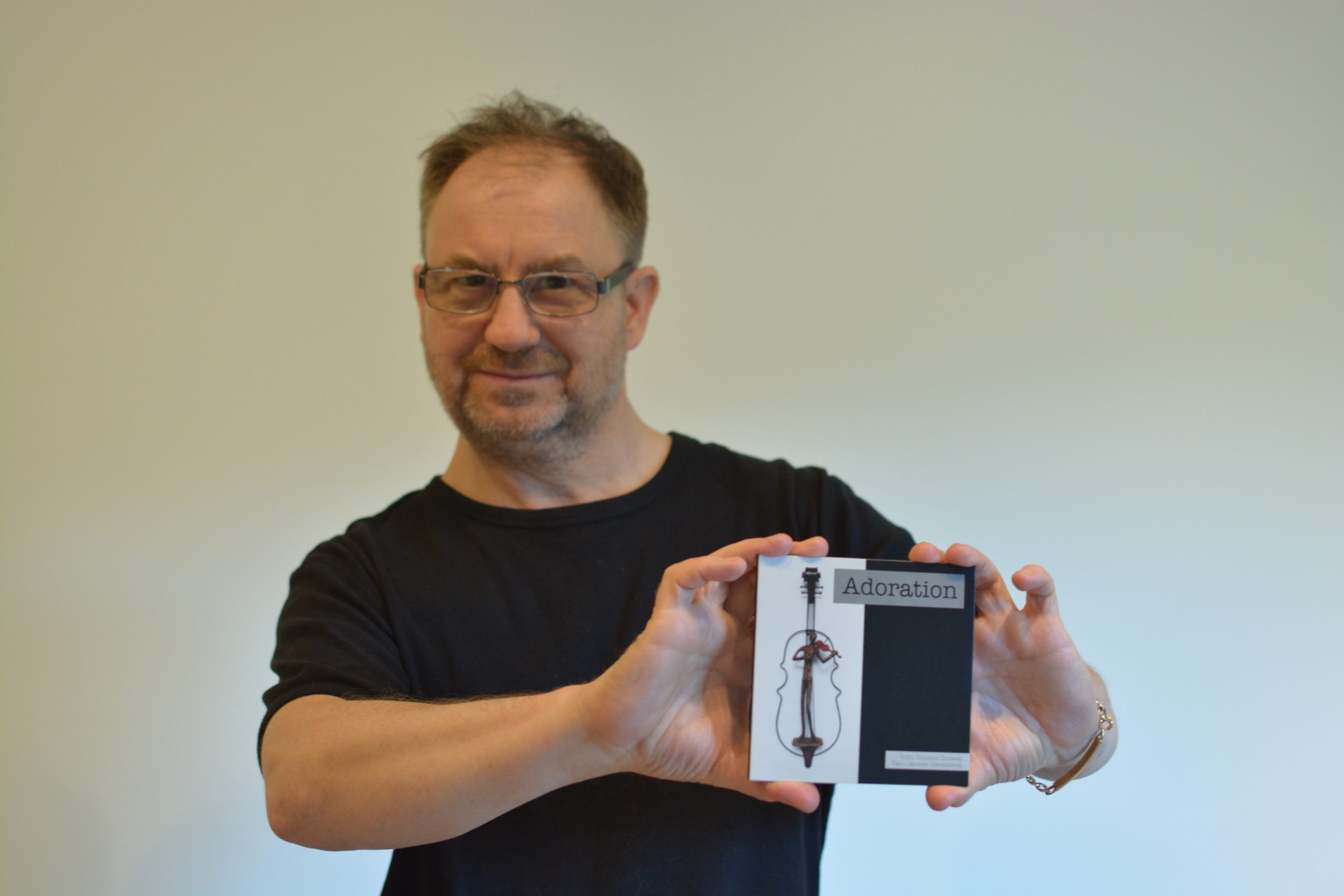 Image Credit:
Andrzej Marek Urbaniak, Caesar Oleksy, Iwona Biedermann
Getting in touch: VoyageChicago is built on recommendations from the community; it’s how we uncover hidden gems, so if you know someone who deserves recognition please let us know here.


