



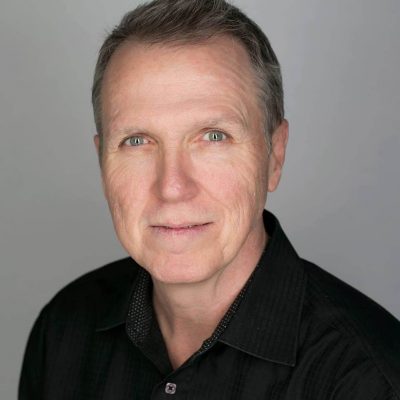
 Today we’d like to introduce you to James M. Lynch.
James M., please share your story with us. How did you get to where you are today?
I actually began in theatre – I have an MFA in Directing from DePaul’s Theatre School. I worked with a few local groups and had a full-time position with the Chicago Park’s District, leading courses for all age groups, with a theatre club, summer camp, a summer Shakespeare Festival and a really great community. Always in pursuit of ‘constant growth’ I wound up in a self-leadership course where I had this life-changing ‘aha’ moment: I was teaching people how to be ‘on point’ and dynamic on stage, why not do it directly in life and business? Of course, it wasn’t that easy to change career course: I had to spend years learning how to lead large group seminars, work under a series of coaches who taught me the context of coaching leadership and developing tools.
Then one of the companies that sent their employees to our seminar asked me if I’d come on to work with them directly – in other words, they challenged me – ‘you can teach leadership in a seminar, can you do it in a real-life setting?’ I took the challenge and very quickly became Director of Sales, which led to creating some new positions until I was promoted to General Manager. We focused on coaching possibility more than managing tasks, on values-based leadership and creating a healthy culture – that was my job to create it – and we grew the company over 500% in nine years, moving from a regional operation to the industry leader.
By the time we sold that company I was the Chief Training Officer and I knew my next step would be to create my own coaching practice that would allow me to work in multiple industries, applying all the tools I’d learned, and sharing the practices and topics I’d developed over the years. The next few years were a challenge for me but my business eventually grew by word of mouth. I was writing articles for online magazines, got to be a regular contributor to The Huffington Post, and began to build my network.
My practice now is basically in three aspects: family businesses in generational transition – I mostly keep them on track, hold them together in tough communication and negotiations, as one generation learns to let go and the next one learns to step up to the task of taking over full time. I also work with Workstone, LLC, to provide coaching and facilitation for Leadership Development Programs for larger corporations.
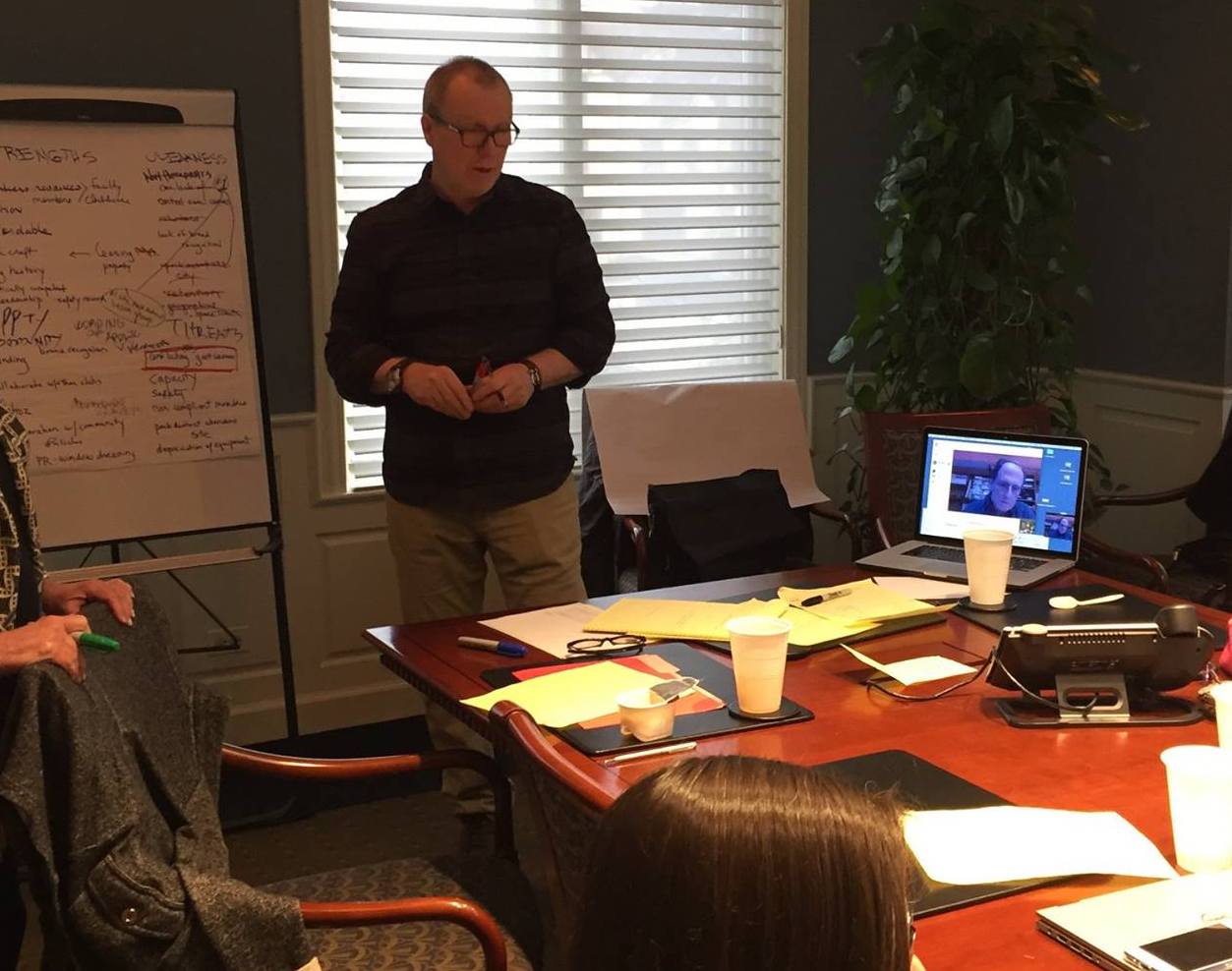
Working mostly with senior leadership, we provide challenging ideas, new contexts, and solution-focused coaching to help leaders grow and develop into top positions. We do seminars and small group learning while transforming leaders into high functioning teams. The rest of my practice is based on entrepreneurs, career changers and anyone who is facing a challenge and needs a combination of motivation and inspiration. I call myself a Chief Possibility Officer for Hire and help them realize the ‘next’ in their lives – even if they’re not so sure what the ‘next’ should be.
The best part about what I do now is that I have a wide variety of clients in widely diverse industries, from facilities management, pharmaceuticals, not for profit management, to lawyers, doctors, health coaches, designers and TV and commercial production.
Great, so let’s dig a little deeper into the story – has it been an easy path overall and if not, what were the challenges you’ve had to overcome?
Getting started with my own business was a struggle. I had been used to a high paying corporate position, with a team, administrative support and all the comforts of corporate life. Going out on my own I had to start from scratch and build a whole new network. As a coach, this struggle was a gift because I had to live what I would be helping others to do later on – realize a dream. For the first few years, I was honing the message, deciding what I would offer to clients that would be unique, that would bring them real value and help me create raving fans.
I was reading everything I could get my hands on about building a coaching practice, about leadership and growth, writing articles about my own experiences with coaching and leadership, but no matter how popular or well read my articles were, they weren’t turning into paid clients fast enough. I was speaking to any group that would have me and the clients I had at the time were too small for me to charge them high fees. As Bill Gates said, ‘Most people over estimate what they can do in one year and underestimate what they can do in ten’ and I had budgeted for success on a shorter timeline than was playing out. I had to really rely on my own tools and topics – to create that true entrepreneur’s mindset that said ‘keep doing the right things and the results will come’. And eventually, some bigger clients started to come in.
Within a few years, longer than I had planned for, I was fully booked with a perfect combination of clients from different industries, from solopreneurs to larger organizations. I’ve actually been putting together a lot of what I learned and practices into a new book, ‘If It’s To Be: The Entrepreneur’s Mindset’. It’s more about the attitude and mindset of someone who is going to accomplish whatever they set out to do than it is about ‘how to’ start or run a business. It’s about grit, determination and living in possibility and with all, I went through to create my company, it’s really about practical and real contexts that will help anyone who is ‘up to something’. And by the way, that’s who I love to work with: people who are up to something!
JM Lynch Training & Consulting – what should we know? What do you guys do best? What sets you apart from the competition?
As an Executive Coach, I hear about a lot of other coaches who give people a blueprint for success and then occasionally check in on their client’s progress. That’s a formula that works for some, but not for the type of client I tend to attract.
I suppose I’m best known for being a Chief Possibility Officer and for being ‘all in’ with my clients. The people and teams I work with have to really be up to something, to have a vision and a dream, to be able to apply themselves to my model ‘The (Make Believe) Land of 100% Responsibility which is more complex than I can explain here, but basically comes down to not being a victim, not making excuses, for living a conscious and committed life. If my clients are that driven towards their own goals, then I’ll help them get there no matter what it takes.
I’m proud of every aspect of my work. My corporate clients and I’ve been working within that realm long enough to have a lot of results to judge from, have a high percentage of promotions and expanded leadership roles. As they move on and up they become the clients asking us to create programs for their teams, and they realize the value of coaching as a context – the expansive results possible from coaching vs. traditional management styles.
The family business in generational transition is sometimes my hardest assignment, there are so many angles to work out, but it really is important. Just by definition, you have ‘family’ aspects to handle, emotions, history, egos, and the business aspect of a changing industry, for example, and a laundry list of other challenges that make turning over a business a real challenge. To date, I can say that every family business I have worked with has successfully managed the change, maintained a healthy family dynamic and in some cases, increased gross sales dramatically.
The solopreneurs, entrepreneurs and career changers need something else entirely. I try to provide a bit of education, inspiration, motivation, and fun – all the while keeping their ‘feet to the fire’ and helping them make the right decisions as they weather all kinds of changes. I love the courage and energy that these clients bring to every interaction and am invested in them as if each business were my own.
In all these businesses I do whatever it takes – that’s a mantra we all repeat – to get us from ‘here to there’.
What moment in your career do you look back most fondly on?
When I was working in a corporate setting I noticed that several employees were doing volunteer work in the evenings and on weekends. One woman was helping to build housing with Habitat for Humanity and I asked her why she didn’t invite me or some of the other people who worked there who ‘knew how to swing a hammer’. I had already been running an annual coat drive from my office, something I had started when I worked for the Chicago Parks District. My realization was that I could create a forum for employees to ask co-workers along on volunteer activities. I posted a notice on the lunchtime bulletin board and created the ‘Volunteer Committee’.
What we developed was a review board that would meet regularly to hear what our employees were up to and finds a way to help them make the project more successful. Our first event was to volunteer at a local food pantry and the pastor had to turn some of our volunteers away – they weren’t ready for so many people who wanted to help. We became their ‘go to’ staff, source and bought food for them, sorted and staffed the pantry, and helped it grow.
Over the years the projects included sending school supplies to children in New Orleans, bought livestock for families in third world countries, ‘comfort items’ like games, sports supplies, snacks items and letters from home to a troop in Afghanistan, knitted afghans for a local battered women’s shelter so that women fleeing with only the clothes on their backs would have a gift in their new home – and tons of other projects. We held raffles, potlucks, etc. It was a ‘machine’ with leadership coming from all directions, goodwill, energy and camaraderie that spilled out to all aspects of our company.
This role, creating the Volunteer Committee, was all about giving back, and we made sure that it wasn’t just about giving money, people had to be involved, use their time and effort too, and we had 100% overall participation from employees in our 90-person company. It was the most successful department in our entire organization and it wasn’t even ‘official’. The bonus was that it turned out to be a great leadership development tool, and the rest of the leadership team gave me full support because they knew that the difference between a really good company and a great one was what happened on our free time, in our volunteering, where we were all peers, where anything was possible, and where we constantly made possibility come to life.
What I learned about hands-on leadership in that little ‘entrepreneurial club’ still serves me today. What I got back in gratitude, in satisfaction and contribution – as in a coat drive that went from a couple dozen coats to over a hundred collected for the homeless every year, to thank you letters from children whose school supplies came from our team, and the feeling of being a part of something that had a life of its own means more to me than growing that company 500% in nine years and becoming the industry leader. The corporate success was great, I’m proud of it, but that committee, that was my real shining memory.
Contact Info:
- Address: 1623 McGovern Street, Highland Park, IL 60035
- Website: www.Jameslynchcoach.com
- Phone: 847-363-2513
- Email: james@jameslynchcoach.com
- Instagram: https://www.instagram.com/jameslynchcoach/
- Facebook: https://www.facebook.com/jameslynchcoach/
- Twitter: @jameslynchcoach.com
- Yelp: https://www.youtube.com/user/JMLynchtraining/videos?view_as=subscriber
- Other: https://www.thesolopreneurcoach.com/
Getting in touch: VoyageChicago is built on recommendations from the community; it’s how we uncover hidden gems, so if you know someone who deserves recognition please let us know here.


