


Today we’d like to introduce you to Helen Oh.
Every artist has a unique story. Can you briefly walk us through yours?
I was born in Korea and grew up in Seoul. When I was fourteen, my family immigrated to the US, and settled Queens, New York. I attended an NYC magnet high school, the High School of Art & Design. After school, I visited the museums of Manhattan. I remember being up close to Michelangelo’s red chalk drawings and a dozen portfolios of Sargent’s watercolors in the Metropolitan Museum’s Drawing Room. My parents enrolled me in after-school programs, which is how I discovered the Art Students League. There I began working from the live model. I recall often seeing actor Peter Falk sketching there— a talent of his memorialized in the film Wings of Desire. During my time at the School of Visual Arts, the 1980s New York art scene was exploding, and I saw many unforgettable shows including Antonio Lopez-Garcia, Odd Nerdrum and Charles Pfahl. At Marlborough Gallery, I briefly met Lopez-Garcia. As I stood before his life-size sculptures of a nude male and female, (a modern Adam and Eve), he walked up to me, tapped the back of Eve’s thigh, and said, (through his translator standing alongside) “so you like my Eve?”
I moved from SVA to the National Academy of Design, where had two life-changing events: I won two Greenshields Foundation Grants, and met my future husband, Andrew Conklin, also a figurative painter. The grants enable me to take private classes with artists Burton Silverman, Aaron Shickler, and David Levine. Andy and I married soon after we finished school.
To earn a living, I learned gilding techniques while working in a frame restoration studio. As a representational painter and an experience guilder, I soon found a job as an apprentice conservator for a private paintings restorer. This restorer encouraged me to travel to Europe to view the great paintings in person. Through the experience of examining original paintings up close and reading lab reports, my approach to painting was transformed.
Please tell us about your art.
I now live in Chicago. Here, my daily view of Lake Michigan, and a course in marine biology that I took at Columbia College, sparked my desire for a greater connection with the marine environment. Buoyed up, so to speak, by my fascination with the ecology of aquatic life, I set out to make a series of works that not only captured this passion, but sought to merge the sinuous, sculptural forms of seashells with the ideas they evoke: the mysterious, primeval, the subconscious, the simultaneous durability and fragility of life. Not only art for art’s sake, I intend them to be works that engage the viewer, harkening memories of childhood at the shore, spurring a greater awareness of the state of the health of oceans and lakes.
Of the works in this series of seashells, each of a different species, the one that overtops the others is the Volute. My ‘model’ is actually a seventy-million-year-old fossil Volute, a mere three inches in length. My drawing scales it up ten times that size. The change of scale both abstracts the volumes and conveys upon it a monumentality it deserves.
Do you have any advice for other artists? Any lessons you wished you learned earlier?
“The job of Artist is an expensive occupation, and one must find a way to finance it.” This advice came from a favorite instructor at the High School of Art and Design, a school that created successful illustrators, cartoonists, and teachers since the 1940s. My teachers there were not only painters, but also illustrators and portrait artists. Moreover, I noticed that many kept a good balance between fine art and commercial work. Last year, I visited a former teacher, Harvey Dinnerstein, whom I have known since high school. His Brooklyn studio was full of new sketches and paintings in progress, some as large as 5 x 8 feet. Even in his nineties he still teaches! My advice for other artists is to try to find a happy balance between art-making and a job that allow a measure of both freedom and income; while juggling these, as a colleague of mine used to say, “keep all the oranges in the air!”
How or where can people see your work? How can people support your work?
This October, I will be part of a group show at the Palette and Chisel Academy, sponsored by the Architecture Foundation’s Open House Chicago. I also contribute articles to Artists Magazine in their Tutorial section. They feature my drawing and painting demonstrations, so look for Total Ellipse (July, 2018) and Depicting Draperies (September, 2018).
I had solo exhibition at the Peggy Notebaert Nature Museum. The group shows include: I also participated exhibitions at the University of Illinois, the Terra Museum of American Art, the Butler Institute of American Arts, the National Academy of Design, NY, and the Muscarelle Museum of Art, VA. Most of the work done for the Peggy Notebaert has been sold, however, new work can be viewed in Instagram and my website.
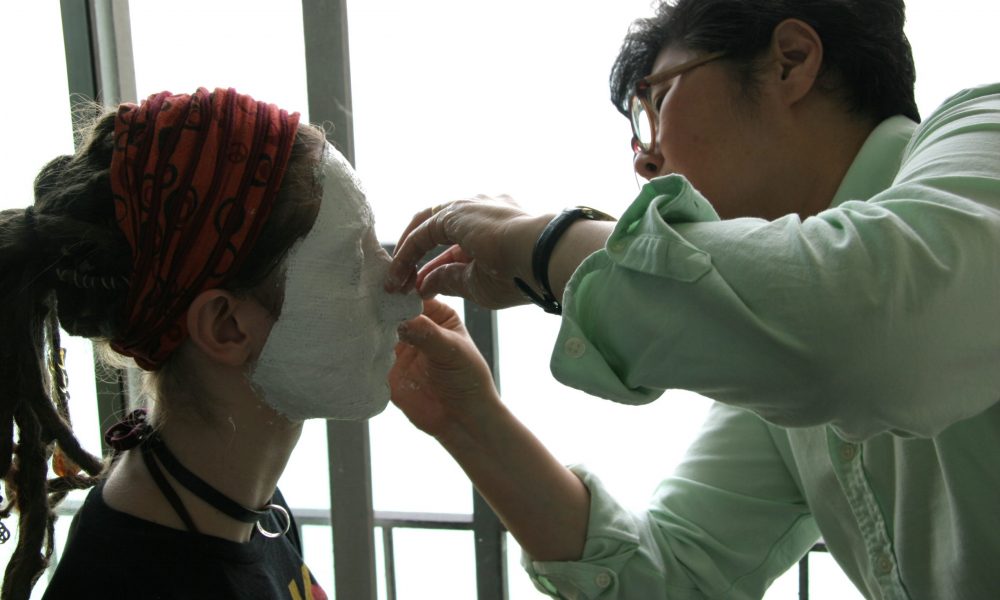
I always welcome followers on Instagram! I also have an art blog where I share my painting process. People can support me by studying with me. I teach courses in Chicago at the School of the Art Institute and the Palette and Chisel Academy.
Contact Info:
- Website: http://cargocollective.com/helenoh
- Email: helen.ohconklin@gmail.com
- Instagram: https://www.instagram.com/helen_oh_artist/
- Facebook: https://www.facebook.com/helen.ohconklin
- Other: http://coolredwarmblue.blogspot.com
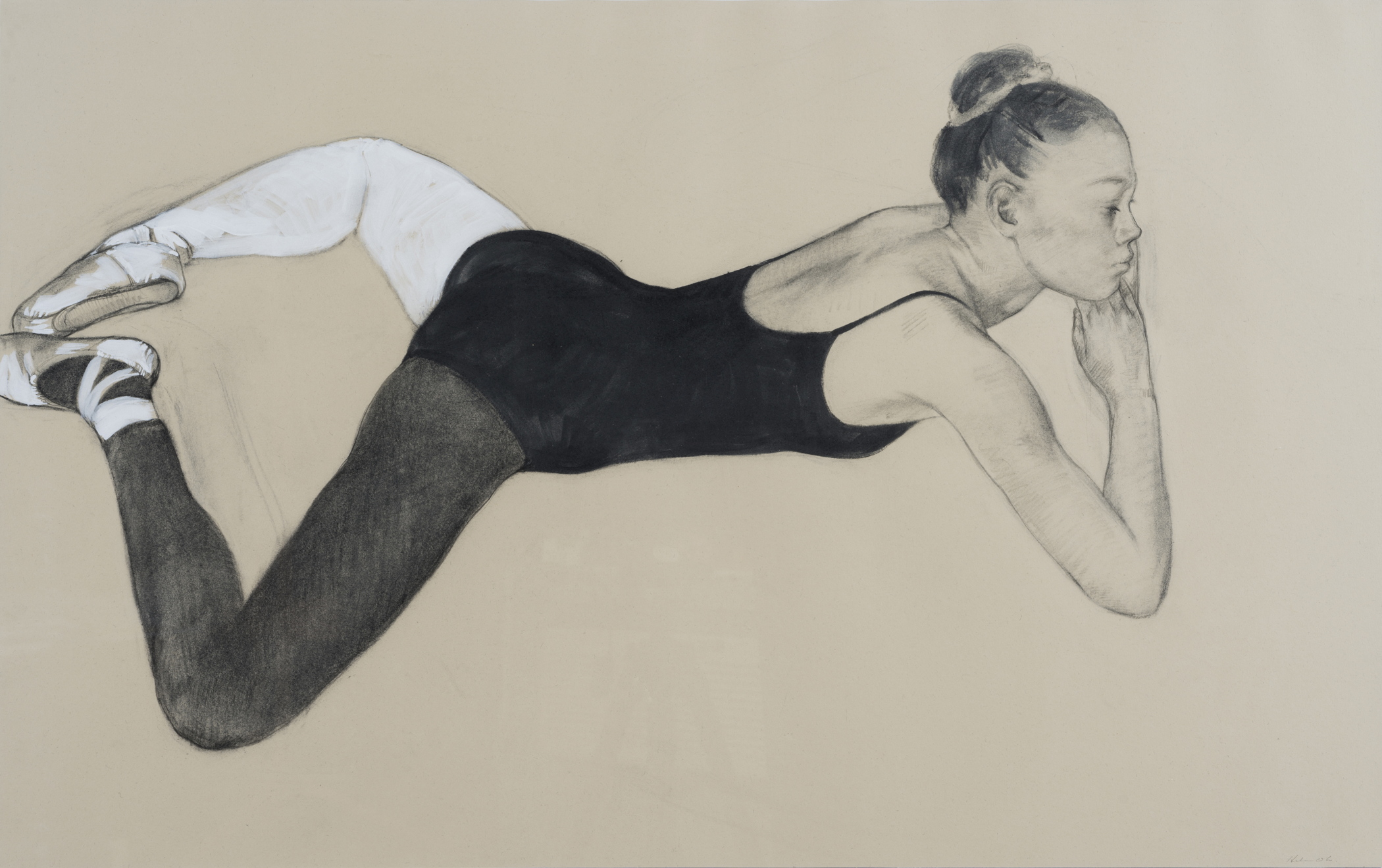
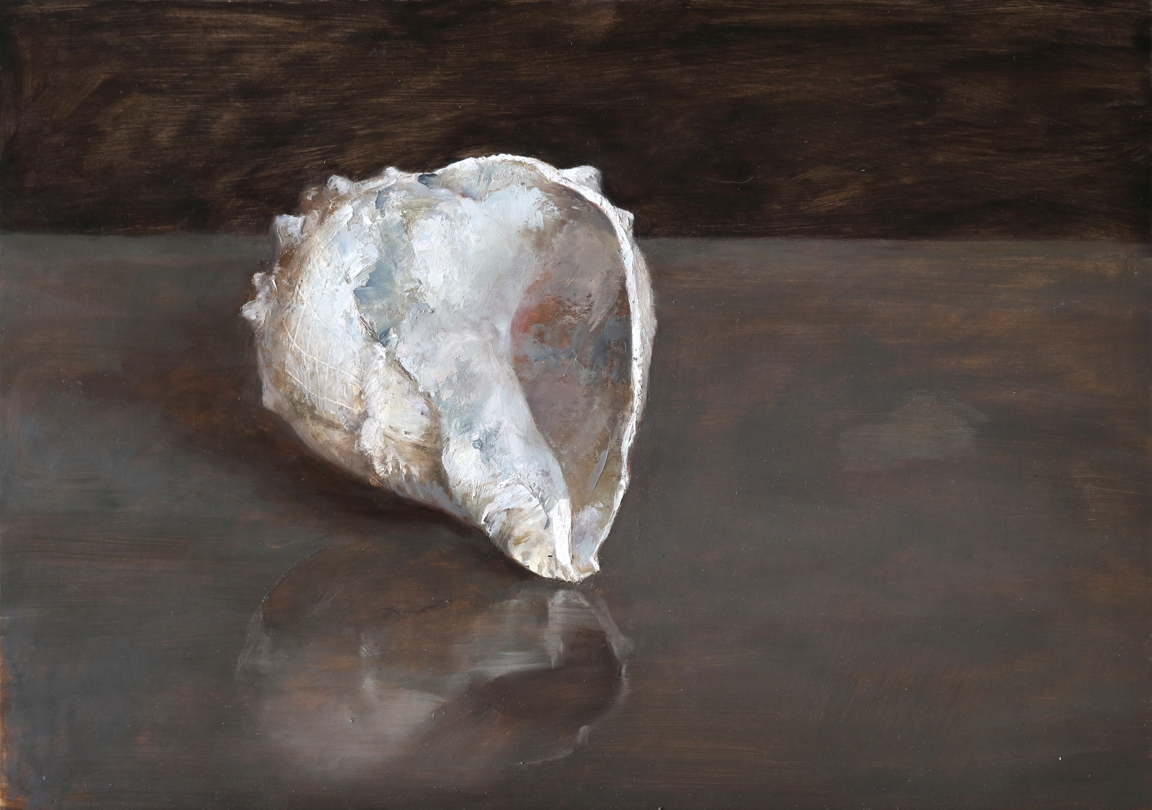
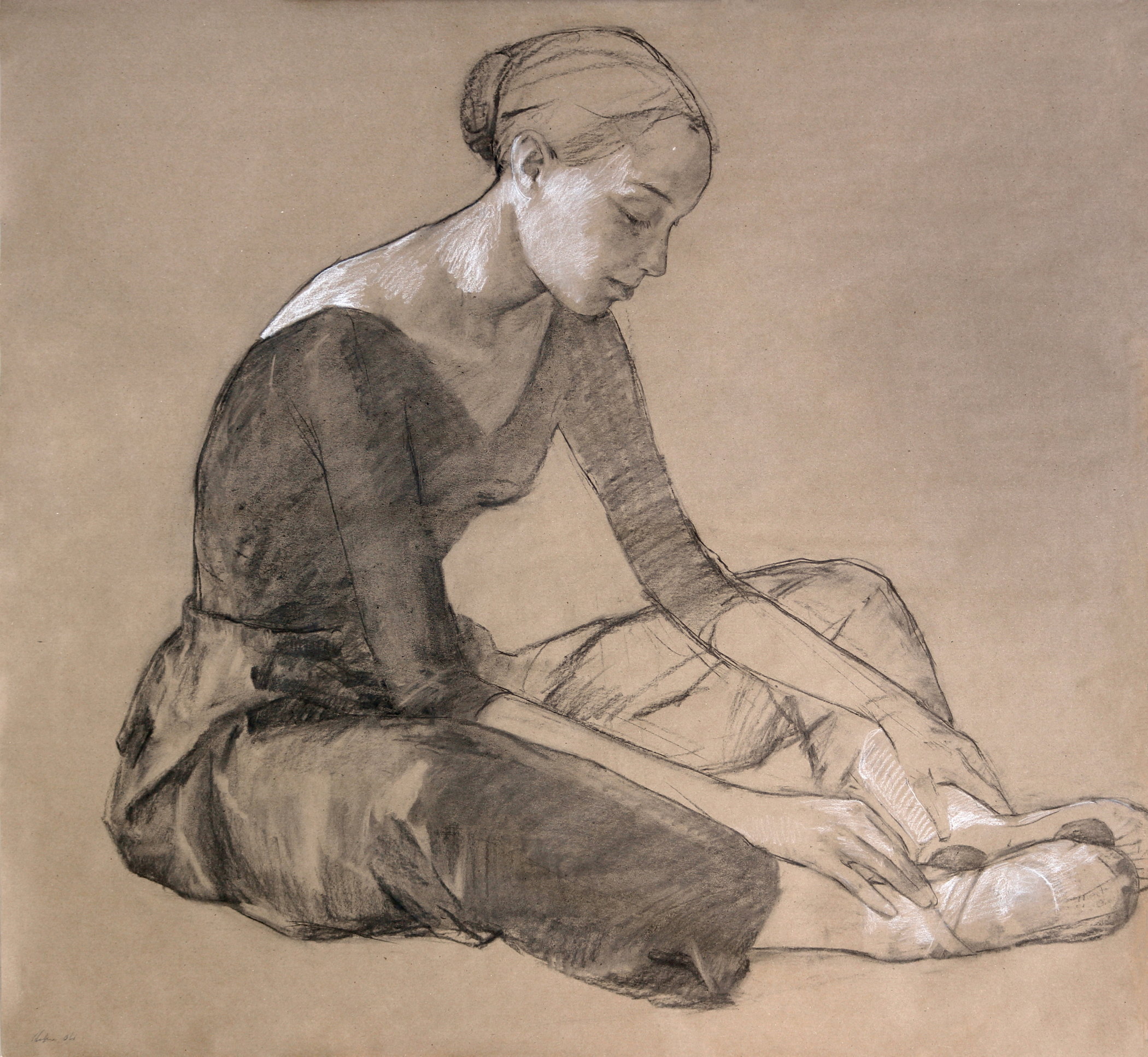
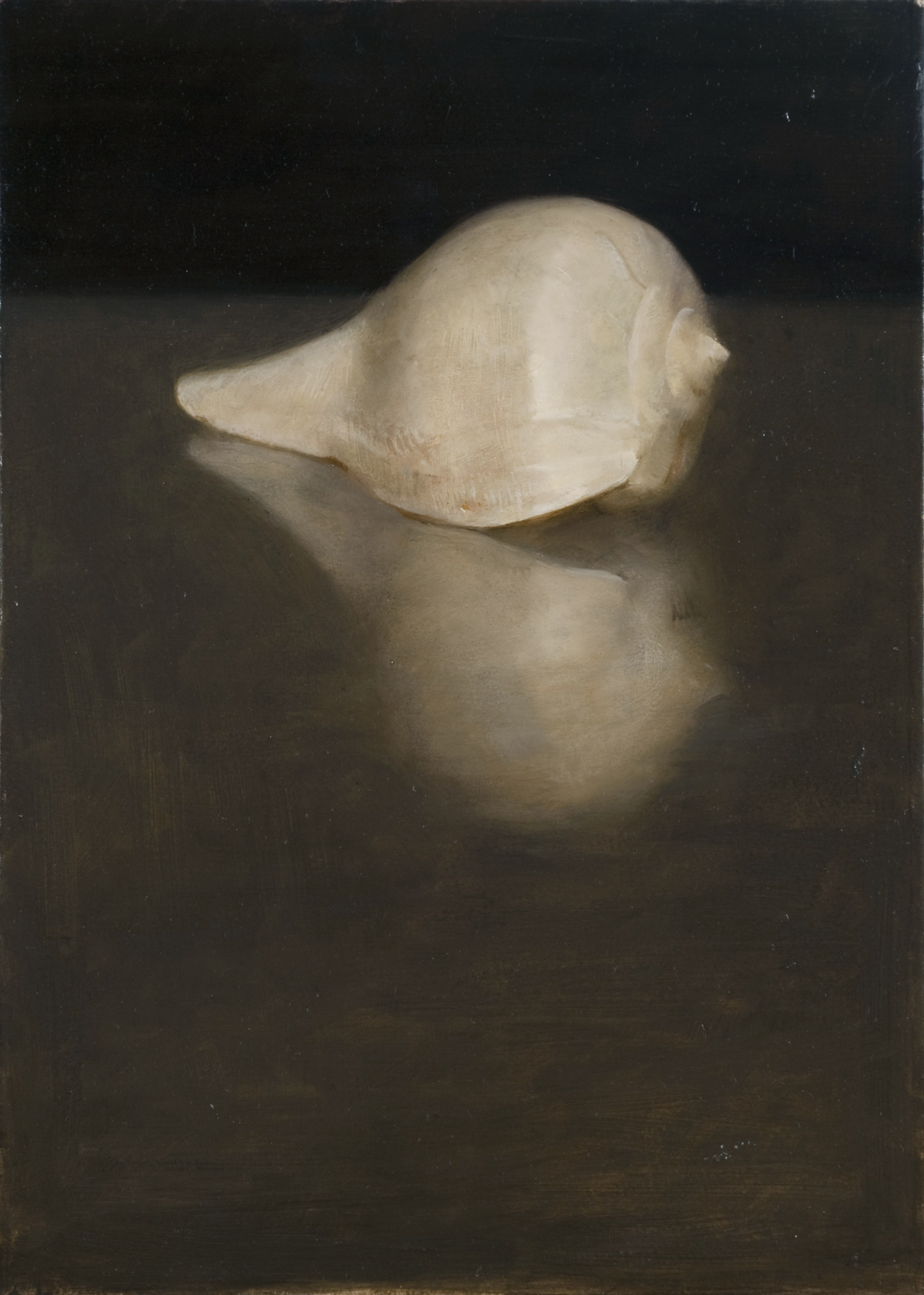
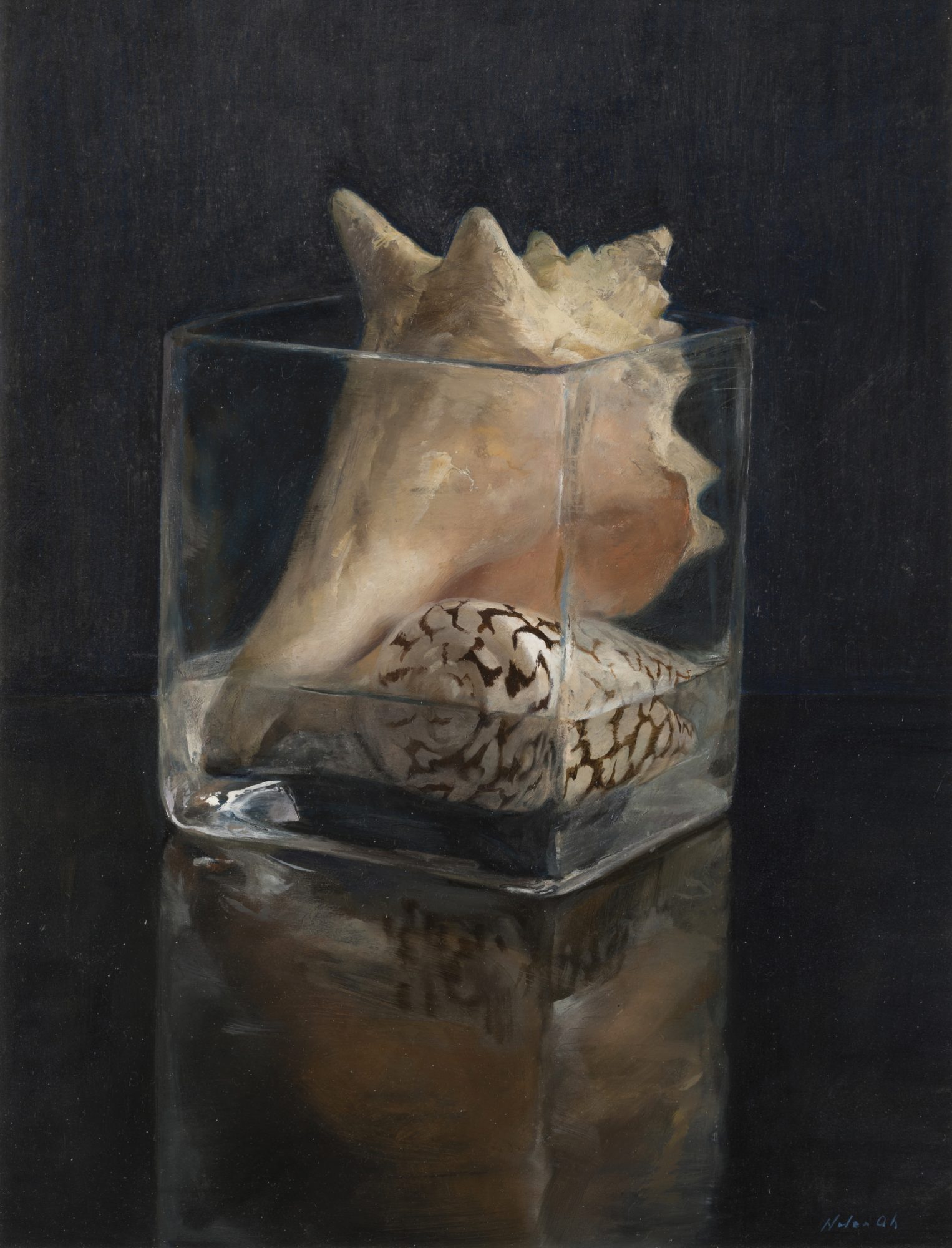
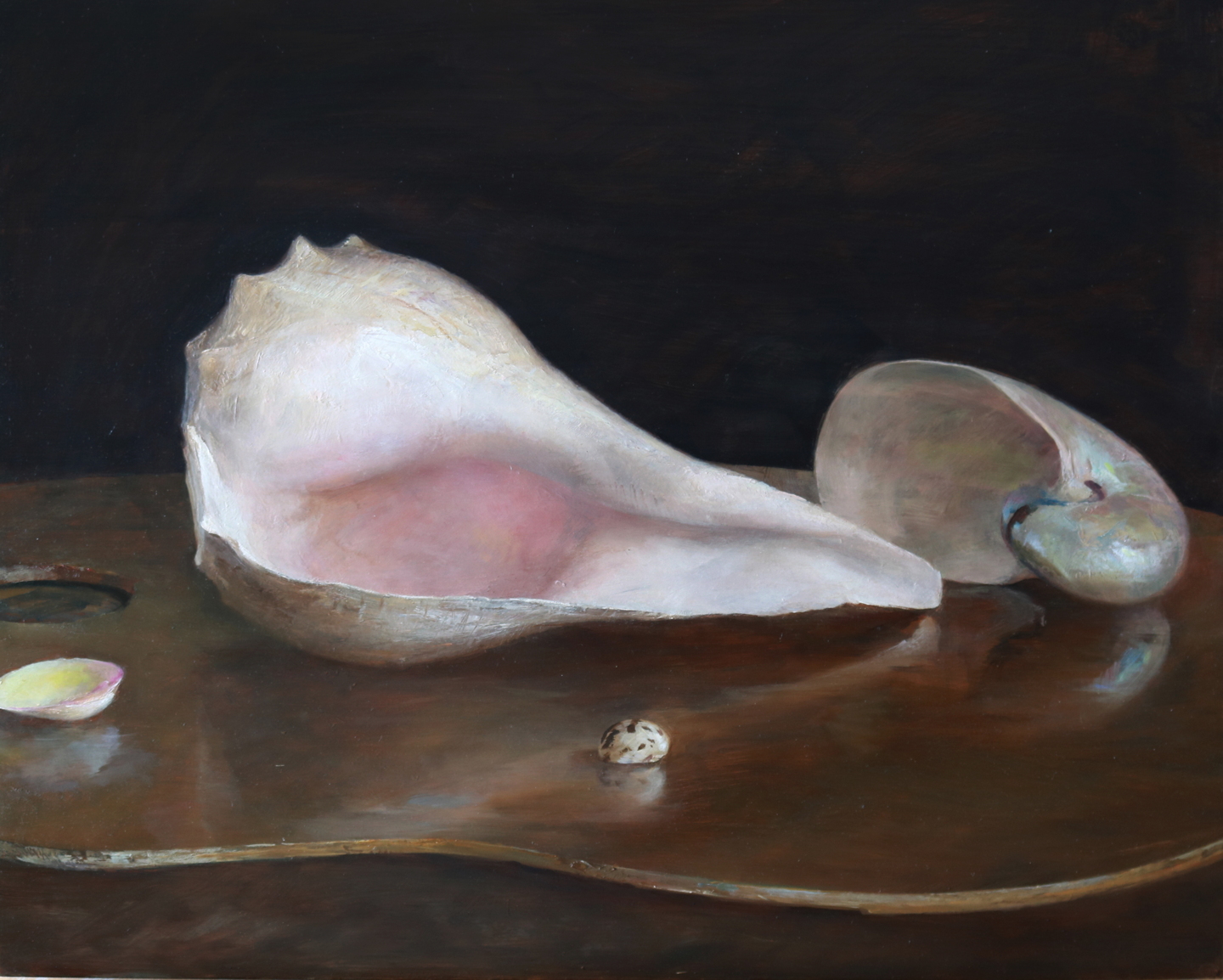
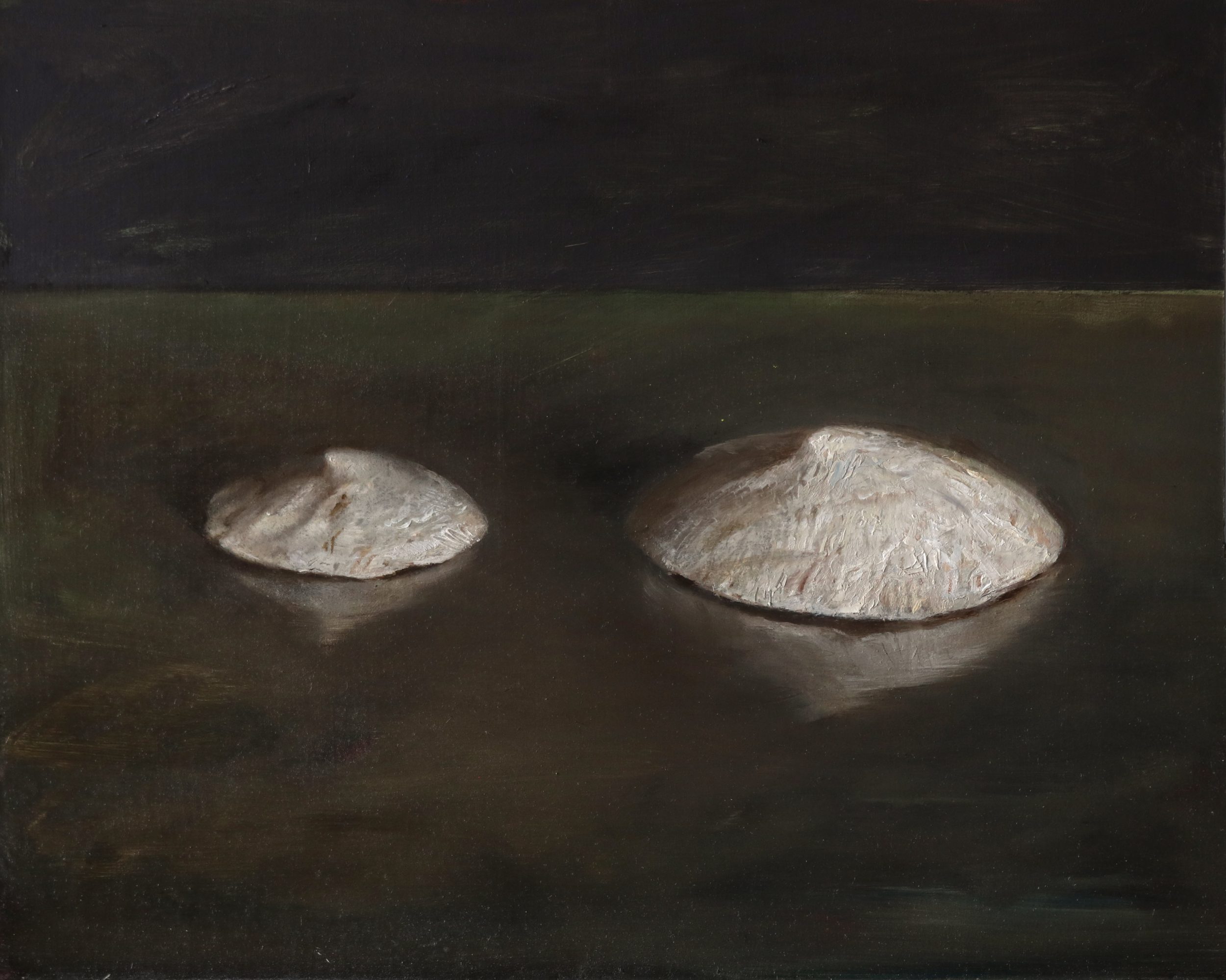
 Image Credit:
James Prinz
Getting in touch: VoyageChicago is built on recommendations from the community; it’s how we uncover hidden gems, so if you know someone who deserves recognition please let us know here.


