



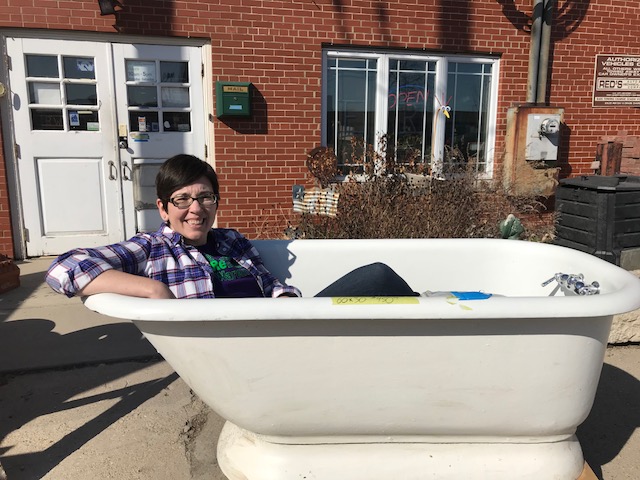
Today we’d like to introduce you to Aina Gutierrez.
Aina, can you briefly walk us through your story – how you started and how you got to where you are today.
I grew up in a middle-class family in a small town in Illinois. My parents worked really hard and while we never lacked food or shelter, things were not always easy. By the time I figured out how to get to college I had decided my one goal was to be rich. So I studied business. Hated it!
I did love my religion classes and went to graduate school to study religious ethics and how everyday folks practice their faith and values in modern America. I thought I would go into corporate work as a consultant (still wanted to be rich), but after moving to Chicago, I found a job at an interfaith nonprofit that needed help on the business side. My degrees finally ended up making sense!
That was 15 years ago. I’ve grown my career to focus on building strong organizations in order to strengthen and deepen their mission impact. A few years ago I wrote a book, Walking the Walk, on how to build an organization based on values for small nonprofits.
The “back office” is critically important, but leaders don’t go into nonprofits wanting to learn about audits or write personnel policies. It often gets lost and then limits their ability to do their work to change the world. My job is to show why building strong organizations matters and how to do it.
In addition to my career, I have a supportive husband, three children, and a cat. I live in Evanston, a wonderfully thriving community, and am active in all kinds of things that I care about. I end each day with a book and a glass of wine.
I’m proud to say that I am rich, but maybe not in the way I first intended.
Has it been a smooth road?
I think it’s really difficult to go to college if your parents didn’t go. We didn’t know about financial aid, loans or other things to make college a possibility. I had to find my own path, which was tough. I waited tables on weekends, was an RA in my residence hall, and checked out textbooks at the library.
But I made it. And thankfully my younger siblings got the same financial aid to attend the same college. That opportunity changed the economic future for our family.
We’d love to hear more about your business.
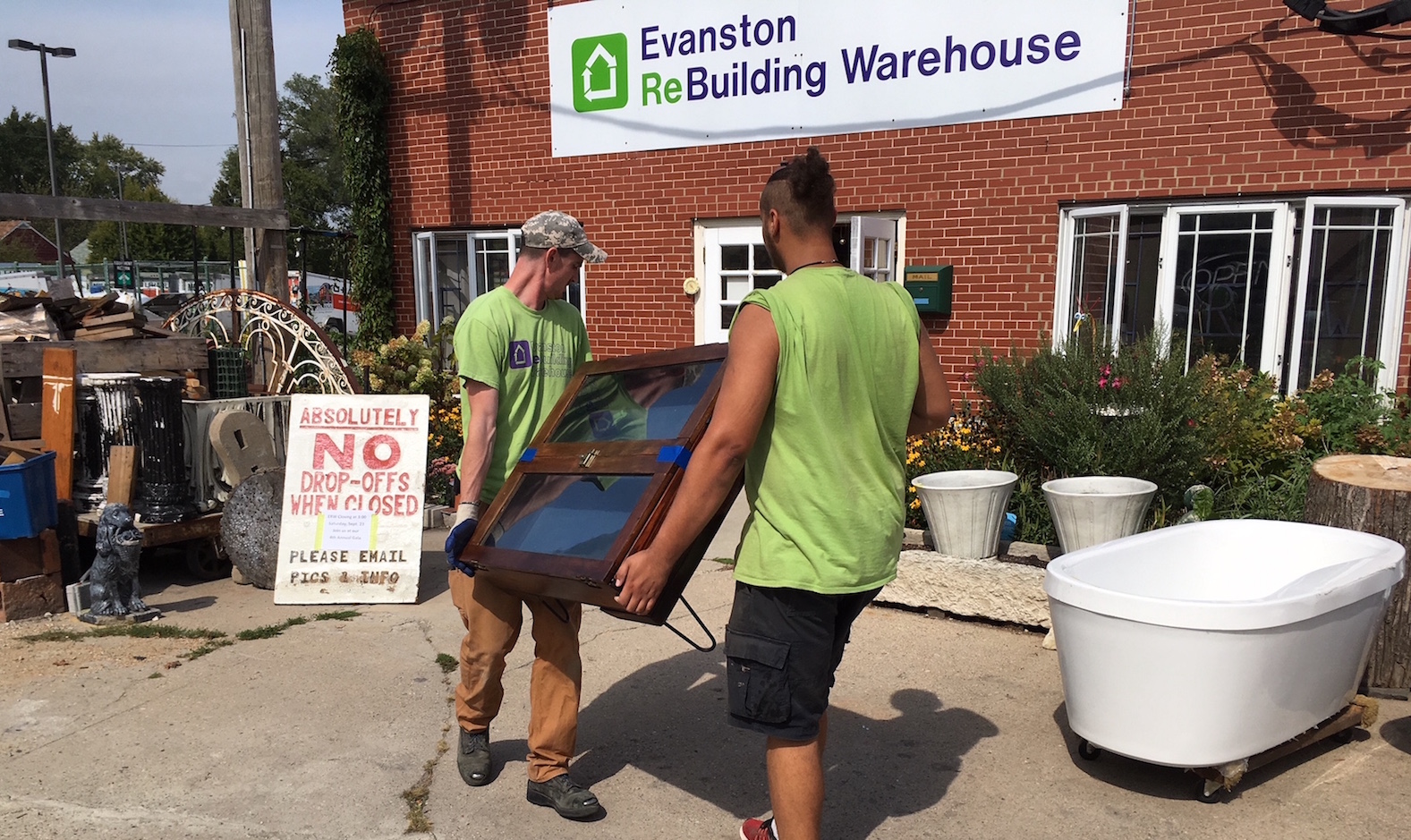
I’m the new Executive Director of the Evanston ReBuilding Warehouse (ERW). We were founded in 2011 to reduce building materials from entering the waste stream, promote reuse, and rebuild lives. We do this in a few different ways:
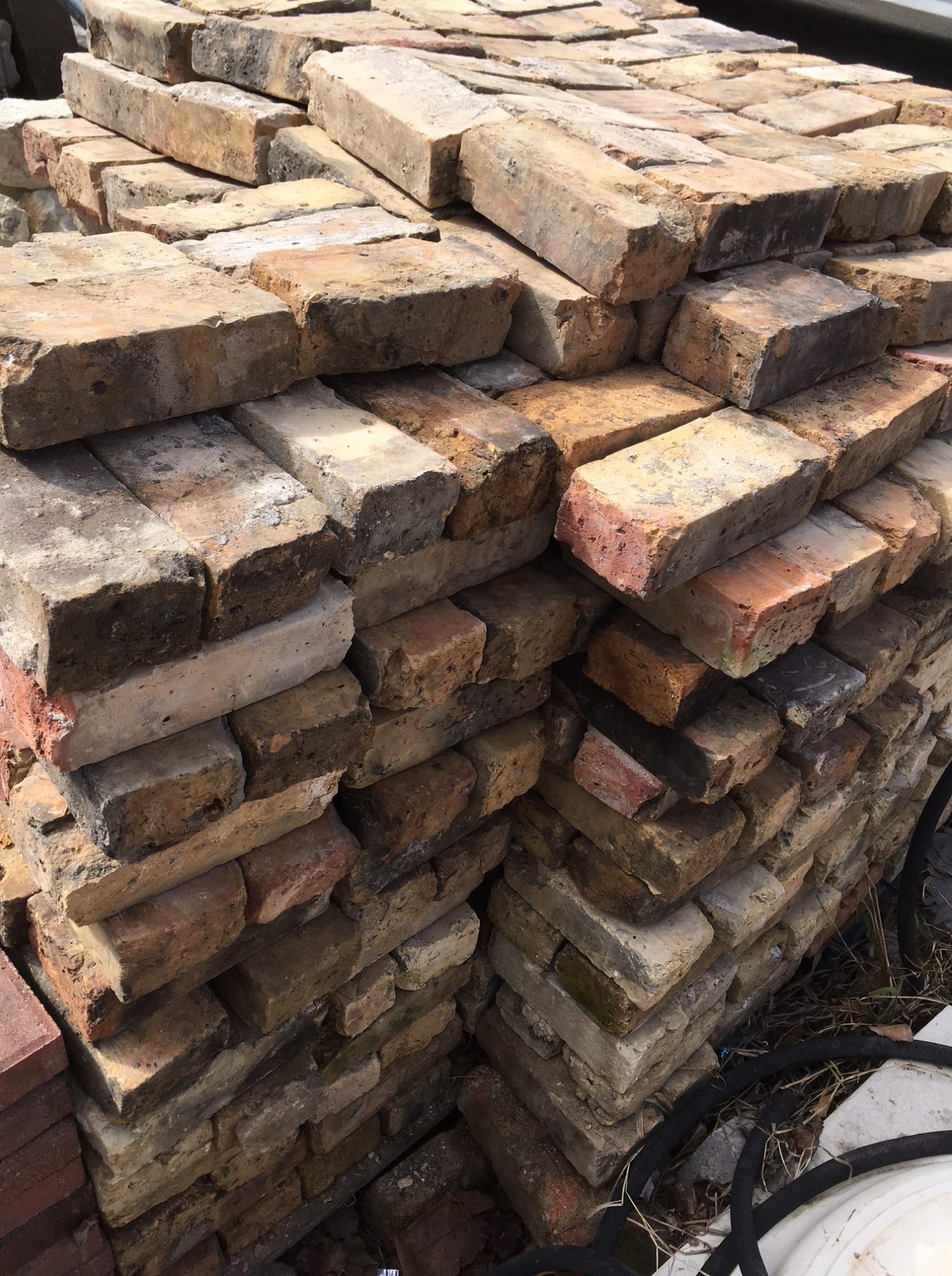
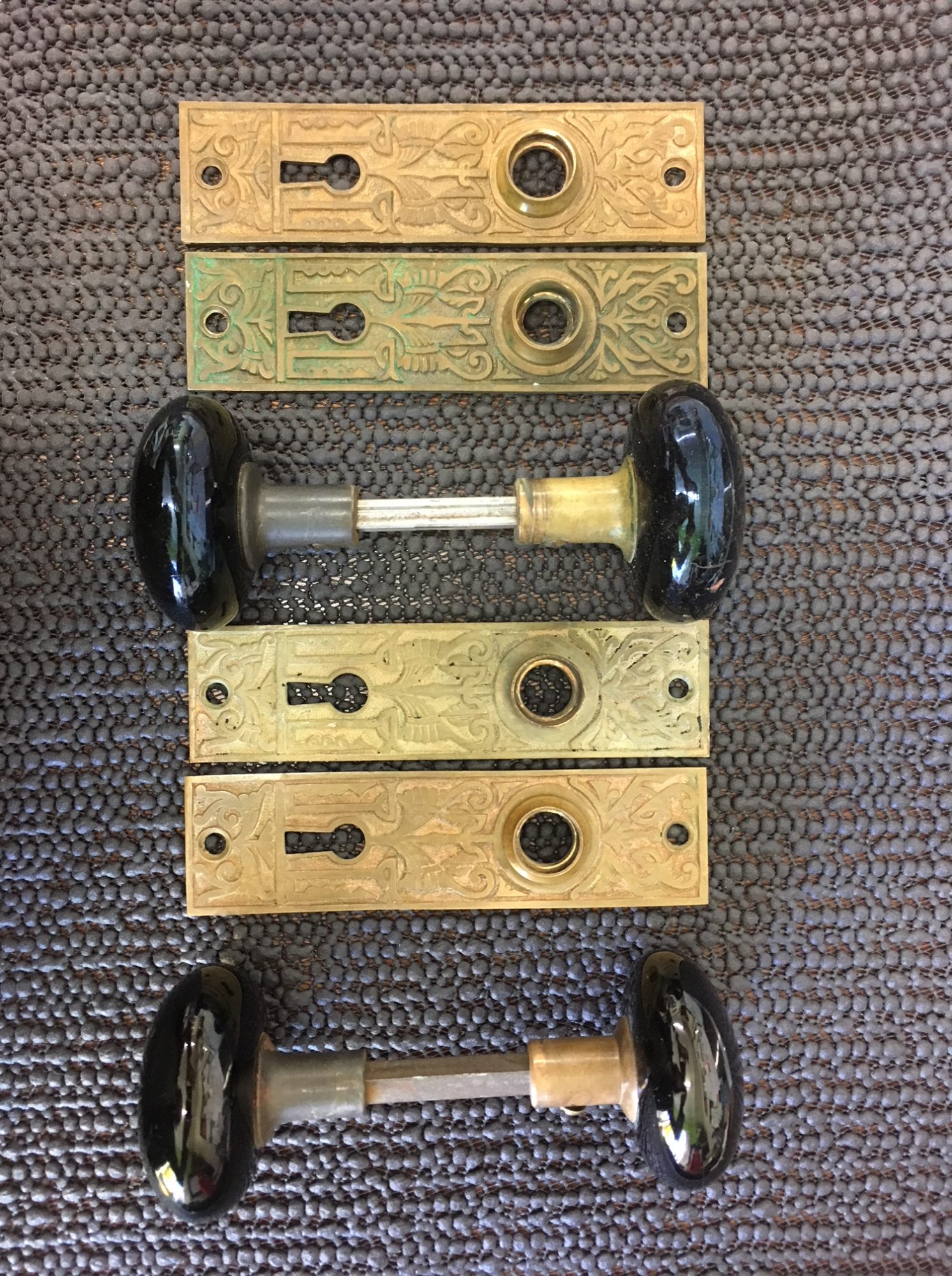
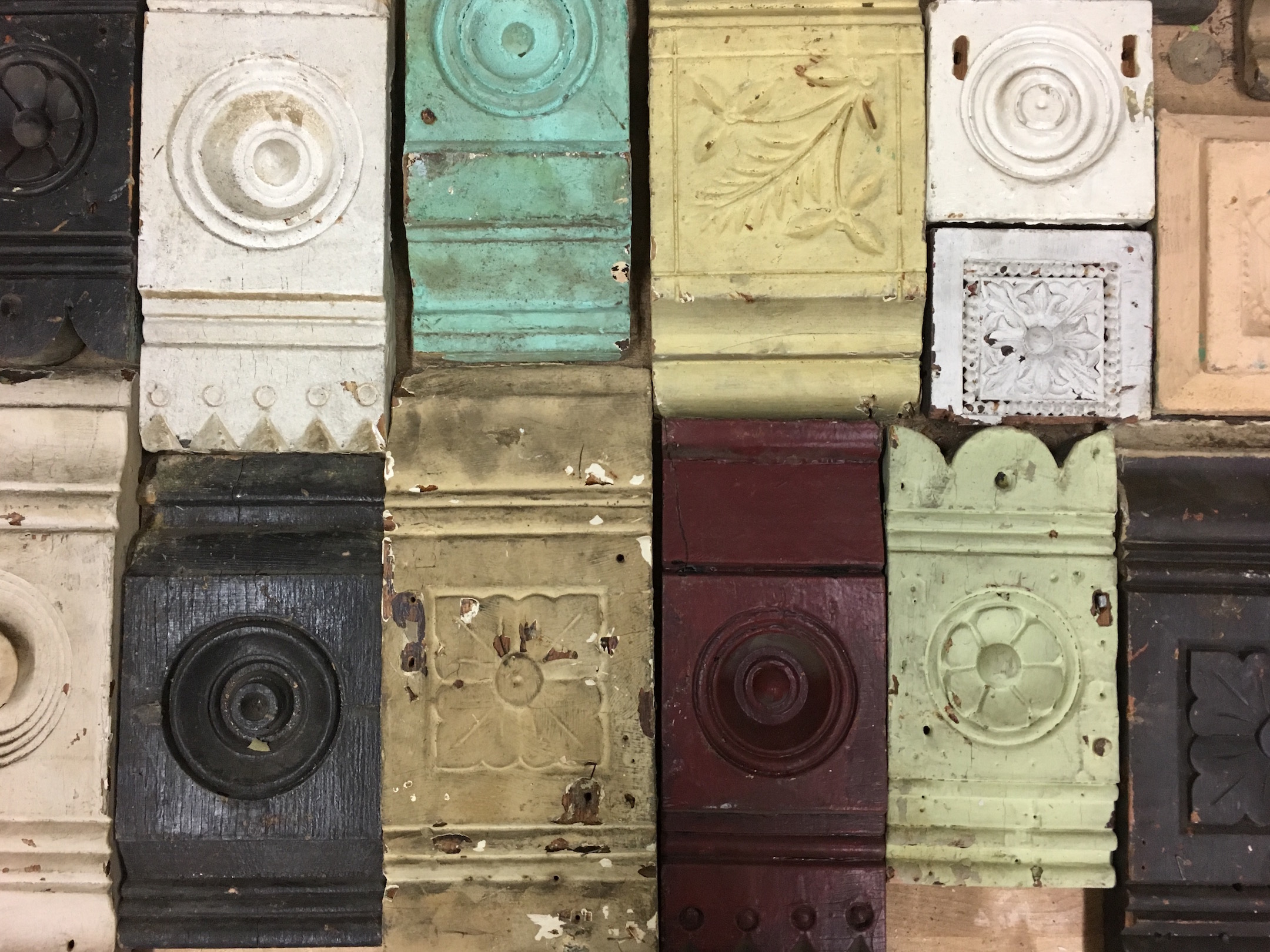
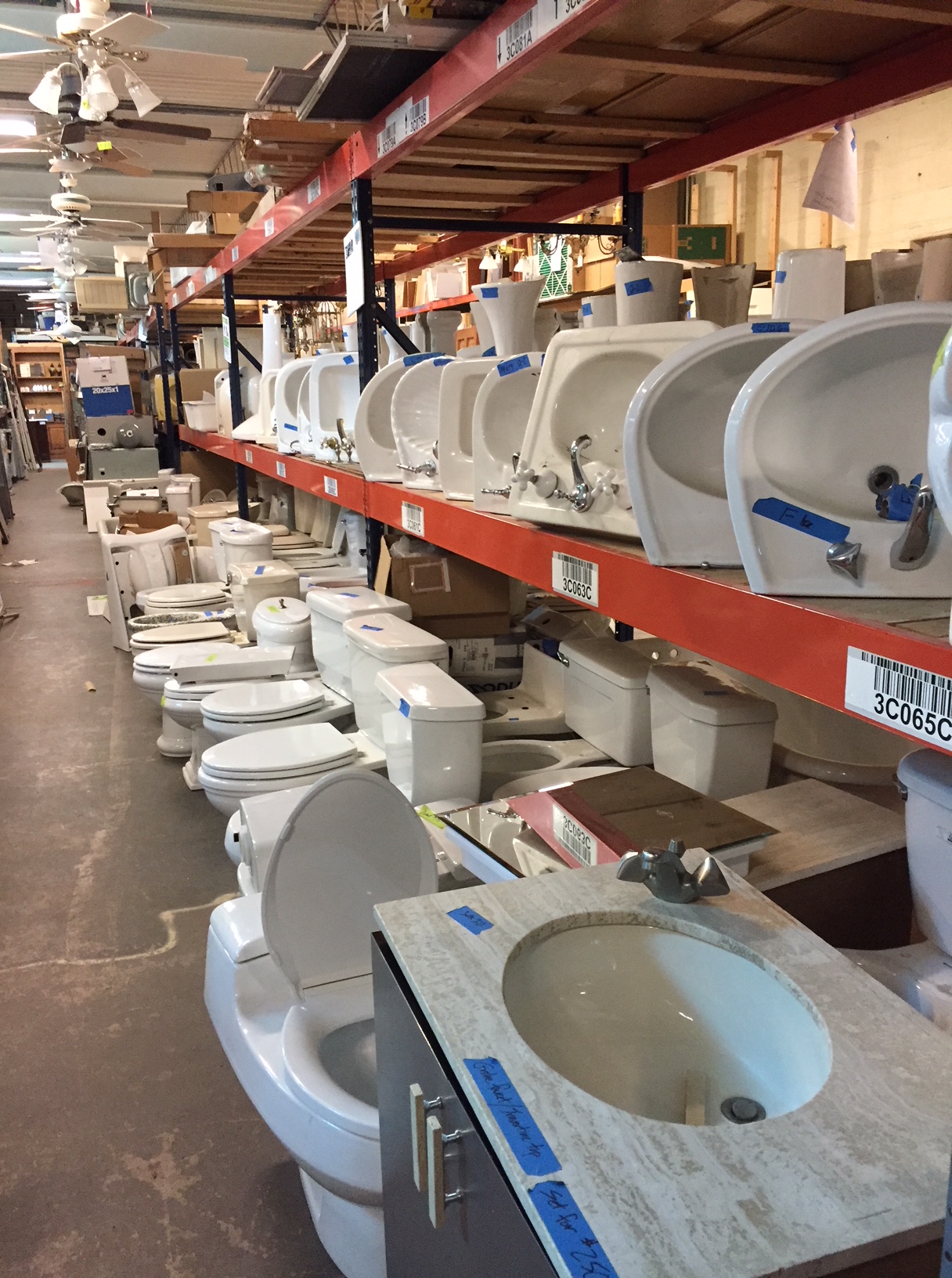
REDUCE – We operate a 13,500 square foot warehouse in Evanston, IL, open to the public and full of donated building materials. We save these materials from landfills and sell them for at least 50 percent below new retail prices to the community. We also offer deconstruction services to contractors and homeowners that want to save their building materials from landfills and donate those materials to the ERW for reuse.
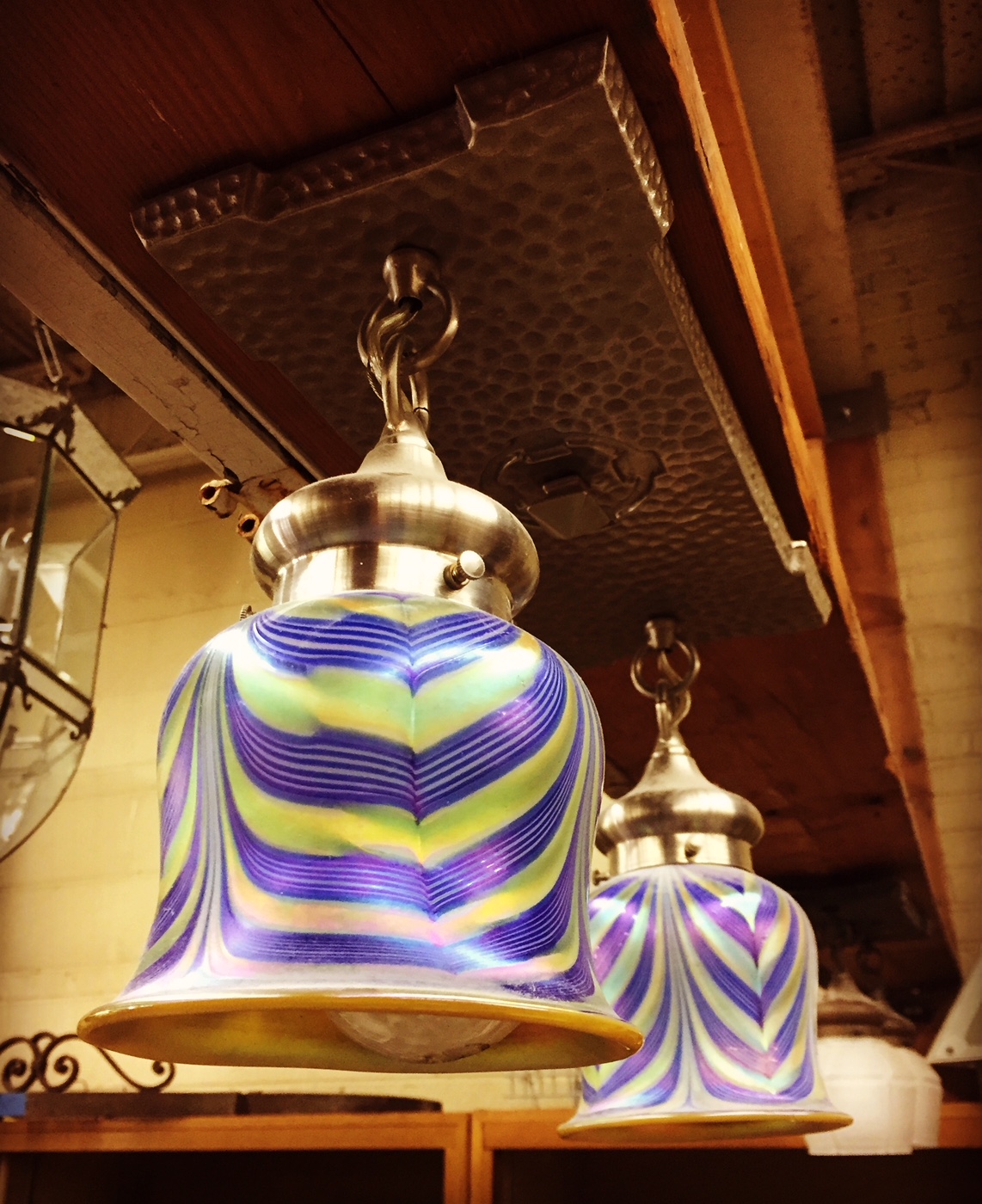
REUSE – Our warehouse promotes reuse by selling high-quality materials that can be reused in a variety of ways – from home renovations to making art. We educate the community on reuse through social media and presence at community events throughout the year.
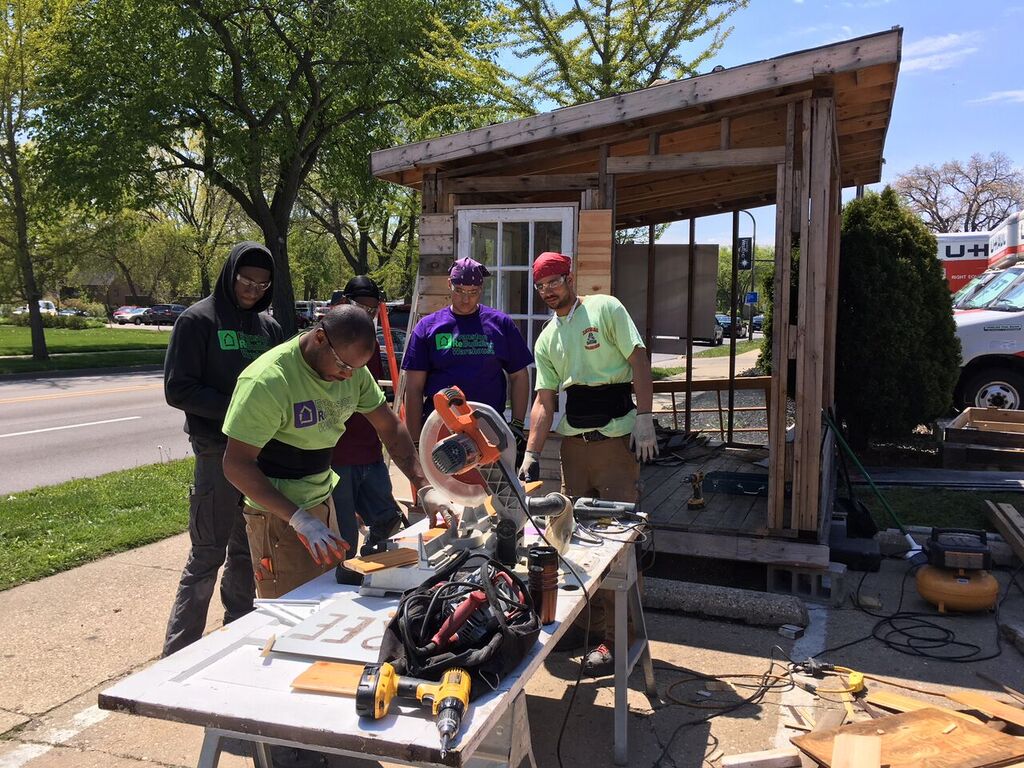
REBUILD – We run a paid workforce training program in the deconstruction and construction trades. We recruit individuals with chronic barriers to employment and provide a combination of classes on job readiness skills, “soft” life skills and on-the-job experience.
We are only seven years old, and I am so proud of how much impact the organization has had in a short period of time. In 2017, we rescued 4,417,940 pounds of materials through our deconstruction services, and our warehouse sold 254,000 pounds of materials that might otherwise have ended up in the landfill. We deconstructed nine whole houses.
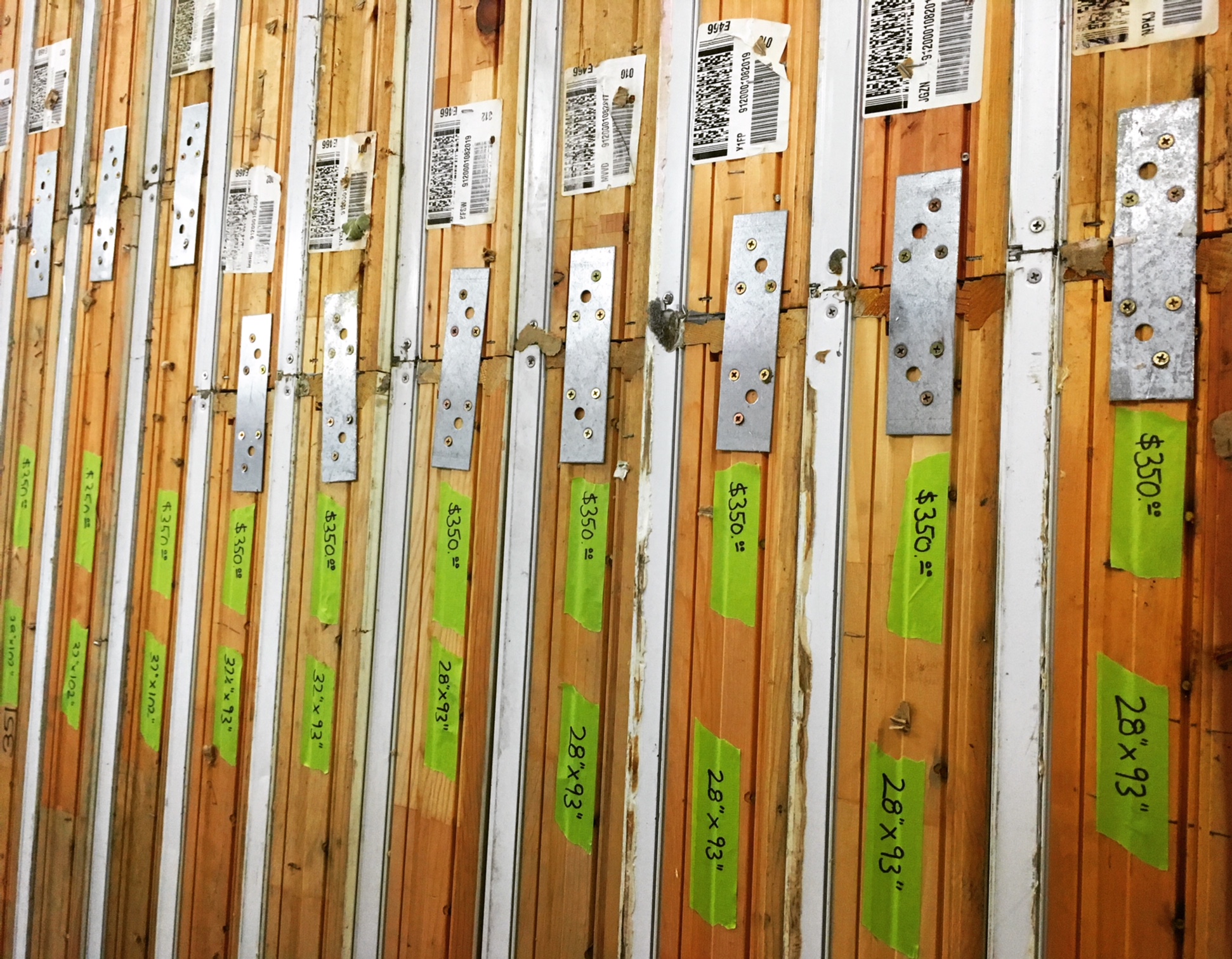
We sold more than 65,000 pounds of granite and marble countertops, 40,000 pounds of kitchen cabinets, and more than 20,000 pounds of doors. That’s a lot of material that has been recycled and reused by our neighbors, and a lot of material that did not have to be trucked to landfills, crushed using heavy machinery, or replaced with new materials that take energy and resources to create.
Is our city a good place to do what you do?
Industry Outlook – Where do you see your industry going over the next 5-10 years? Any big shifts, changes, trends, etc?
I think the ERW is in a great position to grow on both sides of its mission.
On the environmental side, I think climate change continues to be on folks’ minds as a problem. It shouldn’t be 63 degrees in February in Chicago. There’s definitely something going on that we can’t control, but most of us don’t know what we can do as individuals to fix it. I think we will see more people and organizations looking to find ways to reduce the amount of trash we produce and think about reusing items vs. buying new.
On the workforce training side, there’s a labor shortage right now of skilled trades construction workers. These are strong careers with living wages and benefits. I think our workforce training program is in a strong position to grow and train more people. This changes lives for the individuals and their families, but also strengthens our economy and broader community.
Pricing:
- Our 13,500 sq ft warehouse is full of unique reclaimed building materials, selling from 50%-90% below new retail prices.
Contact Info:
- Address: Evanston ReBuilding Warehouse 2101 Dempster Street, Evanston, IL 60201
- Website: www.evanstonrebuildingwarehouse.org
- Phone: 847-864-9246
- Email: info@evanstonrebuildingwarehouse.org
Getting in touch: VoyageChicago is built on recommendations from the community; it’s how we uncover hidden gems, so if you know someone who deserves recognition please let us know here.


