



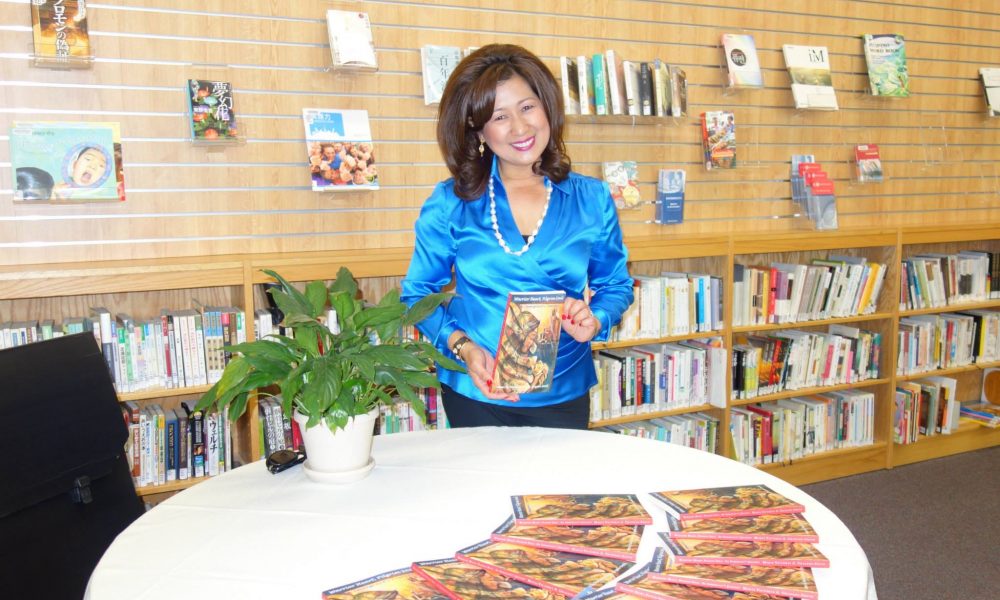
Today we’d like to introduce you to Victoria G. Smith.
Victoria, please share your story with us. How did you get to where you are today?
I was born in the Philippines, the eldest among ten children in a family of modest means. Through full academic merit scholarships and the application of talent and industry, I was fortunate to have been able to transcend the socio-economic limitations that still sadly hold back many of my native countrymen. After graduating among the top students of my pre-law and law degree programs at the University of the Philippines, I practiced law as an associate attorney in one of the largest, most prestigious law firms in Manila, devoting significant pro bono work for indigent clients and other social justice and human rights causes, before later serving as sole female counsel to one of the biggest, best-performing global companies based in Southeast Asia, San Miguel Corporation. It was there that I met an American consultant who was to be my future husband with whom I moved to the United States.
After immigrating to the U.S., I attended the University of Michigan Law School where I attained my Master of Laws degree. However, the frequent international travel required of my husband, in addition to the challenges of a mixed-culture marriage and the responsibility of raising our children—absent the usual support of my network of Philippine family and friends—compelled me to choose to be the at-home parent and prevented me from pursuing a U.S. law career. My desire to apply myself to creative endeavor that did not require me to work outside the home away from my young children led me to rediscover and pursue a childhood passion: creative writing. To this end, my Philippine heritage and law practice years, my history of social justice and human rights advocacy, my immigrant experience, and my family’s travels abroad and frequent moves across the U.S. in connection with my husband’s career combine to lend me a powerful and unique perspective that informs and inspires my writing.
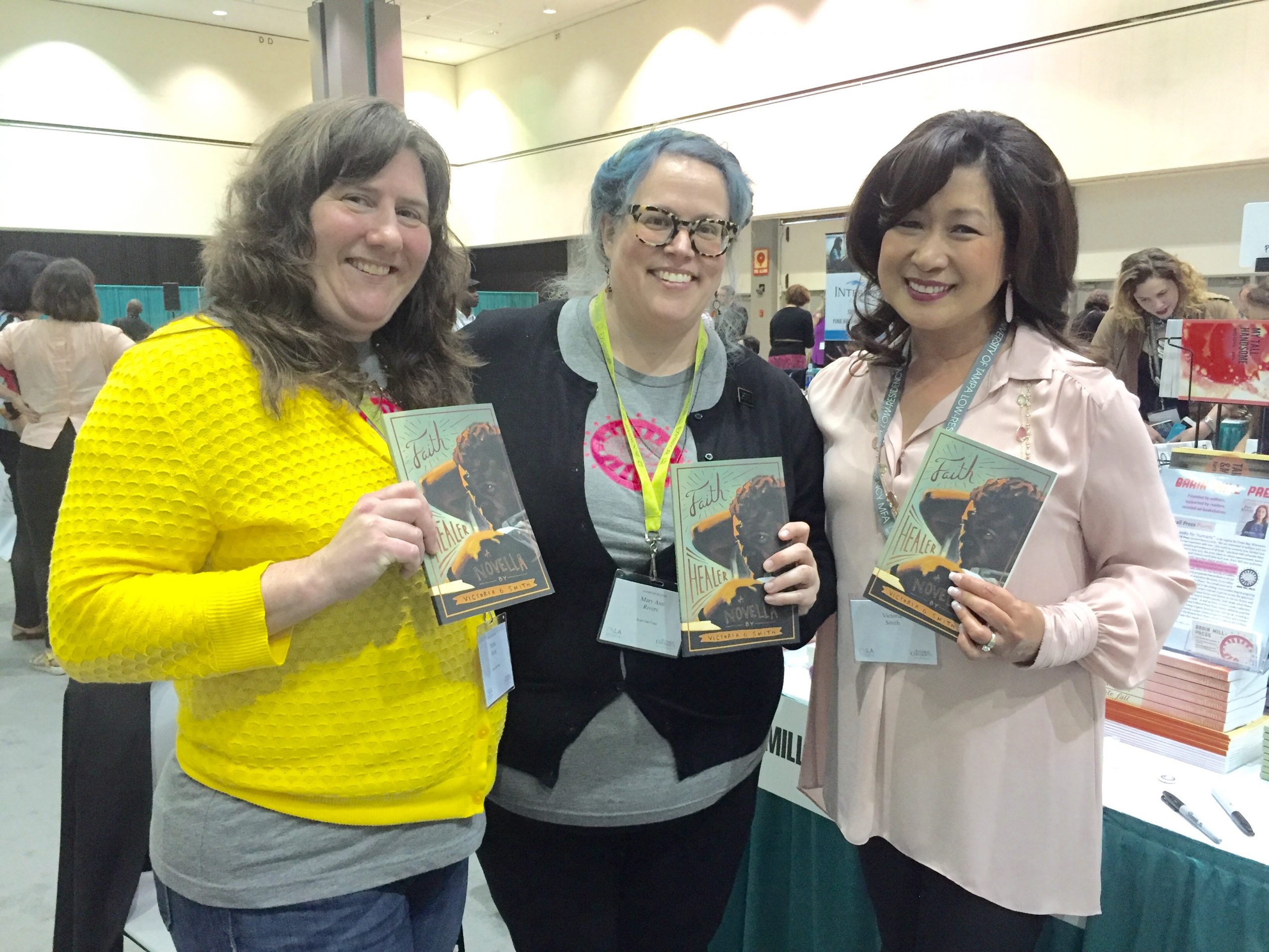
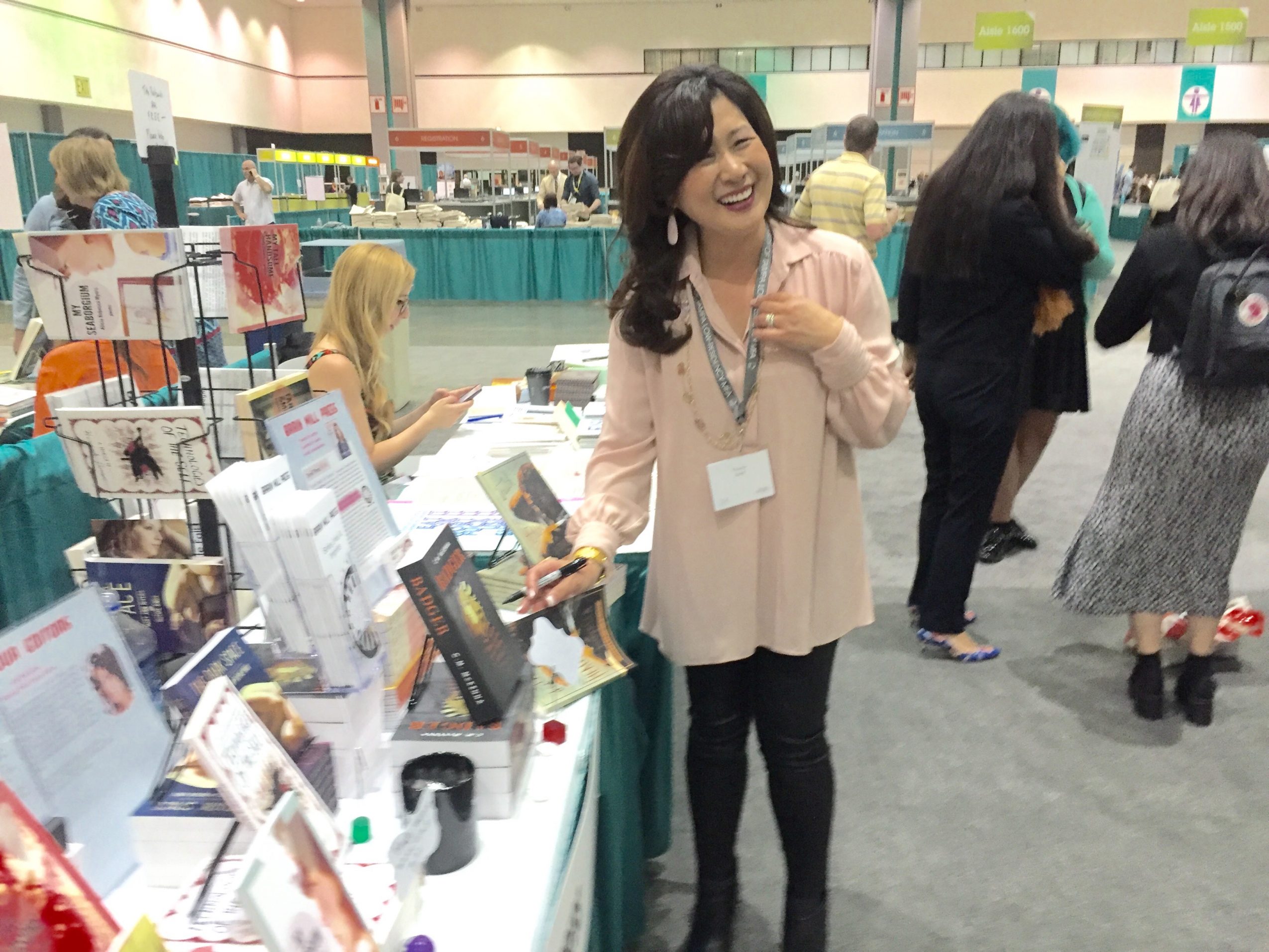
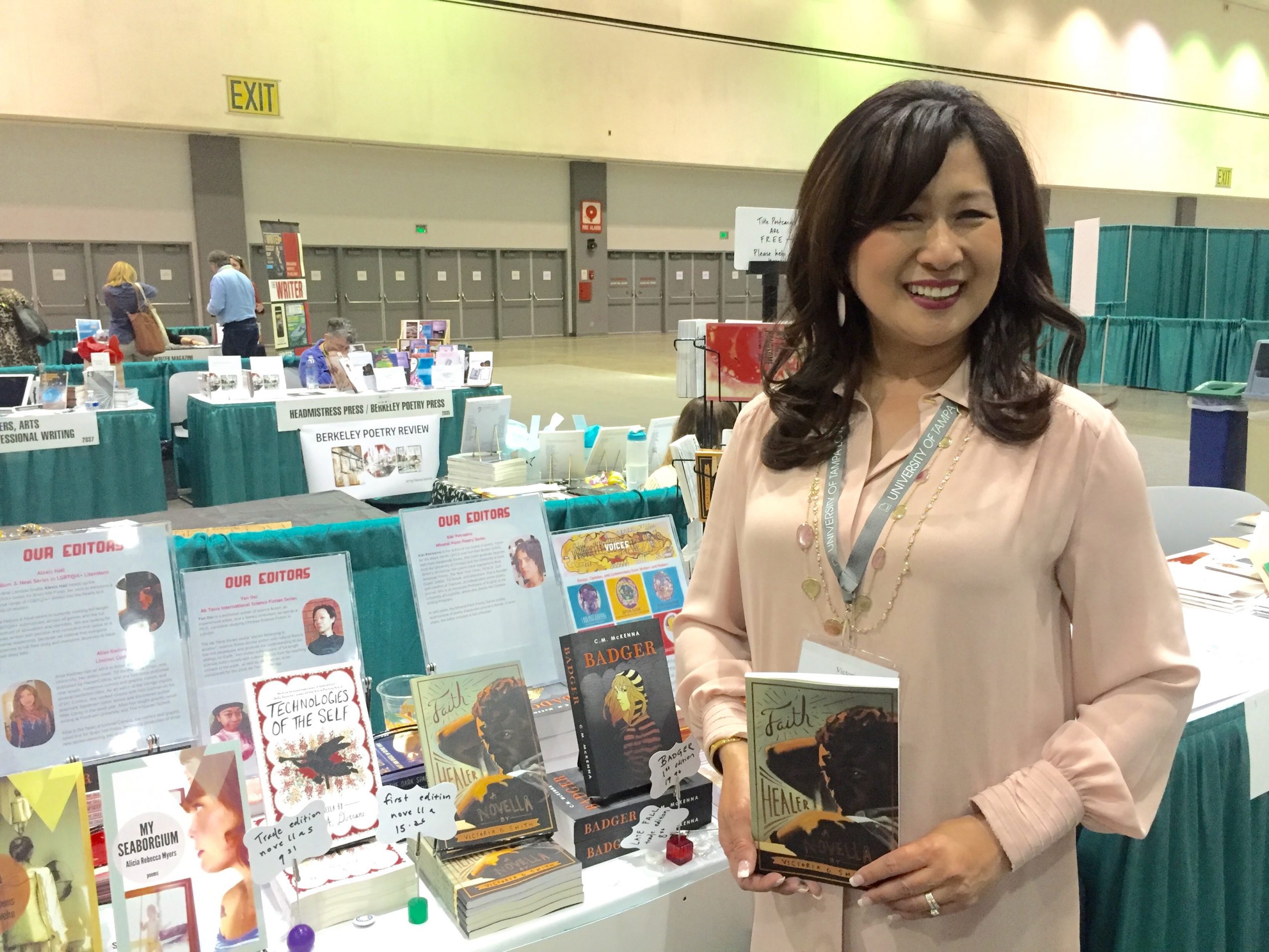
Since reinventing myself as a writer two decades ago, I was again fortunate to have achieved recognition for my work in the multiple genres of fiction, poetry, and creative non-fiction. In fiction, my novella, “Faith Healer”, won the 2015 Driftless Unsolicited Novella Award. As part of my prize, Brain Mill Press published and released “Faith Healer” in March 2016 during the gigantic Association of Writers and Writing Programs conference at the L.A. Convention Center and at an exclusive author event for me the Beverly Hills Public Library. My story collection, “Faith Healer and Other Stories”, was a semi-finalist for the 2015 Elixir Press Fiction Award. My fiction first gained national U.S. recognition in 2004 when my short story, “Portrait of the Other Lady”, won first place in the Fifth Annual Ventura County Writers Club-Ventura Country Star nationwide short story writing contest—the first time I’d entered a writing contest. The short story and an interview of me were published in a Los Angeles-area newspaper (“Portrait of an Award-Winning Short-Story Contest Winner”, Ventura County Star Sunday Arts & Living Edition, November 28, 2004).
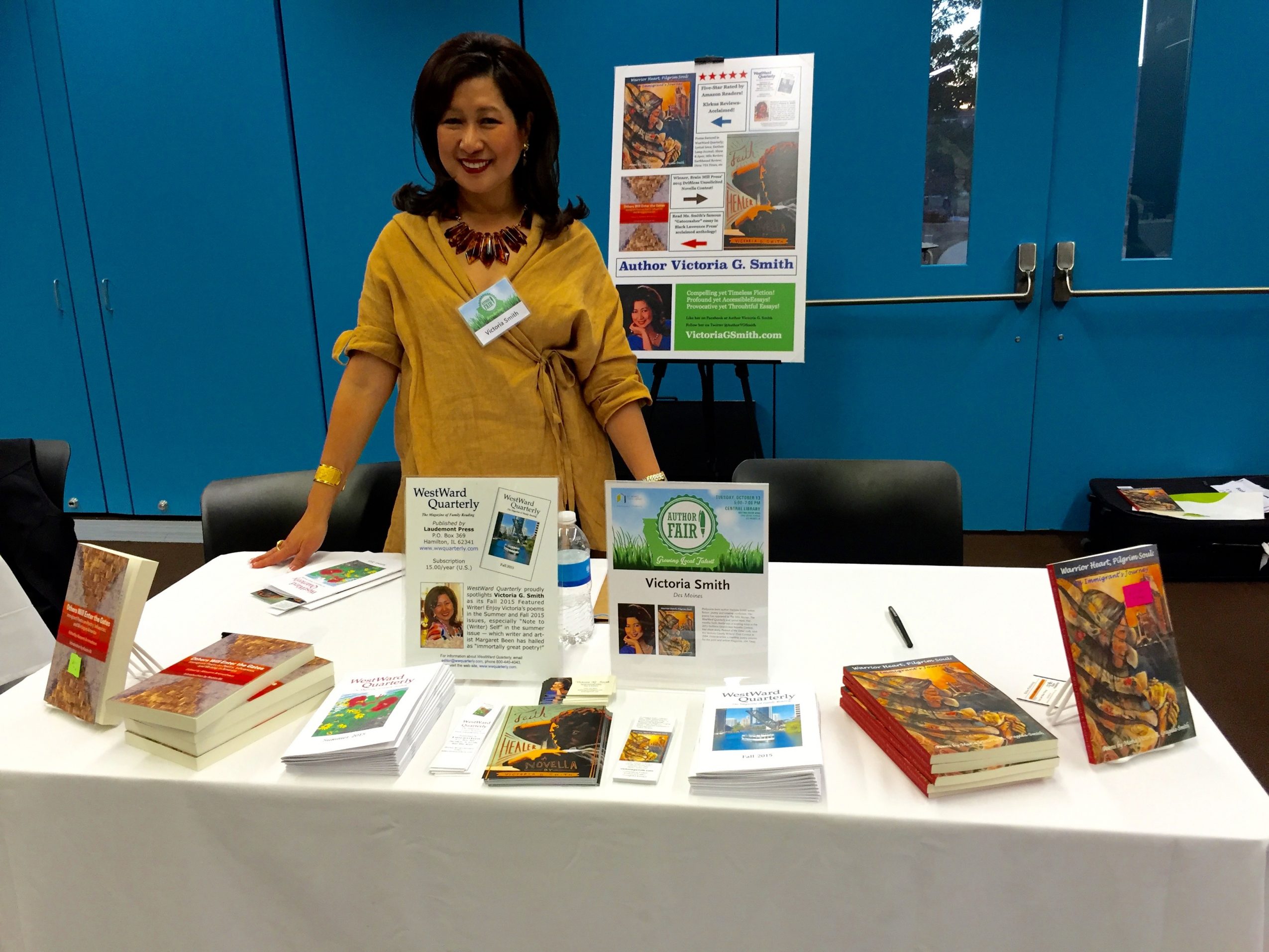
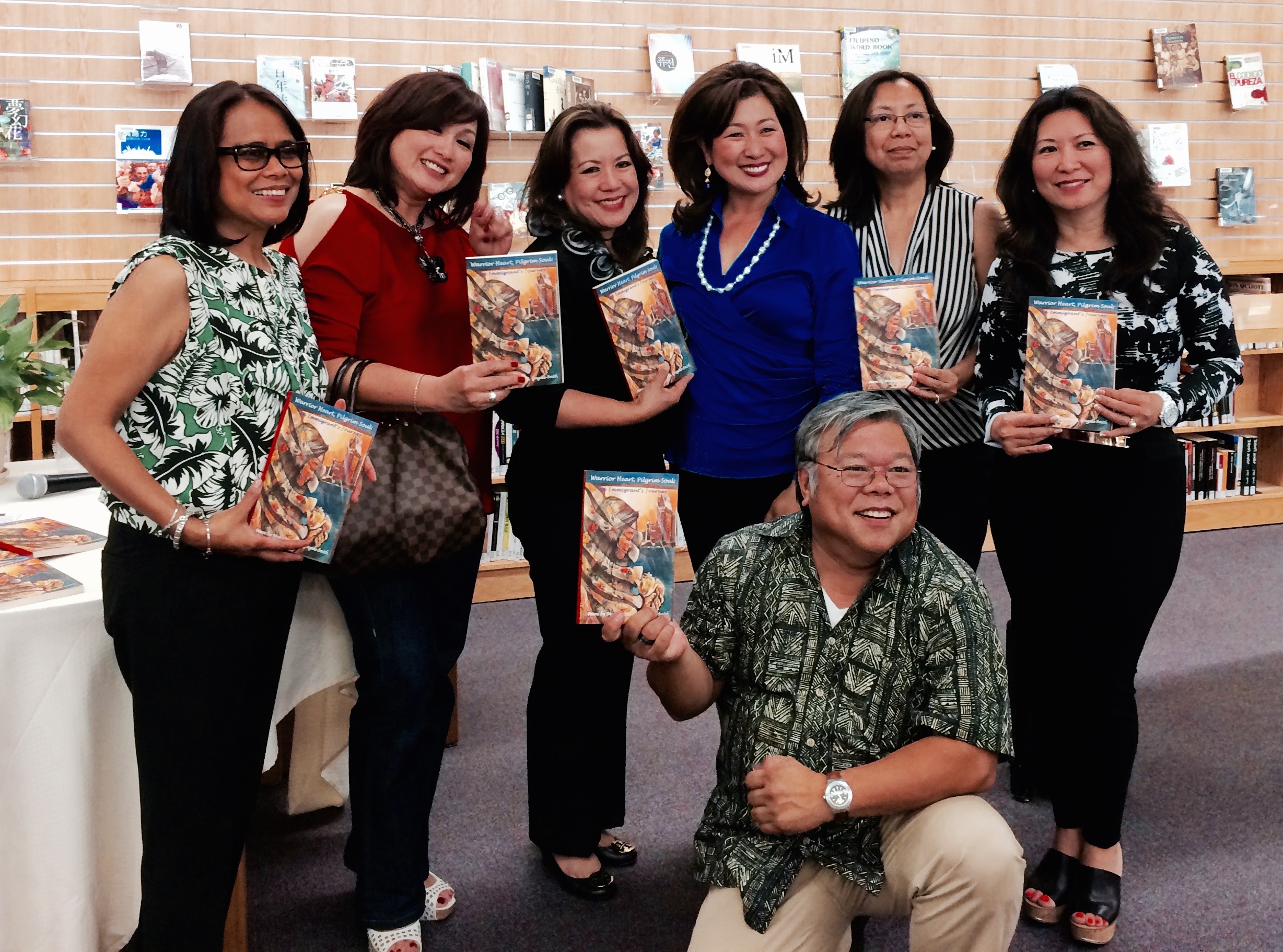
In poetry, my work earned distinction in several recent contests, such as Honorable Mention in the 2016 Crosswinds Poetry Journal International Contest and finalist in the 42nd New Millennium Poetry Awards, the 2016 Knightville Poetry Contest, and the 2016 Edwin Markham Poetry Award. My second poetry collection manuscript, “Mother of Exiles”, was a semi-finalist for the 2017 Able Muse Award. My first book of poems, “Warrior Heart, Pilgrim Soul: An Immigrant’s Journey”, was published in November 2013 under my author name, Maria Victoria A. Grageda-Smith, followed by a series of successful author events sponsored by major city libraries, writers’ clubs, and other educational and civic organizations in the U.S. and Philippines. Kirkus Reviews spearheaded critical acclaim for the collection, describing it as:
“A cohesive poetry collection that… addresses fundamental issues of identity…. boldly address(es) the beauty and ugliness of life …. in grand sweeping language…. readers will delight in…. original perspectives on well-worn tropes…. A forceful poetic expression of art and the self.”
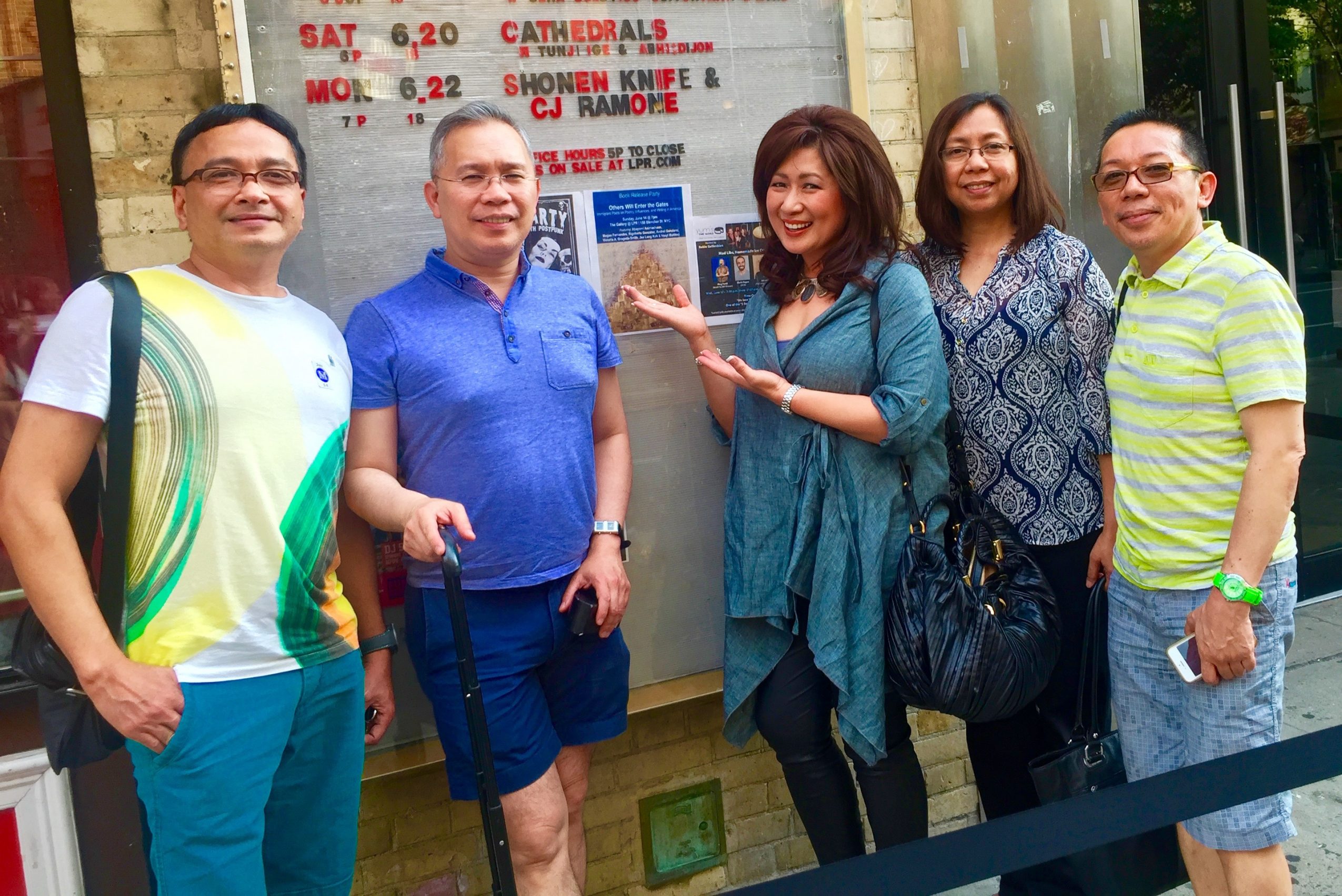
In creative non-fiction, my essay, “Gatekeepers and Gatecrashers in Contemporary American Poetry: Reflections of a Filipino Immigrant Poet in the United States”, was chosen in a competitive submissions process and was published in the 2015 Black Lawrence Press anthology, “OTHERS WILL ENTER THE GATES: Immigrant Poets on Poetry, Influences, and Writing in America”.
My literary work likewise appears in, among others, Crosswinds Poetry Journal, New Millennium Writings, Fifth Estate, Reed Magazine, Voices Journal, Ruminate Magazine, Abyss & Apex, The Milo Review, The Earthen Lamp Journal, The Westward Quarterly, Lyrical Iowa, and Dicta. I also write a monthly column for VIA Times, a Chicago-based news and feature magazine focused on Filipino and Asian American immigrant communities. After having been first featured as a poet at the 2002 Austin International Poetry Festival, I continue to read and perform my poetry in a variety of poetry readings and festivals to-date. I also served as an officer of various other writers’ clubs, conducted writers’ workshops, and managed my own writers’ critique partnerships. In recognition of the power of poetry as an outlet for sharing compelling insight and experience especially for young people, I founded and ran a poetry program for The Iowa Homeless Youth Shelters in 2007-2009.
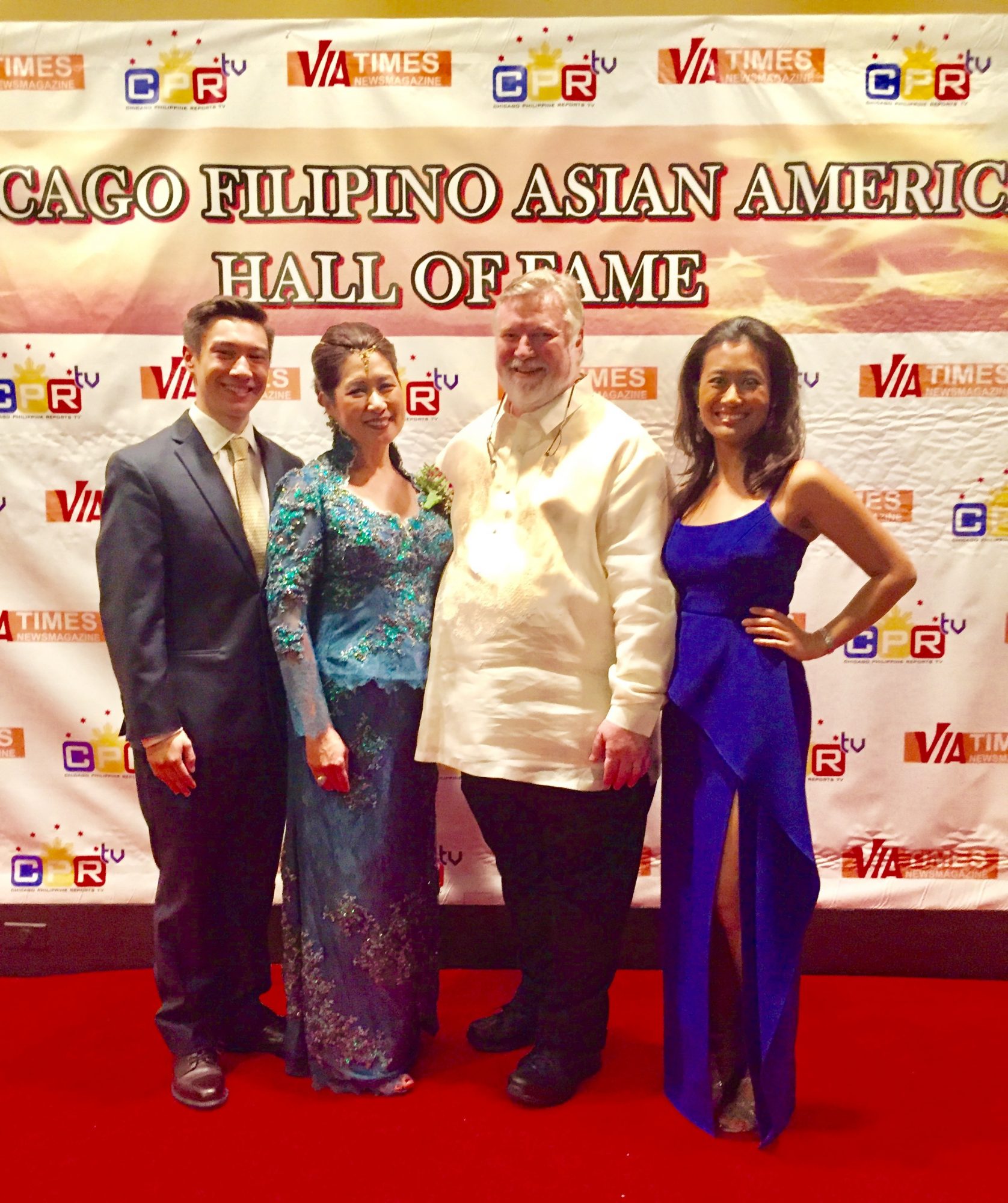
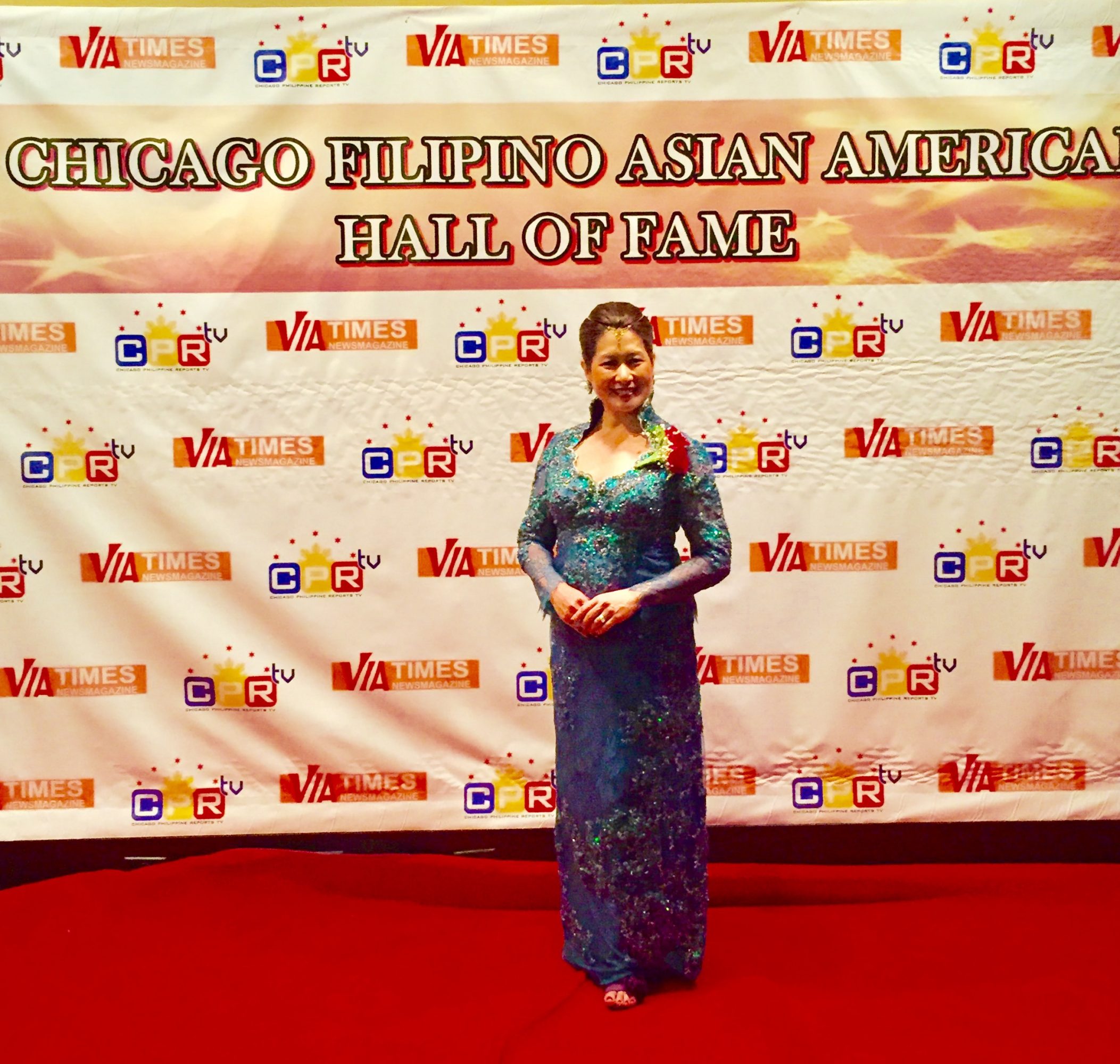
My literary achievements made way for other recognitions. The Philippine Chicago Consulate and other notable Filipino and American organizations and civic leaders nominated me for the 2016 “Pamana ng Pilipino” Philippine Presidential Award for Overseas Filipinos for outstanding literary achievements. In 2016, The Chicago Filipino Asian American Hall of Fame kindly honored me with the Woman of the Year Award. The same group also recognized me with the Outstanding Writer and Community Volunteer Award in 2013.
I am currently writing my first novel, “Gabriela’s Eyes”, a story collection, “Daughters of the Bamboo”, a poetry chapbook, “Incursions of Light”, and polishing my second poetry collection, “Mother of Exiles”. Updates on my literary works and author events may be found on my website, VictoriaGSmith.com; on my Facebook page, Author Victoria G. Smith; and on Twitter @AuthorVGSmith.
Great, so let’s dig a little deeper into the story – has it been an easy path overall and if not, what were the challenges you’ve had to overcome?
No success story follows the arc of a smooth road. That’s just life. The road to hell is paved with good intentions, just as the road to success is paved with hellish obstacles.
Like I mentioned in my personal story, I was derailed from pursuing my law career in the U.S. by the challenges of raising children in a setting where getting reliable and affordable childcare was a systemic problem and where one’s spouse’s career required him to travel almost 100% of the time which, combined, worked to compel me to choose to be the 24/7 parent my children needed. As an immigrant, I made a calculated choice: between my husband’s career and mine, my husband’s was the one already established in the U.S., and fortunately for us, provided enough income to cover our family’s basic needs. I, on the other hand, had to start from scratch, and would most likely hardly earn enough in the beginning years to even pay a nanny. Thus, like most immigrants, I had to be pragmatic. The choice was clear for me: it was my career that had to be sacrificed.
While I’m thankful I’d experienced having a profession (as a lawyer) outside the home before I got married and immigrated to the U.S., this gratitude did not stop me from also regretting that despite having trained for, and expended precious time and resources to achieve a profession outside the home, having kids did tie me down to the home eventually. And although it’s true I always say it was my choice to stay at home to raise my children, it’s also true that at that time there really was no other reasonable choice for me based on our family circumstances and resources then. Most middle-class couples like us faced the harsh reality that if both spouses were to work outside the home, one of them would practically be working only to pay for childcare’s cost—the quality of which we had little control of. I must admit that when it came to my young children, I was a control freak. I wasn’t ready to gamble away that responsibility to strangers.
The bottom line is this: Unless women are given the financial freedom to make their own choices, such choices aren’t truly free. It’s high time human society found a genuine and realistic way to support, compensate, and equalize the playing field for women—who, by reason of their anatomy and society’s built-in biases, have been almost wholly bound to the sole function of being humanity’s life bearers and caretakers—so that women might gain a real opportunity, not necessarily at having it all, perhaps, but at the least, having a reasonable chance of juggling it all, yet still be able to stand solidly on their own feet. The high cost of trustworthy childcare lays bare society’s lip service to women’s equality with men as just that: a facetious though romantic tribute to a principle practiced more by its denial than its realization.
But I’ve always been one to make lemonade out of the lemons in my life. While being a 24/7 parent did feel like 24/7, there were also a few blocked segments of my day when I was tied down to mostly just waiting—waiting for my children to get out of school, arts and sports lessons, playdates, and rehearsals, in addition to late nights waiting for the laundry wash and dry cycles to get done. In the beginning, I occupied that time by doing a favorite pastime: reading. But then all that reading inspired me to remember another favorite hobby of my youth: writing poetry and stories. Thus, it occurred to me all that free time was a gift to me, after all, and that it was up to me to decide how to use it. I decided to use it by pursuing my childhood love for creative writing.
Twenty years hence, luck proved again to be on my side. Almost everything I wrote during those two decades I was raising my children have been published in recent years, some even winning awards. Truth is, however, luck accounts for only half of it. There were the countless long, hard days and nights I’d labored and obsessed over every single choice of word, syntax, and setting. Then there was the experience of being seen and treated like an outsider writer—for a few reasons, not the least of which, I highly suspected, were that I was focused on writing about the immigrant experience and historical periods and cultures to which many Americans appeared apathetic, and that I could not credit myself with having graduated with an M.F.A. in writing from any U.S. or any other graduate school, and thus lacked that support network that was available to alumni of such programs—until some brave, independent publishers finally began to recognize and support what I was attempting to say and do through my writing by publishing it (sometimes even compensating me with a cash award), which in turn paved the way for a wider readership to access my works, thereby building greater appreciation and recognition for my creations.
And what do I mean by being an “outsider writer”, you might ask. I described this experience extensively in my essay, “Gatekeepers and Gatecrashers in Contemporary American Poetry: Reflections of a Filipino Immigrant Poet in the United States”, that appears in the 2015 Black Lawrence Press anthology, “OTHERS WILL ENTER THE GATES: Immigrant Poets on Poetry, Influences, and Writing in America”. In a nutshell, it’s basically struggling for inclusion and validation of one’s voice and work in a literary world largely defined by a mono-culture of writing and publishing shaped by multiple forces consisting mainly of an albeit liberal-leaning education nonetheless inherently seen from the dominant perspective of what I call the WCC (the white, Christian conqueror), and if not solely of the WCC, then one almost exclusively cast within the traditional dynamics of American black-white racial tensions (ignoring the fact that the world is a lot more colorful than that, and could no longer be viewed merely in black and white), before being manufactured into a literary consumer product conveyed by a mainly entertainment-and-profit-driven publishing industry.
All good writers have their equal share of rejections. But not all rejections are made equal, as most good writers know. It is one thing for one’s work to be rejected because it’s not good enough; it’s another for one’s writing to be described as “beautiful” and “wonderful”, even “excellent” and “outstanding”, but sadly not fitting into what the publisher wants or usually publishes. I had had a long run of the latter rejections. For a while, I flirted with the temptation to conform my writing to what I thought mainstream U.S. publishers wanted. I even repeated the mantra in many of my writing workshop sessions to write primarily to “entertain” the reader, to satisfy mass appeal and stay mainstream, more than creating what one was inspired to write.
Trouble was, what was “mass appeal” and “mainstream”, even the very concept of “beauty” in the U.S. was changing, along with the country’s changing demographics. I had a crisis of identity which compelled me to face my demons and look deep within myself for answers, and as a result, learned what it really meant to know, love, and be true to one’s self. I discovered that success was not achieved by—and please forgive me for lack of a better word—“pimping” one’s voice to the flippant merchants of the literary world, but by courageously standing by one’s unique and authentic voice, no matter how different, strange, or even offensive it might be to others. In other words, I learned the age-old lesson of bravely marching to the beat of one’s drums. It was when I redirected my writer’s path to this latter direction that I achieved my first wave of genuine successes.
Please tell us about Author Victoria G. Smith.
I am an author writing in the multiple genres of poetry, fiction, and creative non-fiction. I am in the business of focusing on experiencing the human condition through the medium of storytelling and other literary modes of expressing the human imagination. I prefer however to look upon my occupation as a passionate vocation, rather than a business—to count as success how faithfully one is able, by one’s writing, to draw the truth out of the imagination. In this, I know, I remain a dreamer, knowing that all reality is built on dreams.
What sets me apart from other writers is the unique totality of my life experiences that informs and inspires my writing, and the singular voice thus created within me. Among these experiences are those of my Philippine heritage and law practice years, my history of social justice and human rights advocacy, my immigrant experience, and my family’s travels abroad and frequent moves across the U.S. in connection with my husband’s career. In many ways, my life has been a paradox, having lived a duality of truths that enable me to appreciate a nuanced perspective more than perhaps what most people have been allowed to be capable of, such as in my experience of growing up poor in the Third World, and then reaching, by my and my husband’s application of our natural talents, intellects, education, and industry, a stature of socio-economic leadership and affluence in the seat of the First World—America; fighting against regressive American foreign policies in the Third World, and then becoming an American citizen living the realities of the ordinary American’s life, pledged to the universal human rights enshrined in the U.S. Constitution.
Other contradictions make for an interesting mix within me: Being born with a passionate artistic temperament prone to zealous advocacy, while having professionally trained for the even-keeled logic of a lawyer’s mind; having been raised a conservative Catholic, and now fully seeing how religion—any religion—can, indeed, be the opium of the people and how many crimes against humanity are often committed in the name of someone’s god; and last but not least, that by blood and cultural heritage, I am both of East and West, Asian and American, and yet feeling I do not completely belong to either. These are the conflicts that actively clash within me as I devise characters and plots in my stories and choose which aspect of the human experience to focus on in my poetry. These are the demons that won’t release me until I release them as the written word. These are what make me a unique writer.
The question that confronts me every time I sit down to write is how I could use my unique background to create uniquely compelling literary works. I have decided the answer to this question, at least for now, lies in developing characters that reflect my multicultural heritage and experience—Americans, Filipino Americans, and other nationalities, interacting within a setting that places them at the crossroads of Philippine, American, and other world history.
As regards poetry, in particular, I strive to create poetry that is accessible to the everyday person—meaning, poems that any human being can readily connect with or identify with, that is, if his or her humanity is intact. In a milieu where hardly anyone buys poetry books anymore, attributable, I’m sure, to the decision of the ivory tower publications in the U.S. decades ago to almost exclusively publish the works of their students and professors, and by reciprocity, the works of other universities’ students and professors, who live lives that are vastly isolated from common peoples’ lives (thus, the allusion to “ivory tower”), I’m appalled at the continuing arrogance and conceit that seemingly drives many poetry publishers to publish poems that appeal mostly to the elitist intellects that live within the bubbles of those ivory towers, thus churning out poetry that sounds and looks the same—creating another form of literary monoculture, forgetting that what made poetry powerful in its heyday origins was how it struck at the heart of the masses’ experience, and once divorced from the latter, rendered most poetry out of reach and out of touch from the appreciation of most people, thus spelling poetry’s doom as the mere dominion of the esoteric. This is an issue I especially addressed in my essay, “Gatekeepers and Gatecrashers in Contemporary American Poetry: Reflections of a Filipino Immigrant Poet in the United States”, that appears in the 2015 Black Lawrence Press anthology, “OTHERS WILL ENTER THE GATES: Immigrant Poets on Poetry, Influences, and Writing in America”.
I can’t express enough how satisfying it is to me whenever members of the audience approach me after my poetry readings and performances—as often happens—to tell me how thankful they are of my poems, because they understand them, and thus could easily connect, identify, and empathize with the characters, experiences, and feelings explored by my poetry. One notable encounter was when a Caucasian American woman who happened to work as a barber told me, “I’m not even an immigrant, but I strongly connected with what you said in your poem. I don’t really read poems because they make me feel stupid. I don’t understand most of them, but yours, I do. So, thank you!”
All in all, these are what set me apart as a writer, and what make my works hopefully noteworthy,.
Do you look back particularly fondly on any memories from childhood?
It’s difficult to choose a single favorite childhood memory, for there are so many unless one lays down a premise or qualifying condition for one’s choice. It seems reasonable then to consider those that inspired me to become the author I am today.
Of these memories, I suppose it was my experience of taking on the challenge as a young child to recite poetry before my whole clan during our annual Christmas family reunions that set me up to become a poet. Mind you, “clan” here meant an audience, at the least, of between seventy-five to hundreds of people, for it not only consisted of my parents and nine siblings, but grandparents, granduncles and grandaunts, the twelve aunts and uncles on my father’s side, the fourteen aunts and uncles on my mother’s side, plus their spouses and their children, who included a multitude of first, second, even third cousins, and my elder cousins’ spouses and children. My extended family, in one of its biggest reunions, boasted of almost five hundred clan members—a veritable whole little barrio or village! In this context, the saying it takes a village to raise a child truly takes on a magnitude that goes beyond metaphor.
All of us children were asked to prepare something to perform before our elders during our Christmas reunions—whether to sing, dance, perform a skit, or—in my case, recite poetry. I’m not sure how I ended up being the one who recited poetry, but my guess is that it was because it was the easiest medium for me to work with, without asking for anyone’s else’s help or cooperation. All the other forms of performances required me to coordinate with the other children who, I worried, would not deliver the quality I required as some of them were either too undisciplined to practice or too young to have the sustained attention required to master their roles.
In contrast, all I needed to do on my own was to pick up the poetry volume of the Junior Classics and choose one to memorize and recite. One Christmas, although I was very young—maybe no older than six or seven years old, I chose the long poem, “A Visit From St. Nicholas” by Clement Clarke Moore. I planned to especially dedicate it to my grandfather who was a sculptor and ceramic artist who held a degree from the College of Fine Arts of our country’s premier state university, and was at one time the director of the Hobby Shop of the U.S. Clark Air Force Base in our hometown, and therefore a noted artist in his own right. I was keen on impressing him, intent on reciting it with gusto and appropriate hand and facial expressions like I observed many great Shakespearian actors did in the rare occasions our little black and white T.V. featured an old movie based on the English master’s works. There was a moment during my performance when I knew I was about to forget the next line, and so I looked up in panic at my grandfather. He returned my gaze with smiling eyes that urged me to go on and spoke of pride in what I was doing, and as if by miracle, I was able to recall the culprit words and continued reciting the rest of the poem with even greater vigor and passion, ending my performance in climactic roaring applause from my audience, and a kiss and a hug from my grandfather.
I progressed a few years later in my preteens into reading Walt Whitman and winning a declamation contest reciting his “O, Captain! My Captain!”, before I then discovered Nancy Drew and started writing my own series of stories on the adventures of a pretty, young lady archeologist who was bewitched by the mysteries of the great Egyptian pyramids. I wrote it all down in a diary/notebook of mine that was lost when my family moved to another house just before I entered high school. (How sorry I was when this happened, especially after I found out much later in adulthood how the successful Lara Croft series could practically have been what I was attempting to write as a teenager!) In high school, I became the editor of our school paper where I began sharing my own poetry and essays on my reflections about human nature. And the rest, as you now know, is history.
Pricing:
- “Warrior Heart, Pilgrim Soul: An Immigrant’s Journey” (Poetry; Paperback; $15.00): https://victoriagsmith.com/product/warrior-heart-pilgrim-soul-an-immigrants-journey/
- “Warrior Heart, Pilgrim Soul: An Immigrant’s Journey” (Poetry; Signed Hardcover; $25.00): https://victoriagsmith.com/product/warrior-heart-pilgrim-soul-an-immigrants-journey-signed/
- Faith Healer”(Novella); $15.00; BrainMillPress.com
Contact Info:
- Address: 506 Orcas, WA 98280
- Website: VictoriaGSmith.com
- Email: AuthorVGSmith@gmail.com

Getting in touch: VoyageChicago is built on recommendations from the community; it’s how we uncover hidden gems, so if you know someone who deserves recognition please let us know here.


Agnes Gueco Garcia-Galura
February 8, 2018 at 9:15 pm
Hi Marivic,
I got interested to read this on FB when it said from the Philippines and Angeles City. I know your mom and dad very well as well my parents know your family very well. I had seen you and siblings grow until I left the country in 1978. So glad to hear about you and am sure Imang Teta and your Dad (Tang Greg?) are so proud of you.
Keep it up, fellow Angelena and Familian (HFA)!