



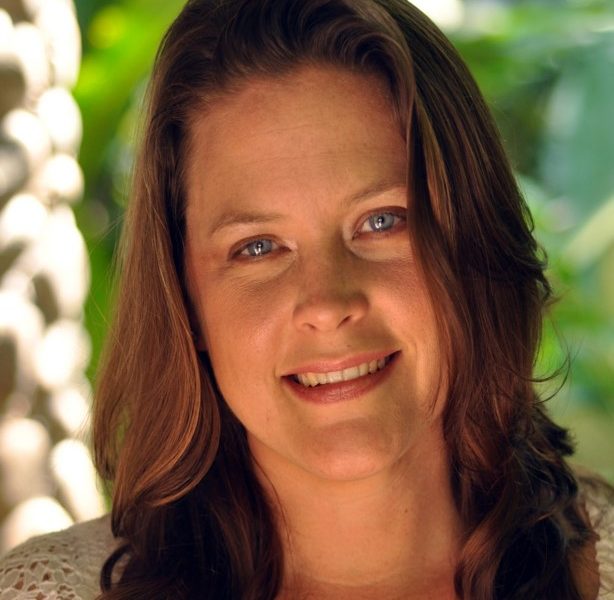
Today we’d like to introduce you to Amy Coffman Phillips.
Thanks for sharing your story with us Amy. So, let’s start at the beginning and we can move on from there.
About five years ago, my friend and I went through a transformative experience. We decided to take a deep dive into the world of biomimicry and fell in love. Biomimicry is the process of learning from nature and translating her sustainable design strategies to change the way we design and make decisions. Because this experience was so special to both of us, we wanted to share it with professionals in our local region and help them transform their careers and our communities by learning from nature. We formed a local network, Biomimicry Chicago, and our leadership team now includes four amazing women and we hold regular events throughout the year.
We are currently developing our flagship project, the Deep Roots Initiative, which seeks to catalyze a paradigm shift in the built environment in the Chicago region. Together with a diverse network of stakeholders, we aim to establish a science-based definition of sustainability for our region alongside an interactive tool of place-based nature-inspired solutions to empower the industry to measure impact, allocate resources and innovate to create a truly sustainable and resilient future.
Our activities and services are centered in our mission to learn from nature, cross-pollinate innovative ideas, inspire locally attuned design, and accelerate the path to a more sustainable Chicago.
Great, so let’s dig a little deeper into the story – has it been an easy path overall and if not, what were the challenges you’ve had to overcome?
As most mission-oriented organizations will attest, it is not always easy to compete for attention among the myriad of amazing sustainability organizations in our city. There is so much going on that is important, and it is hard to get a critical mass of people to focus on leading-edge concepts such as ours. Instead of standing alone, we have chosen to emulate nature’s web of life and form a strategic “web of connections” with like-minded organizations. We strive to integrate biomimicry methodology and thinking into the work and mission of a variety of sustainability-focused organizations throughout our city through partnered events and project development. By working in collaboration, we are confident we will produce stronger results while creating conditions that allow our ideas to take hold and have a positive impact on our communities.
Please tell us about Biomimicry Chicago.
At Biomimicry Chicago, we discover sustainable and resilient answers to humanity’s challenges big and small by stepping outside the box and diving into the wild world of Life. Our activities and services are centered in our mission to learn from nature, cross-pollinate innovative ideas, inspire locally attuned design, and accelerate the path to a more sustainable Chicago.
We aim to not only educate people about biomimicry but also reap the benefits of biomimicry by incorporating biomimicry into practice. Our Deep Roots Initiative, which I mentioned previously, is guided by the knowledge that life has already figured out how to solve for the challenges we face, such as flooding, water shortages, access to food and strong communities. Most importantly for the Chicago region, our native ecosystems and species have figured out how to live sustainably and resiliently right here for millennia. The DRI process seeks to understand what makes those native systems and species successful, and how to practically apply lessons learned in our built environment to solve these challenges.
I am most proud of the workshop we held to launch this initiative. Held at the Lurie Garden in Chicago’s Millennium Park earlier this year, we brought together a diverse group of designers, scientists, business owners and educators to develop a common understanding of and language around what it means to incorporate biomimicry into the built environment by creating built structures that are net producers of ecosystem services.
The cross-disciplinary nature of our work sets us apart. We have rooted in the idea that science has a place at the design table and in the boardroom, and our mission is to lift up and build bridges between science and design so that we can collectively learn from nature to not just reduce our impact, but catalyze our transition to a regenerative future.
Do you look back particularly fondly on any memories from childhood?
My favorite memory (other than sledding down the hill in my backyard in a soup pot over a layer of ice, which was awesome) is playing in the little scrub woodland behind my house. My parents laugh to this day that I remember so fondly a little clearing my dad made with old railroad ties to mark the path. I loved having a chance to be alone with my thoughts, and this connection with nature forged in elementary school carries with me until today. I am a fierce proponent of initiatives that connect children with nature and foster not only education about natural systems but also stewardship of wild spaces.
Contact Info:
- Website: http://www.biomimicrychicago.net/
- Email: info@biomimicrychicago.net
- Facebook: facebook.com/biomimicrychicago
- Twitter: @biomimicrychi
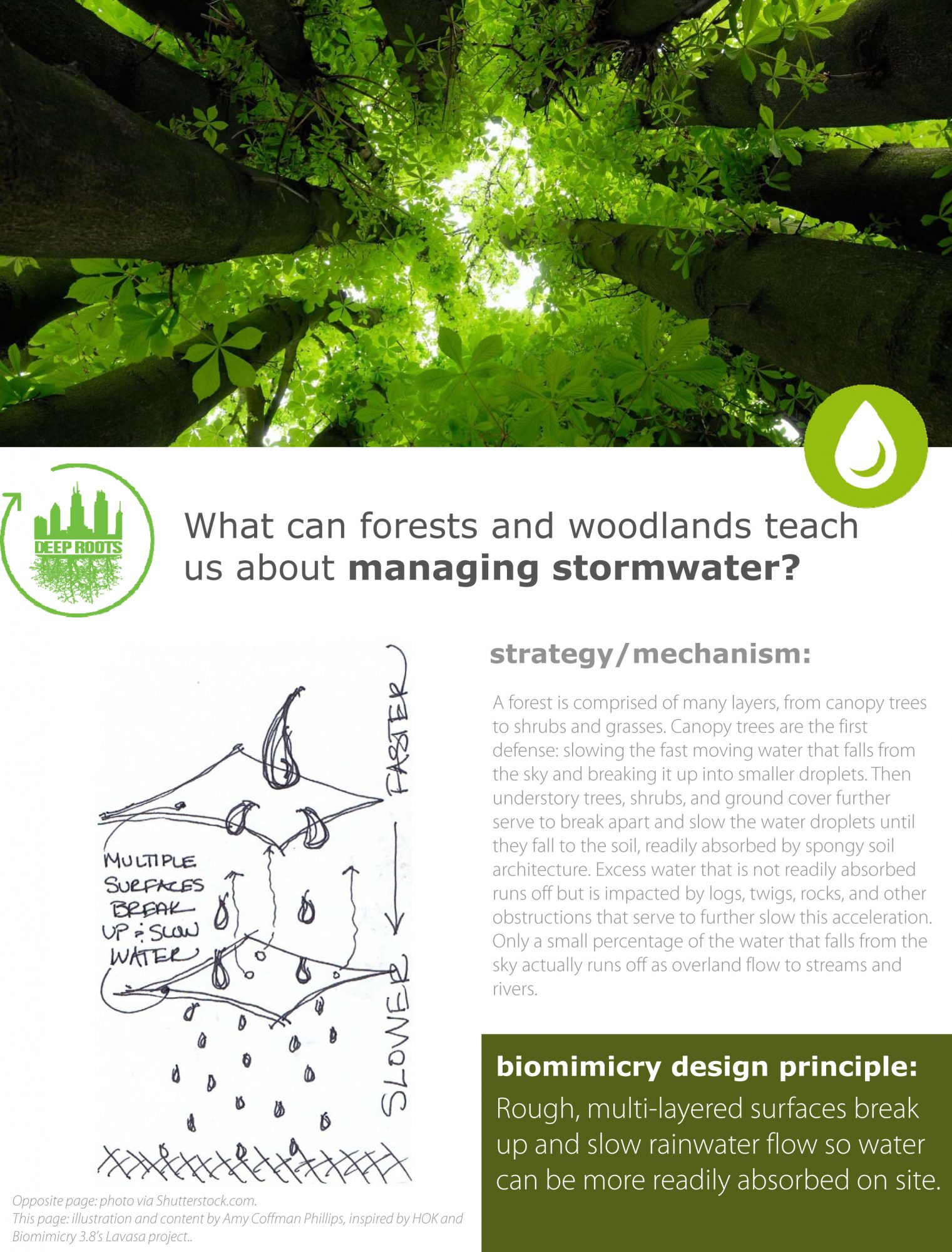
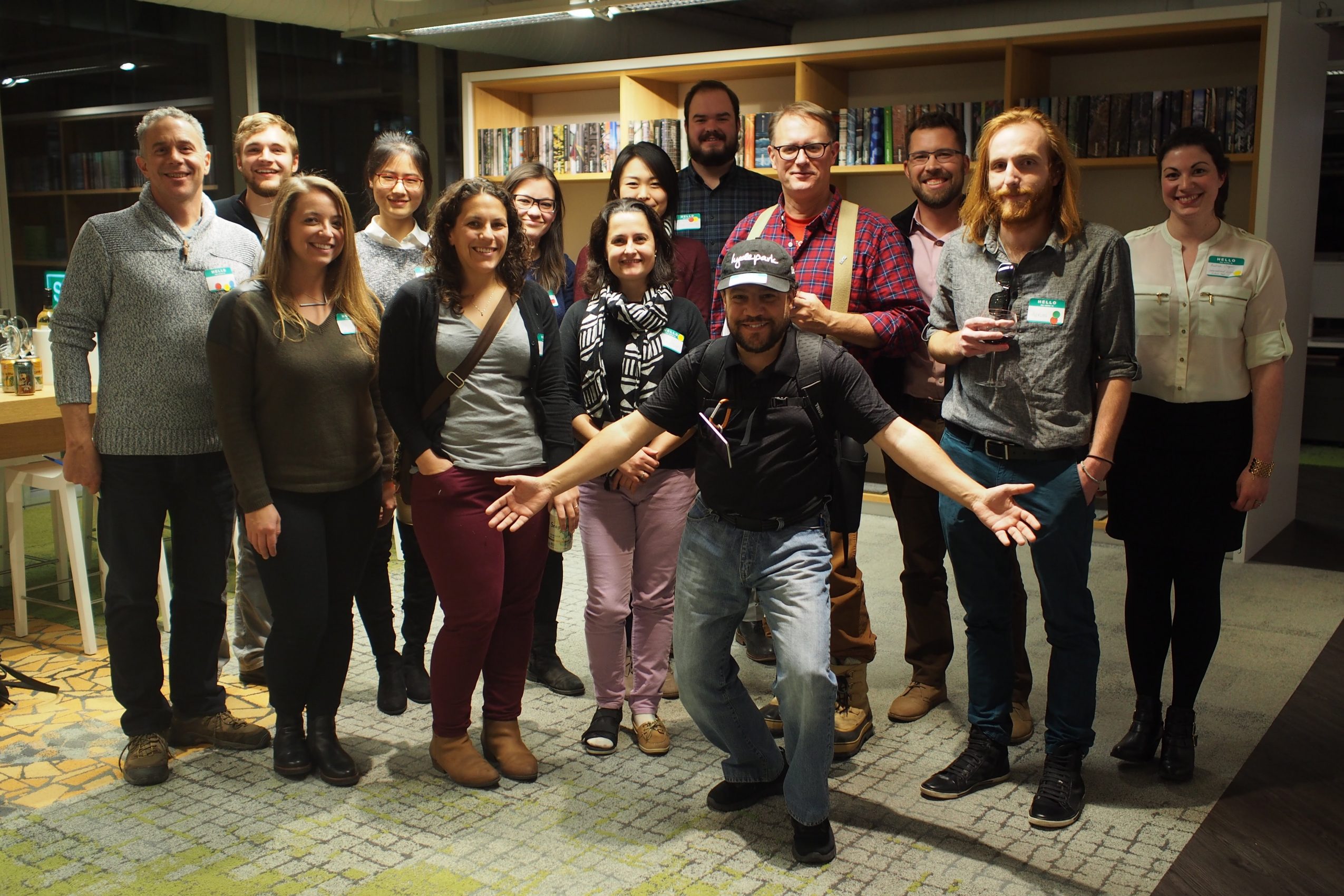
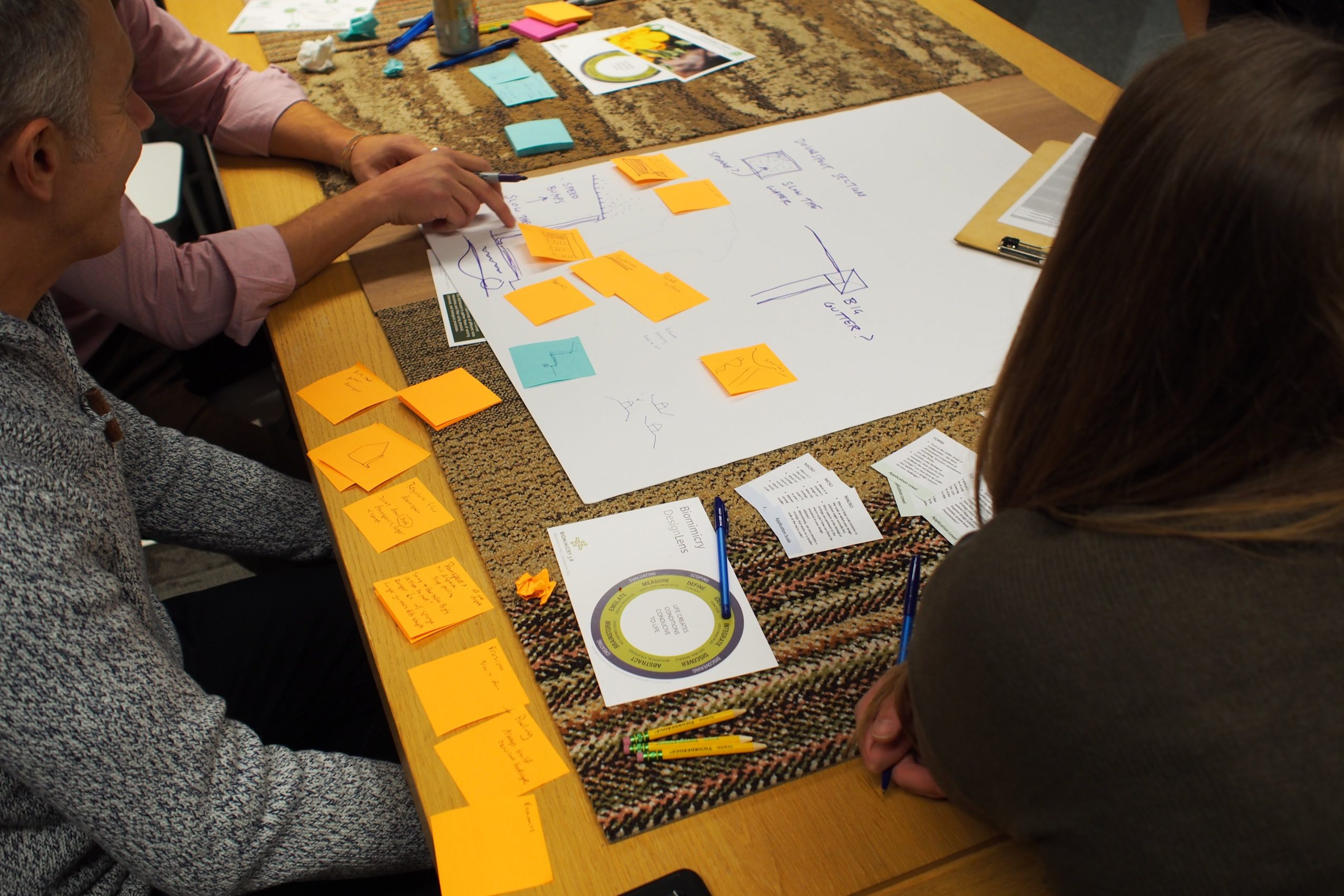
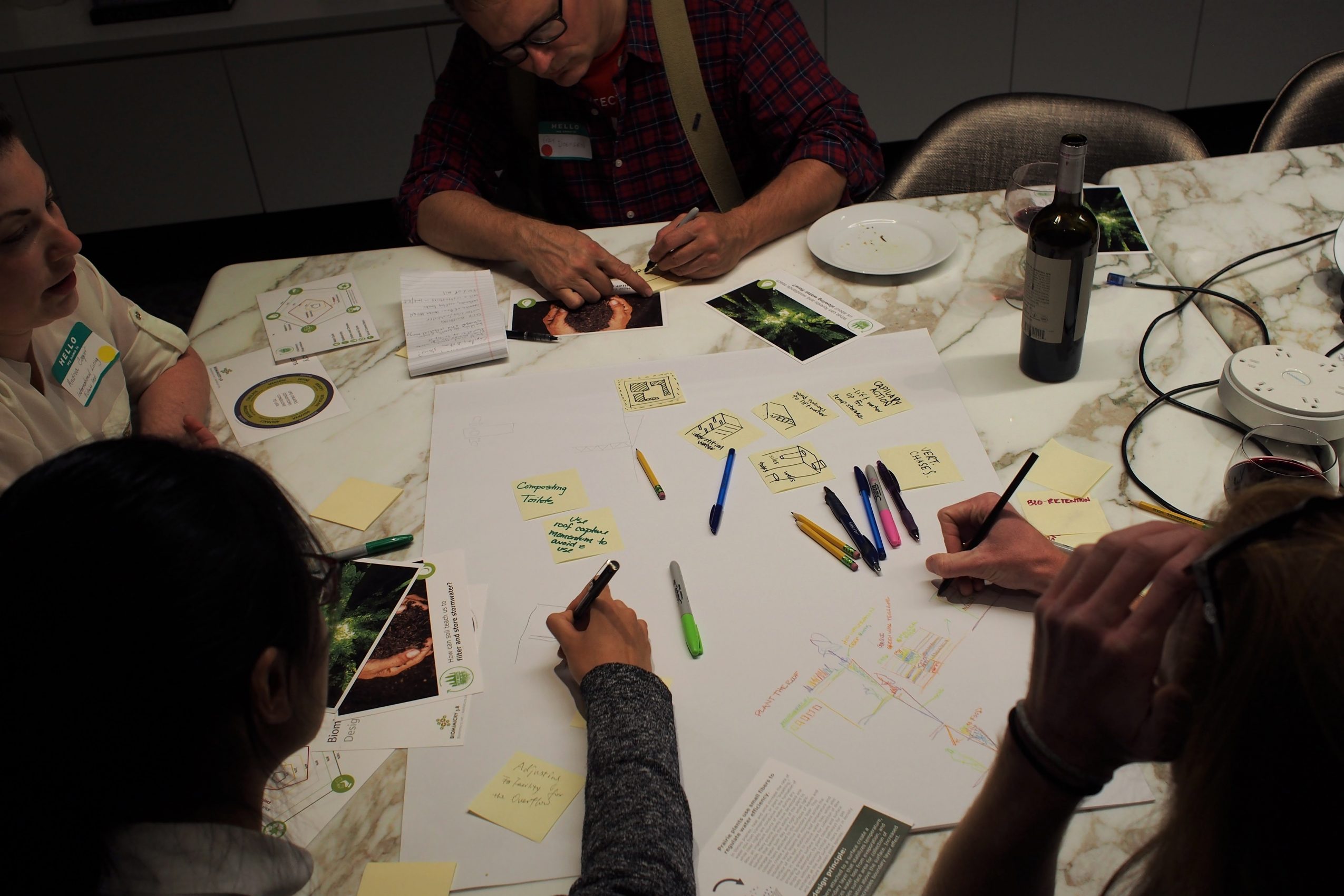
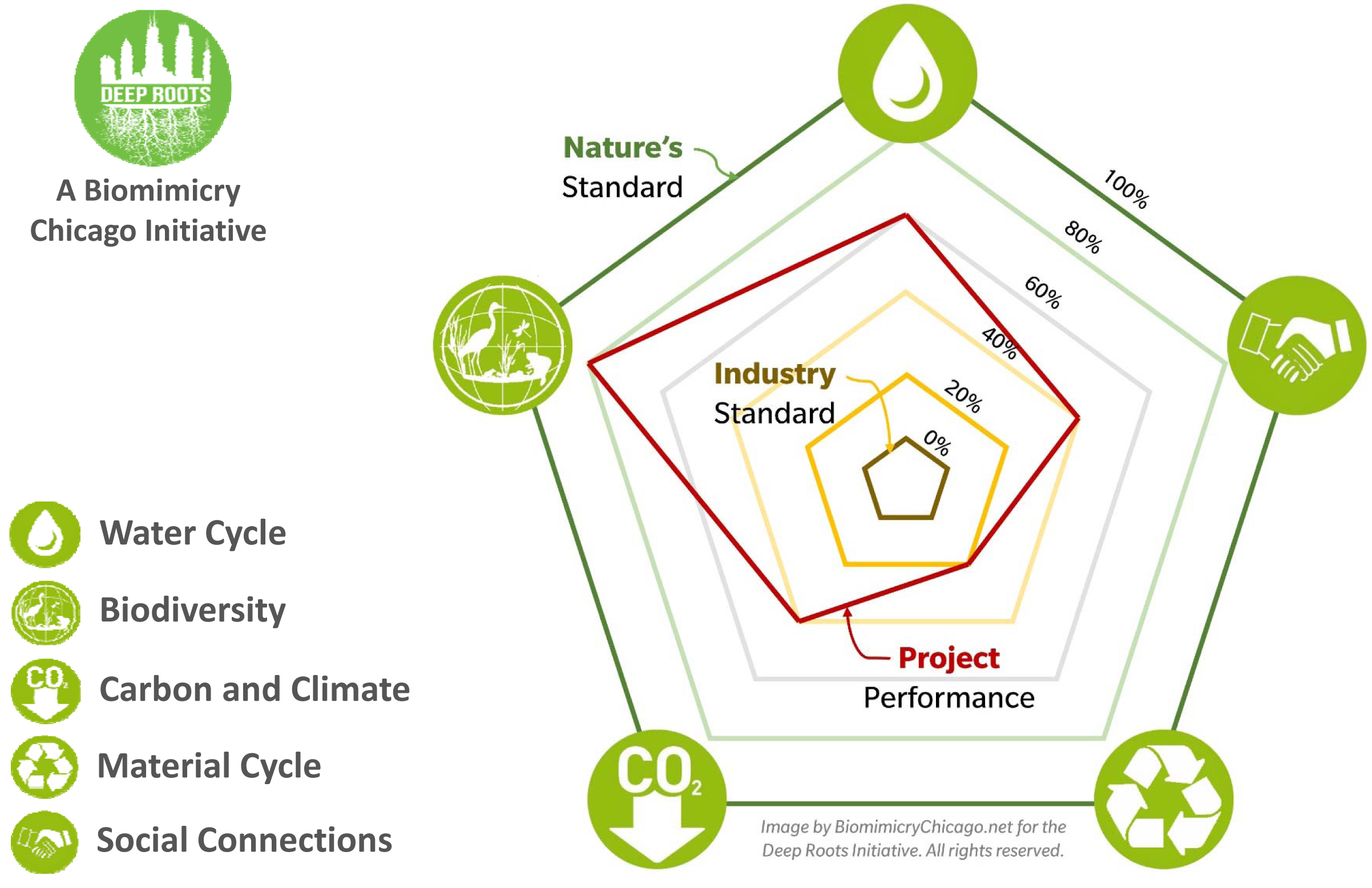
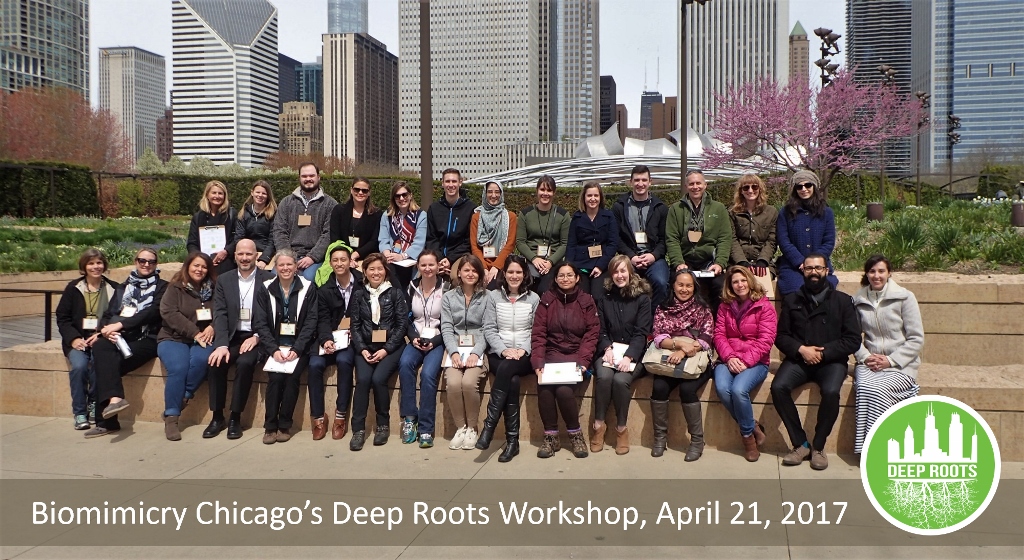
Image Credit:
Amy Coffman Phillips, Rachel Hahs
Getting in touch: VoyageChicago is built on recommendations from the community; it’s how we uncover hidden gems, so if you know someone who deserves recognition please let us know here.


