




Today we’d like to introduce you to Kira David.
Kira, let’s start with your story. We’d love to hear how you got started and how the journey has been so far.
I grew up on the south side of Chicago in the Beverly neighborhood. One thing I love about that area is the beautiful old homes. Apparently my parents were drawn to them, too. By the time I left for college, they had purchased and renovated seven homes. We lived through every single renovation, which, because my mom allowed me to be involved from a young age, helped me develop an early appreciation for the process. I remember she let me pick out paint colors for my bedroom at the age of six. Now that I look back, that sure was a risky move on her part!
After pursuing a degree in theatre and a career in ballet, I found myself working in the District Planning and Member Services division of the Illinois State Senate. I would have felt wildly unprepared to start an interior design business if not for my time there, which was essentially a training course large-scale planning, budgeting for long- and short-term objectives, and managing client expectations. Feeling uninspired on the creative front, I made the decision to go back to school to pursue a career in interior design. My first job out of school was working for a Chicago-based kitchen and bath remodeling company. I learned a lot, and fast. Not only did I learn what made clients happy and what helped a project be successful, I also learned what didn’t.
I saw first-hand the difficulties encountered when a designer is not consulted in the home renovation process. For most first-time renovators, there’s a disconnect between contractor and homeowner. Contractors are not designers. They aren’t trained in scale and proportion. They don’t specialize in architectural details and style. They aren’t hired to design your space. They are hired to renovate it. In these situations, you have competing interests. The client wants their home to look a certain way. The contractor just wants the customer to tell them how to build it. That, to me, is where designers come in. A designer helps the customer realize their personal aesthetic, and then communicates that to the contractor.
Inspired to bridge that gap, I left the remodeling company to work as a Design Assistant to an incredibly talented designer and businesswoman. She encouraged me to develop my own clients outside of her firm, and over time it grew to the point where I had to make the decision every entrepreneur faces: continue working for someone else, or try it on my own.
By nature, I’m not afraid of risk. The strong support system I’ve had throughout my life has influenced the way I assess risk. I’ve always believed that I will be ok; I’ll find a way to make it work, and if I don’t, I’ll find a back-up plan. I was still full of fear when I launched Kira David Design, but I also was acutely aware that the fear was mostly ego-based. What if I fail? What will others think of me? I had rational fear of making enough money to support myself, too.
Taking the leap was the best thing I’ve ever done. I wake up every day more in love with my job than the day before. I have an incredible support system – from my husband, to fellow designer friends, to clients. My business is still young, so I’m still putting in the long hours and working my a** off, but it feels worth it to wake up invigorated and excited about the work I’m doing.
Overall, has it been relatively smooth? If not, what were some of the struggles along the way?
A career change isn’t easy any way you slice it. We are taught a career should look like this: you get an internship when you’re in school, which turns into a job after graduation. You work your butt off while you still have the endless energy that accompanies you in your 20’s and by the time you reach your 30’s, you’re well into a career in your chosen field. When you decide to choose a different field completely, it can feel like such a setback. You find yourself competing with those 20-something graduates who knew what they wanted to do with their life back in orientation. But the reality is, my experiences thus far set me apart. Coming to the table a little less green proved to be one of my strengths, not weaknesses. My path wasn’t totally clear, but that detour helped me developed a unique perspective and set of skills.
The one piece of advice I have, and I cannot stress this enough, is how crucial networking was for me to break into this industry. And I don’t mean happy hour – I mean intentionally reaching out to those around you, and those ahead of you. I wasn’t afraid to be vulnerable and say hey, I’m new, can you help me figure this out? I also wanted to make every networking opportunity as valuable as possible. The women who were one or two steps ahead of me didn’t have time to meet in person over coffee so I could “pick their brain.” I wasn’t naive enough to think they could afford to spend that kind of time with me. Instead, I asked to schedule a call, during which I asked them specific, targeted questions I had prepared in advance. Luckily, I was met with such support when I did this. Each woman I contacted appreciated my respect for her time. In turn, these women gave me what advice and insight they could.
I’d also advocate for educating yourself in every way possible. I have no business background whatsoever, so to suddenly start tracking expenses and billable hours and estimated quarterly taxes was brand-new territory for me. I’ve read (and am still reading) countless books on business, and particularly the business of interior design.
And last, tap into your support systems, whatever that looks like. I could not have done this without my husband and friends who believed in me. Support can look very different from different people. I don’t mean lip service in the sentiment of “Go for it girl.” For example, my husband and I sat down many a night over spreadsheets and breakdowns in numbers before KDD was even born. His support looked like asking difficult questions about finances and cash flow. These were not always easy or comfortable conversations to have, but they prepared me in an area where I would have otherwise floundered.
Please tell us about Kira David Design.
I focus on residential interior design in Chicago and the surrounding suburbs. I also travel for projects – we currently have a great project happening in Michigan. (It’s so gorgeous there this time of year!) Our projects range from complete gut renovations to simple re-decorating with my favorite projects being comprehensive, such as a full renovation plus interior decorating. We love working collaboratively – with contractors, architects, lighting designers – because within those partnerships a space can be fully transformed to fit the specific style and needs of the client. When a space truly becomes a reflection of the people within them, design becomes a working part of everyday life.
Well-designed interiors should feel easy and effortless; function seamlessly and intuitively; and bring a sense of calm and beauty that can be felt the moment you walk in. My goal is to be able to provide that experience to every client on every project.
What do I think sets me apart? My experience of living through the construction phase of multiple renovations gives me a unique perspective and appreciation for the joys and challenges in undertaking a successful renovation project. I’ve worked with a lot of first-time renovators and I’m able to educate them about the process in a way that helps things feel manageable.
Do you think there are structural or other barriers impeding the emergence of more female leaders?
Flexibility. I think the key for women to step into leadership roles is flexibility in their career, particularly for working mothers. I see so many women’s career trajectories halt or stumble once they have a child. Physically, women have to recover after giving birth. It is necessary to take time off work. And until the day men start birthing babies themselves, it will never be a level playing field. I believe many of the challenges for working mothers can be solved by offering flexibility in the workplace. There is a great new start-up company, WERK, that helps companies do just that. Flexibility might look like options for location, hours, travel, etc. As a business owner, having total autonomy over my schedule is something I highly value. I think if more women had a say in how their work days were structured we could keep more of them headed toward leadership roles in the workplace.
Contact Info:
- Website: www.kiradaviddesign.com
- Phone: (708) 831-3849
- Email: kira@kiradaviddesign.com
- Instagram: @kiradaviddesign
- Facebook: https://www.facebook.com/kiradaviddesign/




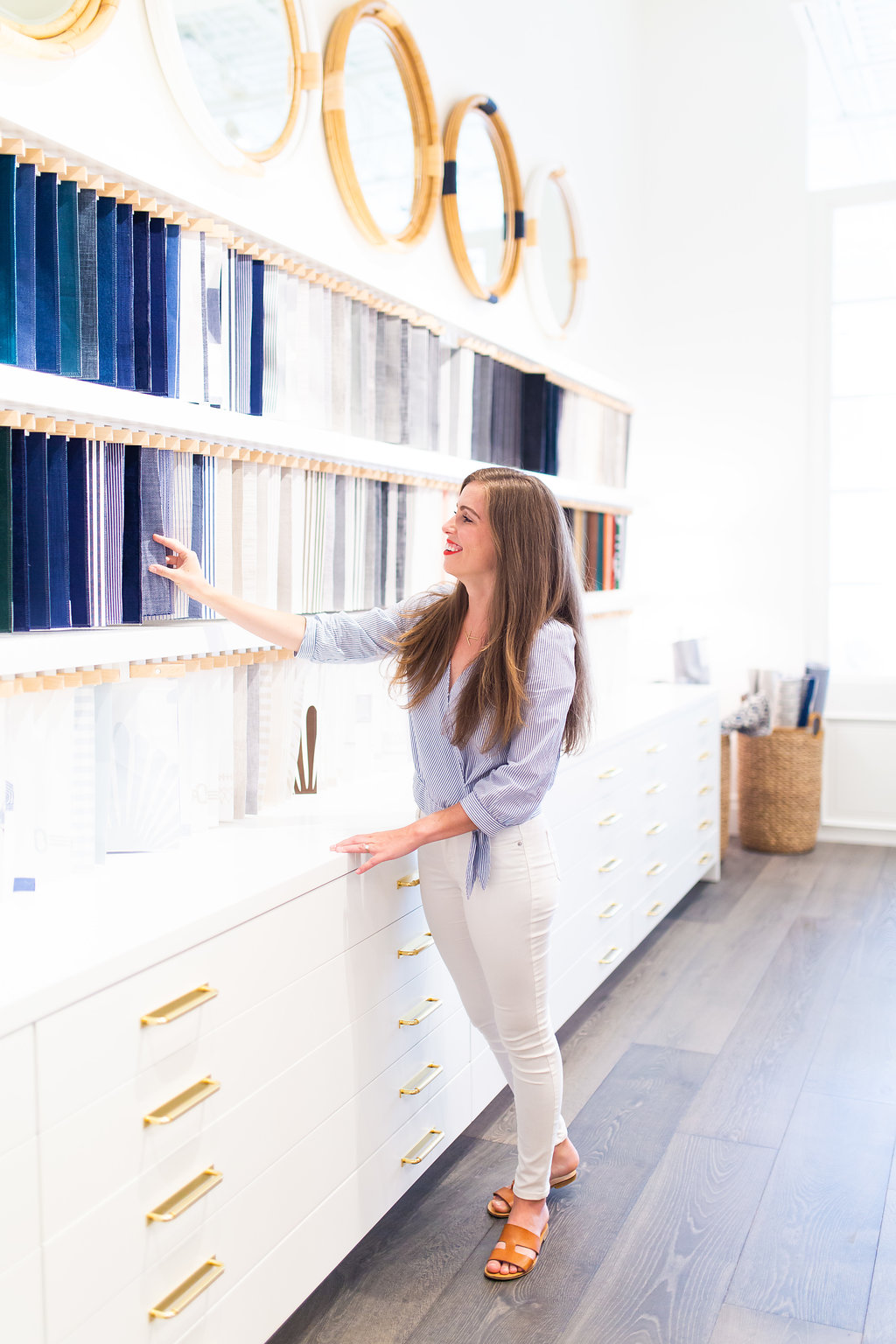
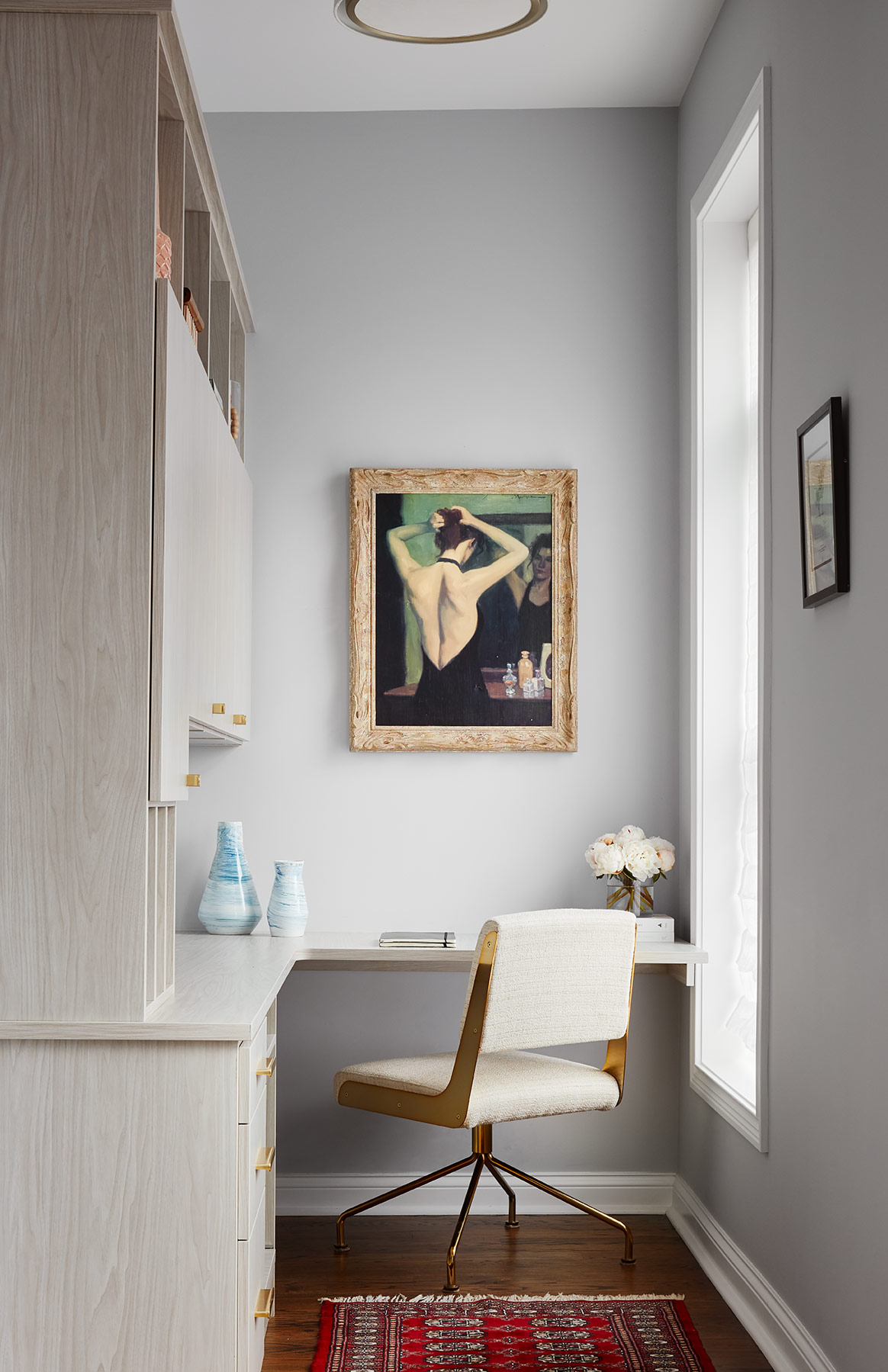
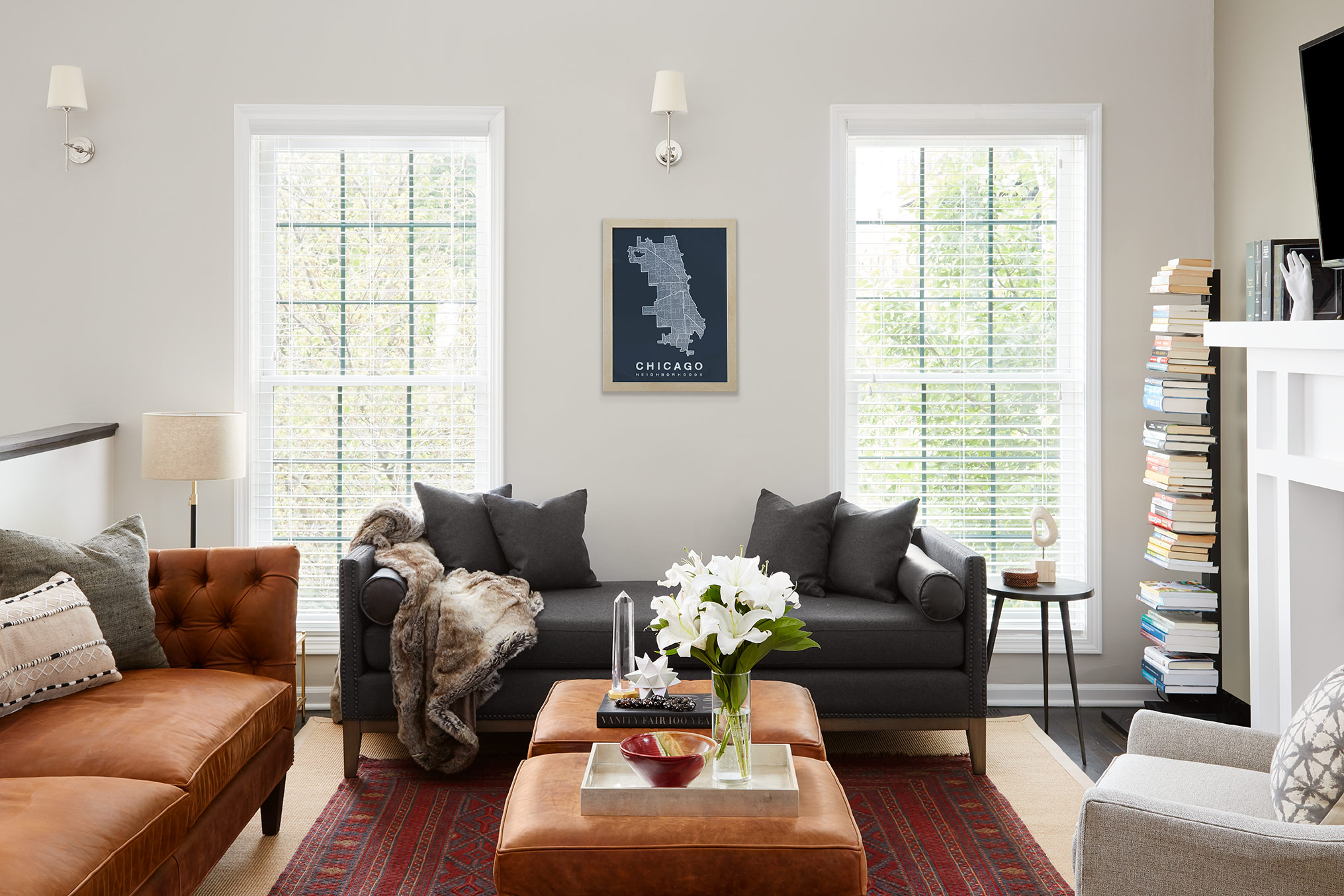
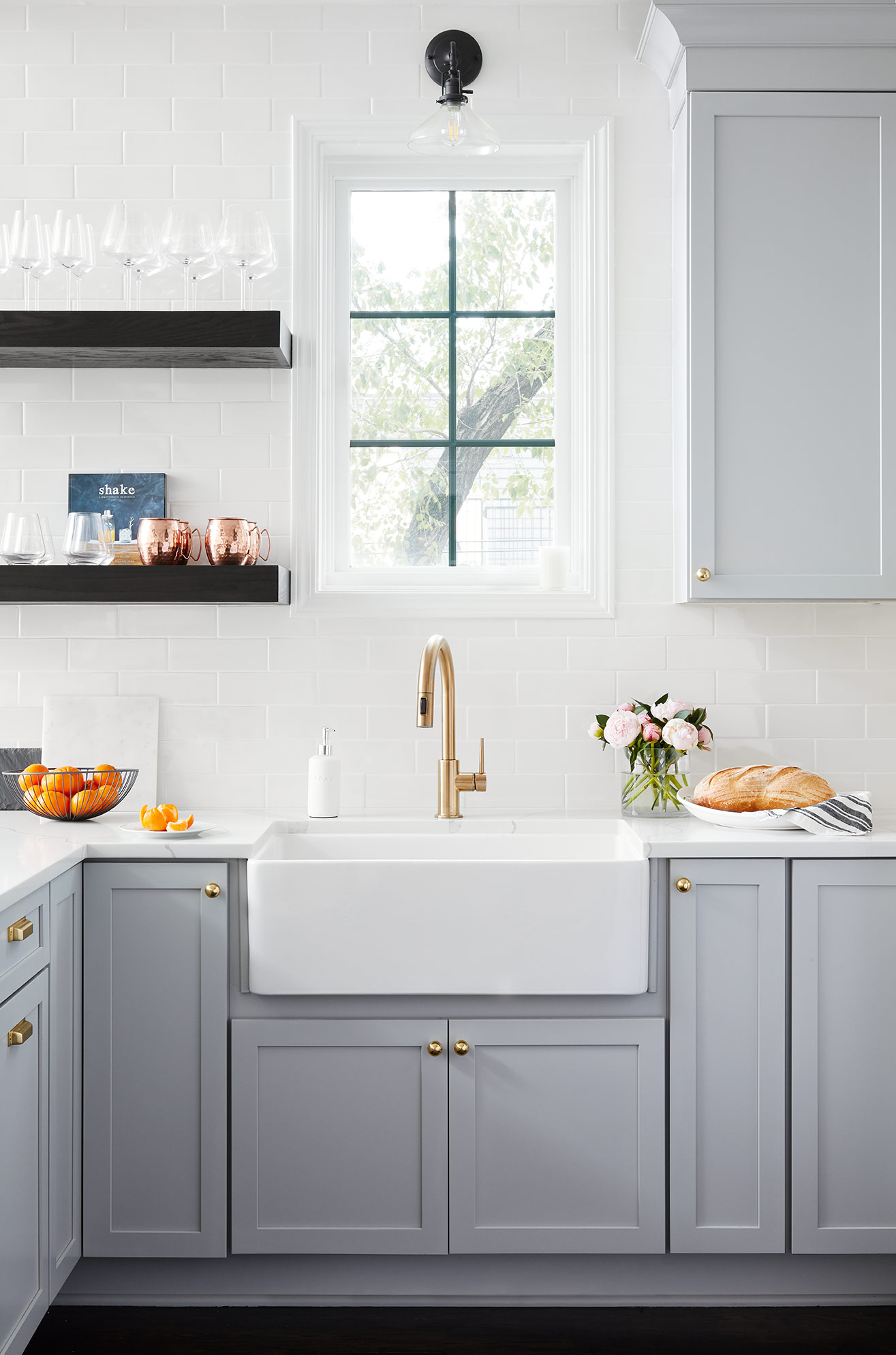
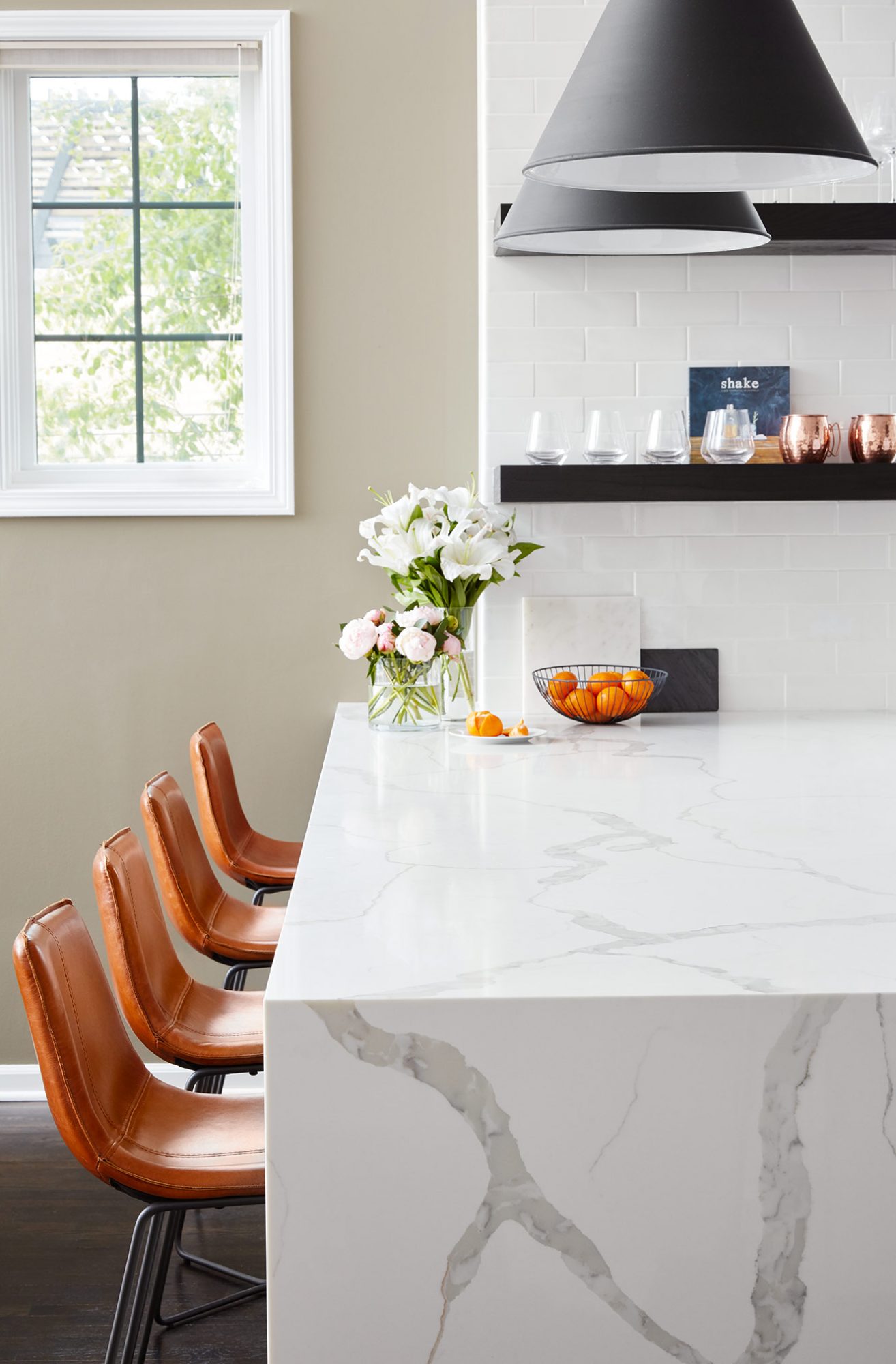
Image Credit:
Dustin Halleck, Hannah Schweiss
Getting in touch: VoyageChicago is built on recommendations from the community; it’s how we uncover hidden gems, so if you know someone who deserves recognition please let us know here.


