




Today we’d like to introduce you to Lyzz Lundberg.
Lyzz, we’d love to hear your story and how you got to where you are today both personally and as an artist.
I have always had a knack for working with my hands, particularly when it comes to image making. After several years working in the restaurant industry, primarily as a kitchen manager and chef– just as I was starting to find some modest success in my cooking career– I found the work environment to be overwhelmingly exhausting to my physical and mental health. When I was in my mid-20’s I went back to school, being one of the few in my family who ever went to college. With the idea that Bachelor’s degrees are no longer relevant in today’s economy, I gave myself a chance to hone my skills and explore who I was as a “serious” artist on borrowed money. I learned so much in that time about myself, the hierarchy of the fine art communities, what it was I needed to communicate to the world. I graduated from Illinois State University this last spring. I am 31. I dropped from the BFA program when I became pregnant with my second daughter– didn’t walk at graduation, didn’t feel the need to. While I am grateful for the opportunity to have put myself through college, having come from a broken working-class family, I felt very uncomfortable among the academic art “elite” due to the often lowbrow visual inspiration behind my work, and my admittedly more abrasive personality– my cynical view of the upper echelon of fine art, whether it be in the gallery, academia, museums, auctions, informed all the bullshit “deeper meaning” that students are expected to communicate in critiques– I can’t stand any of it. The whole system is terribly classist, sexist, racist, and all I ever wanted to do in art school was exploit that idea as fuel for my paintings and sculptures. I was maybe a little hostile as a BFA student (laughs). Most everyone took themselves so damn seriously all the time, and I find the pretension to be quite laughable. There are a few folks from art school that shared my disdain for the establishment of academic fine art, and I treasure them. I was encouraged to apply for grad school and was accepted into a graduate program. I’ve since turned grad school down in favor of studying the art of tattoo as an apprentice under old school master tattooist, Kay Davis at Dream Illustration Tattoos in Chillicothe, IL. This line of work jives so much better with my personal convictions that art should be accessible to anyone. A great deal of tattooing is more than just having art skills- it is providing a service to help others in coping in their lives or processing grief. You are an artist, a skilled tradesman, a therapist, a friend– I find it to be the most intimate vein of the service industry. There is great pride taken in the work without pretense, at least where I’m at. I feel incredibly fortunate in the route that my art has taken me, and it is truly a blessing to rise above from where I have been and be able to provide for my family without compromising my moral and ethical standards.
We’d love to hear more about your art. What do you do you do and why and what do you hope others will take away from your work?
My primary focus is painting. My work skirts the line between fine and lowbrow art. I am fascinated by exploring the dynamics of power struggles- we are all free agents seeking control in our lives in a world that does not value individuals, but institutions with deep roots in the patriarchy. This is demonstrated in my paintings by my contrasting use of hard edge and loose, expressive painting. Everything personal is political, everything political is personal. I create/organize/control spaces in my work as a way to talk about the human experience- particularly my own experience as a working class, queer, female artist. Personal and professional relationships are often analyzed as I work; I find the catharsis a necessary part of the process. I’m mad as hell about the world right now– it’s dizzying. If I can use painting to work out some personal shit while simultaneously getting my audience to reflect, then I guess that is a successful painting. I would describe my work as psychedelic narrative painting, using abstraction to warp the reality of the spaces depicted.
Here’s from my last artist statement:
“To break the rules, we must learn the rules. The rules of perspective and color are a blueprint for the creation of imaginary spaces. The laws are rules to keep us complacent in times of great instability. Perspectives form translations of reality. We are the working class and we take pride in what we got. We create spaces to escape disenchantment, to create stability. We create spaces that swallow those who try to inhabit it. We fixed cracked, damaged plaster and drywall with spackle, textures, sponging, and stencil motifs. Rooms, hallways, and hedge mazes are the opulent prisons of our choosing. This is our dollar store palace. This is our war room. It lends itself to kitsch, but our creations are careening down a liquor-soaked Midwestern Gothic highway. Resistance is the framework of our palace. Kitsch can politicize our palace. There is so much to escape. There is so much to learn. There is so much to fight. Now is not the time to get comfortable. We have work to do.”
Have things improved for artists? What should cities do to empower artists?
As I had said before, Bachelor’s degrees are no longer relevant when it comes to an art career. The institution of academic art and the current economic climate has made it nearly impossible to obtain a career in the arts without the minimum of a Master’s degree– even then, it limits most graduates to the bleak future of working part time as an adjunct who still needs to get a side gig to get by. The market is over saturated with aspiring art professors. Social media has allowed for some freedom in getting art seen without the participation in gallery culture that was previously requisite for the sale of fine art. Support your DIY art collectives! Get out to First Friday art events! Buy some art, damnit!
Contact Info:
- Website: www.lyzzlundberg.weebly.com
- Phone: 3092871423
- Email: lyzzlundberg@gmail.com
- Instagram: https://www.instagram.com/lyzz_lundberg/
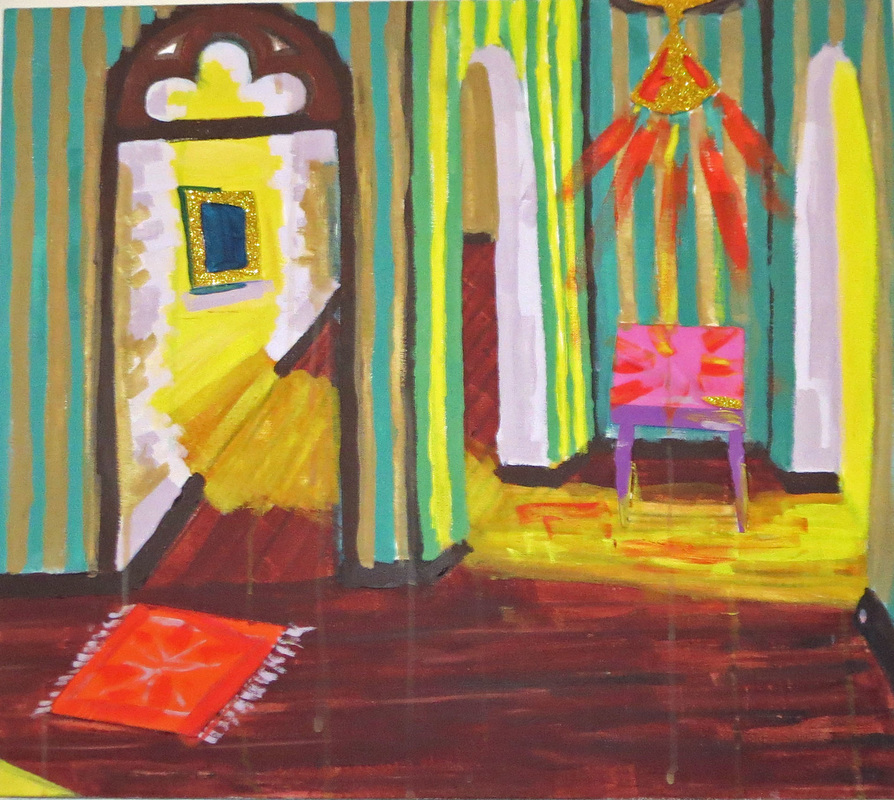
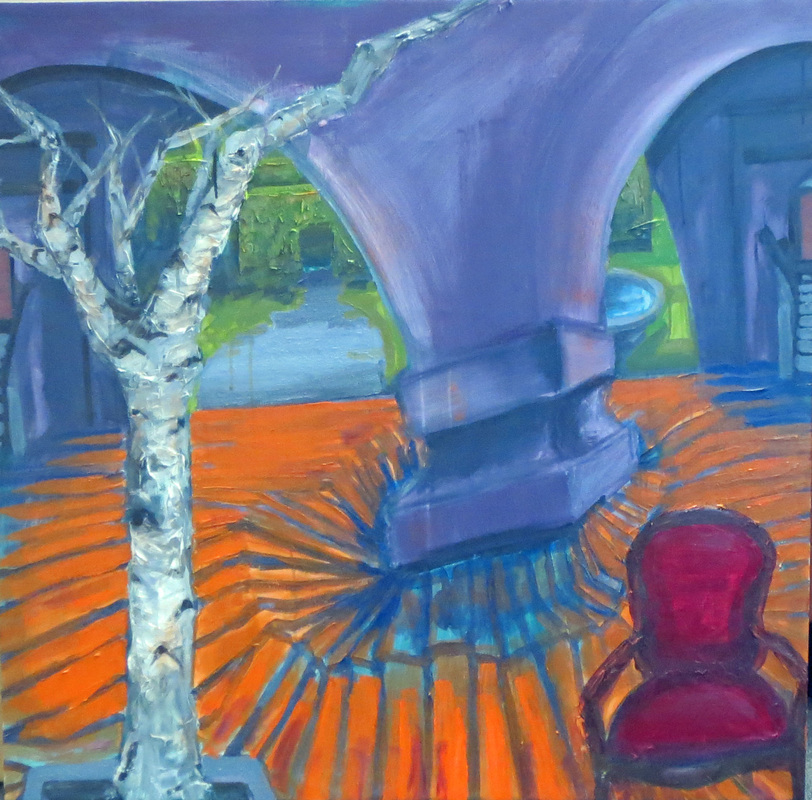
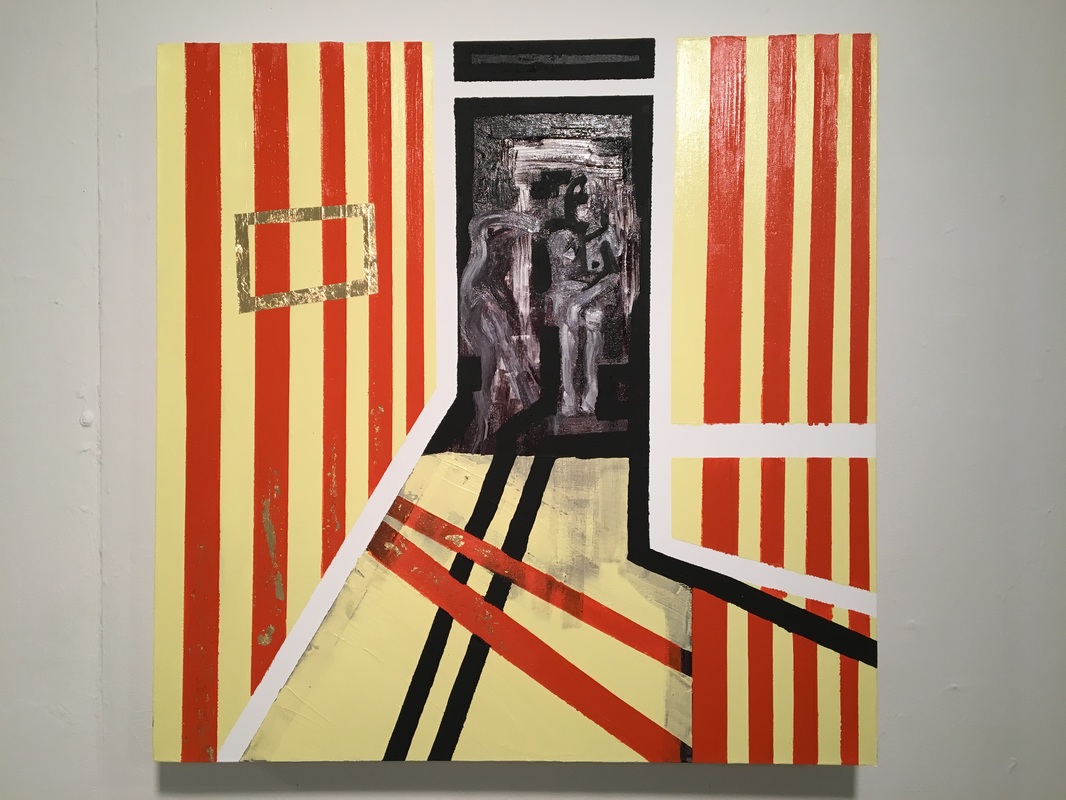
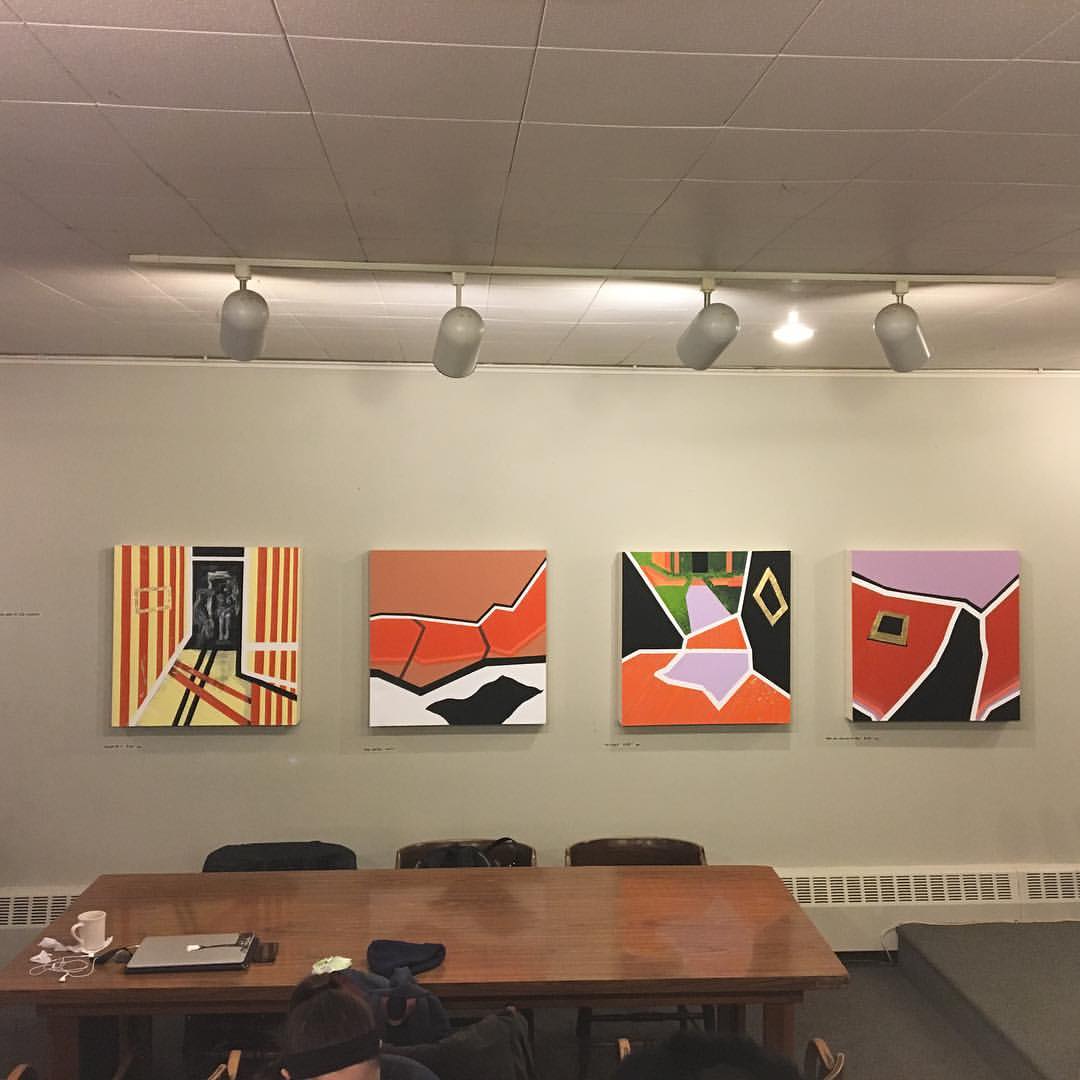
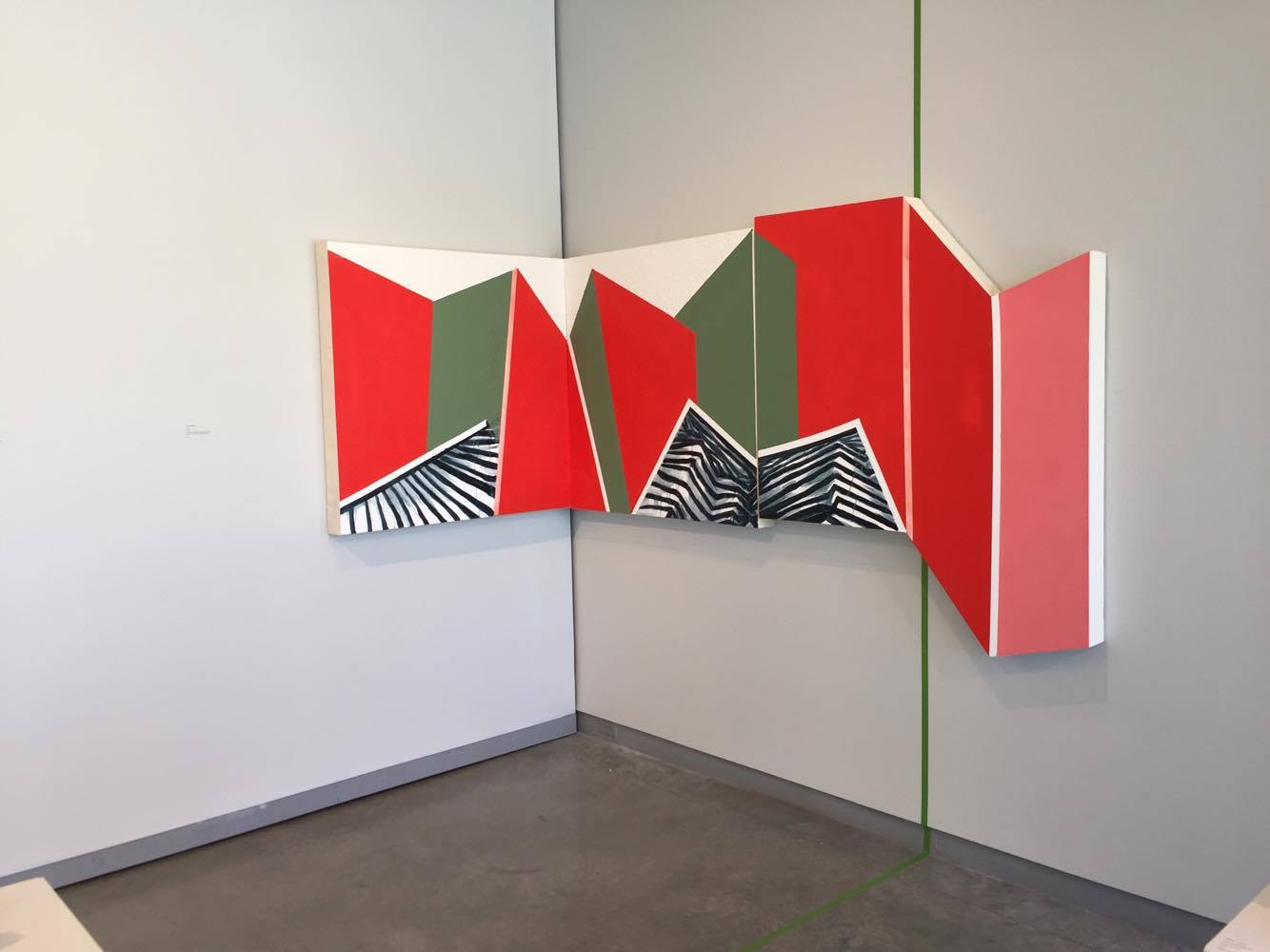
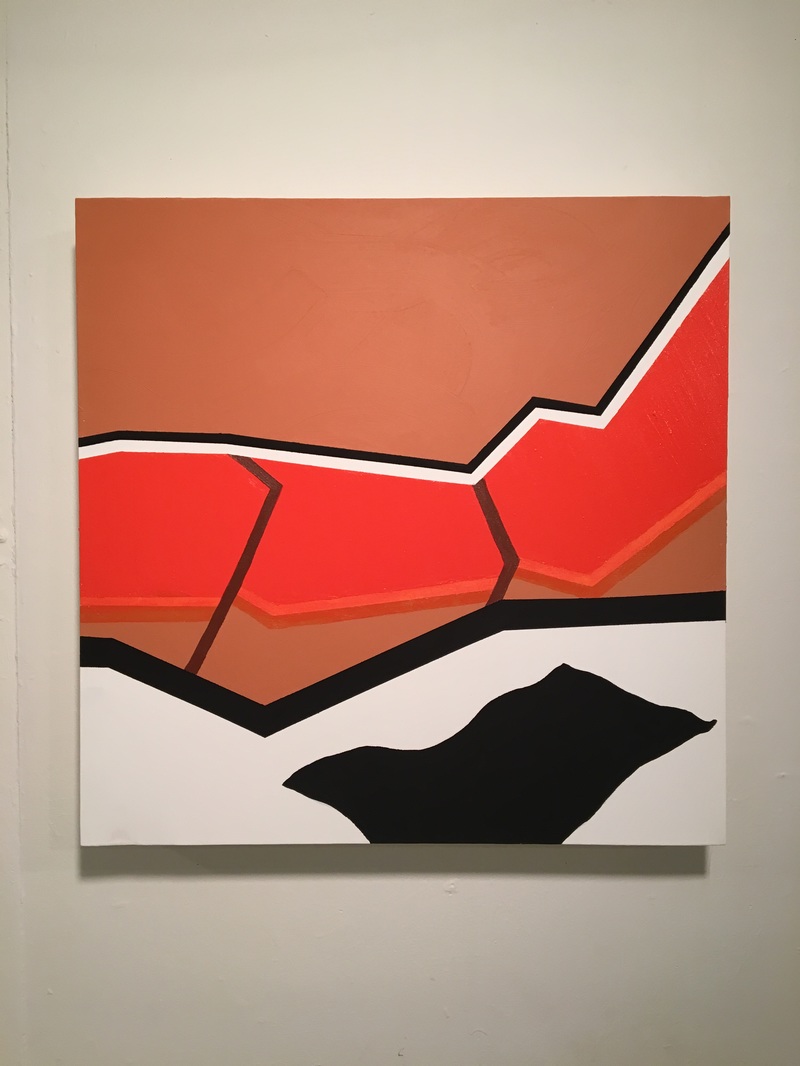
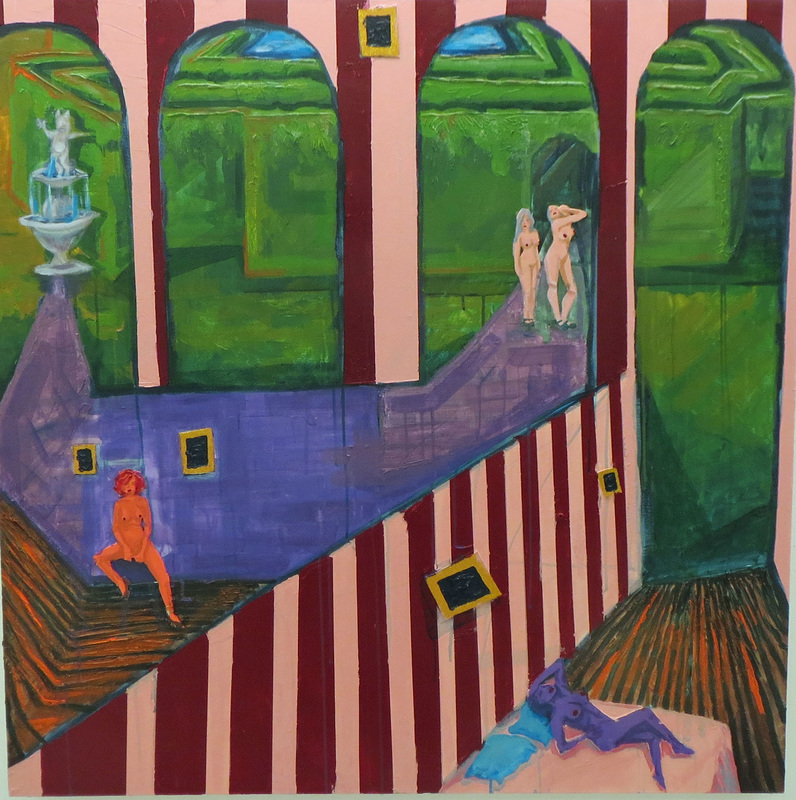

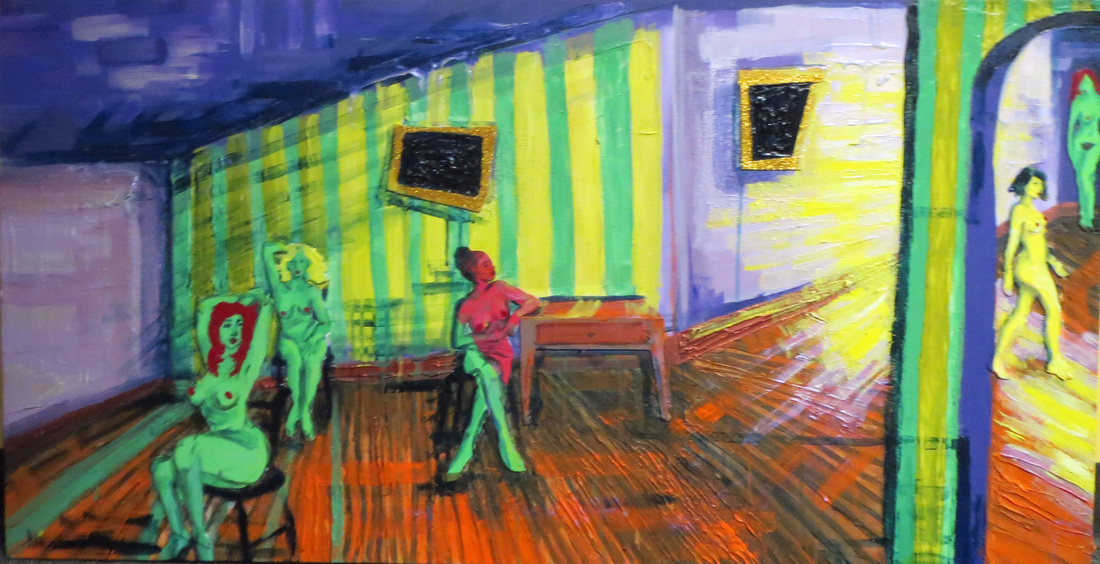
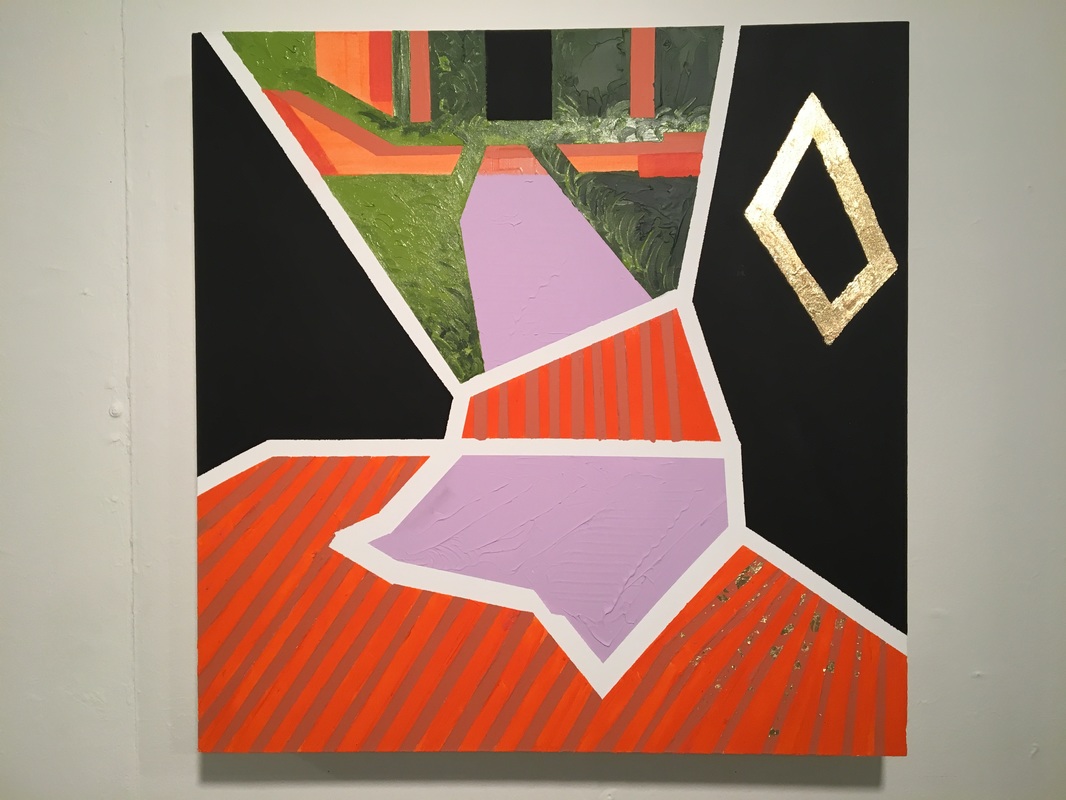
Image Credit:
Portrait photo taken by Meredith Jane Nunn, 2018
Getting in touch: VoyageChicago is built on recommendations from the community; it’s how we uncover hidden gems, so if you know someone who deserves recognition please let us know here.


