



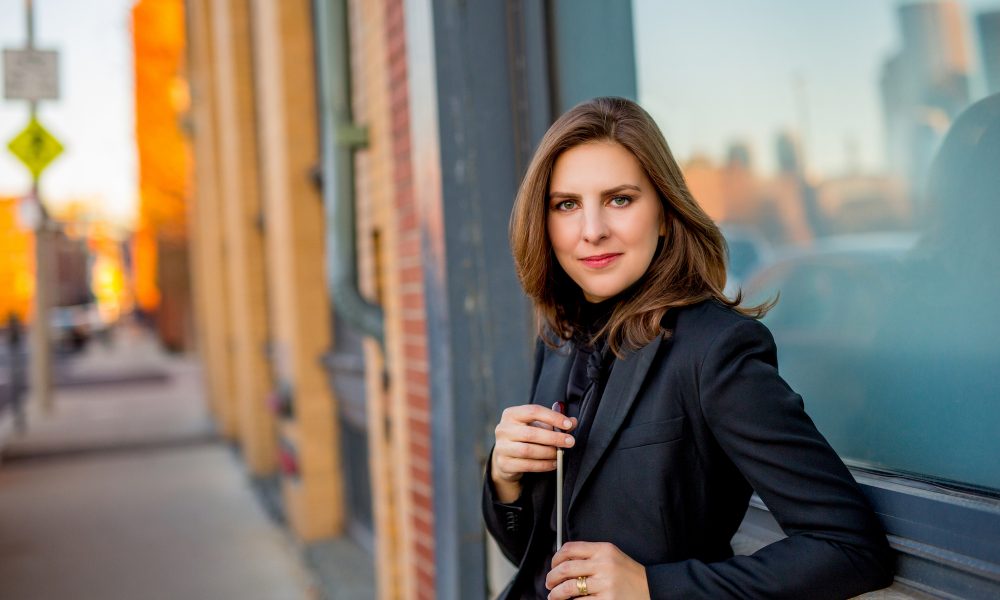
Today we’d like to introduce you to Lidiya Yankovskaya.
Lidiya, we’d love to hear your story and how you got to where you are today both personally and as an artist.
I studied music my entire life (as a pianist, singer and violinist), but wasn’t sure that this was what I wanted to pursue professionally–I always had a slew of other interests: literature, languages, philosophy, history, athletics…etc. In college, I focused my studies on Music, Philosophy and languages, and considered pursuing an academic career in Philosophy, but realized that when I had the choice–I always chose music. I could live without many other things, but making music was an essential part of who I was; I had to pursue music professionally–there simply was no other choice. I started conducting while still a teenager and through conducting, I gradually found a way to combine my many interests, while avoiding the often lonely existence of a solo instrumentalist. Immediately after college, I was fortunate to land a full ride at a conducting program at Boston University, where I could study while immediately beginning to work professionally with a new music ensemble and a professional opera company (Opera Boston). I soon got a position at Harvard University’s Lowell House Opera, where I had a very unusual early-career opportunity to conduct numerous large-scale productions of major grand operas. Meanwhile, I was able to explore outside-the-box programming and collaborative projects with my new music ensemble, Juventas. This happened alongside my many other opportunities as a conductor, pianist, and even singer, to work with a wide range of organizations including orchestras and opera companies of all stripes and sizes, from store-front organizations to some of the world’s most renowned institutions. If I had not landed in the exceptionally musically-rich city of Boston, at a peak time when numerous musical organizations of all sizes were flourishing and forming, and as really the only person with my set of interests and goals, there is no way I would have had the opportunities necessary to find my artistic voice. I was fortunate that my goals lined up with the time and place, and that I was able to take full advantage of the paths that opened for me to grow as an artist and as a leader, while solidifying my creative vision, process, and priorities.
We’d love to hear more about your art. What do you do you do and why and what do you hope others will take away from your work?
I’m an opera and symphony conductor. Basically speaking, I wave my hands around, often while holding a wand-like stick and get the many musicians in front of me to produce music that is unified in its sound and interpretation. In the opera pit, I also control the dramatic timing of the storyline that is happening on stage and synchronize the many large-scale and spatially dislocated musical forces (orchestra in the pit, soloists around the stage, chorus). Additionally, during the rehearsal process, I oversee the various groups’ musical preparation and serve as a consistent link between the various elements (artistic and otherwise) that make an opera happen–as the junction/focal point of the huge collaborative network of opera, so to speak. What I really love about what I do is exactly this last part–an opportunity to bring incredible talents from all areas together to make something greater than any individual part. I get to work with musicians, visual artists, administrators, directors, linguists, electricians, build crews, actors and dancers, historians, opera lovers and opera virgins, and sometimes even unexpected colleagues such as robots, animals, puppets, and circus performers… the list goes on and on. With each interaction and each production, I feel that I learn so much about the world and about art-making. I love that opera can bring so many different people from so many fields and walks of life together. This is what makes this artform so incredibly powerful.
Artists face many challenges, but what do you feel is the most pressing among them?
Being an artist is challenging on so many levels, it’s difficult to choose just one thing. Any artistic pursuit requires endless dedication and commitment throughout one’s life, for decades or more–it’s not generally something one can just decide to do, train for a couple of years, and gain proficiency in. Through the endless years of training, trial and error, and a great deal of failure, a true artist remains so fully committed to their craft that they work through all the setbacks, very, very slowly seeing the ratio of success to failure rise. In a world that is progressively more geared towards shortcuts and quick-and-easy solutions, this level of focus is not only unusual but also difficult to maintain amidst endless cultural pressures. To make matters more complicated, artistic pursuits don’t tend to be financially lucrative and there is little public support for those still in the development stages. Unfortunately, for many, this means that even if they are committed to their art, practical realities make it impossible to dedicate the amount of time and resources it takes to reach a high level of skill. Then, even when one gains the necessary level of experience and develops a creative voice, spreading the word about one’s work or getting the opportunities to showcase it can be challenging, especially if the artist is not a great networker/self-promoter and has not been able to find someone to do this legwork on their behalf.
Do you have any events or exhibitions coming up? Where would one go to see more of your work? How can people support you and your artwork?
You can learn more about Chicago Opera Theater’s upcoming season and current double-bill production of Donizetti’s Pigmalione and Rita at www.cot.org. Come see our performances, and be sure to say ‘hello’ and tell us what you thought afterwards. You can also see a full schedule of my public performances (at COT and around the country) at www.LidiyaConductor.com. Next season, I’m looking forward to conducting COT’s productions of Tchaikovsky’s final opera, Iolanta, the contemporary masterpiece Moby Dick, by American compositional giant Jake Heggie, and a concert presentation of Justine Chen’s opera-in-progress, The Life and Death(s) of Alan Turing.
Contact Info:
- Website: www.LidiyaConductor.com
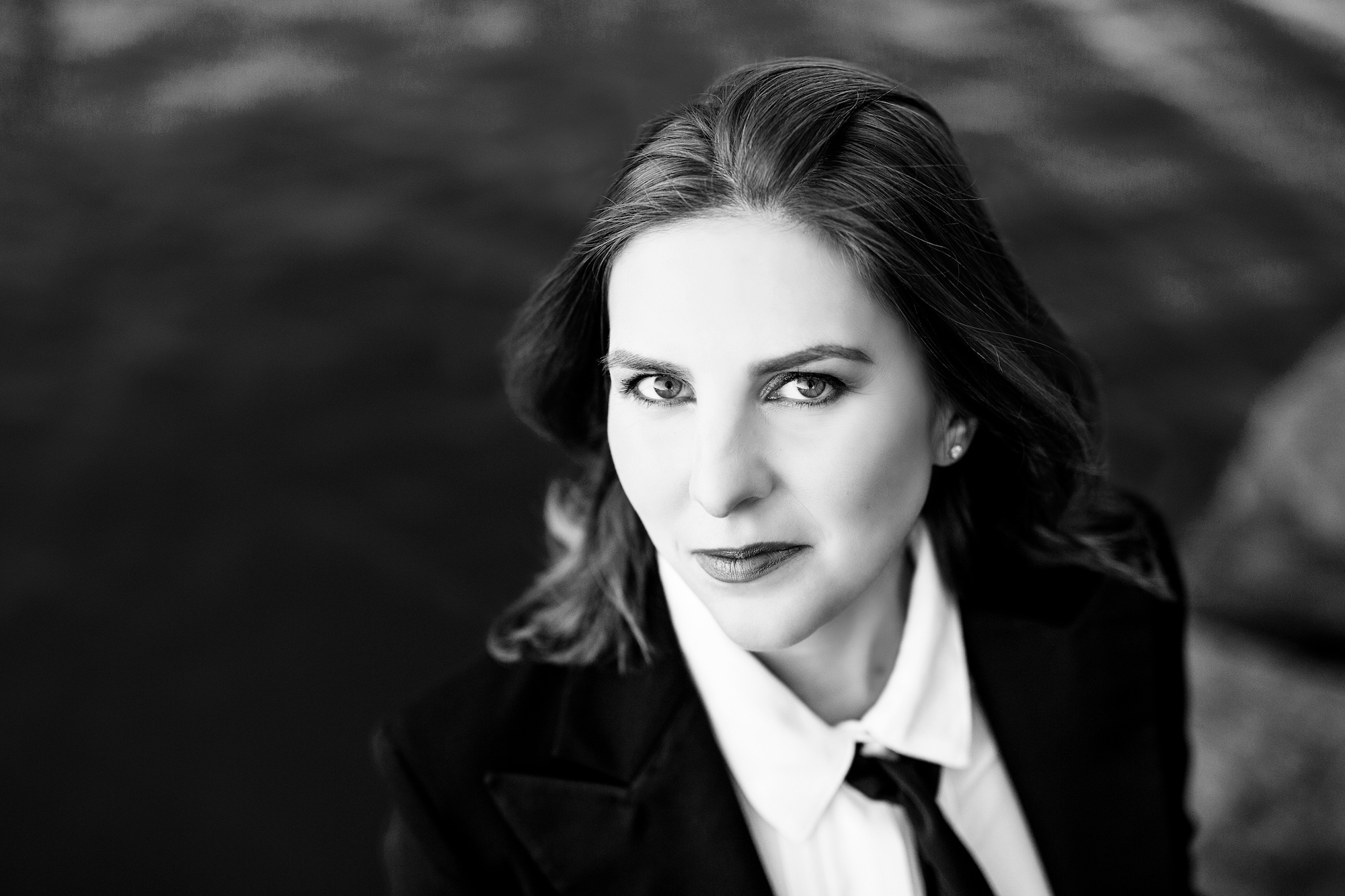
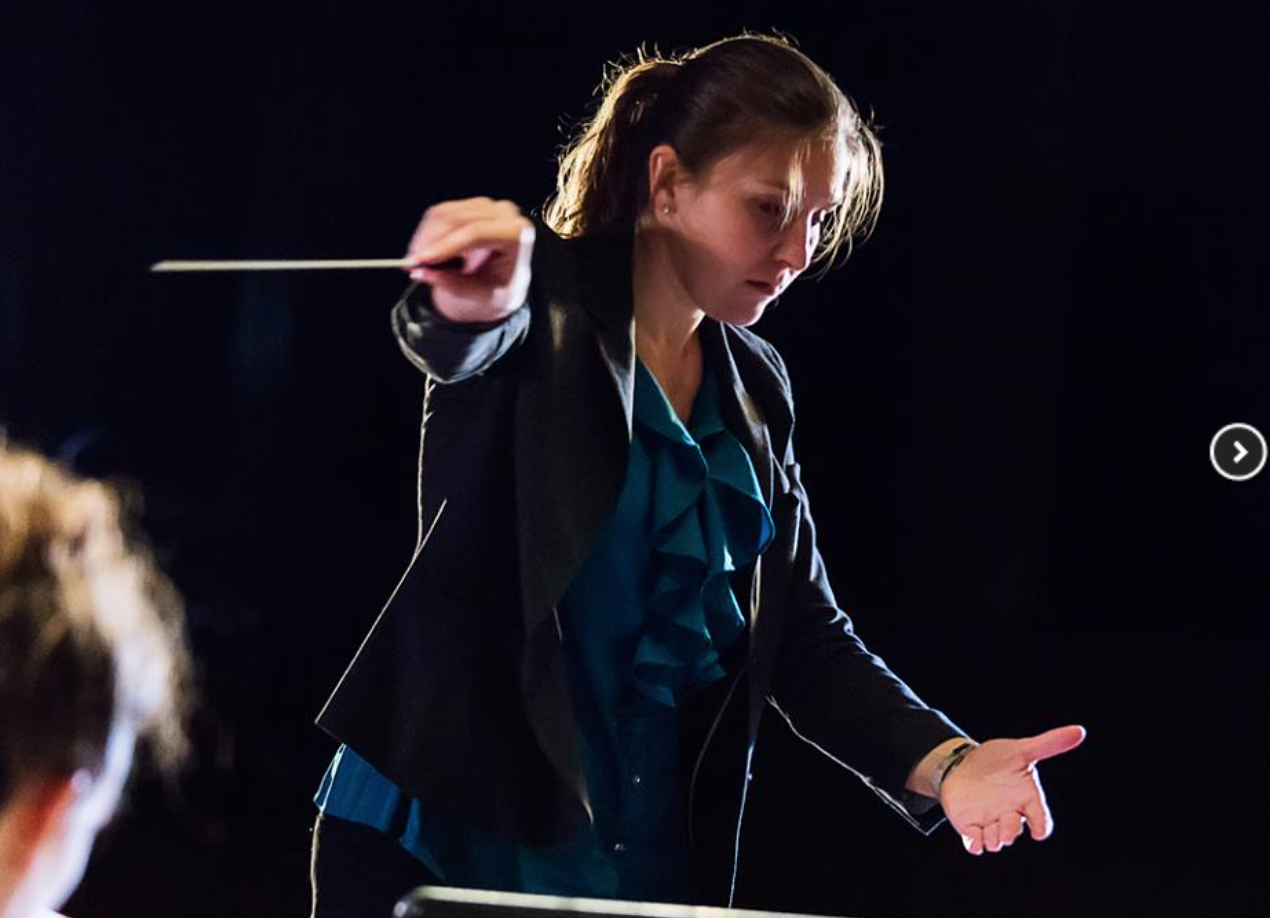
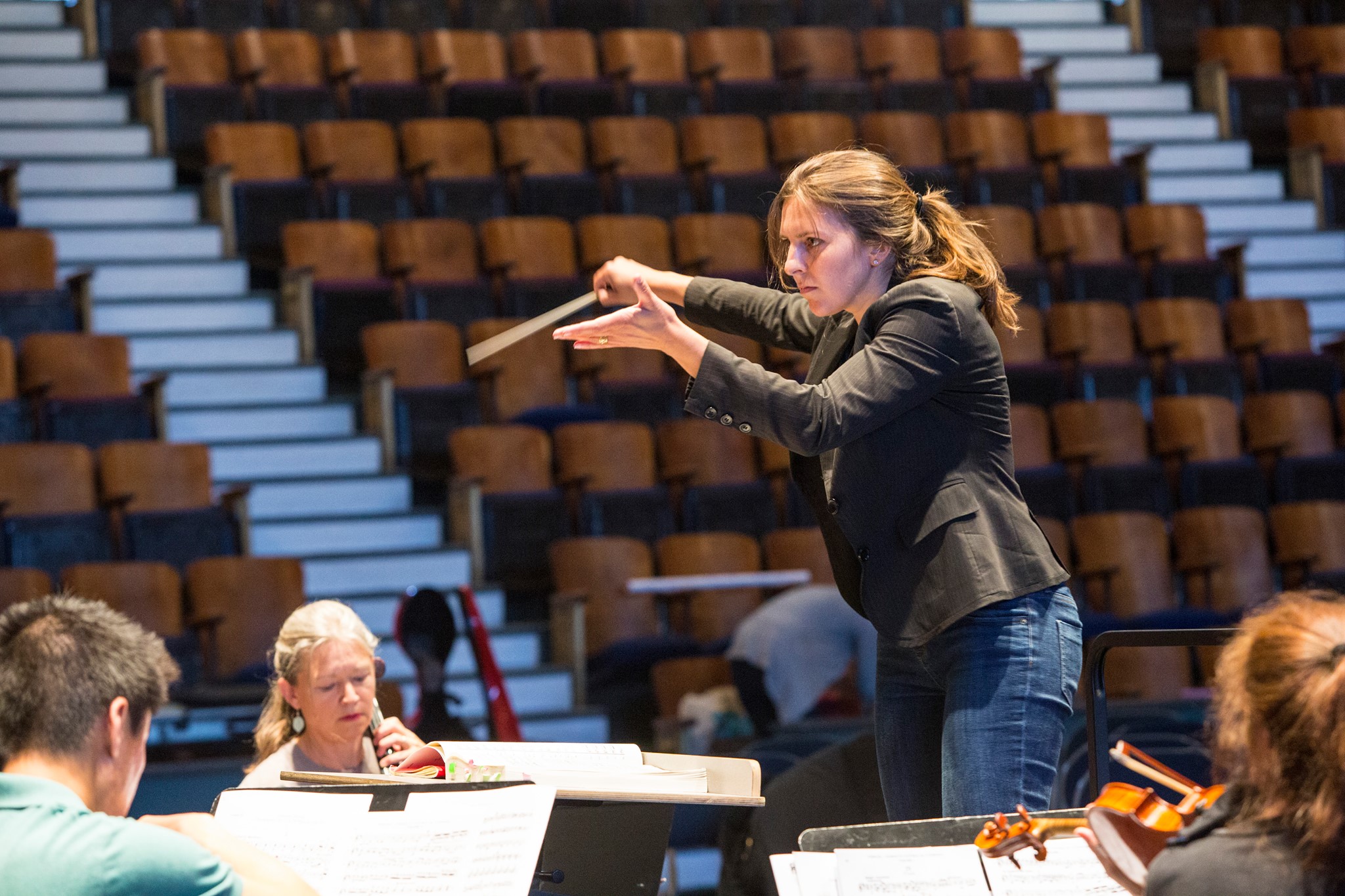
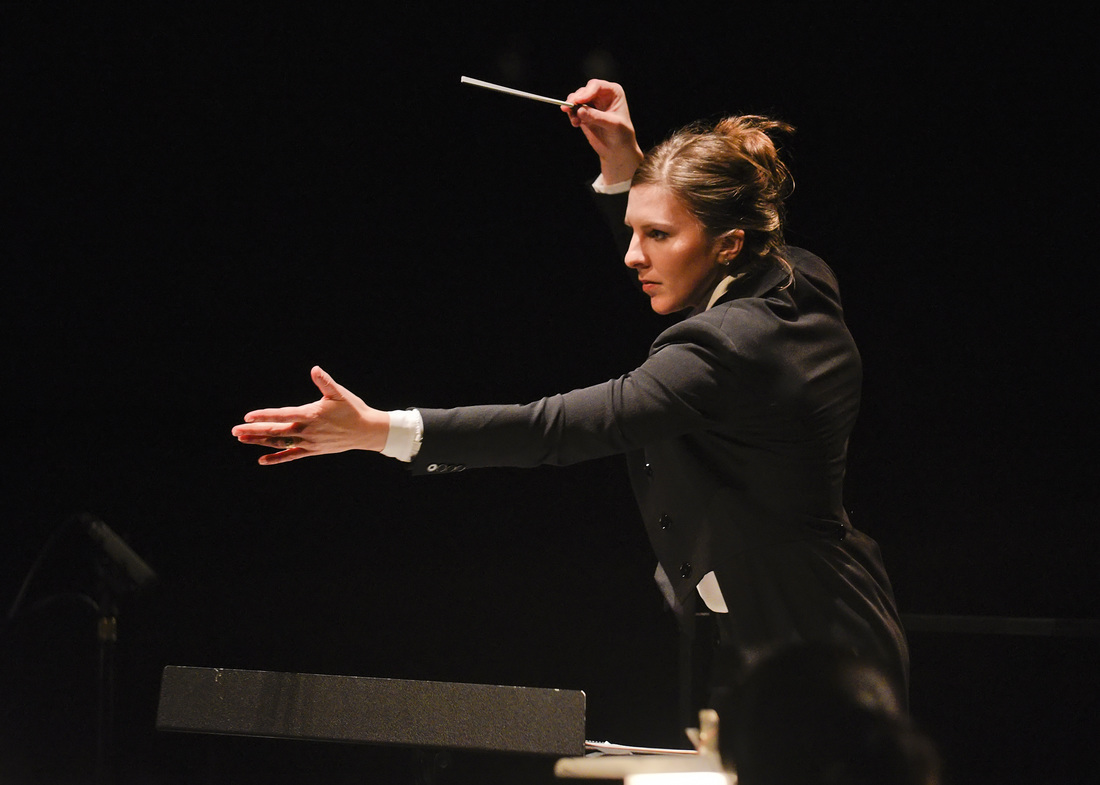 Image Credit:
Images Courtesy of Chicago Opera Theater
Getting in touch: VoyageChicago is built on recommendations from the community; it’s how we uncover hidden gems, so if you know someone who deserves recognition please let us know here.


