



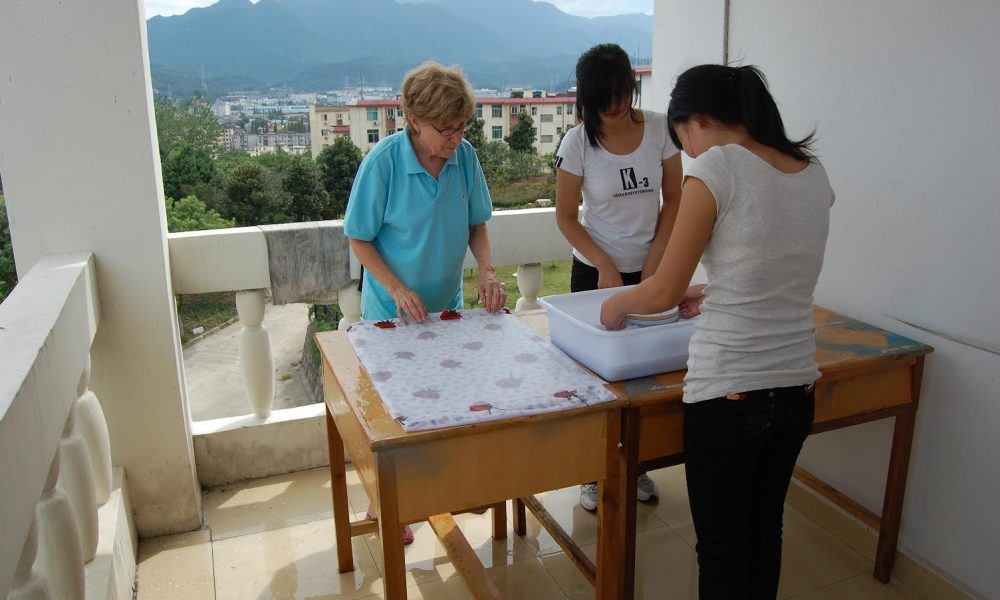
Today we’d like to introduce you to Rose Camastro-Pritchett.
Rose, please kick things off for us by telling us about yourself and your journey so far.
Geographically, I have gone full circle. I grew up in Evanston, took a BFA at Quincy University, taught art in the Chicago area, moved to Quincy, Illinois to teach art, earned an MS Ed from Western IL University, met my husband, had two children and started living abroad while they were babies. First to North Wales, then a five-year stint in Saudi Arabia where we worked for Aramco Schools, later through our painting workshop business, in Cyprus, Italy and back to North Wales. Throughout we kept Quincy, IL as home base and during the workshop period, I had my own art school there. When our children graduated from college, I moved to Chicago to get my MFA in Interdisciplinary Book and Paper Arts from Columbia College Chicago and taught for several years in the Arts, Entertainment and Media Management Department there. Throughout, I was making art and exhibiting. It was a priority. I was thrilled to do a performance art piece, a work-in-progress, for the Museum of Contemporary Art Chicago. Fortune provided several artist residencies which included one in Lucerne, Switzerland, and two at Jiujiang University, Jiujiang, China. Later I was a visiting art professor at Jiujiang University for a semester setting up a temporary papermaking studio to teach papermaking and artist books. When my husband and I returned from China, our rented apartment in Logan Square was sold. We moved to Evanston. I am now living in the upstairs flat of my cousin’s house, where I used to play as a child, two doors away from the house where I grew up. Full Circle.
Can you give our readers some background on your art?
For the past five years I have been working on my Comfort Women Project, a body of work that reflects the story of the comfort women, 200,000 young women who were coerced or kidnapped to be used as sex slaves by the Japanese military during World War Two.. The work also expands the narrative to current sexual abuse, sexual violence, trauma and healing. It is on handmade paper and incorporates hand sewing.
The Back Story: In 2013, I was invited to participate in the 85 Years 85 Artists exhibit at Menlo College in Atherton, California. Each artist was arbitrarily given a year to respond to with an artwork. Mine was 1940. By then I had visited China several times. So I checked out China to learn that, in 1940, “comfort stations” (brothels) had been set up in China by the Japanese military after the Nanking Massacre and were in continual, widespread operation. The military expanded and moved these comfort stations to follow the areas of combat in other countries extending to the end of WWII. “Comfort women” was the Japanese euphemism describing the women rounded up with violence and coercion to become sex slaves to Japanese forces. By war’s end, there were over 2,000 comfort stations and over 200,000 women from Japan, China, Taiwan, the Philippines, Korea and Indochina, including Dutch colonialists, who had been forced to become comfort women. Japanese military commanders were fully complicit in procuring women and developing and operating comfort stations. They kept detailed records.
My work about the comfort women expanded. How were the women taken? What went on in the comfort stations? How long were the women there? How were they treated? What happened to them after they returned home? I read more books, saw documentaries, read newspaper accounts, and narrowed my focus to Chinese women. Xuemei Wu PhD, professor of history at Zhon University in China, was particularly helpful in discussing the conditions and culture of the Chinese during the war; her grandparents lived in the mountain hills above Wuhan at that time. I was particularly interested in the negative attitude of the Chinese local governments and citizens toward the comfort women once they were released. Commonly they were ostracized and, in some cases, sent to labor camps as a punishment for what the government considered to be consorting with the enemy.
It is hard to escape the common thread of shame and silence about sexual abuse, whether it is as highly organized and brutal as in the case of the comfort women in China; perpetrated by men of power in Hollywood, the American news media, and the White House; or secretly done by a father to his daughter in Evanston, Illinois. It needs to be talked about, exposed, and not forgotten.
What do you think is the biggest challenge facing artists today?
It’s balance. Making the art and doing the necessary business so that the work can be seen and expenses can be paid. It’s not getting overwhelmed. Its spending time with those you love and care about. It’s spending time alone and nurturing oneself. It’s working and playing. Nothing new here, just the basics.
What do you think about conditions for artists today? Has life become easier or harder for artists in recent years?
Every profession has its challenges. Artists bear the full expense of making the work and then give 50% to someone to sell it. Artists are asked to lend their work for exhibitions and often expected to pay for shipping and insuring the work while it is in the exhibition space. Studio space and materials are necessary and expensive. Artists must pay taxes on what they sell. Artists need the space to make the work and the time to do the business end. It is not easy and often requires another job to make ends meet.
Chicago, with its world class art museums, outstanding art schools, and professional art organizations, creates a good climate for artists. What would help would be more spaces like the Bridgeport Art Center and more affordable art studios.
What’s the best way for someone to check out your work and provide support?
The Comfort Women Project has been exhibited in Athens, Greece, and this past winter at Prairie State College in Chicago Heights. It is currently at The Reflect Space Gallery in the Glendale Library, Glendale, California, as part of a citywide program. From October 18 – November 17 it will be at Menlo College in Atherton, California where I have a three-week artist residency. I will be creating a new work with students expanding the narrative from the comfort women to current sexual abuse, its trauma and healing. The Comfort Women Project will be available for further exhibition in 2019. Contact me at www.rosecamastropritchett.com
How do people support your work?
Being an artist is challenging financially and emotionally. There are lots of rejections to handle and it is competitive. Having a strong support system is necessary. My husband has been with me every step of the way. My daughter, a published writer and copy editor, provides inspiration and challenging questions. My son, a university lecturer and rock musician, who has lived in China for the past 10 years, has facilitated my work there. I have good friends, artists and otherwise, who provide platforms for discussion about my work, their work, and mutual concerns about our lives. For the past two years, I have had a studio assistant, who has been important in keeping me organized and on task.
Contact Info:
- Website: www.rosecamastropritchett.com
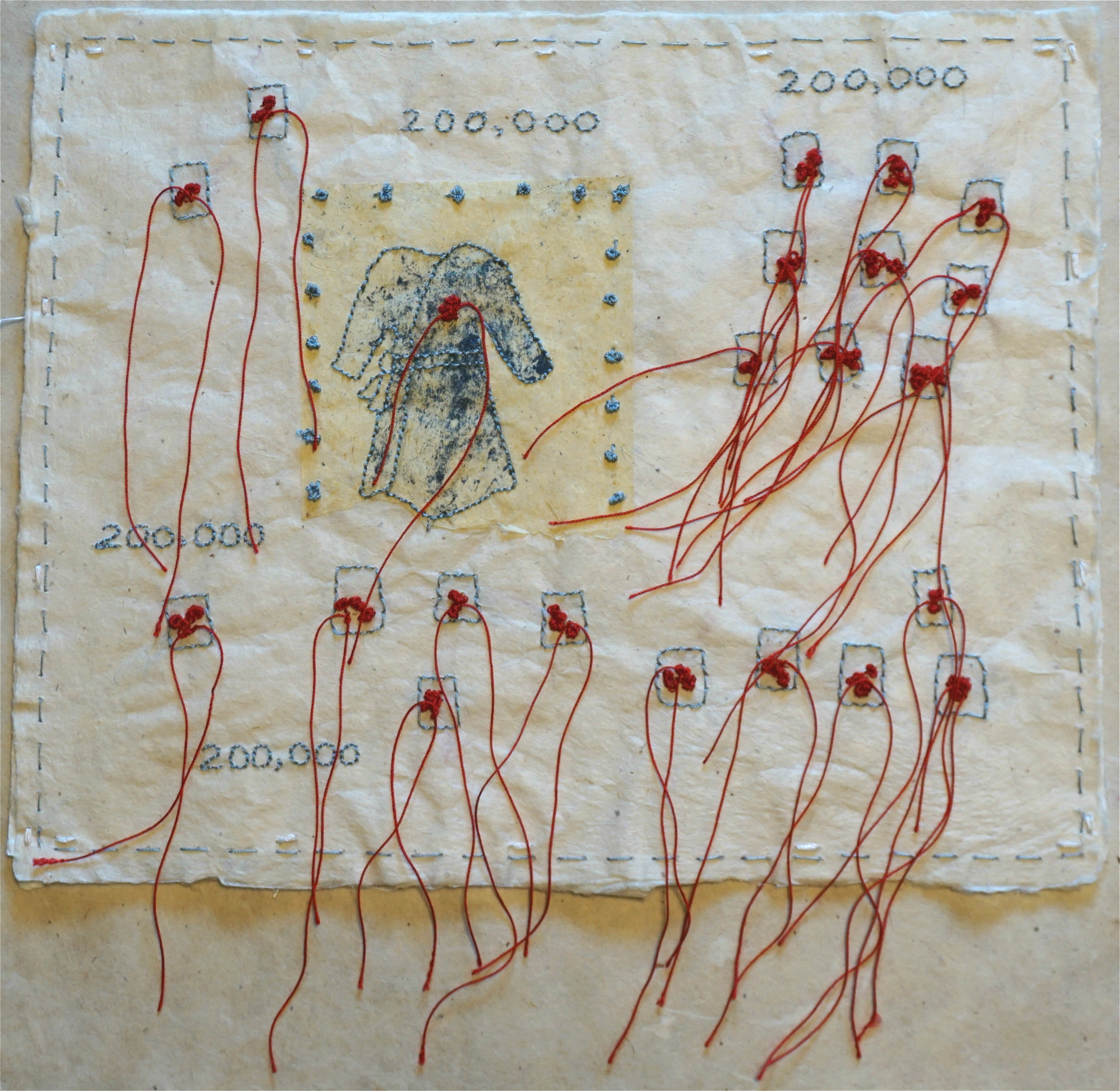
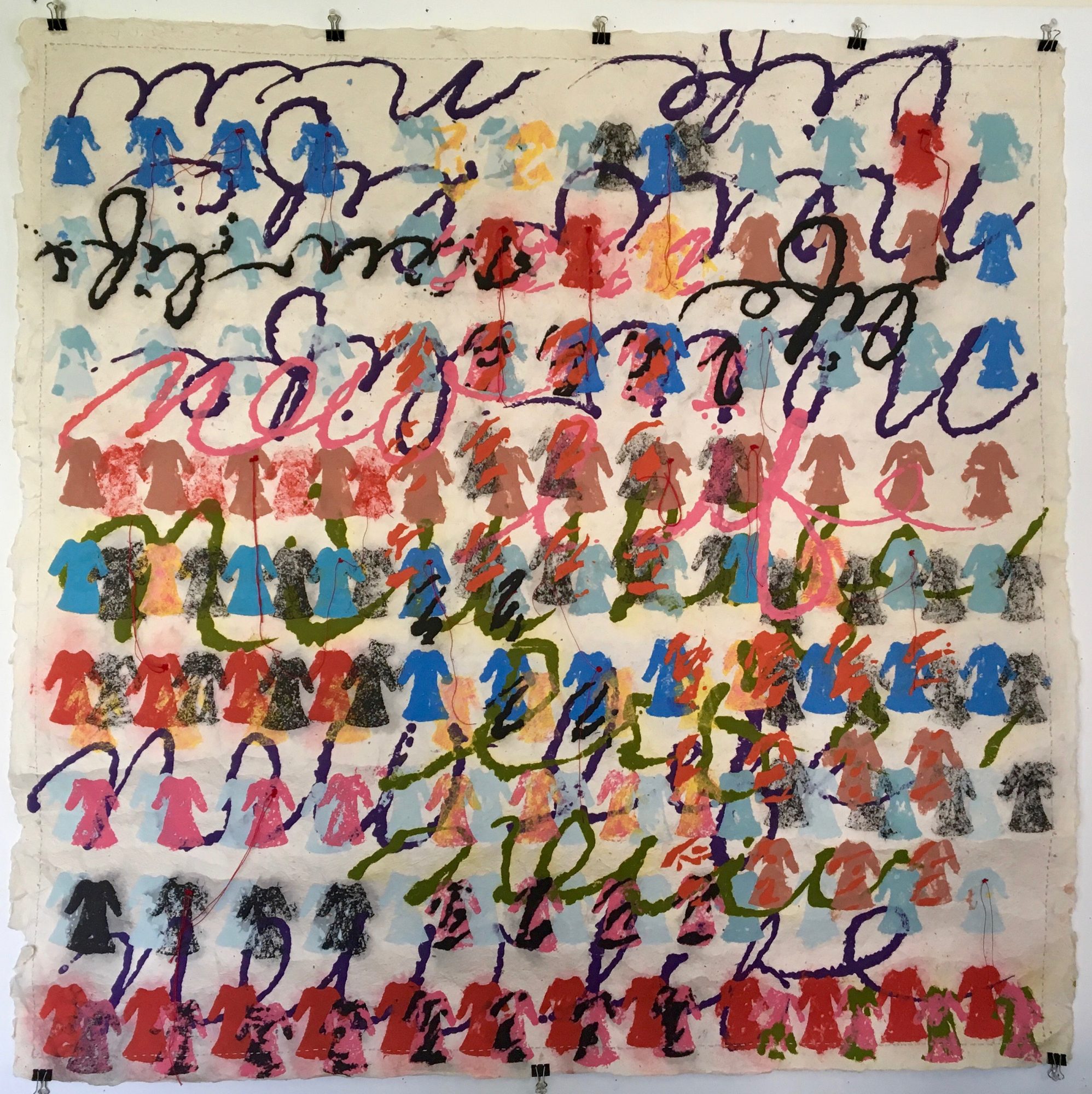
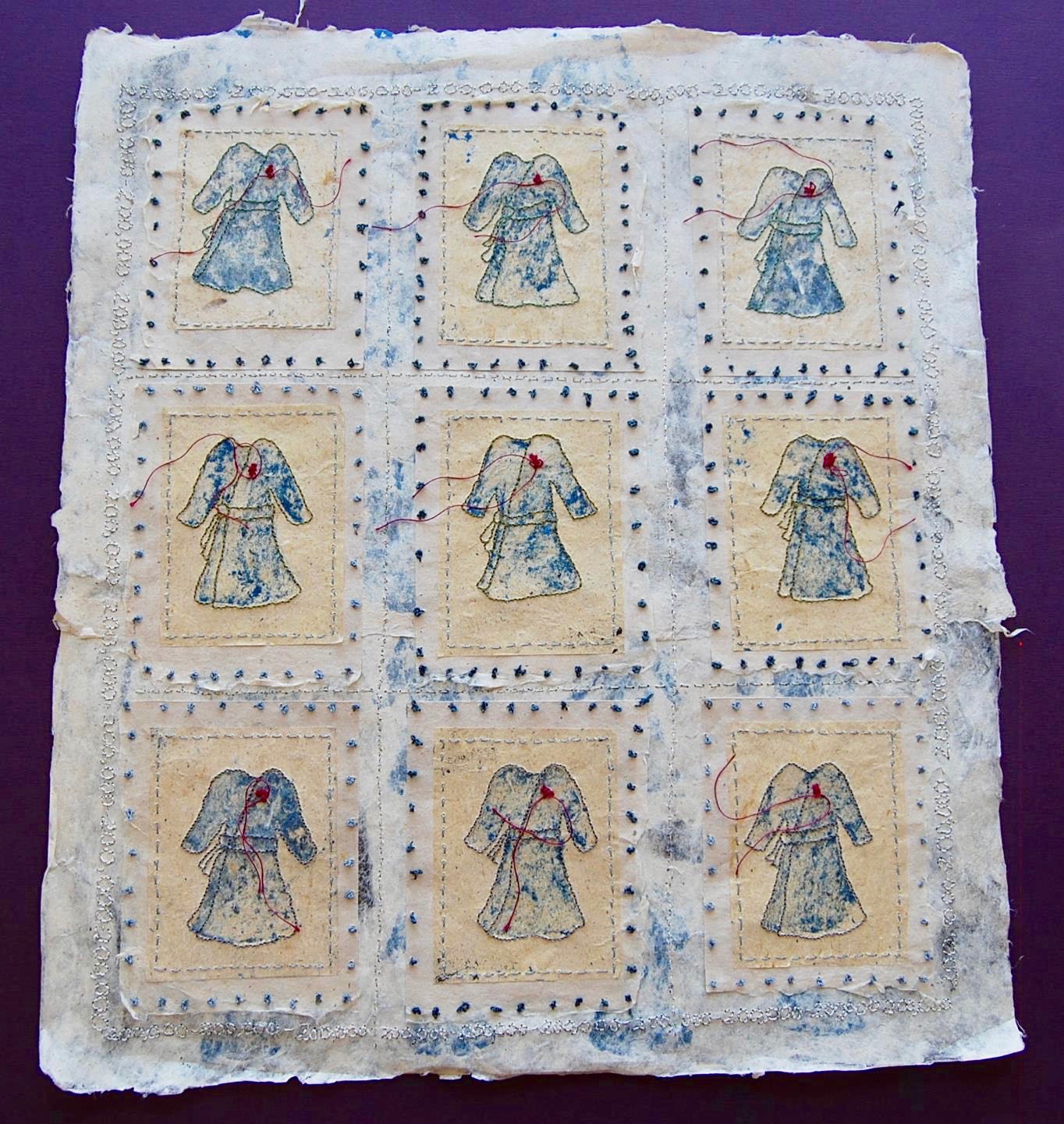
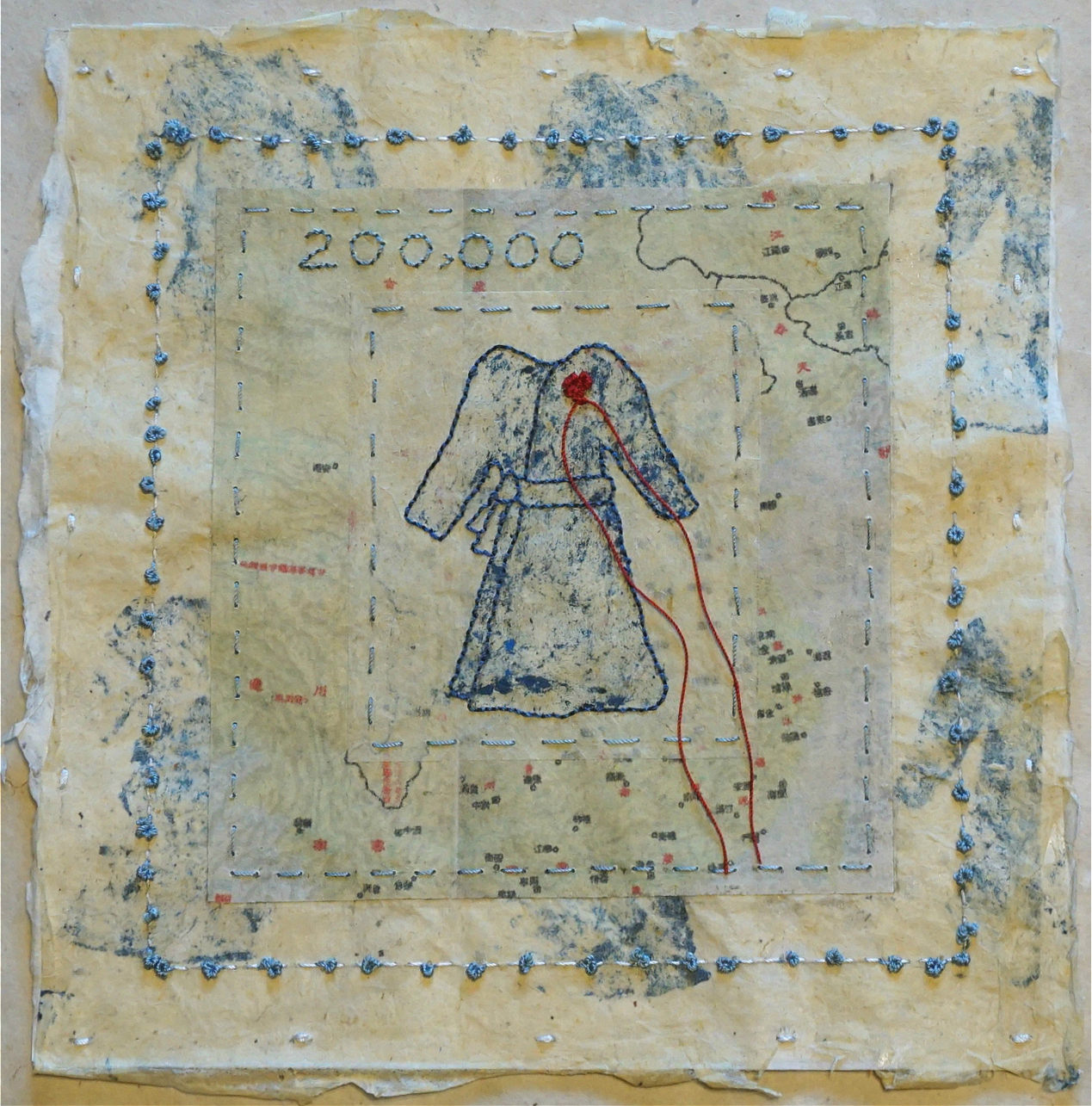 Image Credit:
David C. Pritchett, Na Wang
Getting in touch: VoyageChicago is built on recommendations from the community; it’s how we uncover hidden gems, so if you know someone who deserves recognition please let us know here.


Mary Byrne Eigel
September 5, 2018 at 7:39 pm
Rose, love that you and your work is getting deserved attention. Congratulations.