



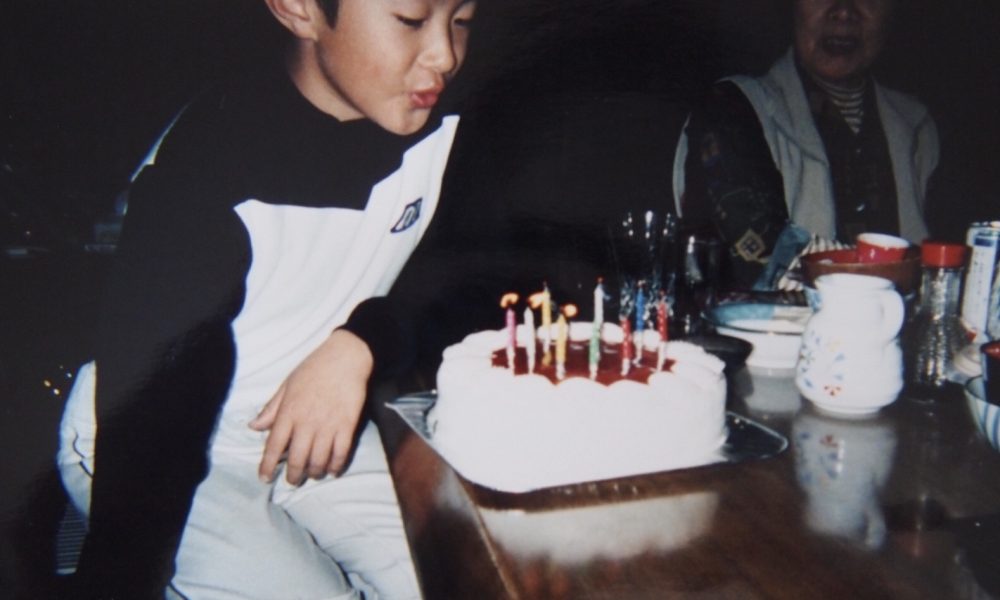
Today we’d like to introduce you to Naoki Nakatani.
Naoki, please kick things off for us by telling us about yourself and your journey so far.
I was born in a small city called Ube in Yamaguchi Japan. It used to be a coal mining town but the city has developed into an industrial city. My grandfather worked for one of the largest concrete companies in Ube, and my grandmother was one the carpenters to build the first Baskin Robbins in the city. My father was once an engineer, but now he organizes multiple colleges in Japan and some in other Asian countries. My mother is a nurse, and both of my sisters became physical therapists working in hospitals.
I was exposed to a lot of international films as a kid, especially Hollywood movies. As a kid I always wanted to be a filmmaker. Because of my father’s job, every year our family would invite exchange students to stay with us while studying Japan. Growing up in that environment made me aware and interested in the world. My last year of junior high school I had an opportunity to study abroad in Australia for a few weeks. The experiences I had in Australia made me decide to attend high school somewhere outside of Japan.
My parents were very supportive of this decision, I started attending a local high school in Halifax Canada to improve my English and take film and theatre classes. I couldn’t speak English very well at the time, but studying art, film, and theatre was a way to communicate and express myself. Around that time I started to get interested in theatre. I enjoyed things happening in front of me in real time.
After graduating high school I came to Chicago. I went to Columbia College for theatre directing, and in 2016 I transferred to The School of the Art Institute of Chicago (SAIC) for performance art. I don’t know why, but ever since I was little I knew I was going to be in Chicago.
I had to take foundation classes during my first 2 years at Columbia, so I couldn’t direct anything. Instead I saw as many theatre shows in Chicago as possible and kept notes. By the end of my first year, I started to question theatre production and my ideas about performance. I was starting to value something more ephemeral about time. Time structure: Beginning and End seemed to be forced on me in creating performances. I began reading about the Situationists, Fluxus happenings, and my love, Yoko Ono. I wanted to look at performances from a fine art / art historical perspective. SAIC’s interdisciplinary program seemed fitting for my last 2 years of undergrad. I focused on finding a system or structure that supported my conceptual ideas. Systems that facilitates people’s movement in time and space.
Can you give our readers some background on your art?
When I create my performances I always think about its life after the initial performance. How can my work, or the viewers’ experience of my work stay with them after the performance “ends”? I hope to make performance pieces that keep performing forever. This way, the initial performance generates the next action in the viewer’s’ experience of my work. One thing leads to another.
Oftentimes my work involves small objects that viewers can take it home with them. In 2017 I Collaborated with Chicago-based writer Jazzy Smith on a piece called You (Me), disappearing me (you). In this performance I served necklaces with letter beads that spelled out phrases that Jazzy and I came up with. I gently tied the necklaces onto each viewer’s neck. After they took the necklaces home, it became an access point from which the viewer became the active performer after my initial performance at the gallery space. Other performances involved take-out chocolates, cards, and flags.
More recently, I’ve been looking into different ways of documenting my work. This process began in response to my final thesis performance at SAIC, which I presented this spring. I’m hoping to record the thinking behind my performances into a publication. Almost like a recipe book for performances.
What responsibility, if any, do you think artists have to use their art to help alleviate problems faced by others? Has your art been affected by issues you’ve concerned about?
I believe an artist is, and has been is someone who searches for and provides new perspectives. I do not believe in creating new things, but rather coming up with new ways to look at the things we already have. If more people embrace new perspectives and ways of reflecting on things, the lives around us become more visible and easier to appreciate. At least that’s the kind of world I want to participate in.
What’s the best way for someone to check out your work and provide support?
I’m planning to present my new work in a public space somewhere in the fall. Please check my Website for upcoming performances.
Contact Info:
- Website: https://naoki-nakatani.squarespace.com
- Email: naokinakat@gmail.com
- Instagram: @tamatamatamao
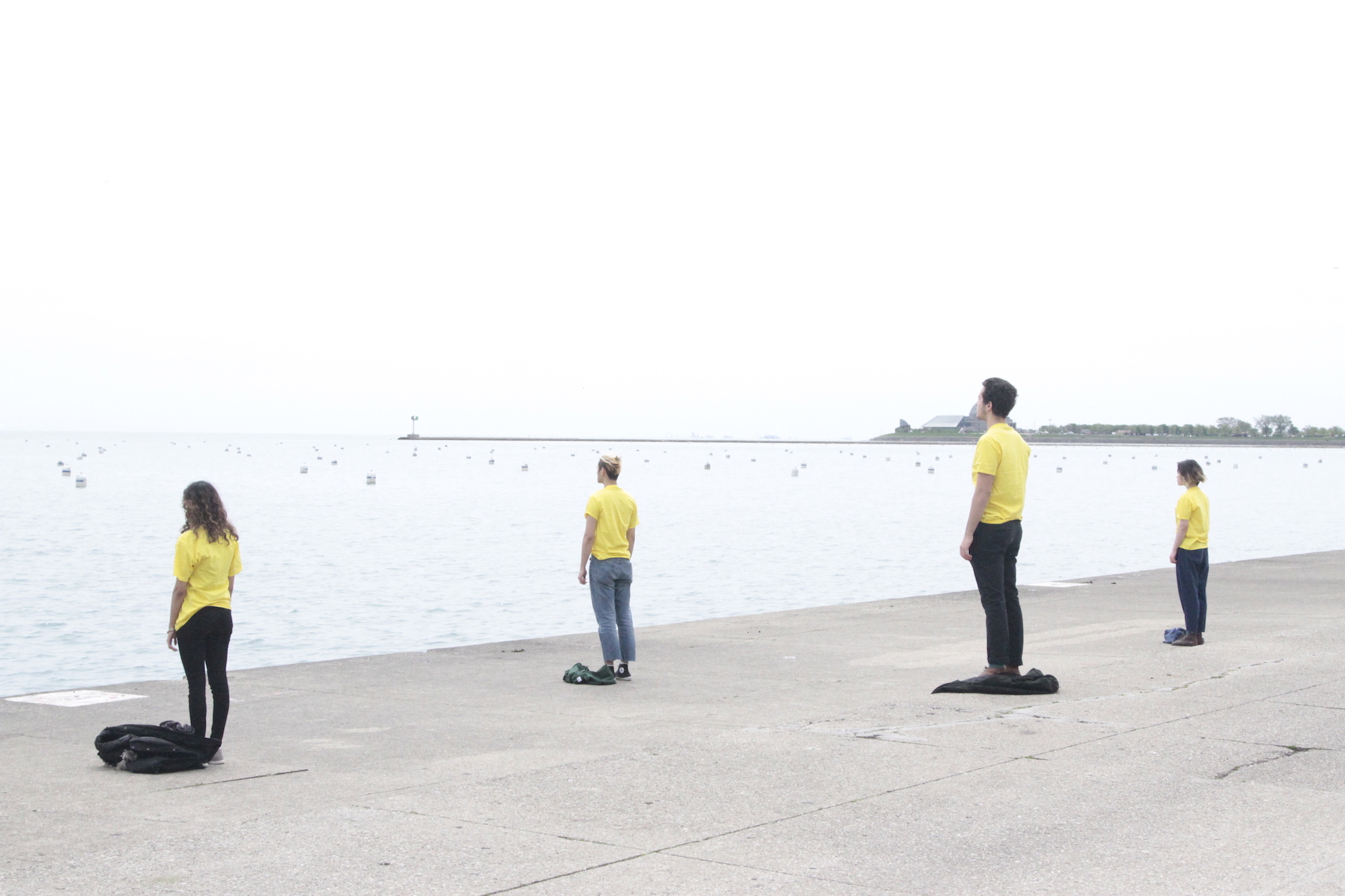
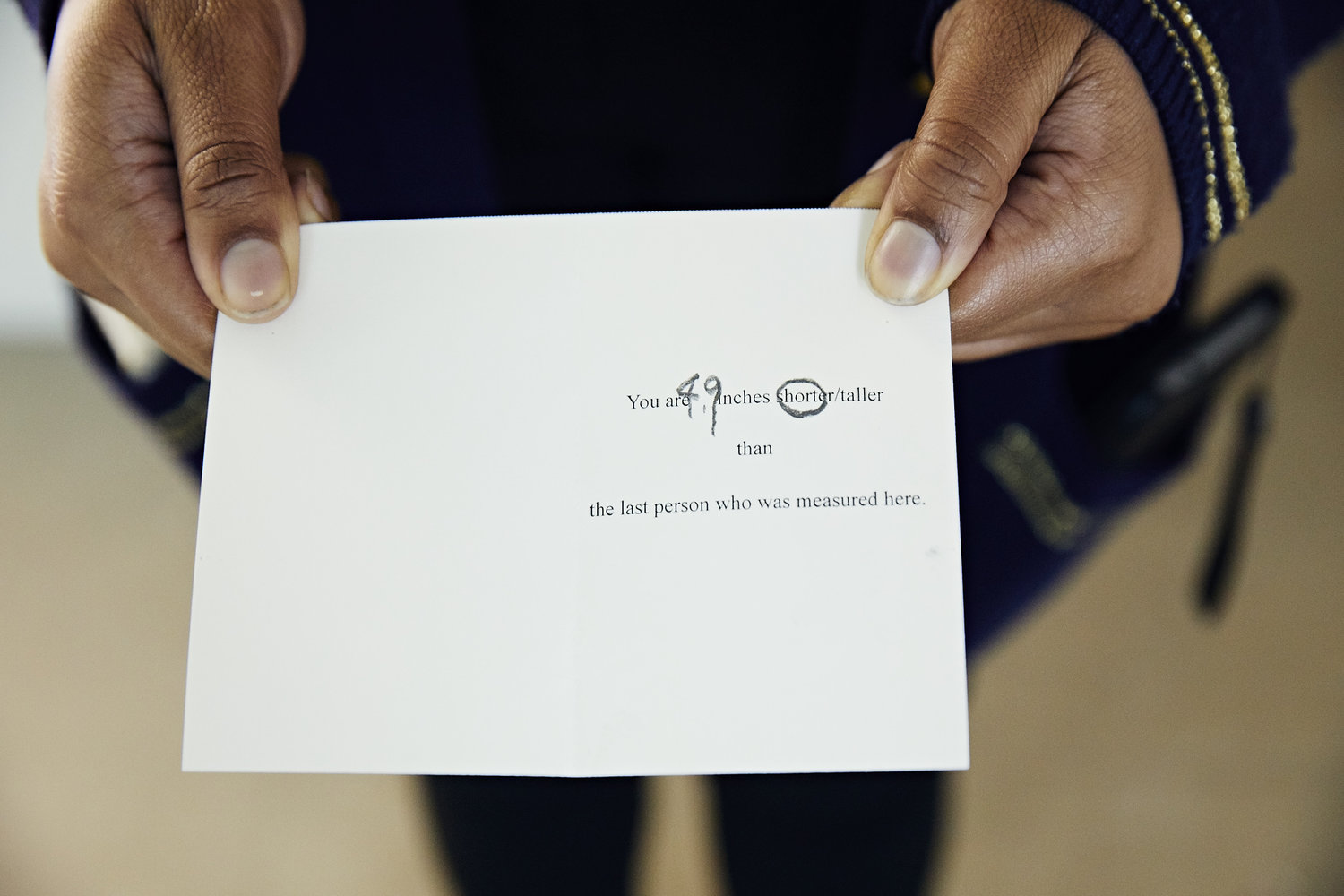
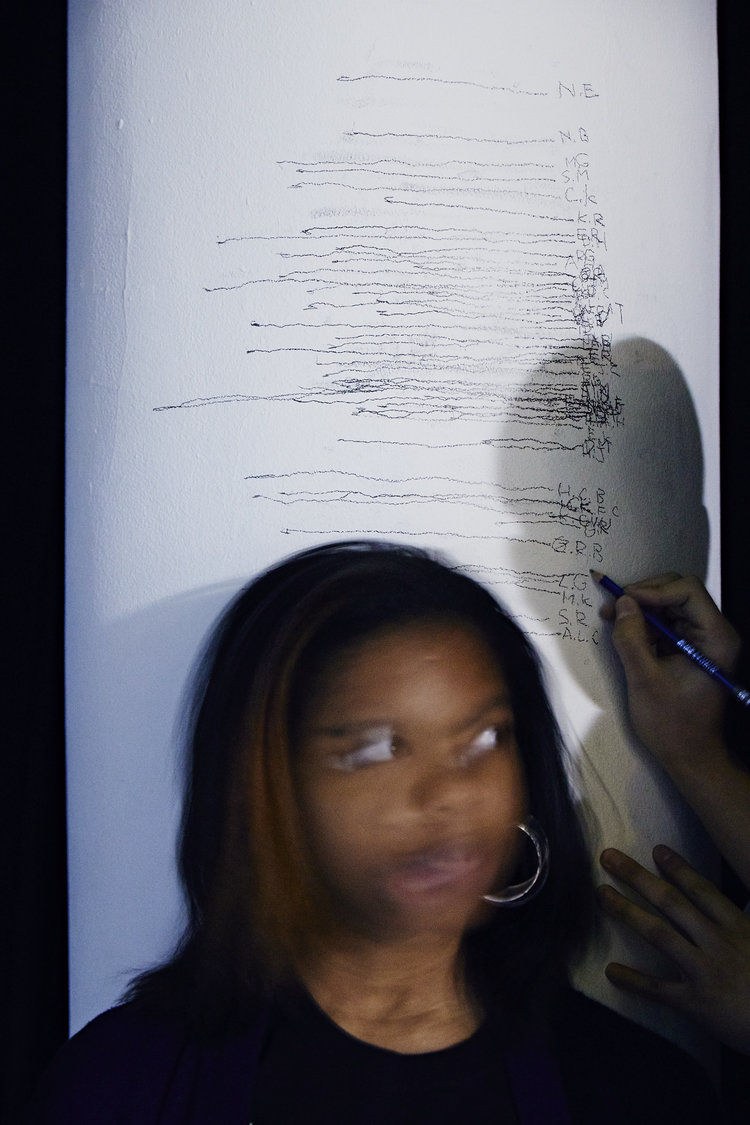
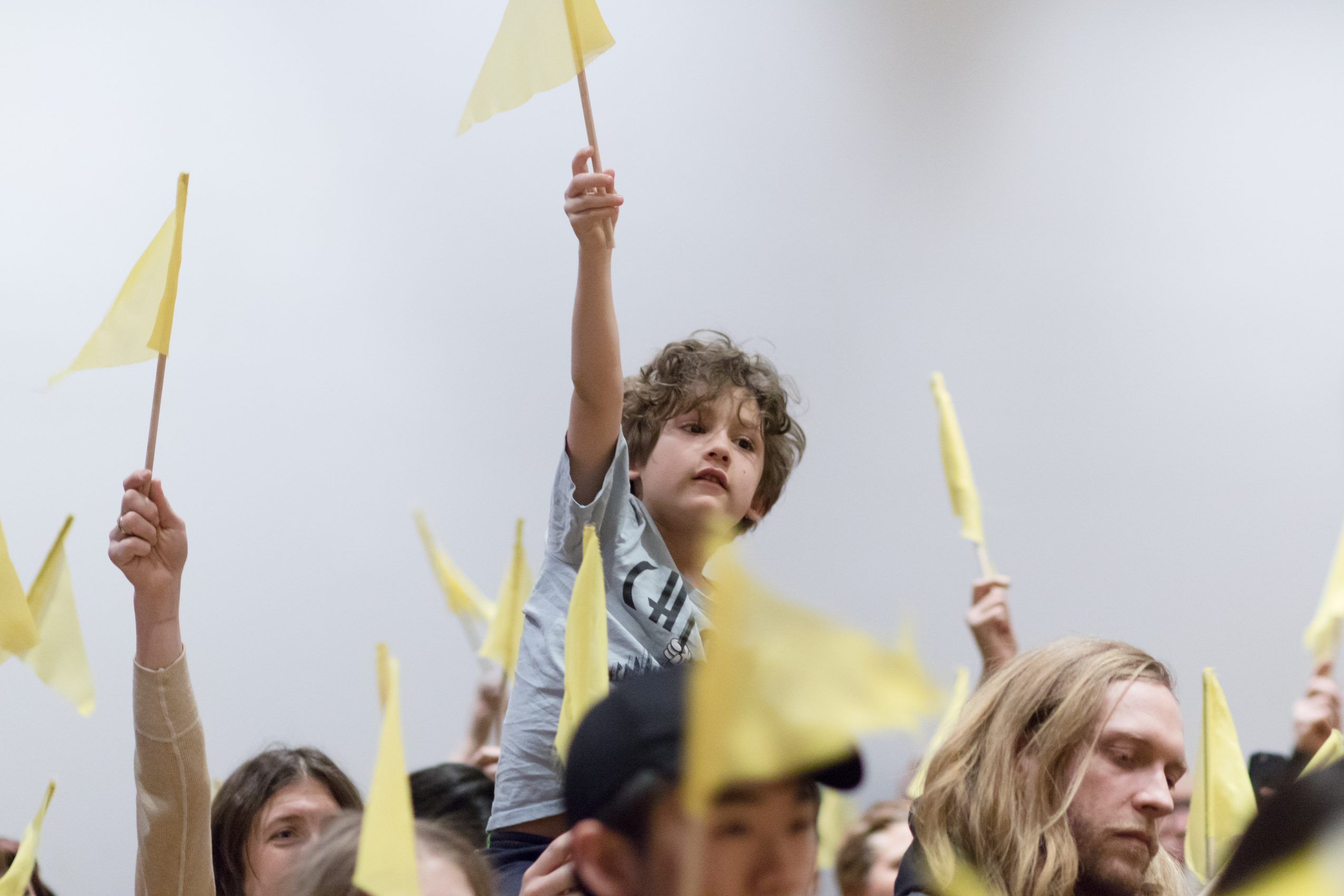
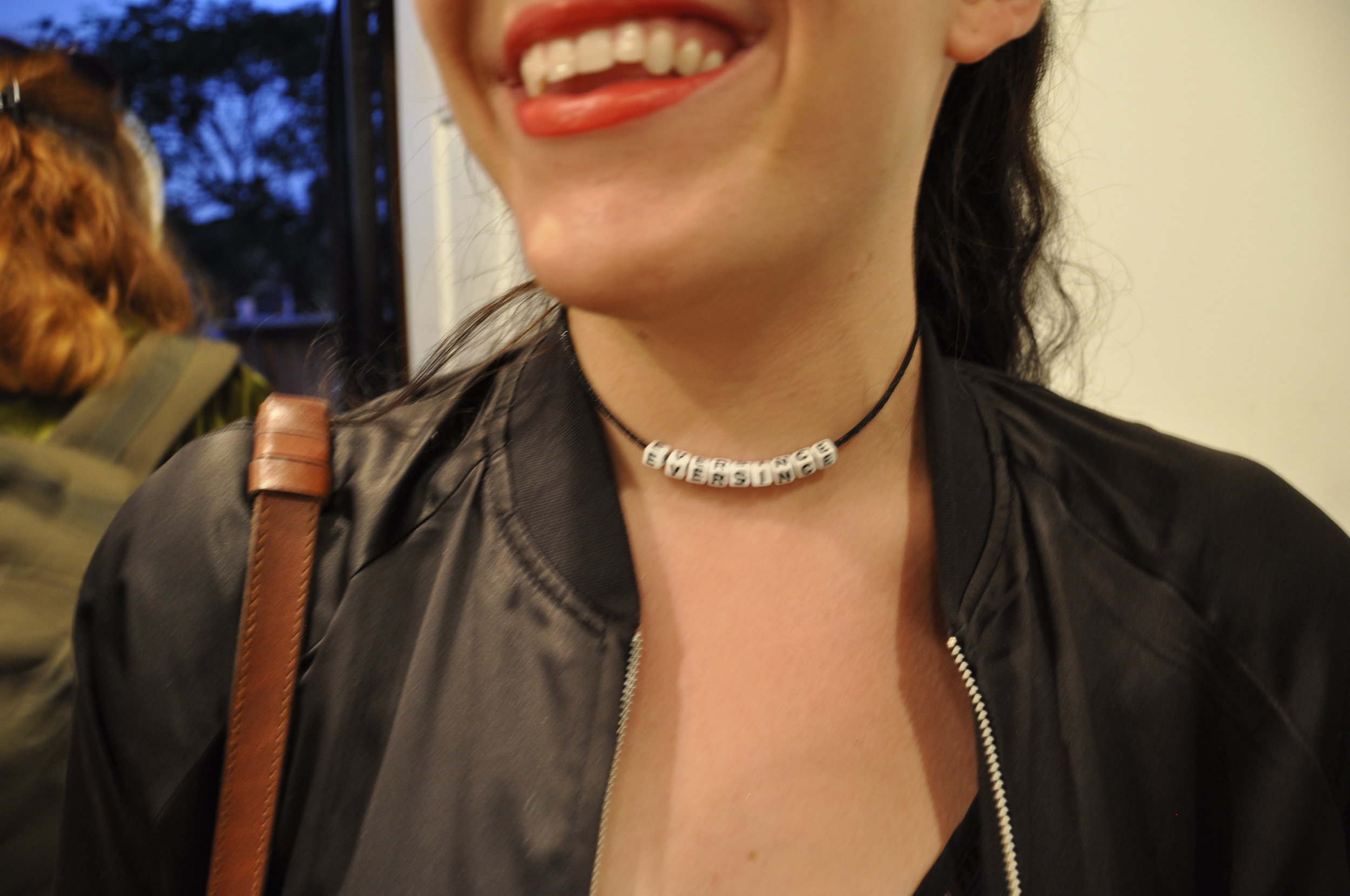
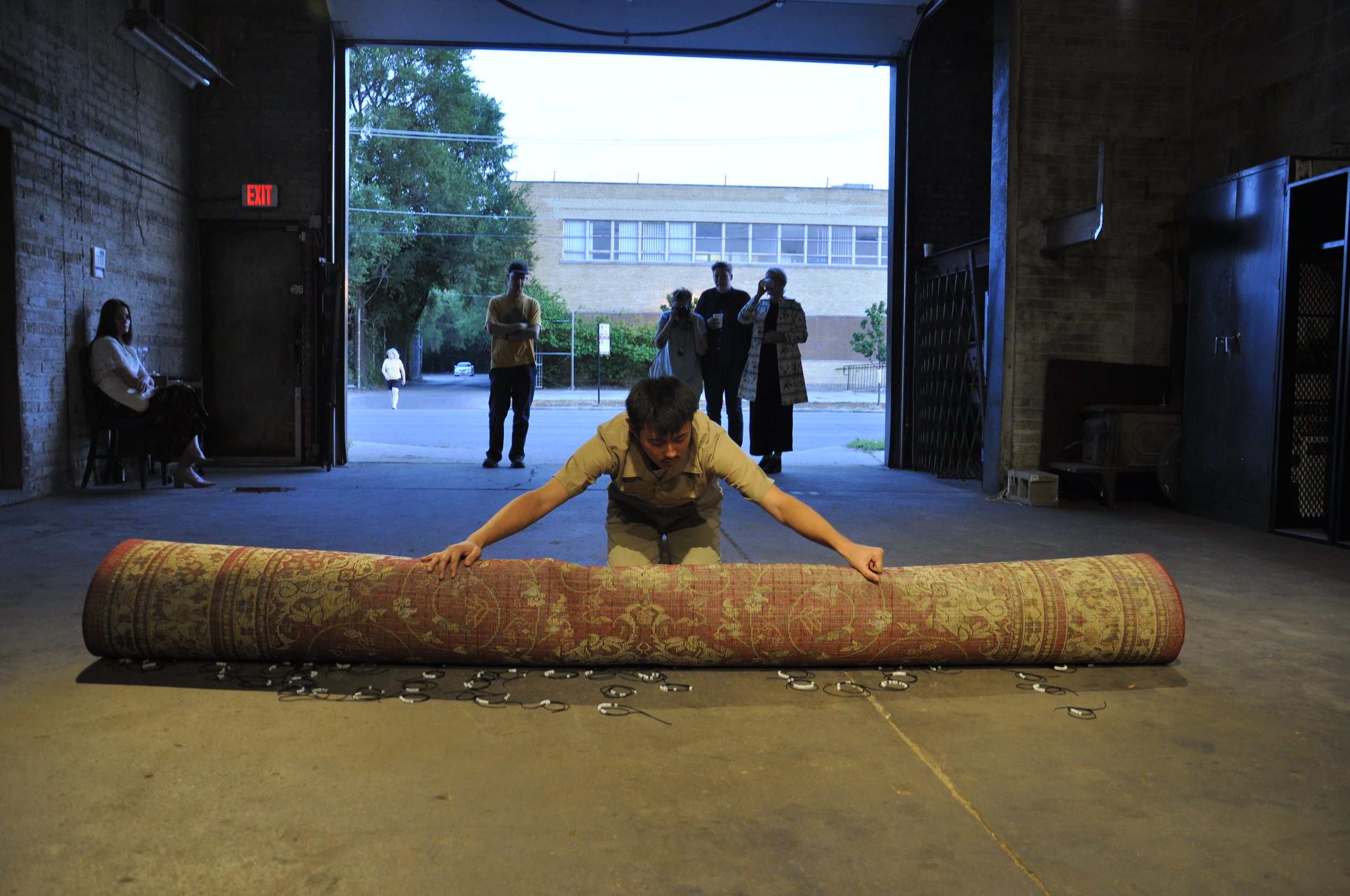 Image Credit:
Tony Favarula
Nanna rosenfeldt-olsen
Mat Wilson
Getting in touch: VoyageChicago is built on recommendations from the community; it’s how we uncover hidden gems, so if you know someone who deserves recognition please let us know here.


