




Today we’d like to introduce you to Leigh DeLeonardo.
Leigh, please kick things off for us by telling us about yourself and your journey so far.
I’ve been designing clothing since I was 7 starting with my Barbie. I became a bit more committed at the School of the Art Institute of Chicago where I graduated from the fashion department. Upon graduation I launched my own label and sold to department stores such as Saks, Nordstrom and Marshall Field’s as well as many specialty shops throughout the US. However I felt less and less like a designer and more like a manufacturer so I decided to scale back. I opened my first shop in 1994 which was called Made to Fit. It was a consortium of local designers and makers and was doing well when I met my future husband and moved to Southern Illinois. When our daughter was 13 I felt it was time to reopen my consortium. My husband and I opened Union Handmade in 2013. He keeps the books and creates our display furnishings. Several of the same designers that were with me at Made to Fit joined me again in this new venture. We opened with 9 members and now have 15.
Can you give our readers some background on your art?
I design and develop a collection of women’s separates, dresses and lounge wear. I make all my own patterns and my husband and I do all of the cutting. My seamstress lives in Skokie and I consider her my partner.
I have always been fascinated by everyday clothing worn by ordinary people in the past – especially the suffragettes and the working women of the 1940’s and 50’s. Most of my collections have begun at the Newberry library in Chicago – a creative sanctuary – and I love to look through very old magazines and catalogs.
While I was in college I worked at a fabulous traditional clothing store called Mark Shale on Michigan Avenue. This was as inspiring for me as the Art Institute but in the opposite way. The Art Institute was a mecca for all things bizarre while Mark Shale was conservative and all about high quality traditional clothing. It was like a second education for me. While working there I saw the women customers who were building their work wardrobes walking out the door looking like little men. This was in the early 1980’s. They were wearing men’s suits with bust darts, button down shirts and neck ties: a very emasculating look. So when I graduated I knew exactly what I wanted to do: give the corporate woman an alternative to that look. I used menswear fabrics so my suits would be “familiar” but I cut them in very feminine shapes and they were stand-alone suits: no shirts possible. This look is what launched my career – women were more than ready for a strong feminine alternative.
I’ve been a clothing designer now for 34 years. My customers and I have both changed with the times: women don’t wear suits anymore and the world is a more casual place. My collections are much more relaxed but still appropriate for the new workplace, or dinner out, or just living. I still employ the same high quality sewing techniques I learned at Mark Shale, still use the same high standards when selecting fabrics and buttons. I’m still addressing the needs of my customers and I still find those needs inspiring. I have never lost the passion I have for designing and taking a garment from concept to consumer – it’s like magic for me and every new collection feels fresh and exciting.
I believe strongly that had I continued on the path I was originally on: showroom in NYC, selling to big shops with big production runs I would have lost myself and the passion I feel for designing. Slow fashion was definitely the right path for me. I no longer even call myself a fashion designer. I am a clothing designer and I love what I do.
In your view, what is the biggest issue artists have to deal with?
For me, as a clothing designer, it is finding talented seamstresses and high quality fabric. The garment industry in the USA is all but gone. When I go to NYC for my fabrics it is a true needle in a haystack experience. 30 years ago this was not the case. One by one suppliers that I used to count on have closed. And talented seamstresses are now cleaning hotel rooms instead of sewing. I am very lucky to have my one seamstress but she can only do so much. I have to limit what I can produce because I can’t find anyone to help her. So I would say production and materials is my biggest specific challenge but for everyone in general it is definitely sales. Our shop is doing better each year but it can be very hard to make a living. Customers can be hard to come by but we are building a very loyal clientele and we consider our customers a part of our community. We are a community shop!
What’s the best way for someone to check out your work and provide support?
I only sell from my shop, Union Handmade at 3860 N. Lincoln Avenue. There are 14 other primarily local designers and makers in the shop. We make our own items or work directly with local artisans. Shopping with us makes it possible for us to continue. Union Handmade is one of 5 shops in a row so there are 5 reasons to head our way!
Contact Info:
- Address: 3860 N Lincoln Avenue
Chicago, Il 60613 - Website: www.unionhandmade.com
- Phone: 773 348 1400
- Email: unionhandmade@gmail.com
- Instagram: unionhandmade
- Facebook: unionhandmade
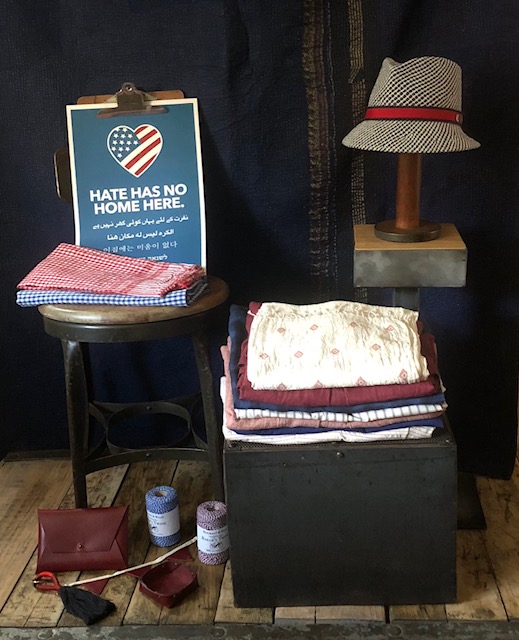
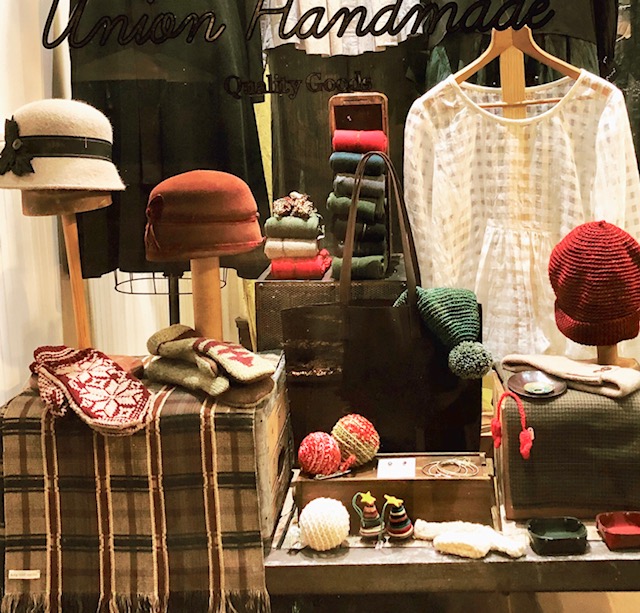
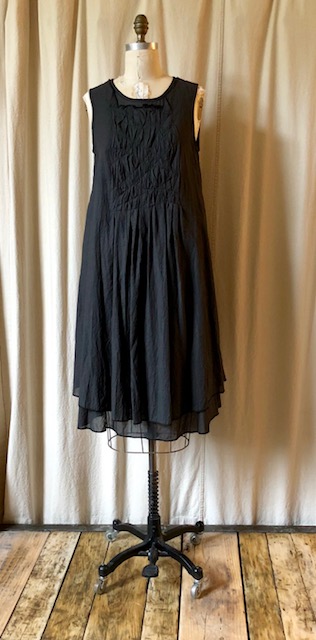
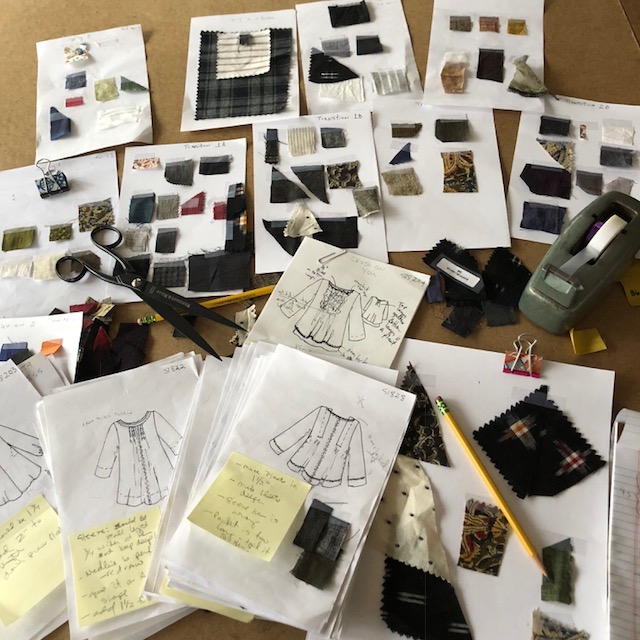
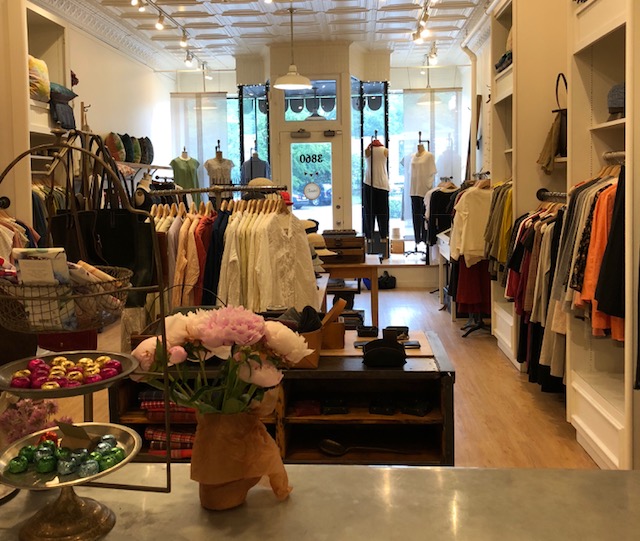
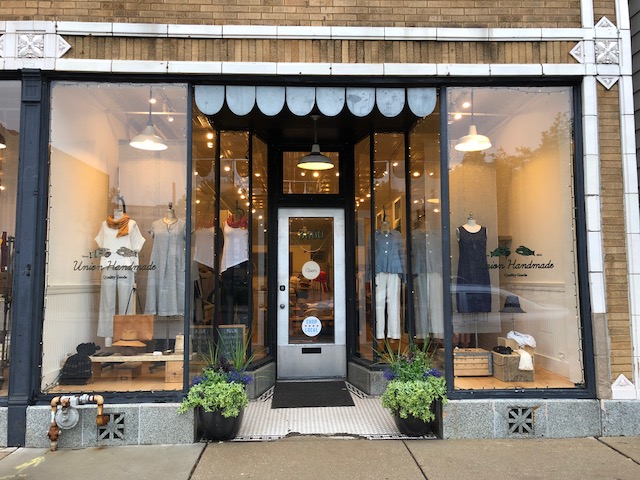
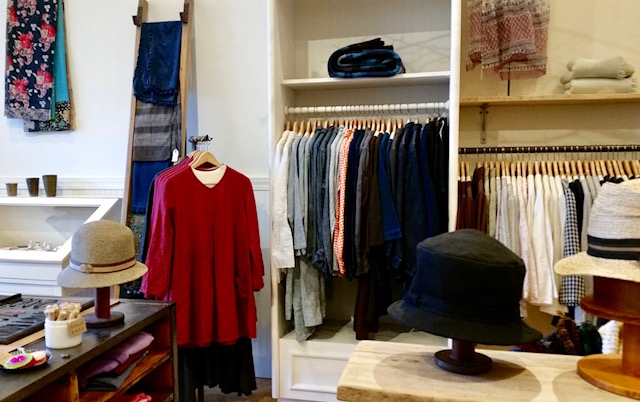
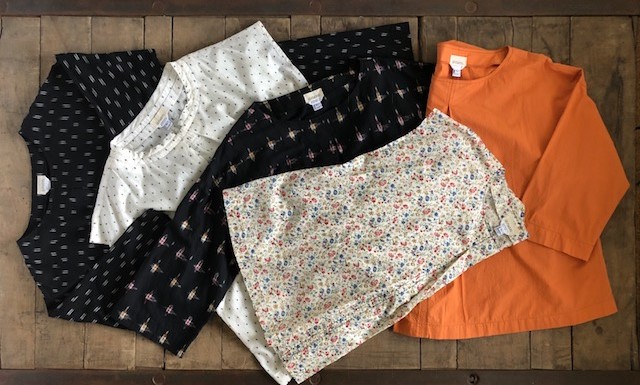
Image Credit:
Leigh Deleonardo
Getting in touch: VoyageChicago is built on recommendations from the community; it’s how we uncover hidden gems, so if you know someone who deserves recognition please let us know here.


