





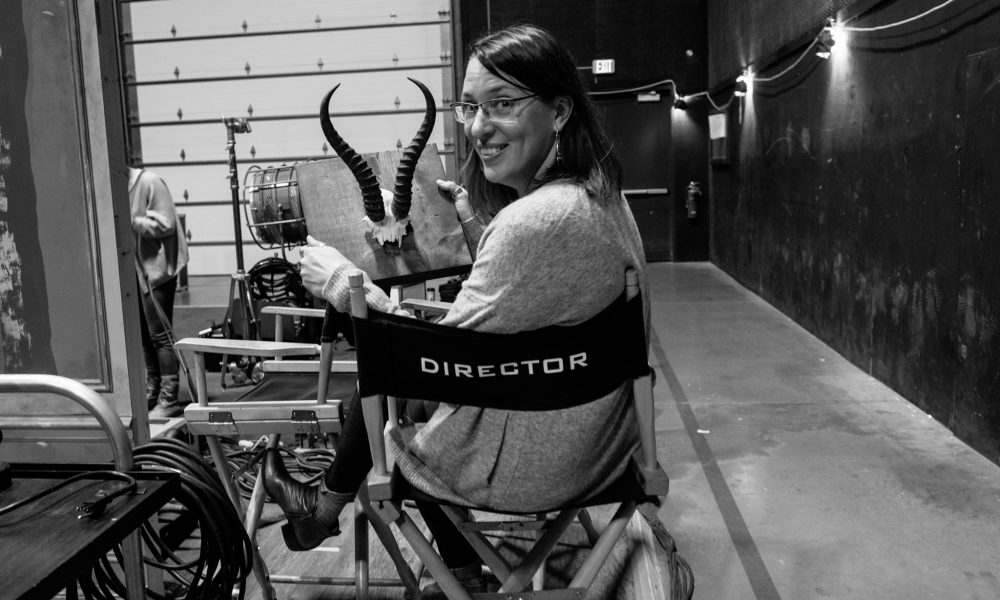
Today we’d like to introduce you to Shayna Connelly.
Every artist has a unique story. Can you briefly walk us through yours?
My primary obsession is with ghosts and started with a book called ‘Haunted Houses’ that I found in the non-fiction section of my library as a kid. I was obsessed with the book and with the truth of ghosts. I renewed the book until I couldn’t any more. Every once in a while, I had to let it sit on the shelf, but I would keep taking it out whenever I could. The obsession with that book and the question of what a ghost was lead to a pre-occupation later with philosophy, which I studied in Germany. In college I went to Germany for a junior year abroad and stayed for a total of four years. It was a difficult time living in-between two cultures, two languages and also lingering in-between childhood and adulthood. I returned to the states in order to finish my BA at Macalester College with an eye to going to film school. I ended up moving to Chicago and completed my MFA at Columbia College Chicago, which is where I also fell in love with teaching. My thesis film was also a ghost story and while it would take me years to reunite with my childhood passion, it’s interesting now to look back on. In 2008 I started teaching full time at DePaul University and I now enjoy the best of both worlds – getting to make films while working with emerging filmmakers.
Please tell us about your art.
My work explores the boundaries between subjects and film modes. I recently described myself as a fiction-non-fiction-genre-experimental-hybrid filmmaker who is too-experimental-yet-not-experimental-enough, genre-yet-not-genre-enough, feminist-yet-not-feminist-enough, rule-breaker-and-simultaneous-rule-follower. I explore liminal spaces with a liminal identity, floating somewhere in the margins. A more socially acceptable way of describing my work is to just say I’m a filmmaker – but not what type – and if asked about my subject matter I say my work in the last five years centers what it means to be haunted.
Many years ago, I witnessed a mid-air collision between two small planes over Lake Michigan. I tried to make a film about the experience and finished two versions of it that were not what I felt the film should be. Both the event itself and the unfinished film haunted me for years. 16 years later in 2014 I figured out how to finish ‘Blunt Force Trauma’. That freed me up to explore other ways in which we are haunted by loss, regret and even routine. I work across the boundaries of documentary, experimental and fictional narrative work and have a completed series of six films related to hauntings: ‘Gardening at Night’ (2016) and ‘Quiver’ (2018) are fictional narratives; ‘Yours is Not the Taj Mahal’ is a personal documentary along with ‘Blunt Force Trauma’, ‘signals: where do we go from here?’ is an experimental film and ‘Every Ghost Has an Orchestra’ is character portrait documentary.
This summer I will finish an essay film called ‘Artist Statement’ and a found-footage experimental film called ‘F*cked Up Point Blank’ that will complete the series. My goal is to be able to screen them as a program. Increasingly my approach combines elements of traditional filmmaking with fine arts and I would like to explore the boundary between theatrical and gallery exhibition models. I’m looking into a gallery exhibit of the work, which is not a typical exhibition model for what I create. While I am still exploring death, ghosts and trauma, I’m expanding into themes of desire and identity while expanding ways to develop films through different types of collaboration.
What do you think about conditions for artists today? Has life become easier or harder for artists in recent years? What can cities like ours do to encourage and help art and artists thrive?
Funding for arts is an ongoing issue and the current political climate de-emphasizes the importance of the arts, which is terrifying. The best way for cities to help artists is to offer arts education in public schools, support emerging and established artists through an increase in grants and opportunities to exhibit. Materials, hardware, software, collaborators’ time and facilities all cost money. Artists self-funding is not a sustainable model for a career. Chicago has a history of supporting artists. The city is full of public art, galleries and museums. The way for art to thrive is by actively supporting its creation and exhibition while working to expand opportunities for artists to experiment.
How or where can people see your work? How can people support your work?
Currently several of my films can be seen in film festivals. ‘Every Ghost Has an Orchestra’ will be available soon on VOD (video on demand) and DVD as part of Chicagoland Shorts 4, a touring exhibition from Full Spectrum Features. The premiere is on Tuesday, May 29th at the MCA. That film will also play at the Chicago Underground Film Festival on Saturday, June 9th at 6:30 in Shorts Program 6.
The support I need is in the form of advice and exhibition space. The art world functions very differently than the film world and I could use advice on how to approach and realize a gallery-style exhibition. Because I am also trying to exhibit the work as a touring program I am reaching out to micro-cinema organizers who would be willing to program it. A micro-cinema program would be the filmmaker equivalent of a painter’s solo show. It’s fun to branch out and think about different ways to screen for an audience.
Contact Info:
- Website: www.shaynaconnelly.com
- Instagram: www.instagram.com/shaynacon
- Facebook: www.facebook.com/shaynaconnelly
- Twitter: www.twitter.com/shaynaconnelly
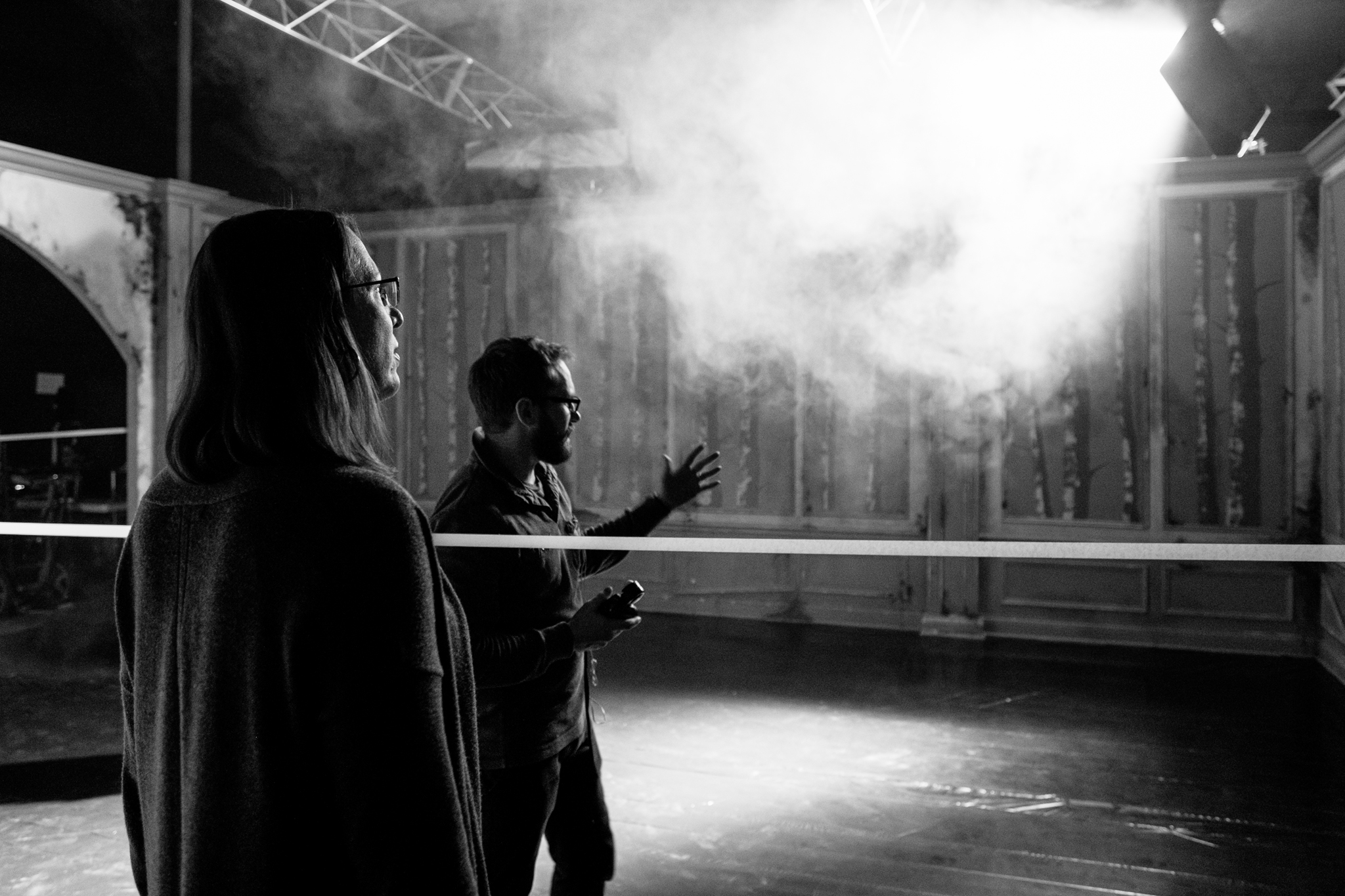
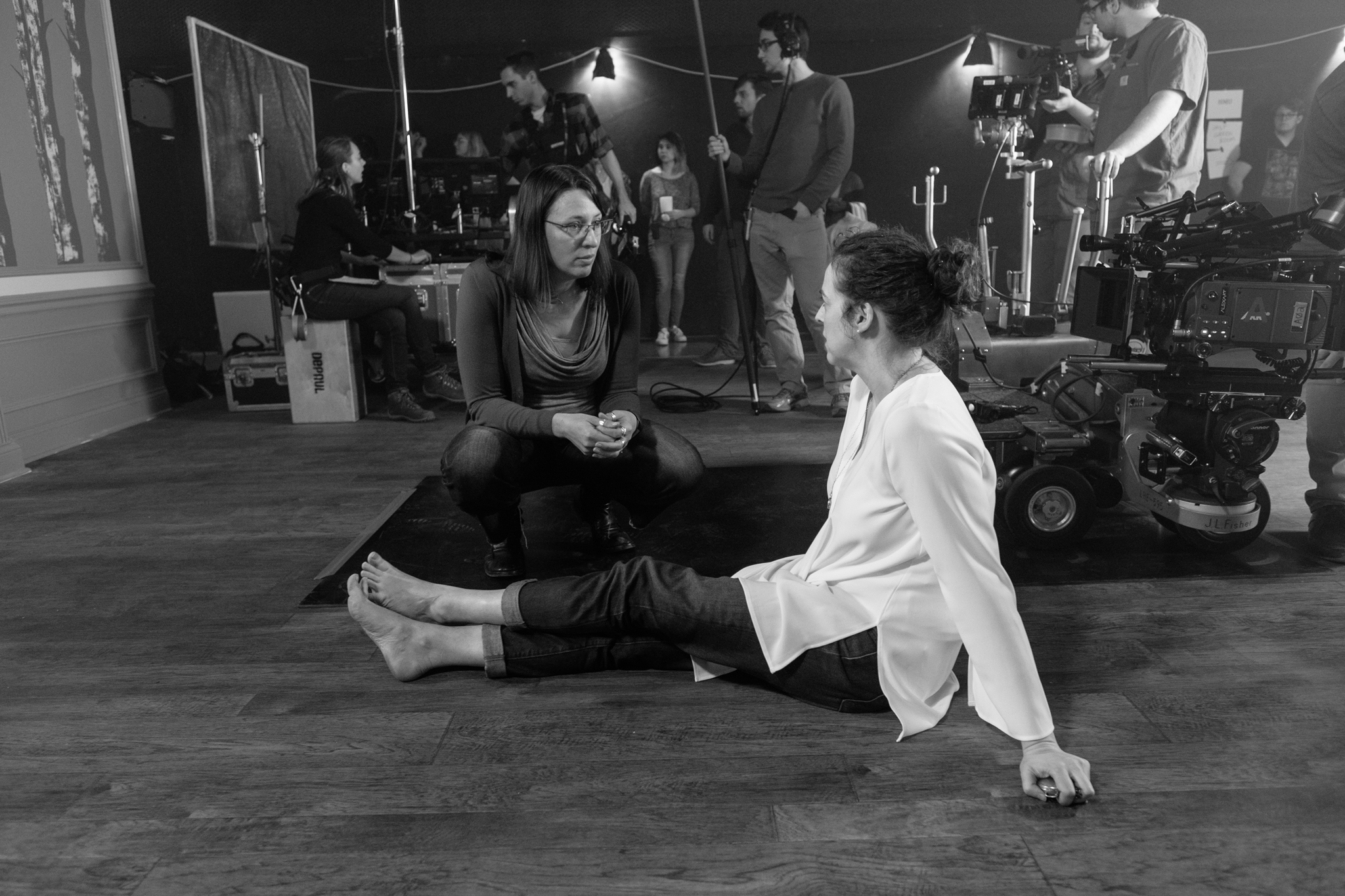
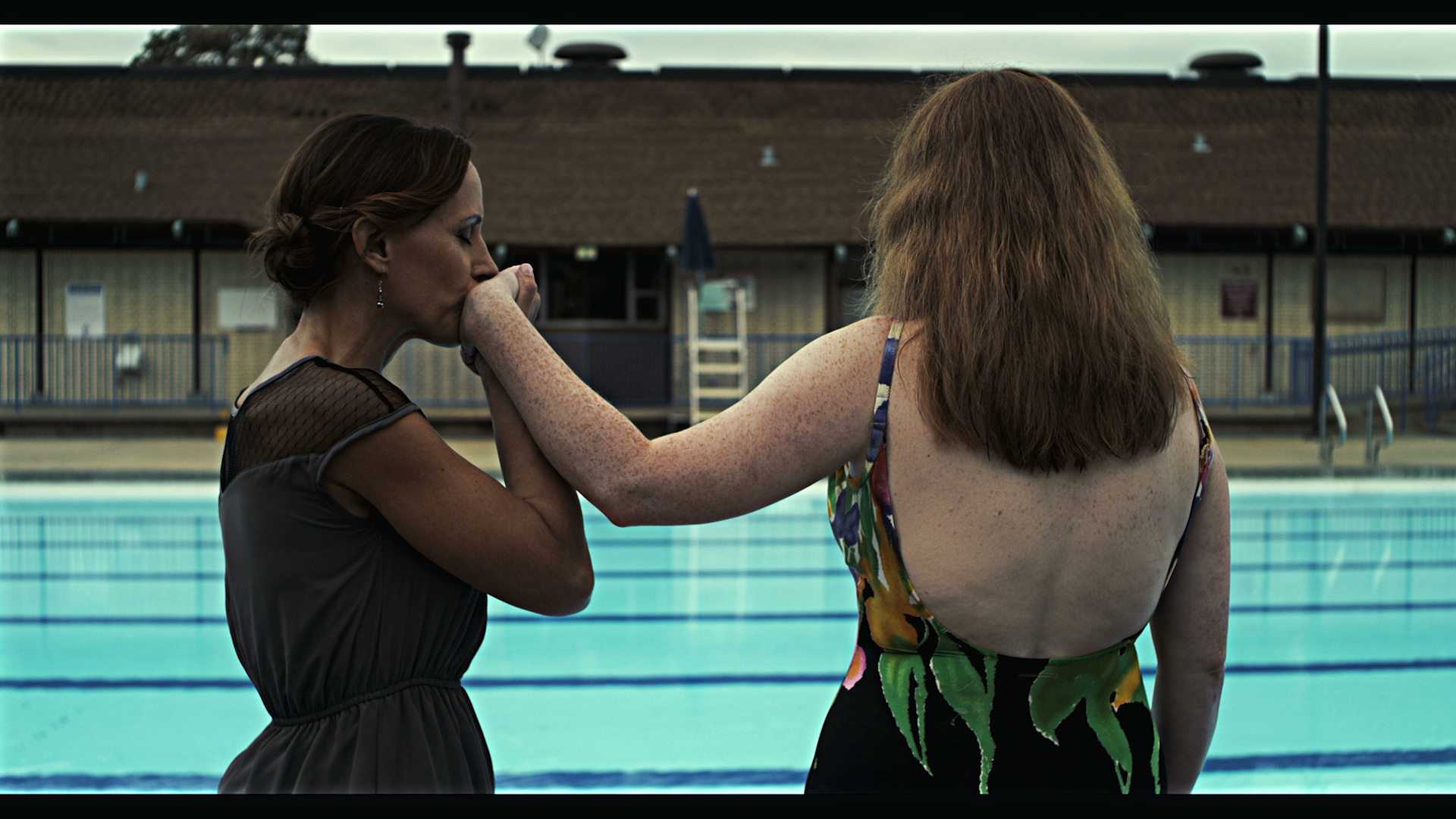
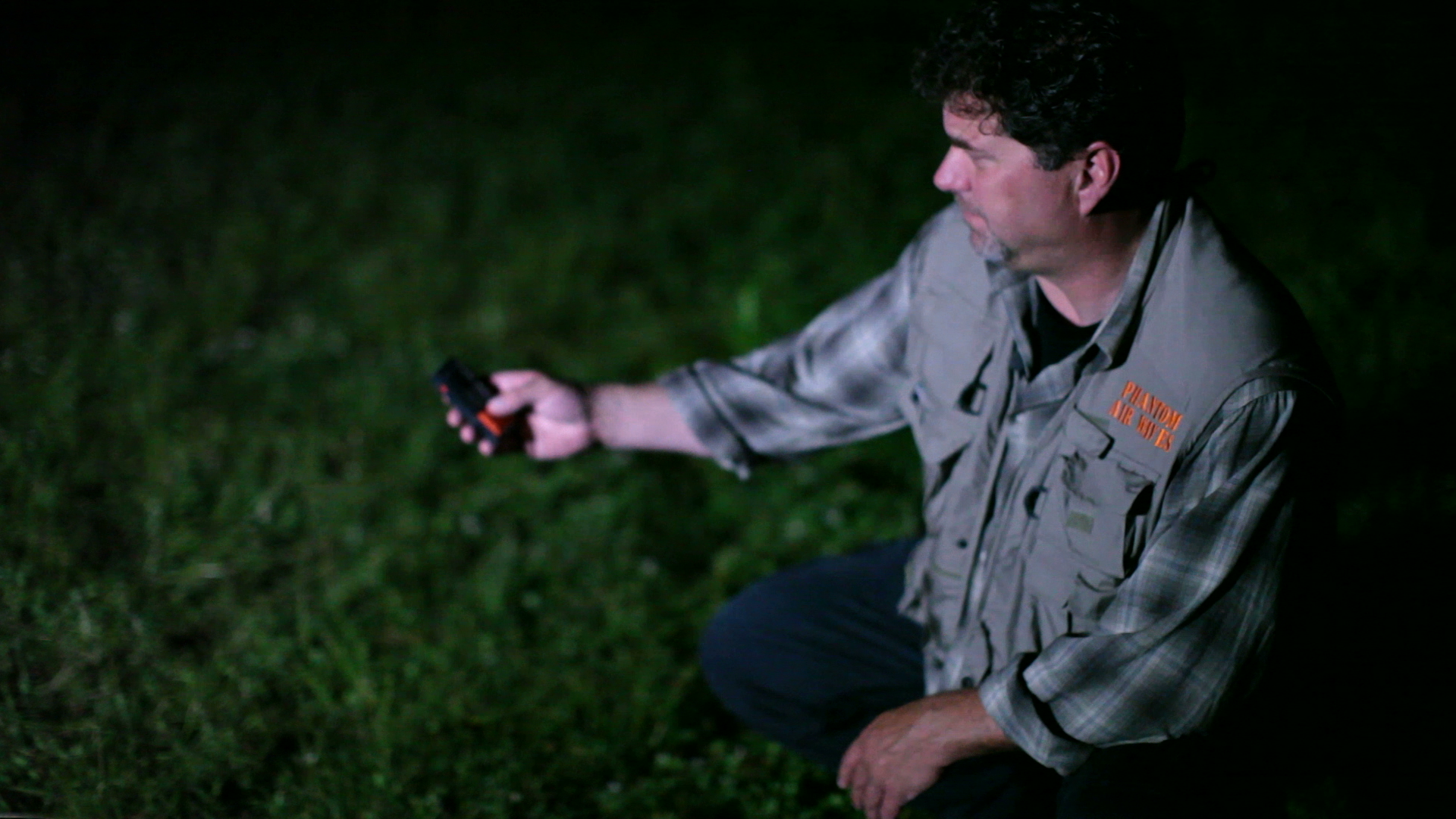
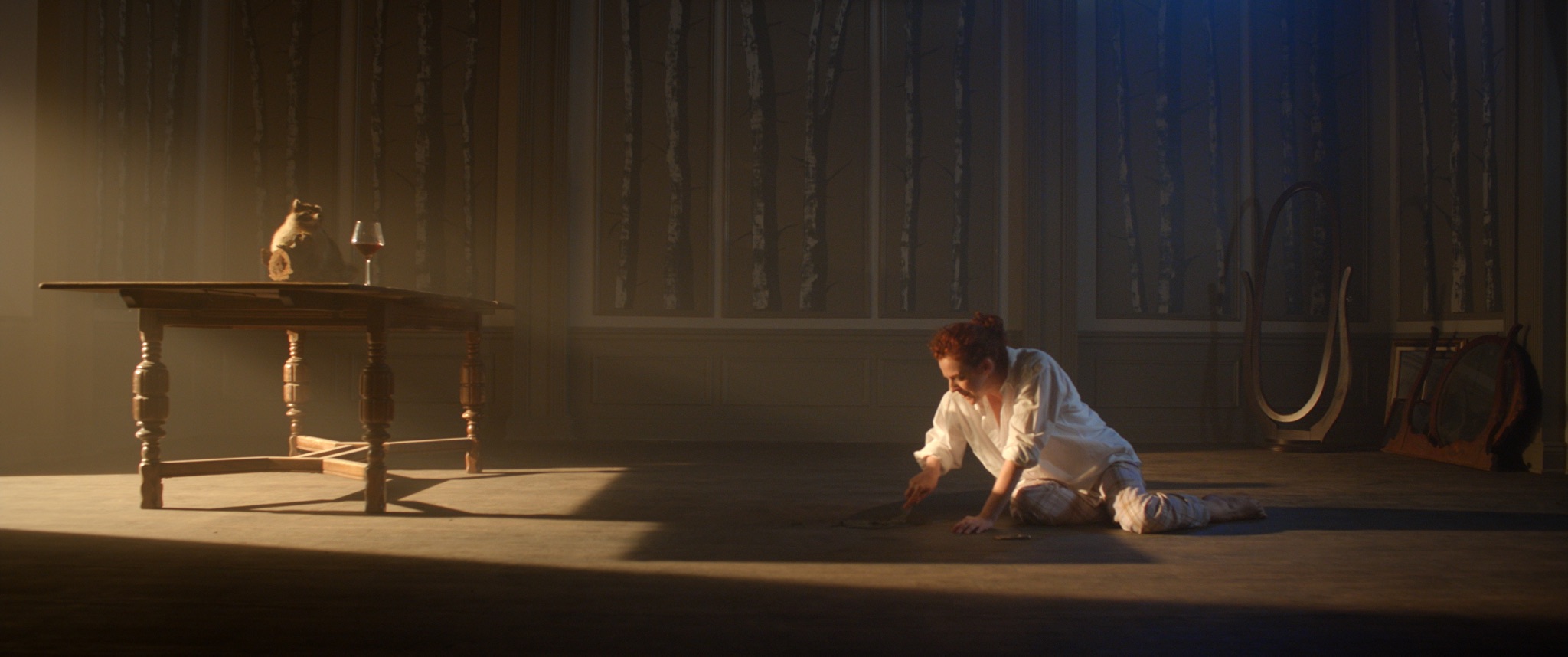

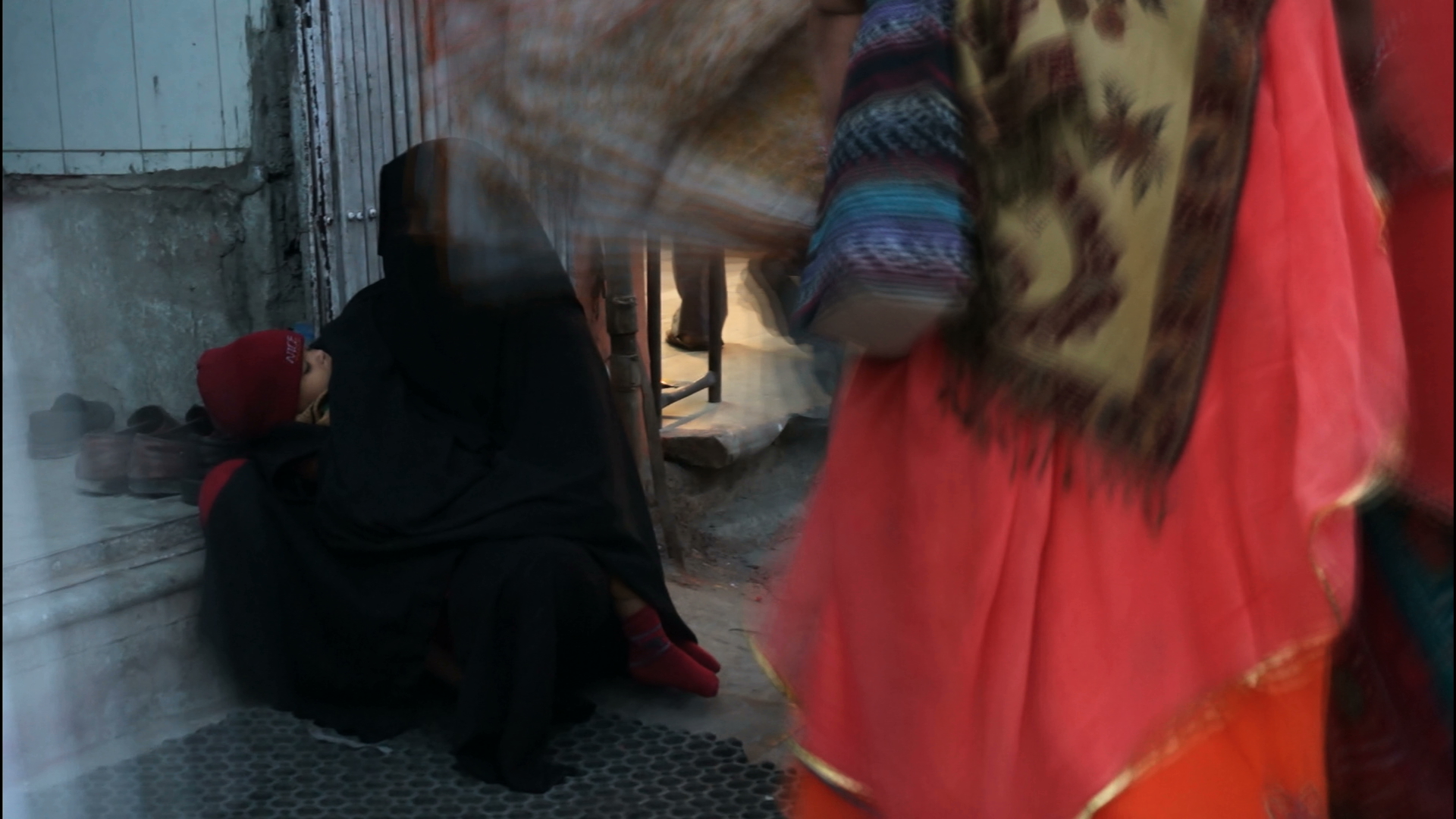
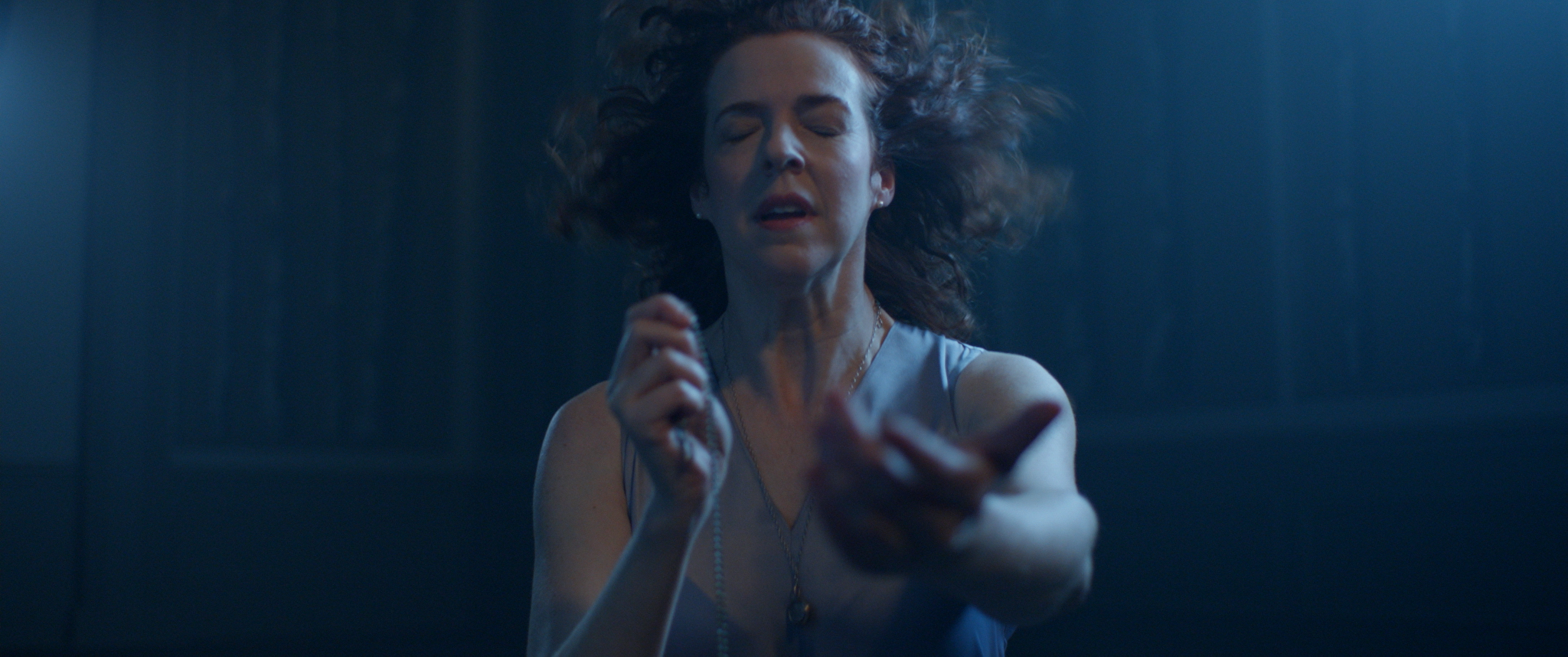 Image Credit:
Seth Ekberg, Peilin Tan, Jonah Rubash, Dre Sanchez, Shayna Connelly
Getting in touch: VoyageChicago is built on recommendations from the community; it’s how we uncover hidden gems, so if you know someone who deserves recognition please let us know here.