




Today we’d like to introduce you to Lee aka L[3]^2 Blalock.
Lee aka L[3]^2, please kick things off for us by telling us about yourself and your journey so far.
I always tell people that I got here by walking a very convoluted path. I graduated from undergrad with a BS in Chemistry with a Mathematics minor. I worked for IBM on 3rd shift for years. But, in my free time, I was constantly looking though design magazines. I couldn’t get enough! So I decided to go back to school and I got my AA in design. I’d work my overnight shift at IBM from 11pm to 730am, then go to school from 9am-4pm. It paid off, and I loved it. I won a golden scissors award at graduation for my final fashion design runway show, which was when I created a brand called “spi” (pronounced spy). Once I graduated, I hung out in the house music scene, which was packed with graphic designers, and I expanded my line of clothing. I did late night runway shows at those same clubs, had private clients, and even sold in a few boutiques around Atlanta, which is where I lived at the time. I left IBM and got a gig at a creative production house where I stayed for 10 years. I always call that place my first studio. I started there as a fashion stylist and ended up working as an art director and worked primarily with the video and web based clients by the time I left. At night, employees had full access to the photo studio and all of the equipment, so I’d just hang around and shoot whatever images I had stored in my brain. I have always been into the movement arts so at any time I was either dancing or doing martial arts everyday. I’d invite people I knew from those practices and we’d just experiment in front of the camera. I built up a pretty monster website and that’s how I moved through my day-to-day life for 10 years until I decided to go to grad school. Once I got to Chicago to attend SAIC, I was able to bring all of that together into an art practice – the technical stuff, digital art and design, production tool savvy, photo and video experience, sound design, fashion, and performance. I smashed it all together into my studio practice.
Can you give our readers some background on your art?
Conceptually, I’ve followed the same thread from the time I can remember tagging along to work with my dad when he worked 3rd shift as a computer programmer/operator. I always found the image of a human sitting face to face with a machine really striking. He had a library at home with books about programming computers alongside books about programming the mind. So I’ve always found myself wanting to redesign my body and reimagine the world using technology. I make augmented bodies and the objects that would make sense in a world where that body would live. I’m highly influenced by science fiction, cybernetics, post-humanism, new technologies, stuff like that. My goal has always been to add to the collective visual vocabulary, to make something that lives on the edge of recognition. To say that that’s my goal for everyone who sees my art would be too ambitious. It’s enough to say that I’d like to present alternative ways of being in the world. For instance, recently, I’ve been obsessed with notions of meditation in the information age. What does that mean to me? Certainly not anything quiet. How can I find quiet when I’m being hit with signal constantly? So, I’ve been presenting my version of Zen, which usually ends up being very noisy/dynamic. It’s my way of suggesting that there’s comfort in that signal. I guess I’ve always been a fan of adaptation.
Artists rarely, if ever pursue art for the money. Nonetheless, we all have bills and responsibilities and many aspiring artists are discouraged from pursuing art due to financial reasons. Any advice or thoughts you’d like to share with prospective artists?
Yeah, no kidding. This is so real. When my practice was strictly code and screen based, my expenses were limited to certain kinds of equipment. Once I purchased that equipment, that would be it for a while and the rest of my expenses would be few and time would be the big issue. Now that my practice has expanded to include hardware and lots of parts and fabrication, my expenses have increased exponentially. When I’m making stuff, I work alone so I don’t have to pay a staff. But there’s still the fact that for performance based work, I like pay my performers, the person documenting live work, and anyone assisting. I also work in a studio so I have to pay rent for that space. It’s small, but I still need it. I am an educator as well as an artist, so I work and that helps to make some of my work. For exhibitions, I depend on the funding provided by the institution/curator. For live work, I have to decide on a case by case basis if I can accept invitations to perform based on what I want to make. My work cost quite a bit to produce out of pocket, so I can’t always present it without some kind of stipend. I’ve learned to state that up front. I’m also experimenting with different ways to accept those invitations without always making work from scratch – which is where the costs become an issue. So, it’s a balancing act. You have to make the stuff that you want to make. You also have to make the stuff that you can make when you aren’t presented with the ideal situation. For me that means I have to ask myself, “what does a body that isn’t mediated by a bunch of technology actually do in a live art situation”? I don’t know the answer to that for my own practice yet! In any case, I’d say, just keep getting the ideas out through whatever means. Make sure that you’re not just thinking about the work, but doing something that resembles a practice. Even if that means filling a notebook that no one will see until there’s enough money to produce the stuff in it.
What’s the best way for someone to check out your work and provide support?
My website is probably the best way to see what I’m up to. I always announce where I’ll be showing/performing on the site as well. http://leeblalock.com/
Contact Info:
- Website: http://leeblalock.com/
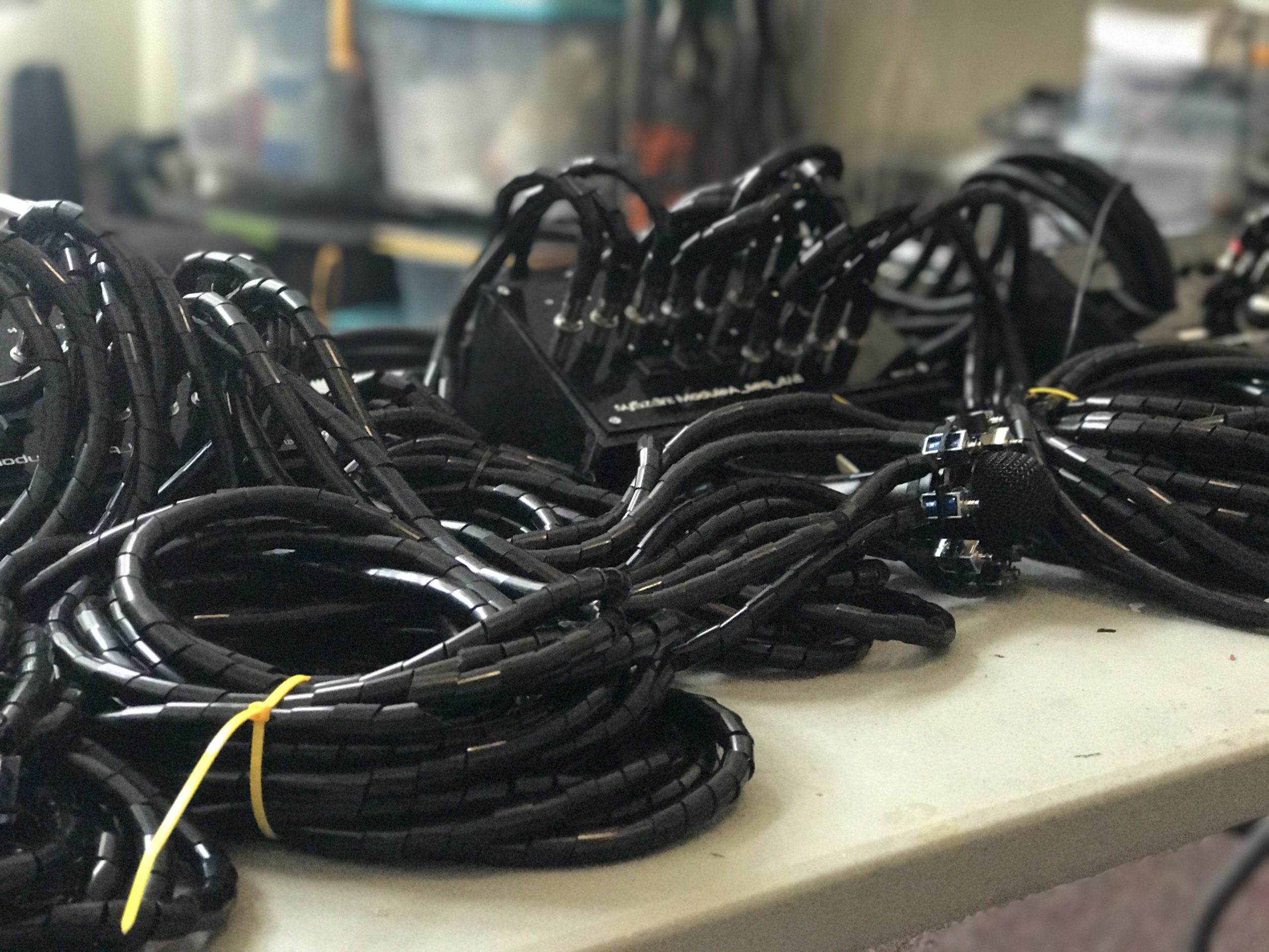
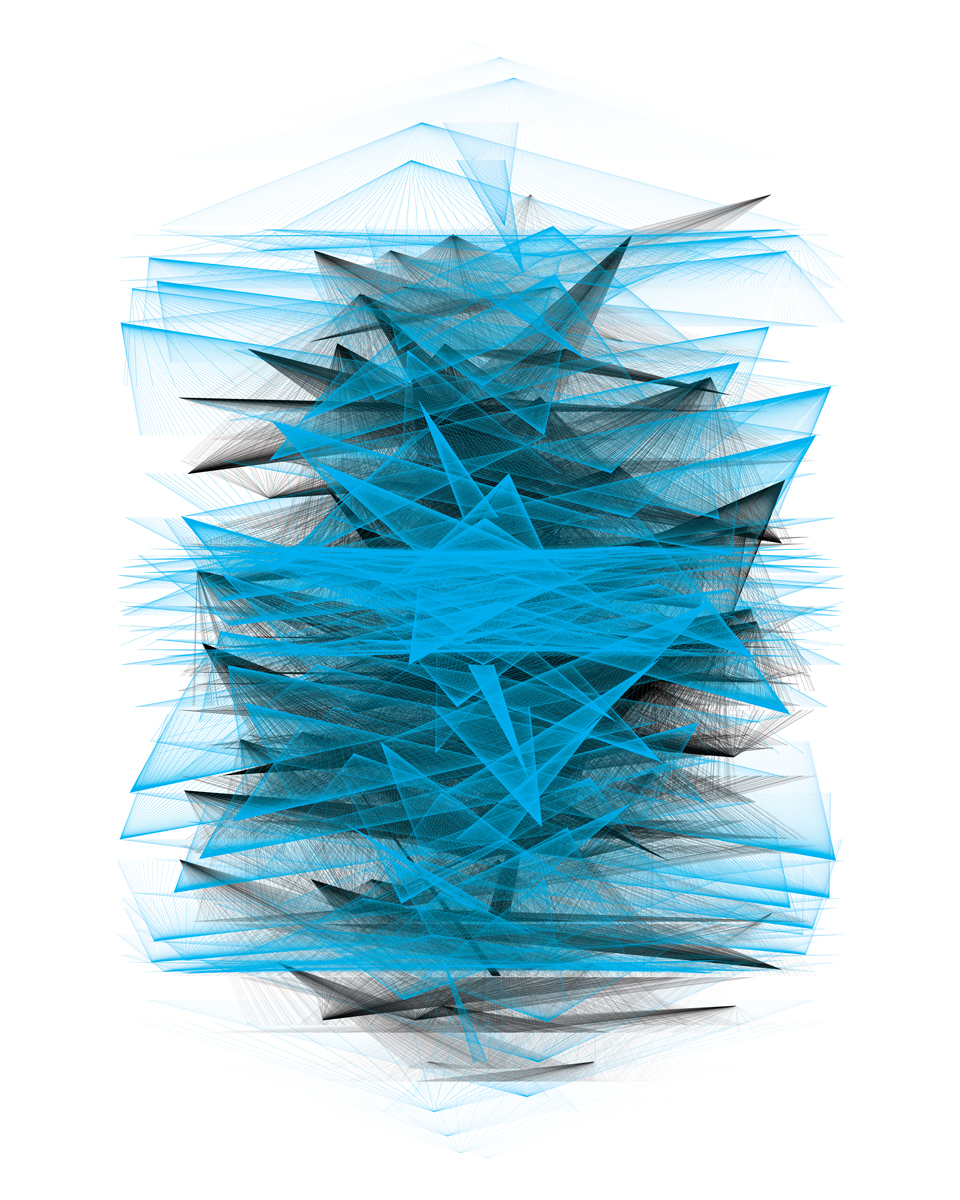
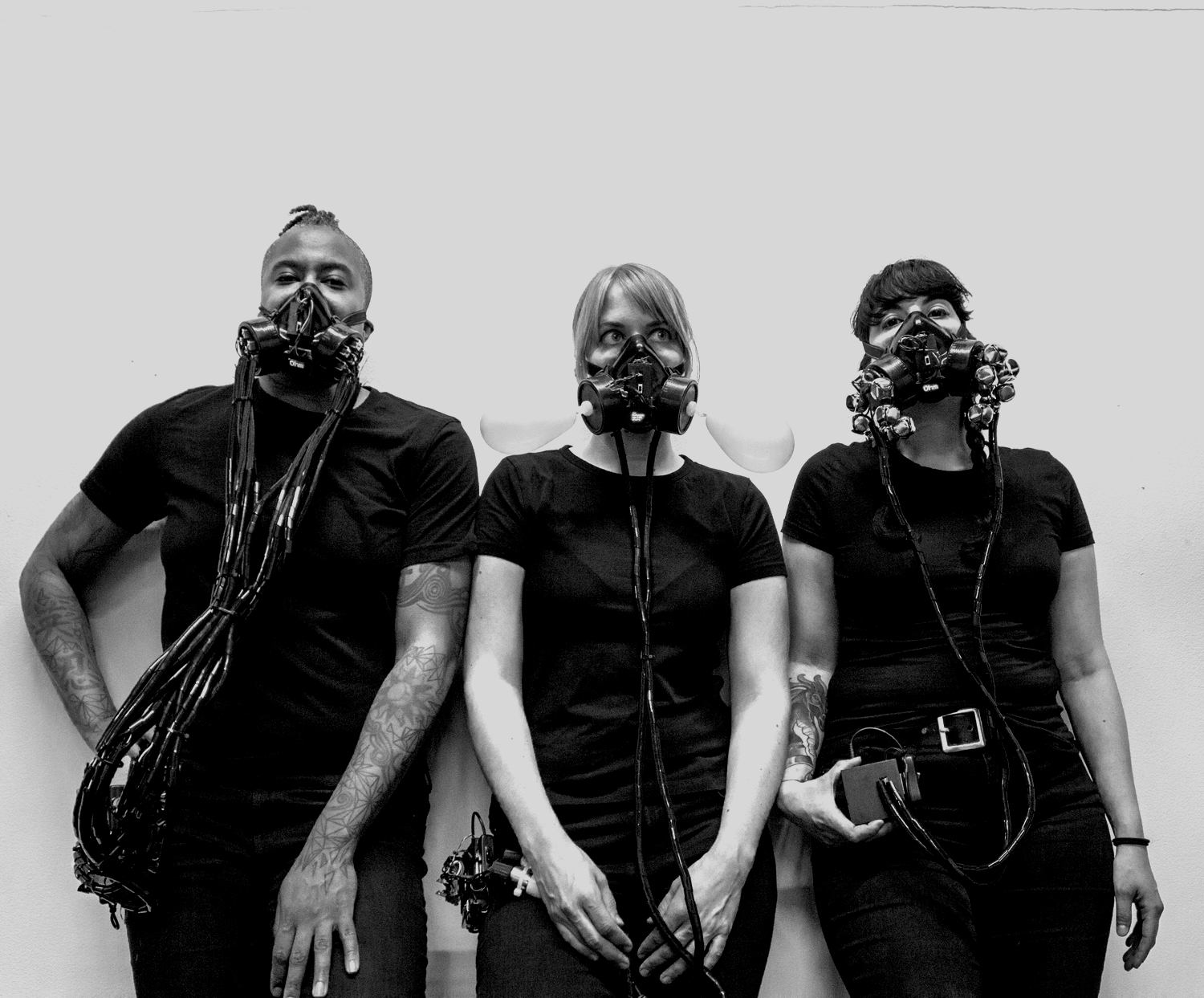
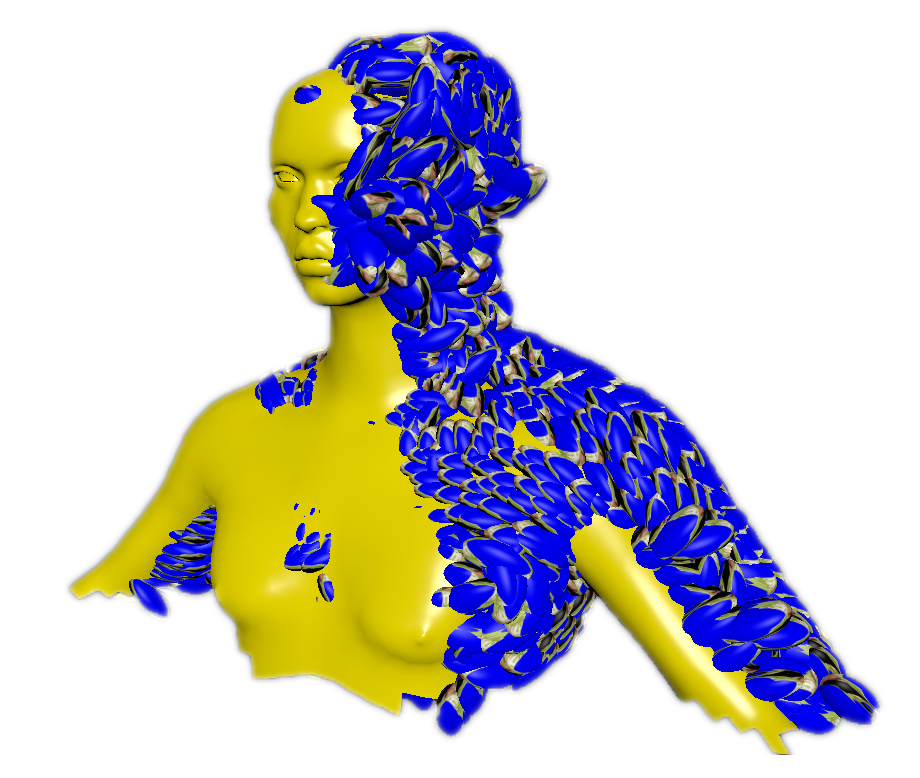
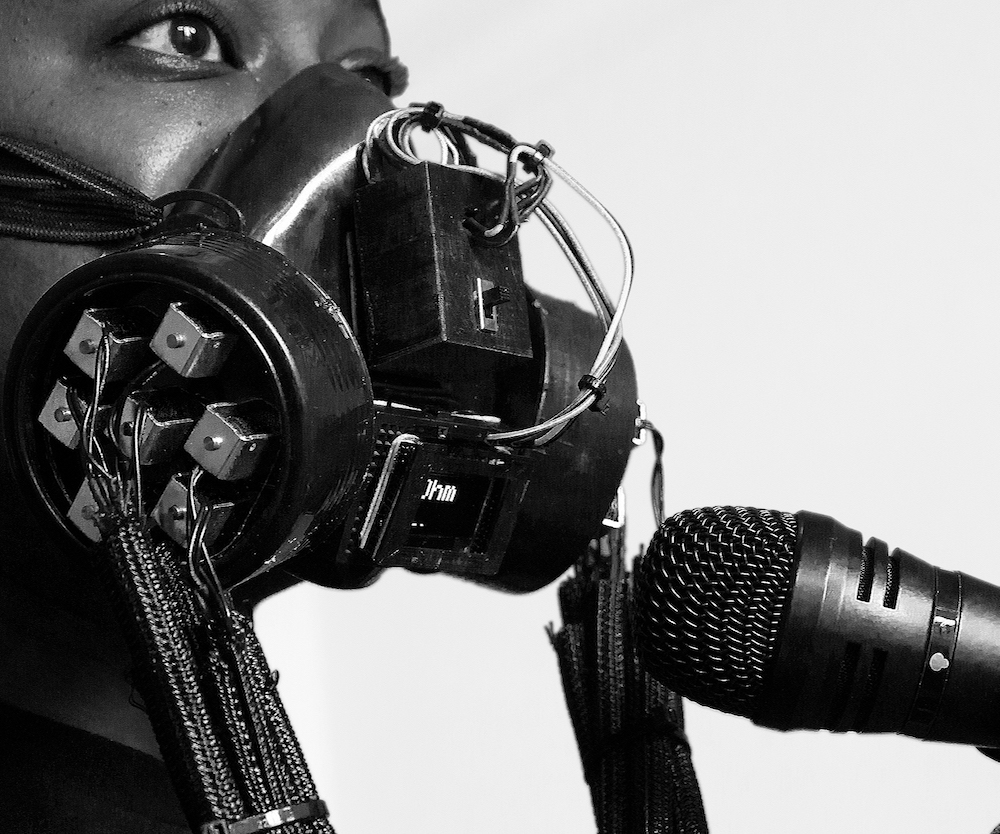

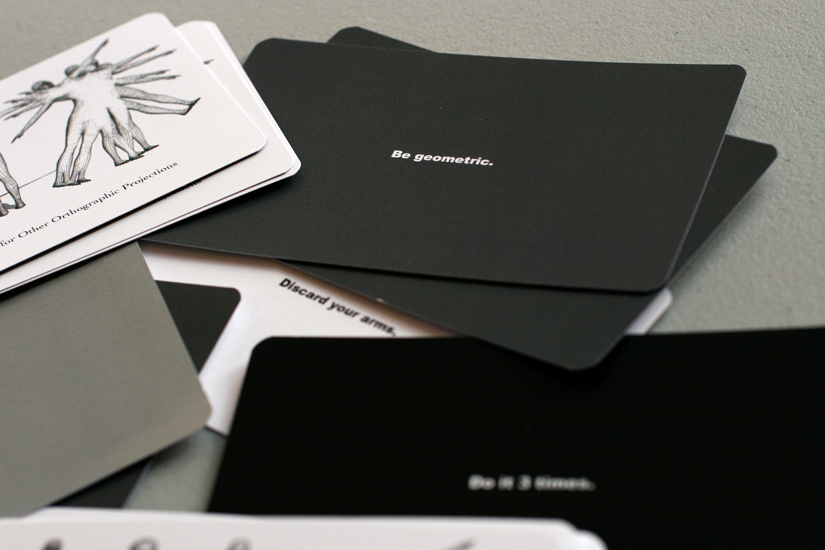
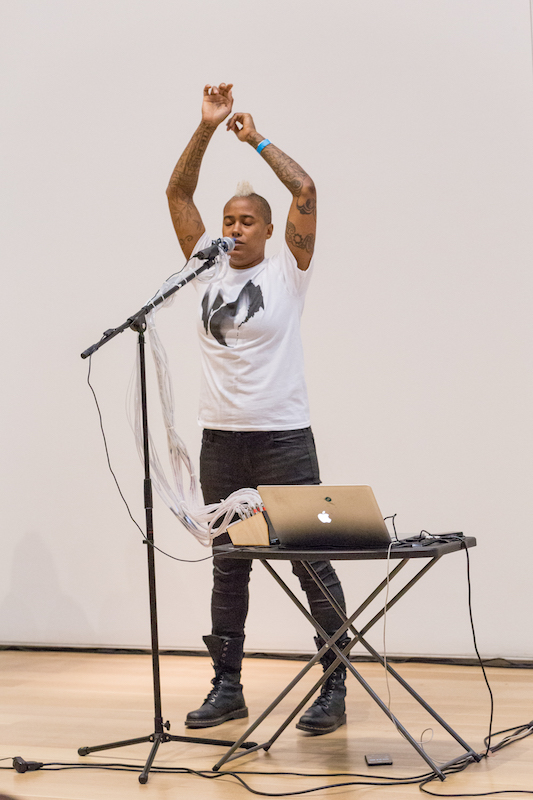
Image Credit:
Image credits: Lee Blalock, Sophia Barr Hayne, Michael E. Smith.
Getting in touch: VoyageChicago is built on recommendations from the community; it’s how we uncover hidden gems, so if you know someone who deserves recognition please let us know here.


