



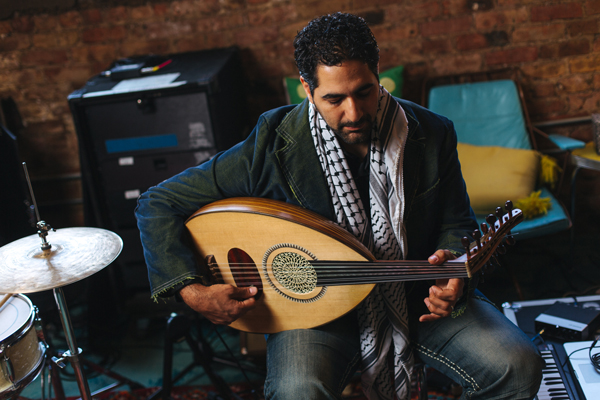
Today we’d like to introduce you to Ronnie Malley.
Ronnie, please share your story with us. How did you get to where you are today?
I grew up playing a lot of Middle Eastern and North African music in Chicago with my family band, which was comprised of my father and brother, both percussionists. We also performed with people from many other cultures in Chicago including Greek, Armenian, Assyrian, Persian, and Indian musicians and dancers. These experiences of meeting people and learning music from so many cultures led me to obtain a degree in Global Music Studies with a mission to empower these global communities through the arts.
In 2004, I formed Lamajamal, a world music ensemble with two fellow Chicagoans, George Lawler and Joey Spilberg. George and Joey were learning Mid-Eastern and North African music at N. Bahri Rhythms, a music and crafts shop in Lincoln Square owned by my family friend Najib Bahri, a master percussionist from Tunisia.
By 2006, the group expanded to include Eve Monzingo (also a fellow Chicagoan), a multi-instrumentalist on woodwinds and santoor, who specialized in Greek, Roma, and Klezmer styles. Soon after, Gary Kalar, a multi-instrumentalist on Guitar, Mandolin, and various Turkish stringed instruments, joined the group and brought expertise in Ottoman and Balkan music. What made it even more convenient was the whole group lived within the 60622 zip code.
The company, Intercultural Music Production, LLC, formed, really out of necessity for a business structure, in 2007. Our band, Lamajamal, was receiving a lot of calls to do gigs that drew on everyone’s expertise in the group. We were asked to perform for the Turkish Fest, the Greek Archdiocese, Moroccan and Sephardic Shabbat services at synagogues, Sufi Islamic events, and world music festivals throughout the US. Performances led to educational workshops, artist residencies, and eventually the production of several music groups, comprised of local and international artists from various global traditions.
Many of the above-mentioned experiences also led to me working in theater as a performer and music consultant. There have been many instances where I was able to consult and perform on regional theatre productions such as Arabian Nights (Lookingglass Theatre) and The Jungle Book (Goodman Theatre), which required understanding of Mid-Eastern and Indian cultures in order to remain sensitive of stereotype and appropriation issues. I see this all as more than just a job. It’s also a service to help create understanding about other cultures, especially in a time when there is a lot of press, often political, about said cultures in the media. For example, many people think Indian and Mid-Eastern cultures are one in the same. Though similarities exist, they are rich and distinct in their own ways. I find that art can be a vehicle in which subtle differences like this can be observed and learned about.
We’re always bombarded by how great it is to pursue your passion, etc – but we’ve spoken with enough people to know that it’s not always easy. Overall, would you say things have been easy for you?
Almost nothing worth doing comes about without struggle. Whether creating art or an arts administrative structure, there are always going to be challenges, especially when dealing with artists and business.
Though I played music professionally from a young age, I also came from a corporate background, which not only included the family music business, but also work in retail, banking, and real estate appraising. There were many times where I, as a business director, was presumptuous with expectations of my partners/bandmates. And so, the line between creating art and playing a role in arts administration can be easily blurred.
The company eventually shifted with three partners stepping away after five years, but remaining as members in Lamajamal. George Lawler stayed on, and longtime Lamajamal production manager, Nicole Sieczka became partner. The restructuring was definitely a bump in the road, but it was also an opportunity to expand by exploring projects and creating productions with a larger artistic community beyond just the music group Lamajamal.
Other struggles that arise are sometimes beyond our control including bureaucratic policies from public schools to government agencies. To maintain our educational offerings, things like new policies concerning background checks and vendor regulations have to be in order. In a creative industry like music, most of us would rather spend time doing the art rather than managing it. However, there is certainly an art to the management itself, which is something important to recognize.
To me, the important thing is to take it all in stride and learn from these experiences to not just have a better company, but also learn how to have better relations with clients, partners, and people in general. It’s essential to be self-aware of both our own worth and limitations, and not be afraid to grow painfully slow or in moderation.
So let’s switch gears a bit and go into the Intercultural Music Production story. Tell us more about the business.
Intercultural Music Production is a cultural arts organization committed to empowering a global community through performance, education, and production. The partners and artists at Intercultural Music Production have worked with organizations and musicians from around the world and specialize in a variety of styles including Middle Eastern, North African, Andalusian, Greek, Turkish, South Asian music, and more. In addition to performing within communities from these musical styles, we work with several educational institutions, including CPS, U of C, and NWU, to name a few, in providing a network of local and global artists for educational workshops and residencies.
Our roster has now grown to include the Chicago music and dance group Surabhi, which has artists from Indian, Middle Eastern, African, and Spanish classical heritage, and Diwan al-Han, a classical Mid-Eastern ensemble specializing in Arabic music and poetry from the 9th century to the present. We’ve also created a cross-continental collaboration in producing the group East Meets Middle East (EMME), which includes tabla player Subrata Bhattacharya and sarod player Abhisek Lahiri from Calcutta, India, and from Chicago, George Lawler on percussion and myself on oud (Middle Eastern lute). Most recently, we’ve been working with legendary Egyptian jazz drummer, Yehya Khalil, who coincidentally, was also a Chicagoan in the 1960s – 70s, before returning to Egypt and creating what would become the Egyptian jazz scene.
I think what sets us apart from others is our specialization in closely related, yet distinct, cultural genres, as well as our approach in building and nurturing relationships with artists in these local, yet global, environments. This approach extends to understanding languages and customs, as well as having patience and tolerance to see things from the perspective of other global citizens. It’s really cultural diplomacy at work. I am just grateful that we’ve reached a place to be able to offer such consultation and educational programming to various organizations and communities in a larger capacity.
Has luck played a meaningful role in your life and business?
It’s difficult for me to consider the role of luck in my successes or failures. I’m sure that the rhythm of life has a pace that renders luck as a factor to circumstances, and I believe in creative visualization. At the same time, I’m a firm believer that if you want things to happen, you have to make them happen. That means one must research, learn, create, take risks, and most importantly, not be afraid of failure. Success is merely a “lucky” outcome of many failed attempts.
Pricing:
- Our artists offer group and private instruction in global music instruments and traditions.
- Group rates are $200 for 8 weeks and $50/hour for private lessons (at our location).
- With a network of world artists, we can tailor performance groups to fit within the budgets of any event.
Contact Info:
- Address: 1644 N Honore St. Ste 302 Chicago, IL 60622
- Website: interculuturalmusic.com
- Phone: 773-807-0159
- Email: info@interculturalmusic.com
- Instagram: @interculturalmusic
- Facebook: @1ntercultural
- Twitter: @1ntercultural
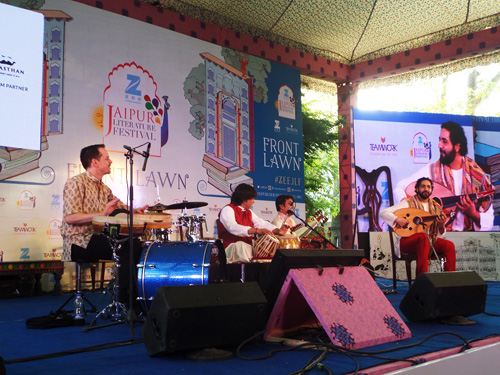
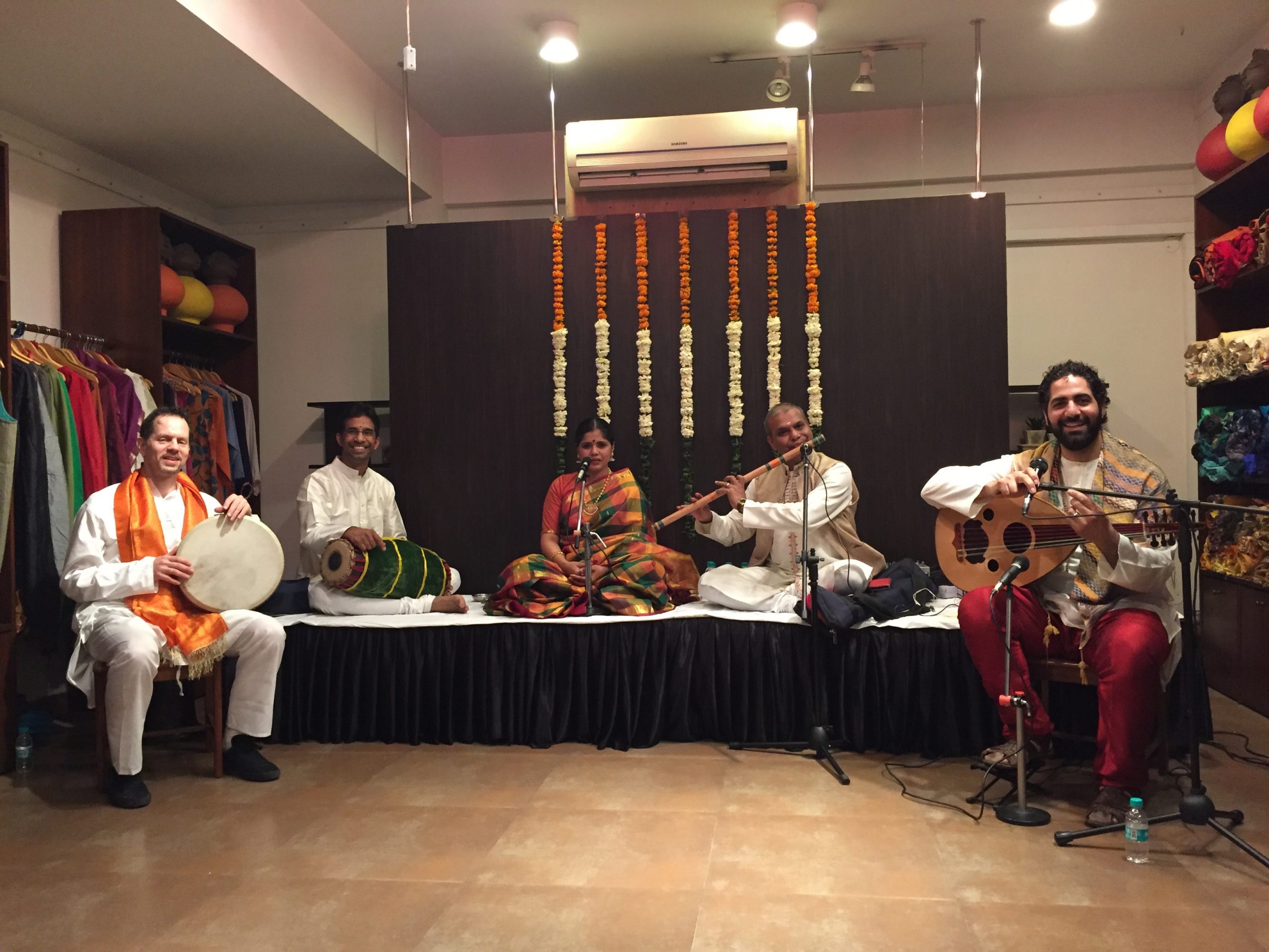
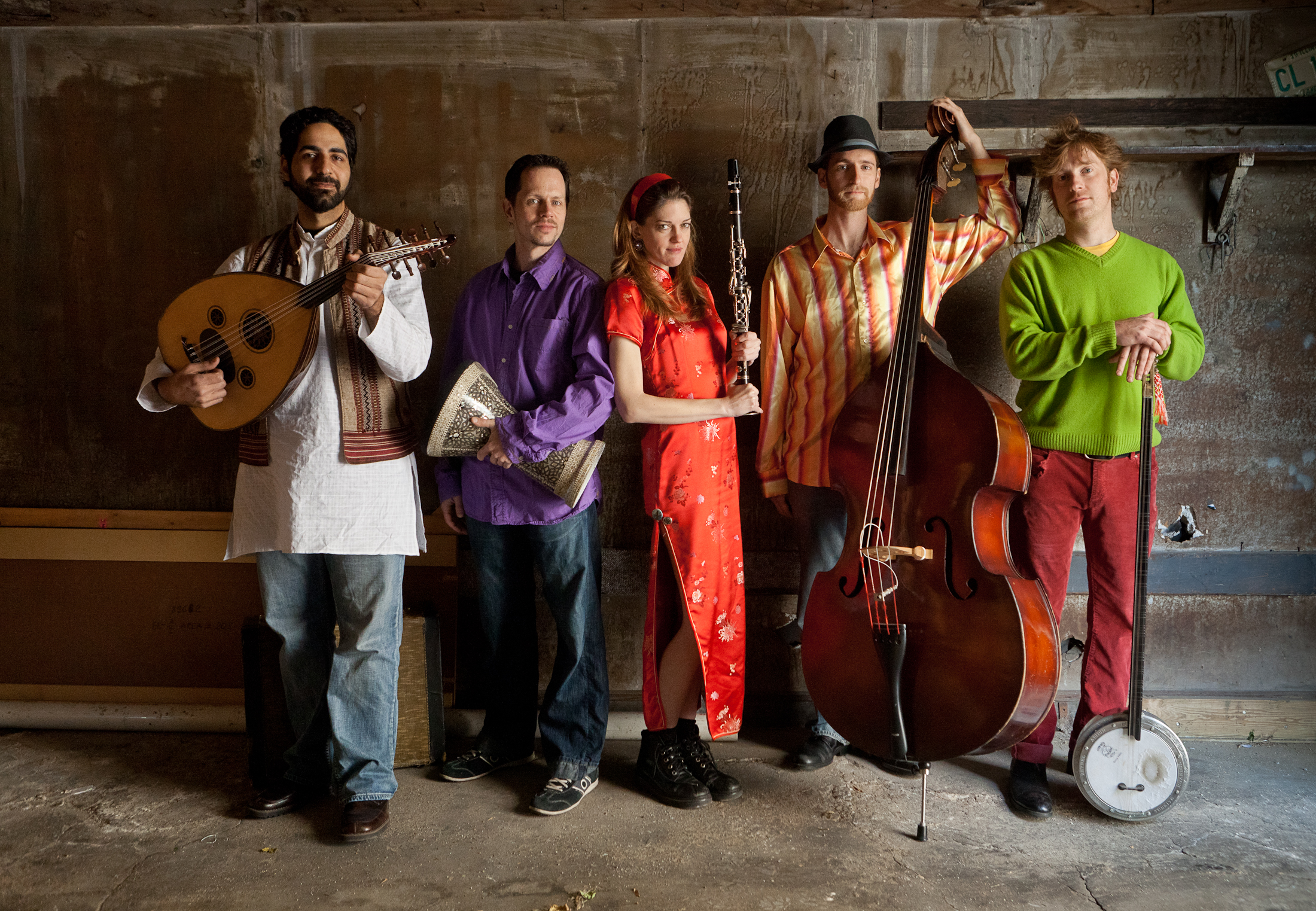
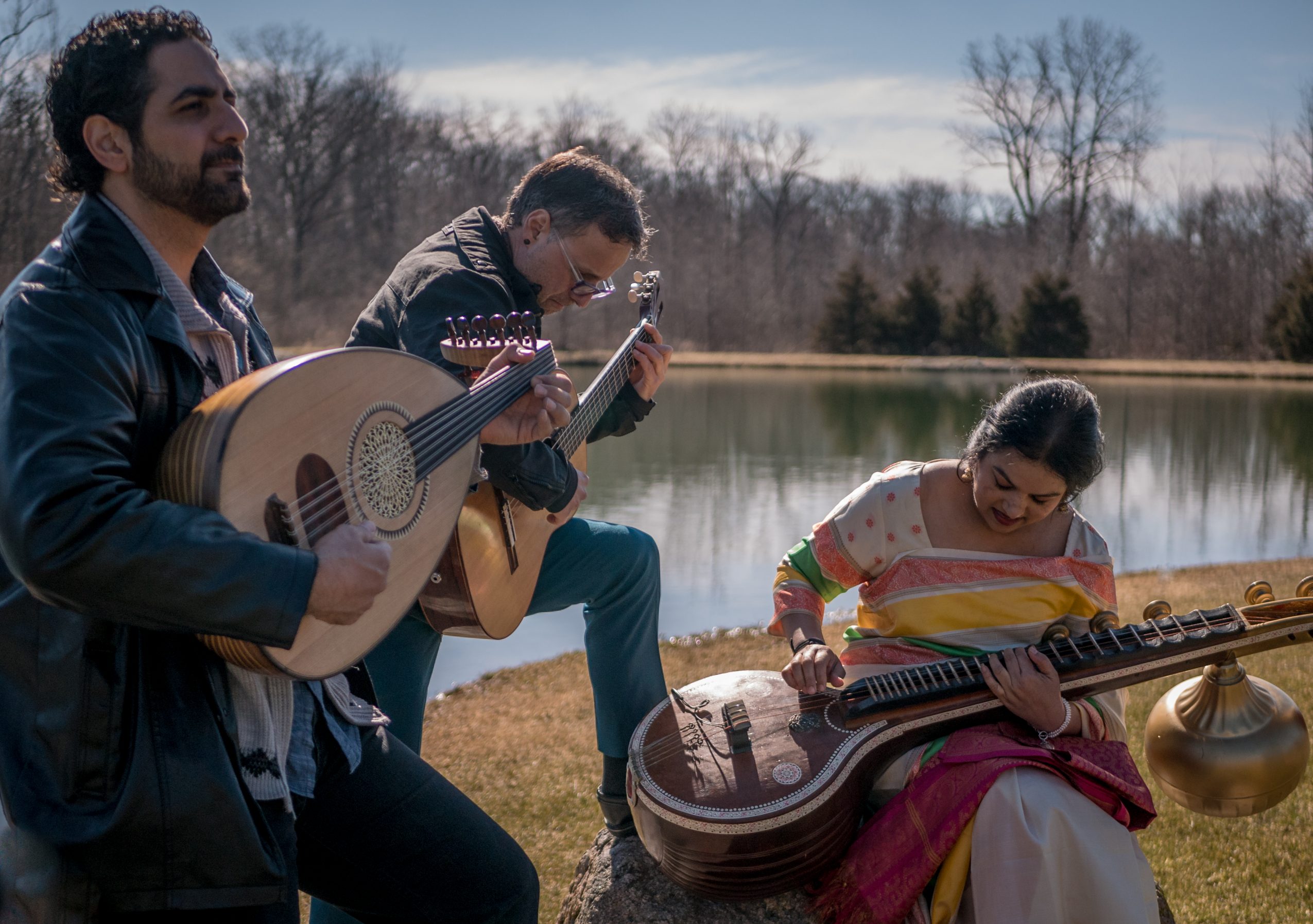
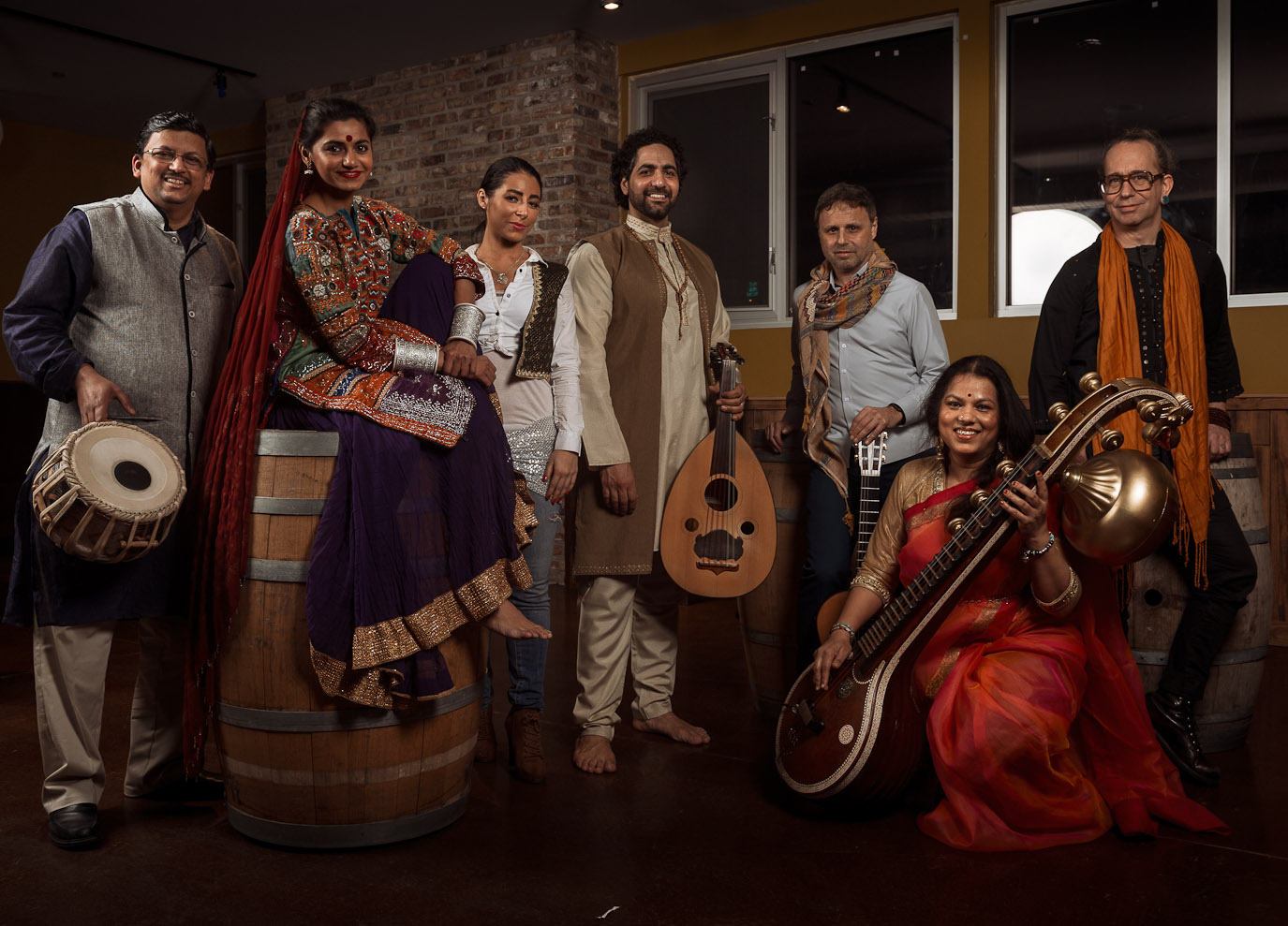
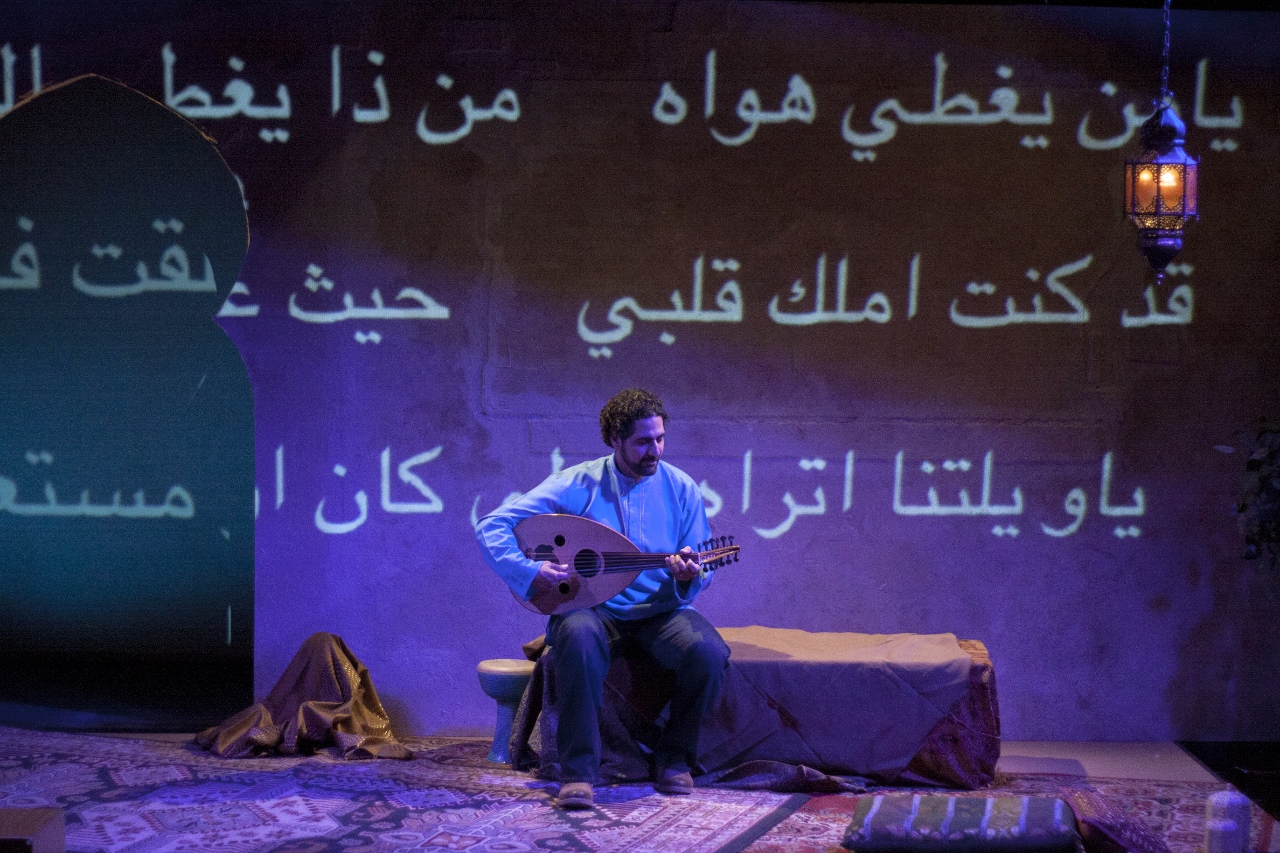 Image Credit:
John Boehm, Jim Newberry, Rich Rankin, Aerin Wright, Steve Sobisch
Getting in touch: VoyageChicago is built on recommendations from the community; it’s how we uncover hidden gems, so if you know someone who deserves recognition please let us know here.


