



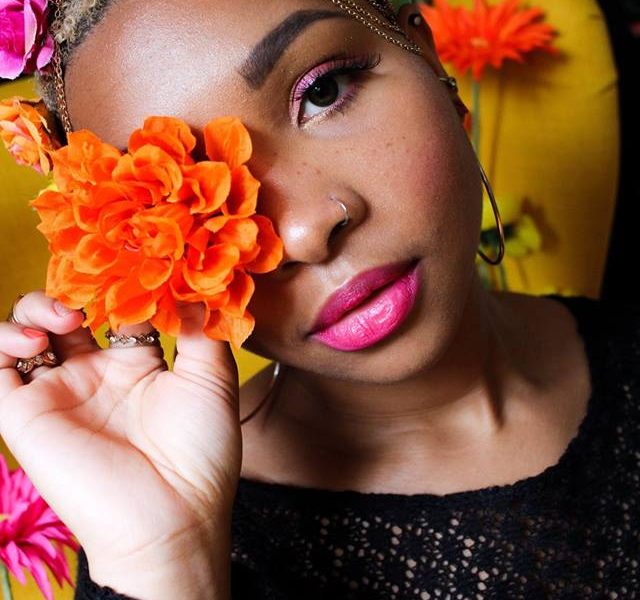
Today we’d like to introduce you to Kyra Jones.
Every artist has a unique story. Can you briefly walk us through yours?
I was born and raised in Annapolis, Maryland. I started acting in high school when my mother forced me to do an extra-curricular activity. I picked one at random just to get her off my back and went with my friend to audition for the school play. I ended up getting the lead role, but more importantly, I ended up falling in love.
I acted throughout high school and had several teachers encourage me to pursue a theatre degree in college. I was nervous about the prospect of not having a “back up plan” (and I was a nerd) so it was important to me to find a theatre program where I could double major, so I decided on Northwestern University.
While I loved much about my time at Northwestern, being one of only a handful of black students at a predominately white institution is never an easy experience, and my isolation was only amplified in the theatre department. In my class of 100 theatre students, only four of us were black, and the other students definitely let us know it. The racism I experienced my freshman year was so intense that I almost changed majors. But luckily, after seeing a staged reading of “North Star”, a play by Gloria Bond Clunie with an almost all black cast, I changed my perspective. After several months of doubt and depression, my spirit was lifted by seeing people who looked like me on stage, telling stories about my experience and the experiences of black people who came before me. I was reminded of the power that theatre, film, and television, especially for people who the world tries to make invisible. I decided at that point that this is what I wanted to do for the rest of my life.
I graduated from Northwestern in 2014 with a double major in Theatre and Gender Studies. In addition to acting, I also worked closely with the school’s sexual violence and health resource center, CARE, where I am currently employed as a sexual violence prevention educator.
Please tell us about your art.
I’m an actor, writer, and educator. My artistic career since graduating has been far different than I expected it to be, but I am happy with the surprises. I’ve performed with several theatres in Chicago, including Windy City Playhouse, Remy Bummpo, and Adventure Stage. I also had a co-starring role on Chicago Justice. However, the real surprise and joy in my life comes from my involvement in the independent web series scene here in Chicago. Chicago artists are incredible, especially PoC and queer artists, because they are so proactive about creating their own content instead of waiting for someone else to hire them. We hold our art so closely to us and want to be in control of our own stories. Because of this, there is a lot of amazing independent television coming out of this city. Two of the web series I’ve acted in, “Kappa Force” and “Seeds” were official selections for the New York Television Festival and have gone on to win awards at other festivals around the country.
My experiences working on these series has inspired me to create my own. I’m currently writing, executive producing and starring in a series with Juli Del Prete called “The Right Swipe,” It is a romantic comedy that follows two young women, India and Margo, as they start a business which helps hapless single men create better dating profiles. The series updates the traditional romantic comedy narrative and tells it through an intersectional feminist lens, centering the experiences of women, people of color, queer folks, and other people who are usually left out of rom coms.
It is so important to me as an artist to make art that is both radical and entertaining, where marginalized people can see themselves represented in a way that’s empowering, complex, and unafraid to explore our flaws. When I was in school, I would always lament the fact that in my theatre classes, I had to study and perform scenes from plays written by dead white men. We almost never did scene work from plays by people of color. I was told that this was because Shakespeare, Moliere, and Chekhov wrote plays about the “human experience,” whereas playwrights of color wrote about race. I was told other students wouldn’t be able to relate to Alice Childress or August Wilson – the gist of this sentiment being, if you are black, then your experience is black and therefore it isn’t “human.” I want to make art that torches that idea to the ground. People of color, women, LGBTQ folks, people with disabilities, and other marginalized people are human. Our experiences may be specific, but they are still human, relatable, and important.
Given everything that is going on in the world today, do you think the role of artists has changed? How do local, national or international events and issues affect your art?
I think artists, or at least good artists, have always reflect the current issues of the world in their art. I don’t think that has changed at all. I think what has changed is that technology and social media make it easier for your art to reach a wider audience, and we’re more aware of social issues. I also think with the current climate, audience are demanding that their favorite artists and entertainers stand up for what is right. We aren’t allowing culture makers to make meaningless content that doesn’t explore social issues.
As a black woman, the fight for gender and racial justice (and all forms of oppression) are extremely important to me, and I have been lucky enough to be able to pursue my passion for social justice and my passion for art at the same time. I’ve done sexual violence prevention trainings for theatres, artistic organizations, and non-profits around the country, including California Shakespeare Company, The Theatre Communications Group, and BYP 100. This has been an incredible experience for me. Even before the #MeToo movement came into the spotlight, we’ve noticed the dangerous power dynamics in the arts and entertainment world. I’m excited by the fact that organizations are taking actions to make our community safer and that I can be a part of that change.
My existence as a black queer woman artist inherently makes my art radical, but I fully embrace all my marginalized identities when creating and use my experiences. My art will always explore racism and gender based violence, even in subtle ways. For example, in The Right Swipe, it is important to me that there is enthusiastic consent expressed in all the intimate scenes in the series. It isn’t something we often see modeled, especially on television, which leads to the normalization of not asking for consent and in turn, contributes to rape culture.
I also know I am privileged in many ways and want to explore the experiences of people whose identities I don’t have, but I also want to do that responsibly. So it is important to me to work with artists of all identities so that I don’t contribute to the misrepresentation of any group of people.
How or where can people see your work? How can people support your work?
You can watch “Seeds” (along with other amazing independent web series made by intersectional artists) on weareo.tv or seedsseries.com
We’ve recently launched the social media for The Right Swipe, so you can find us on Instagram @therightswipe_tv or on Facebook at www.facebook.com/therightswipeTV. You can watch our official teaser on Facebook and receive updates about the series. We will also be launching our crowdfunding campaign next week on Seed and Spark, so we would love to get as much support as we can with that. Every dollar helps!
Contact Info:
- Email: kajones9214@gmail.com
- Instagram: @kyra.a.jones
- Facebook: https://www.facebook.com/kjnap14
- Other: www.facebook.com/therightswipeTV
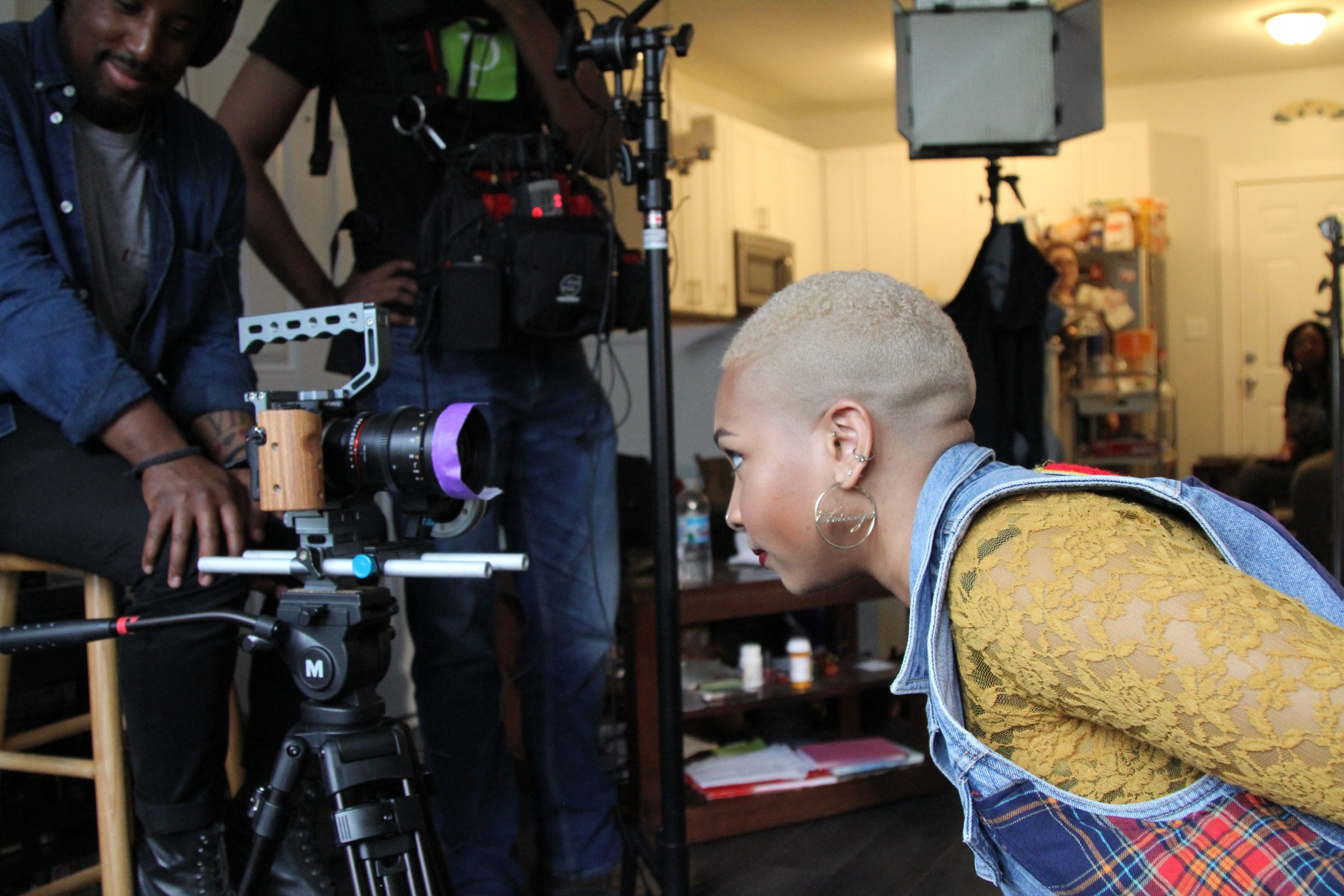
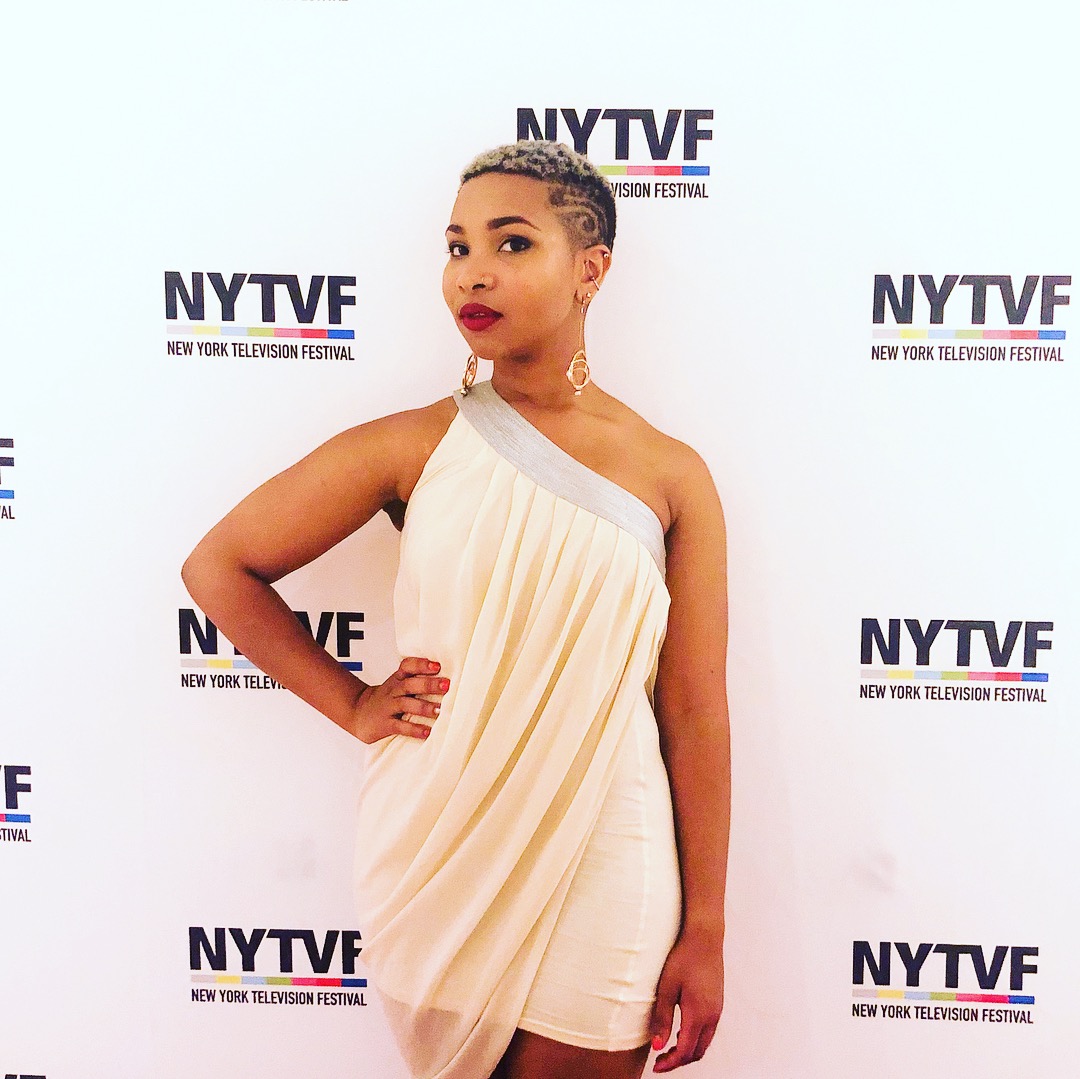
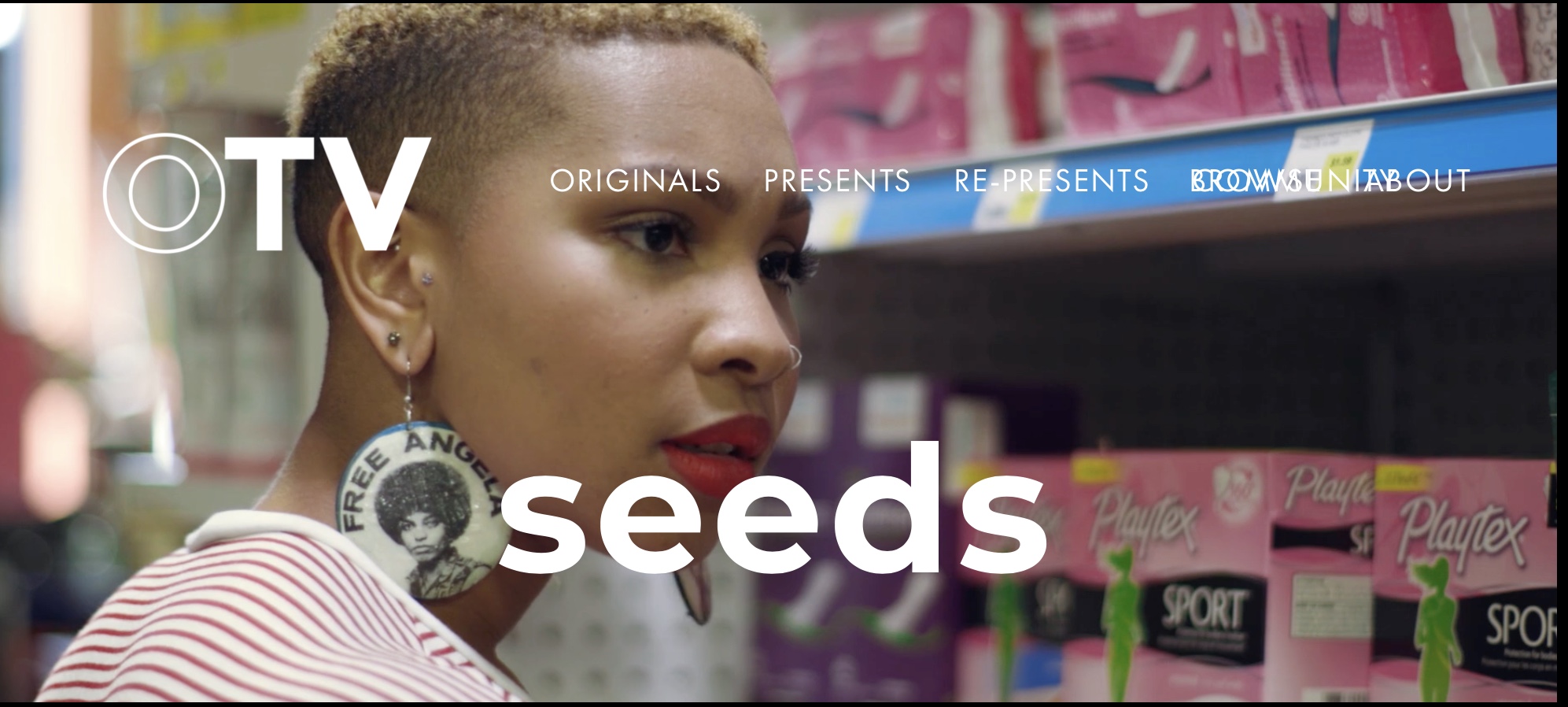
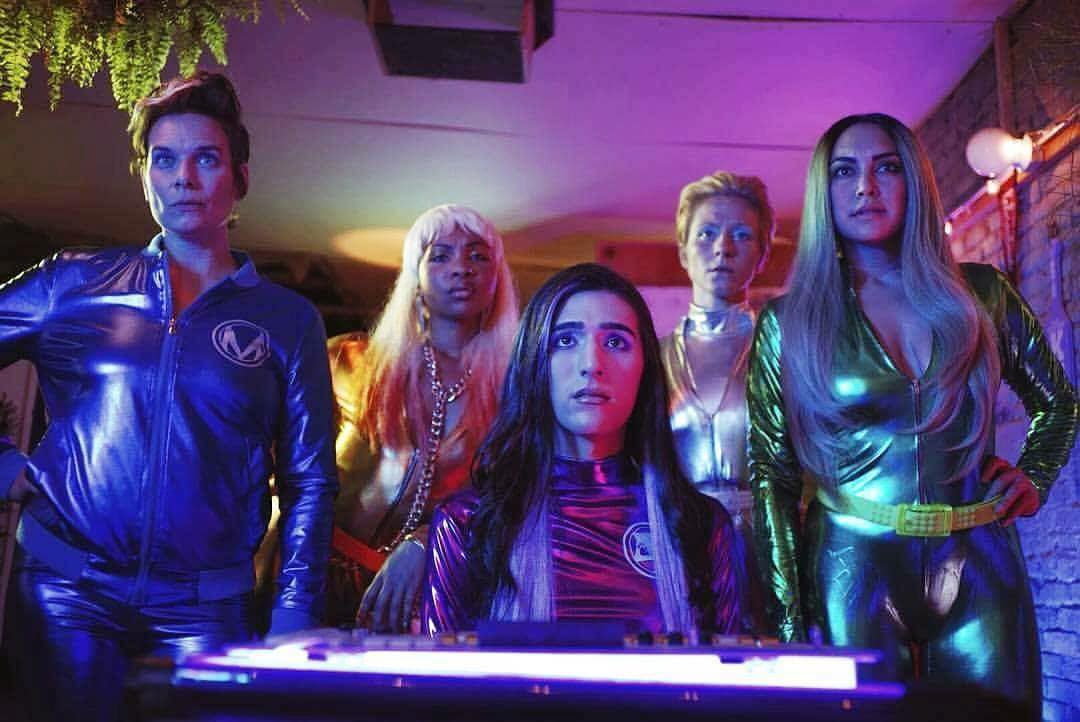
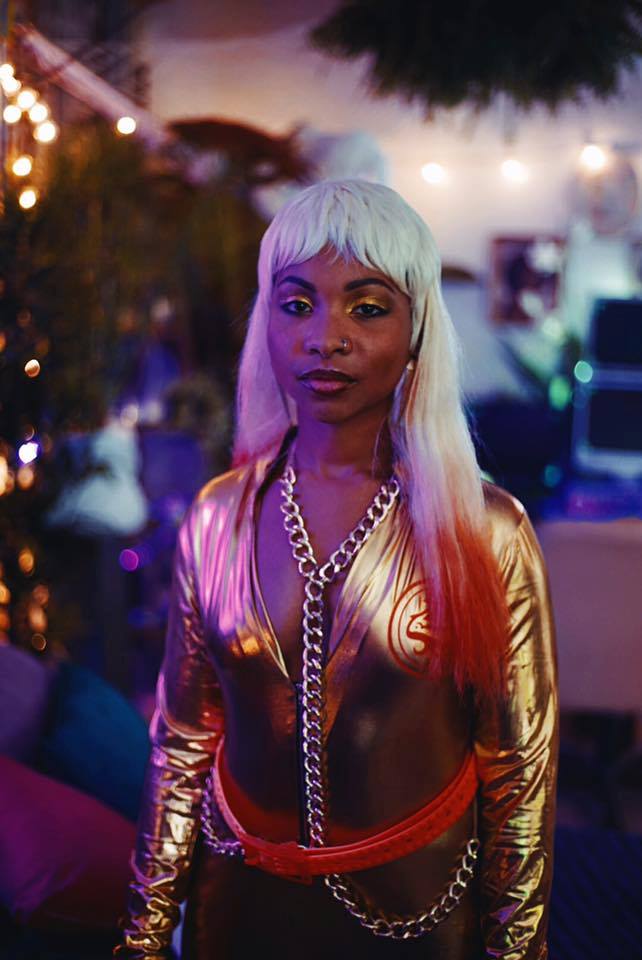
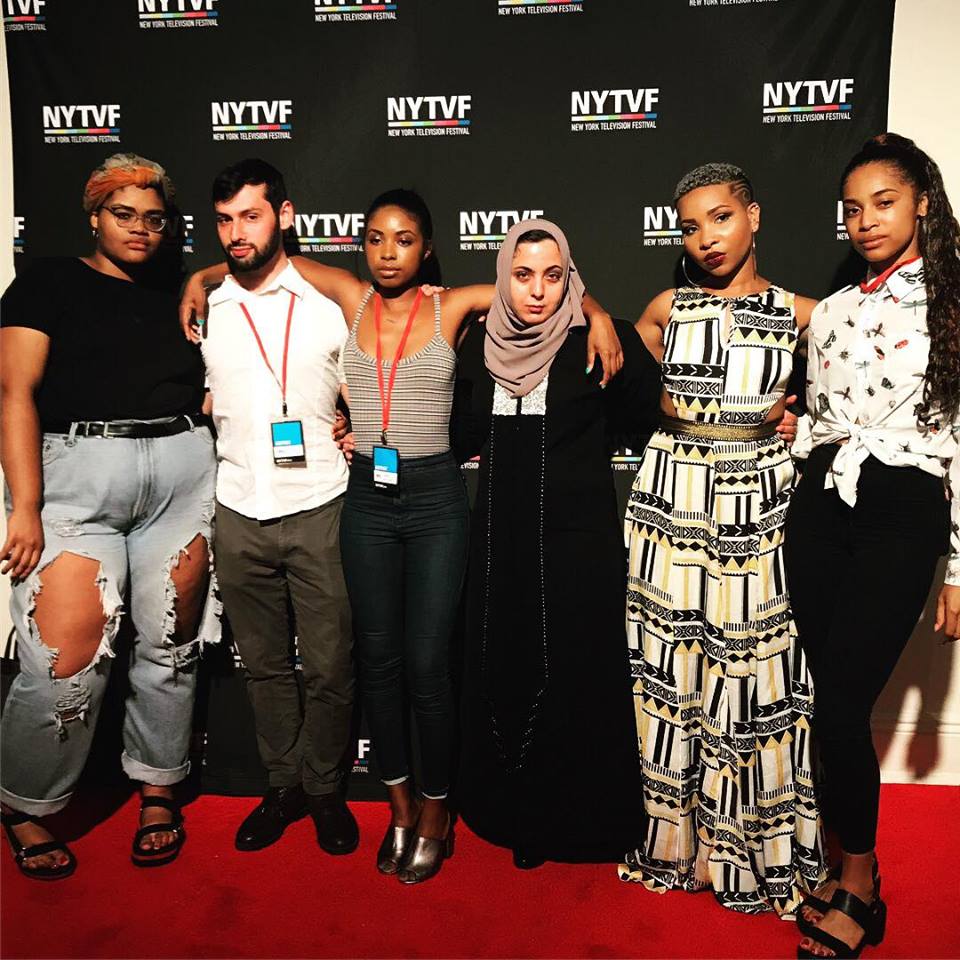
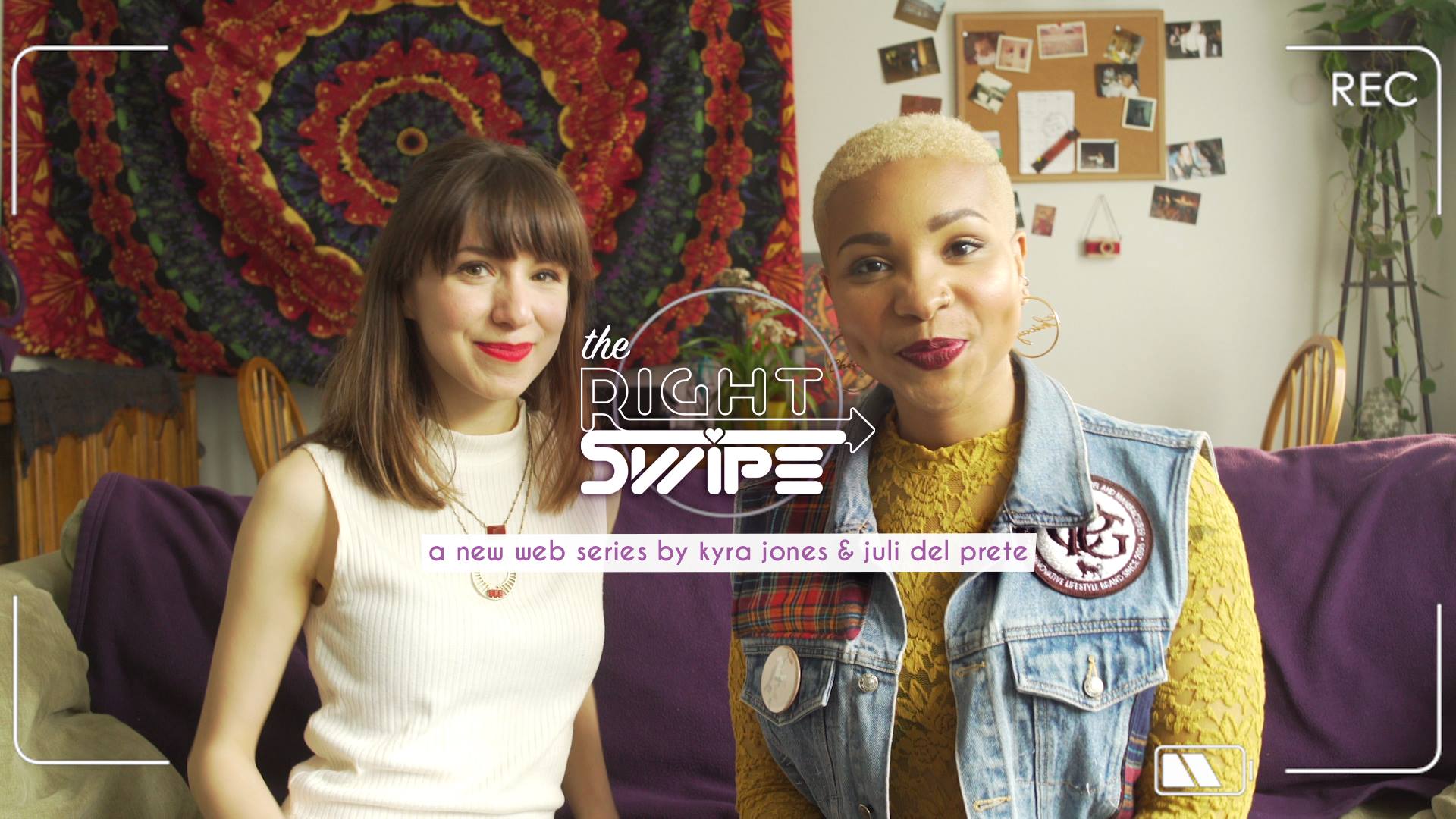 Image Credit:
Juli Del Prete, Kappa Force, Seeds, OTV – Open Television
Getting in touch: VoyageChicago is built on recommendations from the community; it’s how we uncover hidden gems, so if you know someone who deserves recognition please let us know here.


