



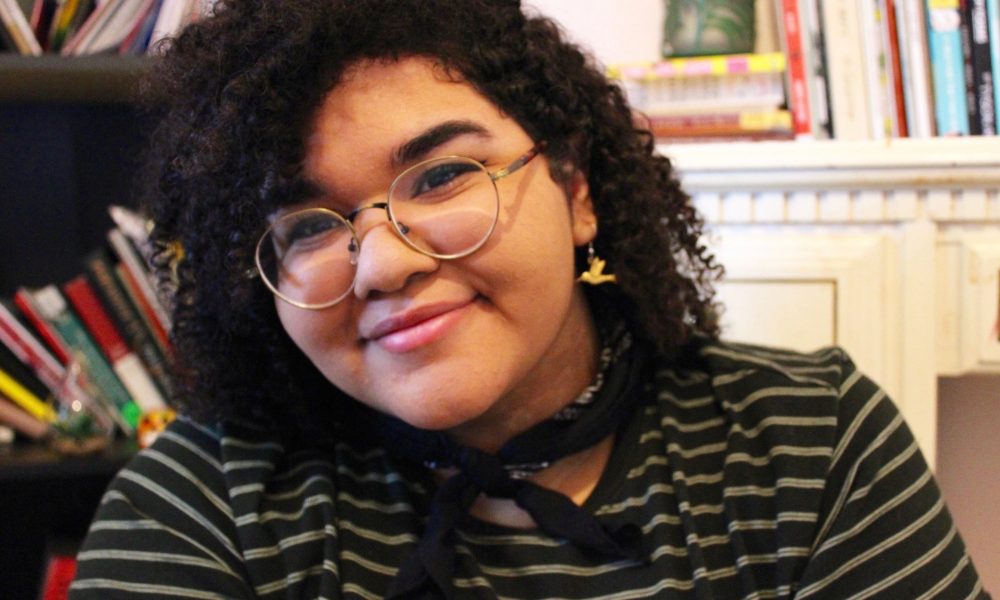
Today we’d like to introduce you to Lily Someson.
Lily, please kick things off for us by telling us about yourself and your journey so far.
For me, poetry has always been at the heart of it all. So, I think my story starts off with how often I tried to fill my life with everything but. I grew up in Northwest Indiana and came from a small-town, Midwest mindset. Because of this, pursuing an art career was not synonymous with stability. In our capitalist society, we measure our idea of success and worth by clinging to what is safe, and that was ingrained in me by my environment. By nature, an art career was not something I could envision myself pursuing, regardless of my love of poetry.
In the beginning of high school though, I became immersed in writing and doing journalism, which always intrigued me since it was marrying the idea of writing with giving people a voice in ways that they would normally not have access to. I wrote mostly opinion pieces on social justice issues, and decided that this kind of work was a happy medium between art and being realistic enough to feign this capitalistic idea of productivity. I went to a local college for journalism and tried to meld my love for poetry into that major, since I wasn’t confident that I could sustain myself being a creative writer.
When I transferred to Columbia College Chicago as a poetry minor, I was fully convinced that I would never make poetry anything other than a fever dream. I was so sure in my love for it, but I was so afraid to take that leap into the writing world that it almost kept me from following the career path that gave me the most joy. It wasn’t until the first writing workshop I had at Columbia that I realized my dreams were feasible, if only I reached out and grasped them. It suddenly didn’t matter to me if I was successful or not, and I realized that it was never the point. I was finally able to write my truth and through that alone help others, without caring about the stability of anything. I accepted that it was all fated for me, as long as I chose it. And I did. I’m so in love with everything poetry has had to offer me, and haven’t looked back since.
Can you give our readers some background on your art?
Along with writing, I help edit and design a literary magazine called Ransack Press. Ransack exists to find and publish writing that bends the rules and regulations of genre, as well as visual art that peaks interest and enhances understanding. We publish fiction, nonfiction, and poetry along with photography and illustration, and even include fun extras like poetry horoscopes based on seasons. We really strive to lift the people who would otherwise have a hard time finding a place in the mainstream literary world, including anyone who may feel marginalized and unheard in their art form. Our first issue came out in mid-July, and I couldn’t be more excited!
On the other side of things, my latest personal project is a chapbook based around mass incarceration, fatherhood, queerness, and the black body. I started this manuscript completely unwilling to be vulnerable with myself and my art, and in the past, I’ve had so many issues opening up and being honest in my writing. Deciding to start this project has made me adopt an entirely new state of mind, and has made me develop a newfound comfortability with the body and life I’ve been given. To be tender enough to write about our experiences is to be brave enough to embrace them. If anything, I want people to read my work and see a glimpse of themselves at the heart of it.
In your view, what is the biggest issue artists have to deal with?
I believe a big issue facing at least poets right now is the idea that poetry is dead. Poetry’s popularity is actually skyrocketing right now, and we find this because of how it’s being performed — by everyone in every kind of way. Slam poetry is a wonderful example of this. It’s all so much more than the classics that we may have learned about in our early educations, and this isn’t to say that these foundational poets are bad, but just that poetry can serve as such an important tool for expression that isn’t always highlighted in the mainstream teachings of it. For so long the craft was almost exclusively run by those who are naturally privileged, college educated, and dealt the right cards for success. In poetry’s revival we find that it is everything, written by everyone, and so much more in reach than it was in the past sixty-or-so years. It doesn’t have to look a certain way to be valid and important. Being able to convey feelings with our words will always be a reputable skill. Poetry never died, but the ideas that made it inaccessible are beginning to.
What’s the best way for someone to check out your work and provide support?
You can read Ransack’s first issue at www.ransackpress.com, and if you have any art to contribute to the magazine you can email us at info@ransackpress.com! Our fall issue’s theme “longing”.
For me personally, my first zine of poetry called “Phoenix: a zine about love, loss, and Lake Michigan” can be purchased here in PDF: https://payhip.com/b/hxwe.
My work and portfolio can be found on my Instagram @lilysomeson. I’m also on Facebook at Lily Someson, where you can see the poetry events I’m performing at around the city.
Contact Info:
- Email: lilysomeson@gmail.com
- Instagram: lilysomeson
- Facebook: lily.someson
- Twitter: literalily
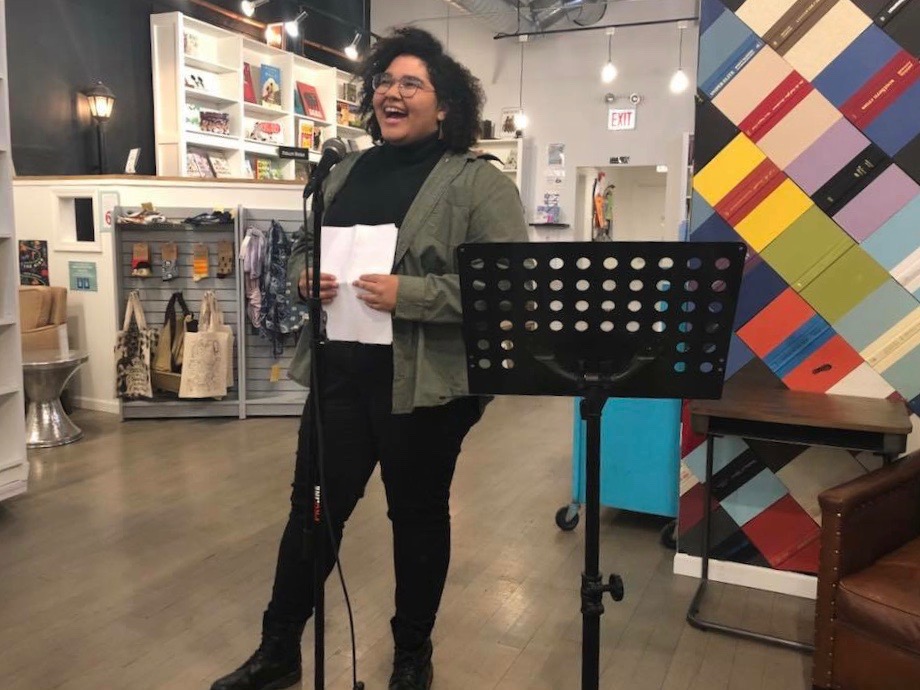
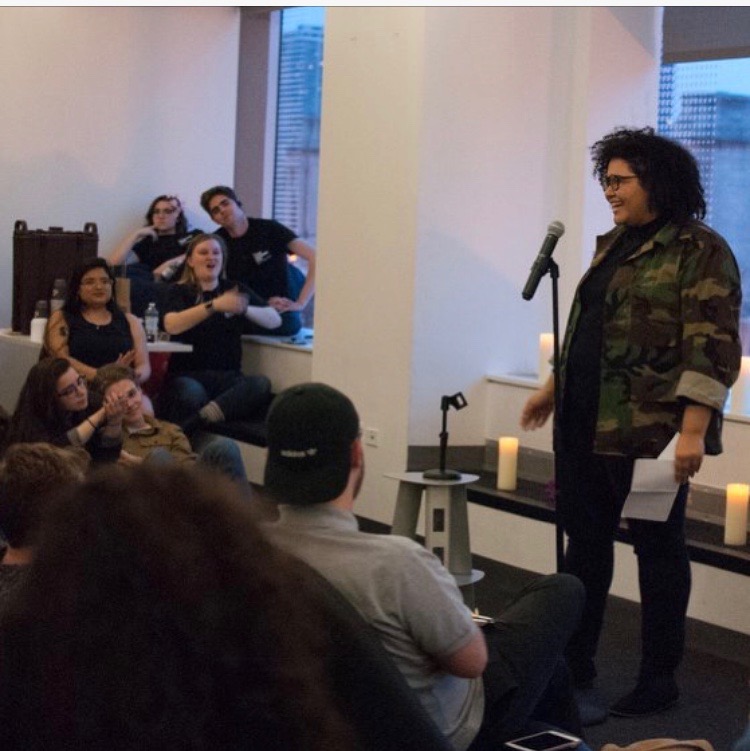
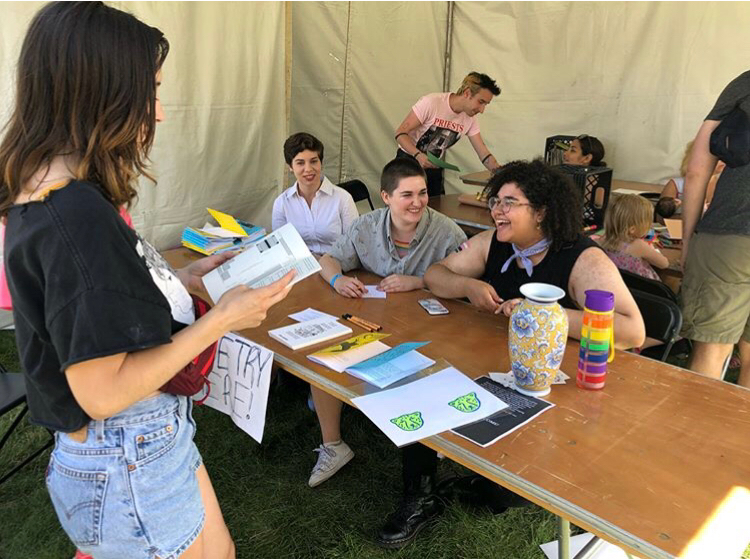
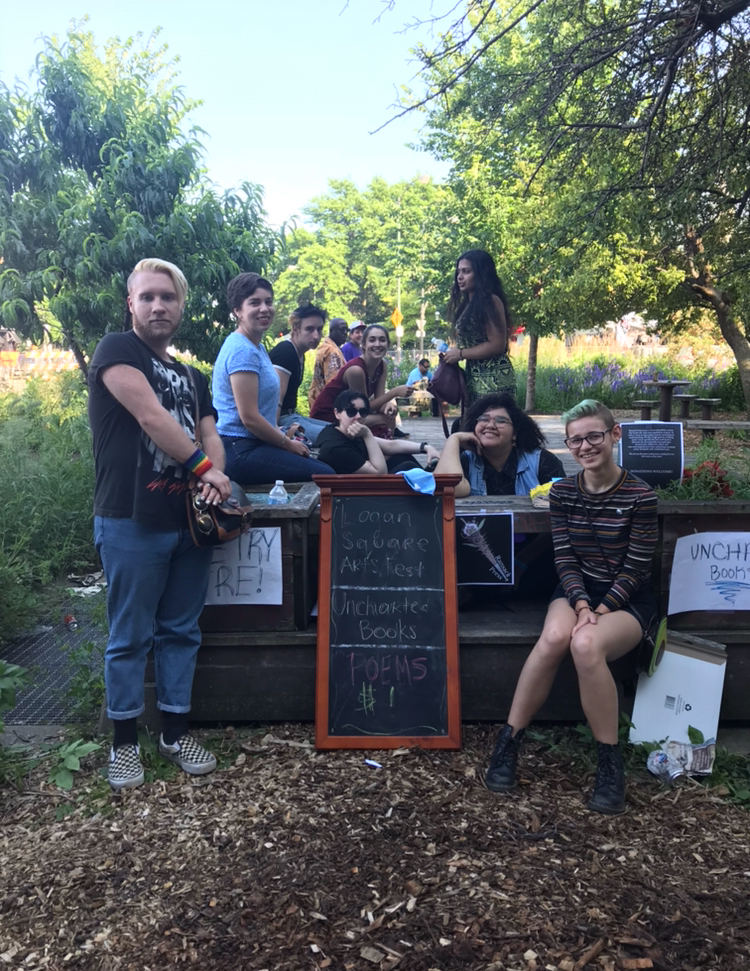
Image Credit:
Rivka Yeker
Drew Cizmadja
Getting in touch: VoyageChicago is built on recommendations from the community; it’s how we uncover hidden gems, so if you know someone who deserves recognition please let us know here.


