



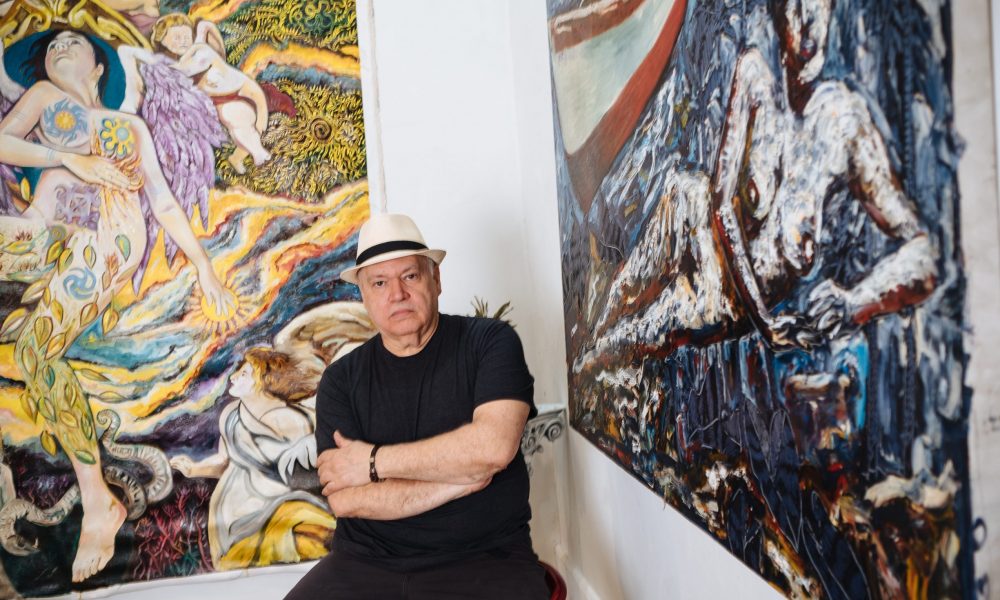
Today we’d like to introduce you to Oscar Luis Martinez.
Every artist has a unique story. Can you briefly walk us through yours?
He was born in Ponce, Puerto Rico where his early memories of the flora, mountains and a river behind his house served a platform for his work. He now resides in Chicago, Illinois and has a studio-gallery in the Chicago Art District of Pilsen. Through the study of science and art at the University of Illinois at Champaign, in 1977, he received a Bachelor of Science in Medical Art from the University of Illinois Medical He follow a similar path as Leonardo Da Vinci by learning human anatomy directly from cadaver and has always had a love for science. Mr. Martínez is an accomplished artist who has had numerous group and solo exhibitions throughout the Caribbean, Mexico, and the South Eastern and Midwest regions of the U.S. Among his many credits, his work has been shown in the Museum of Bellas Artes and the National Historical Museum in Mexico, the Desplaines Museum in Illinois, NIU Museum’s Gallery in Chicago, the Field Museum of Chicago, the State of Illinois Museum in Springfield and its gallery in Chicago at the State of Illinois Building. Additionally, his work has been featured on various television shows and published in newspapers and magazines.
Martínez was actively involved in the Chicago mural movement and has painted numerous murals throughout out the city. Moreover, he was appointed by the Mayor of Chicago to judge the international Design/Build competition for the Chicago Public Library and the selection of the library’s art collection. He was also appointed by the Governor of the State of Illinois to the Illinois Arts Council where he served as chair of Media Arts. Furthermore, he has served on various boards and commissions including as President of the Latino Institute of Chicago. He is also the founder of the Latin American Museum of Art. In 2005, he did an Artist in Residency at the University of Illinois at Champaign. He is currently Artist in Residence at the Chicago Grammar School.
Please tell us about your art.
Archeology of the Mind
Oscar Martínez, Puerto Rican and a resident of Chicago since his mid-teens, utilizes a symbolic vocabulary in his paintings that references his childhood. These symbols, or metaphors his grandmother in a rocking chair, river stones, roosters, a particular species of leaf, boats, chairs and other-worldly figures such as a striped female figure-embody the artist’s history, and he uses them to describe his exploration of the spiritual world and the personal messages that lie within the folklore of his youth. Each title in Martínez’ body of work reveals the type of questions foremost in his mind: Prision del Espiritu y la Carne (Prison of the Spirit and the Flesh), Vienen por mi y todos mis recuerdos (They are Coming for Me and All of My Memories), Altar, The Earth Will Reclaim You, to name a few.
Martínez is captivated by the idea of the perception of reality in art. He is engaged in a constant dialogue between the act of painting, which requires a controlled cognizance of time and space in order to depict images on a canvas, and the effect of this action as a poetic metaphor. Whereas the essence of the spiritual is itself intangible in the physical world, the creation of paintings whose images define a perception of the spiritual world render tangibility to an otherwise wholly internal state of being. Spirits, for Martínez, are companions to one’s self; they are beings which guide us to a higher plateau beyond the mere exist. Several years ago, Martínez discovered that the paintings depicting memories of his childhood in Puerto Rico unleashed an ability to define his own sense of the metaphysical aspects of life. The repetitive use of symbols related to the island became Martínez’ vehicle with which to create visual narratives of his past and thereby define a sense of a linear reality. For example, Martínez’ striped female figure represents an image of an idea of nothingness; that is, a spiritual body that exists only within the free-floating line on the canvas. Without the rendered form on the canvas, this figure is reduced to its essential spirit; still equally real as before in the artist’s mind, but now tangible to the observer and therefore definable in reality.
Even without Martínez’ explanations of the spiritual presence in his work, these narrations Is commanding the viewer’s attention by the activity on the canvas alone. There is no negative space, no breathing room, only vibrancy of color and composition. The dynamic and tactile surface quality of his work lures the observer inside of the painting, forcing questions, creating a need to resolve the mystery that surely lays within the canvas. The images are vital, stirring and often disturbing. An observer cannot walk away without at least some comprehension, or at the very minimum a sense of curiosity about the world created by Martínez. It can become a game between audience and artist, where the viewer attempts to define a reality perceived by the artist, while the artist attempts to define a reality perceived by the world outside of himself. The style of Martínez’ work thus becomes a self-perpetuating tool the artist implements to forge new definitions of his inner world. Take, for example, his 1994 painting titled “Llanto en Vano “(Cry in Vain), which depicts on old woman in a rocking chair, her crying head buried in her arm; a striped female figure dominating the foreground in a twisted, free-falling position, with an expression of simultaneous ecstasy and agony; and a third female figure of translucent white emerges from the rocks of a dried-up riverbed. The rocks represent the river that once flowed in Martínez’ backyard (his native town of Maraguez gave way to a dam and is now under water), and they are also the unchanging soul from which his memories resurface. Perhaps these three figures represent aspects of one: the old woman’s young spirit as it emerges from the water, the striped spirit as it writhes in its youthful energy, and the old woman crying in vain to recapture these lost elements.
Perhaps, too, the old woman’s cry in vain to preserve her youthful spirit causes her soul to emerge from the rocks; or maybe it is the pained spirit twisting in its earthly flesh that longs to be freed and return to the rocks from which she came. However, we interpret the scene, we witness the struggle, the cycle, the lush setting of the tropics, the desire to seek answers.
Altar is unusual in that it depicts one of the few self-portraits of the artist. The figure in the foreground arises from the riverbed of rocks; we see him from the waist up and standing behind him is another version of himself, but wearing a monster mask. From the river of rocks also emerge flaming sticks, hands attached to disembodied arms, a rooster; the striped spirit-figure writhes again in the background, perhaps watching over (or agonizing over?) the sacrifice of the artist’s soul to his past.
The dreamlike quality in all of Martínez’ paintings allows both painter and audience to enter into this sacred realm and explore the offerings our psyches so richly accumulate. One can always choose to walk past a painting, deciding not to attempt an interpretation but only to admire its surface qualities; or one can step inside of the story itself to interact with the messages revealed within.
Ilana Vardy was the Director of Art Miami and contributing writer to Art Nexus an international art magazine
What do you think about conditions for artists today? Has life become easier or harder for artists in recent years? What can cities like ours do to encourage and help art and artists thrive?
As a former member of the Illinois Arts Council of Illinois and the City of Chicago Department of Cultural Affairs, I have always advocated for local artists and especially Latino artists who are always struggling to receive the recognition they deserve.
For this reason, I funded the National Puerto Rican Museum in Humbolt Park. One unfortunate reason artists struggle is as a result of little or no efforts by local institutions, like art museums, to support artists. Cities like Chicago should do more for local artists. There was a plan created twice in the last 20 years but I have not seen it fully implemented. The city could use the art scene and promote its artist to attract more tourists who can support artists careers.
How or where can people see your work? How can people support your work?
I have a gallery: Oscar Luis Martinez Fine Arts and a web site: www.oscarmartinez.com
Contact Info:
- Address: 1841 South Halsted Street
- Website: www.oscarmartinez.com
- Phone: 709.979.9349
- Email: art@oscarmartinez.com
- Instagram: oscar_luis_martinez_fine_art
- Facebook: https://www.facebook.com/oscarluismartinezfineart/
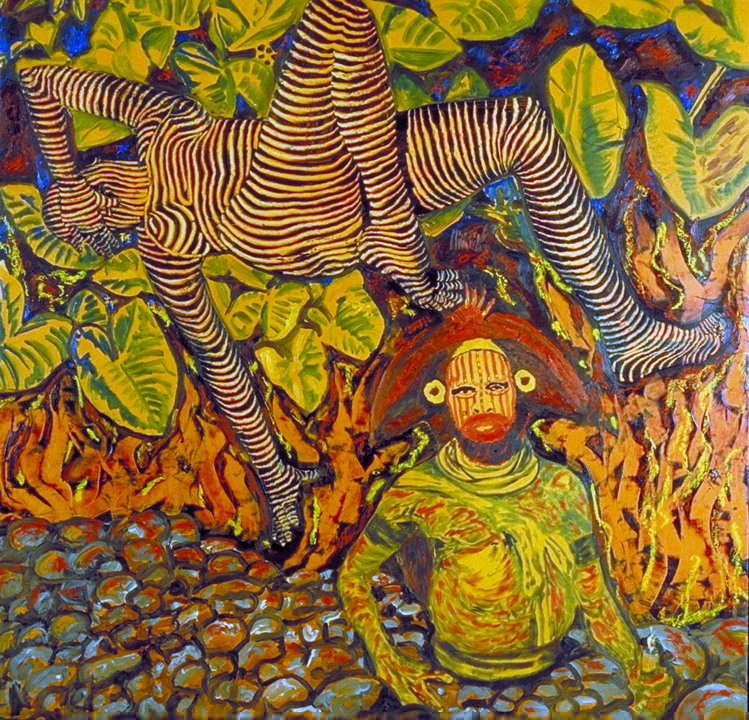
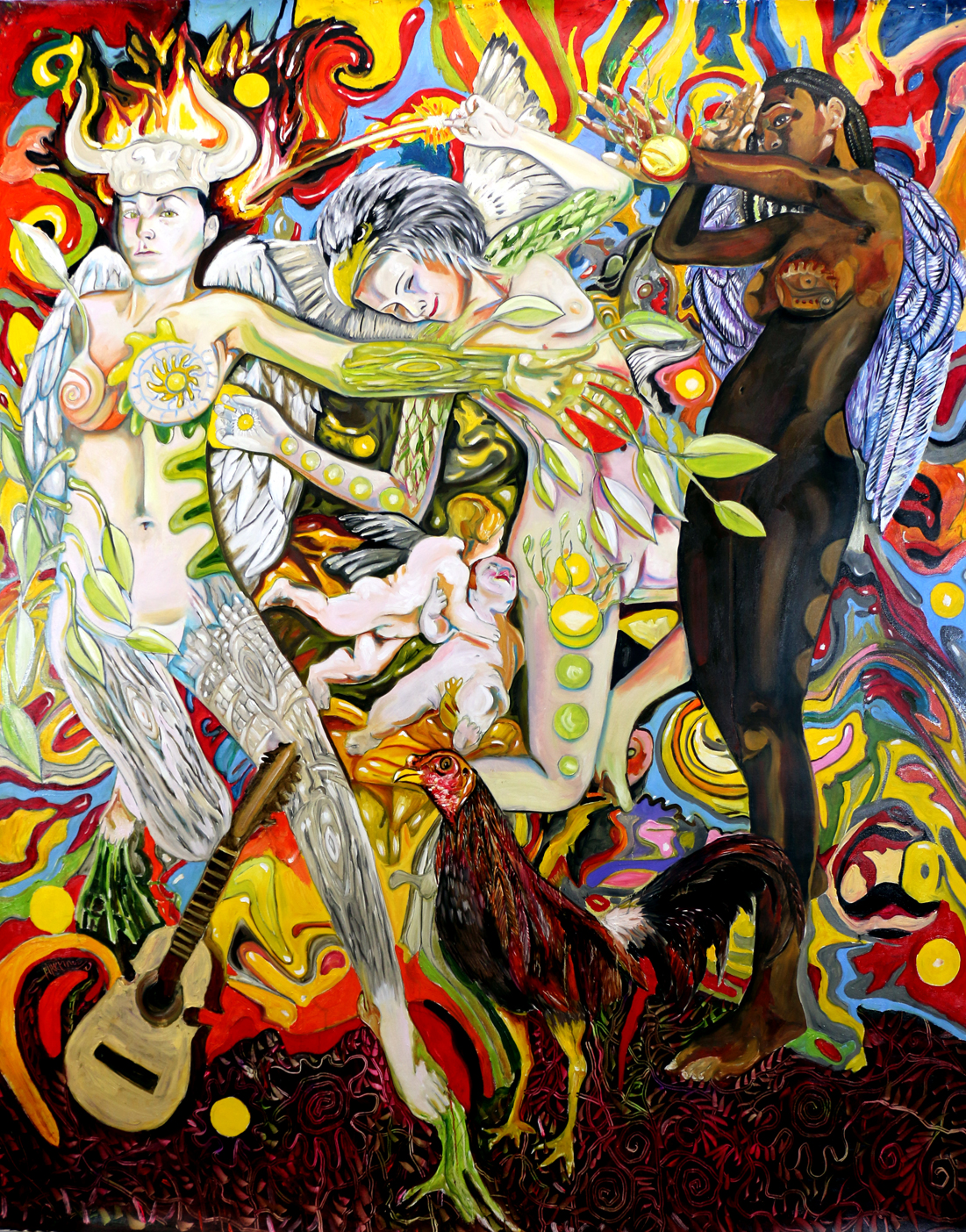
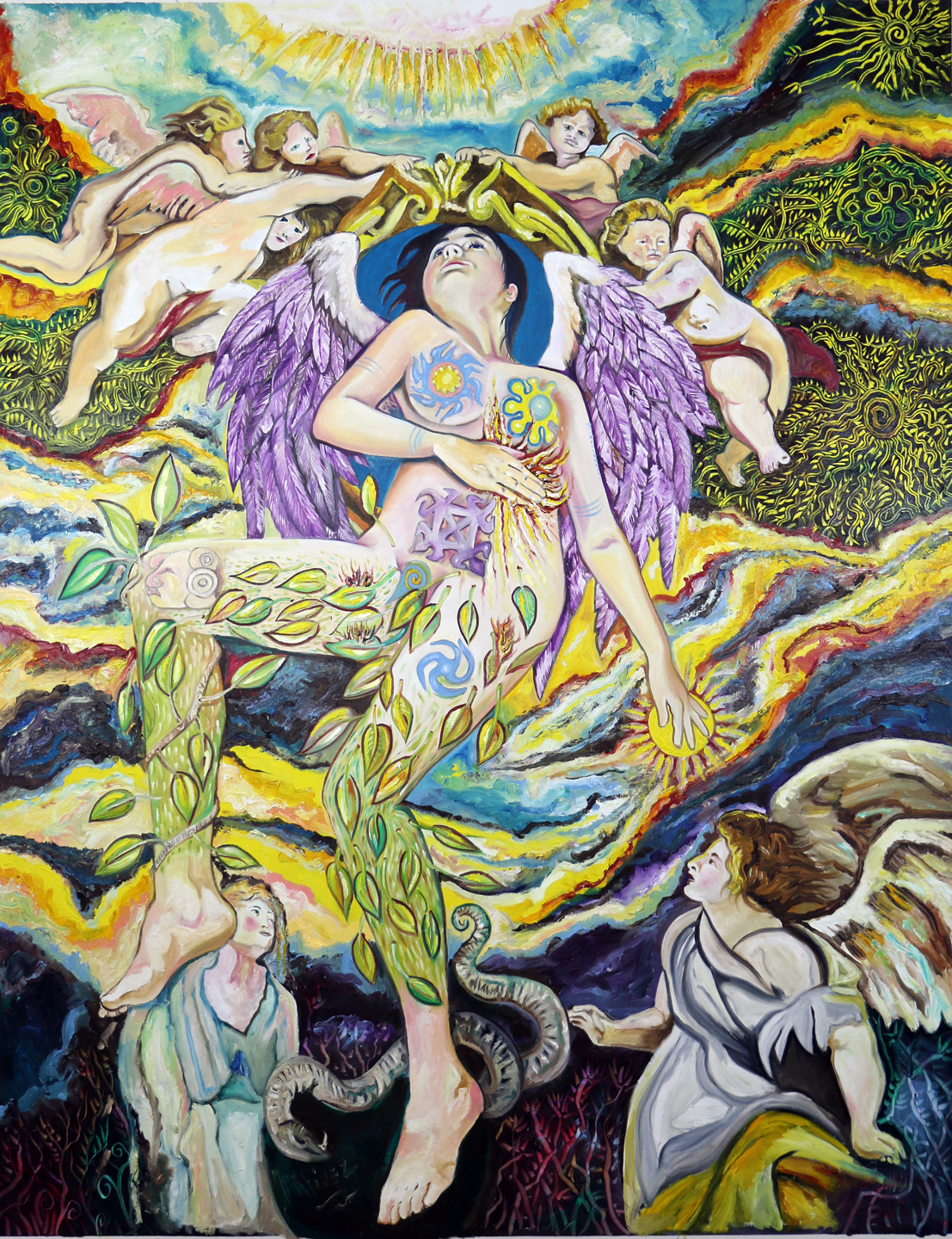
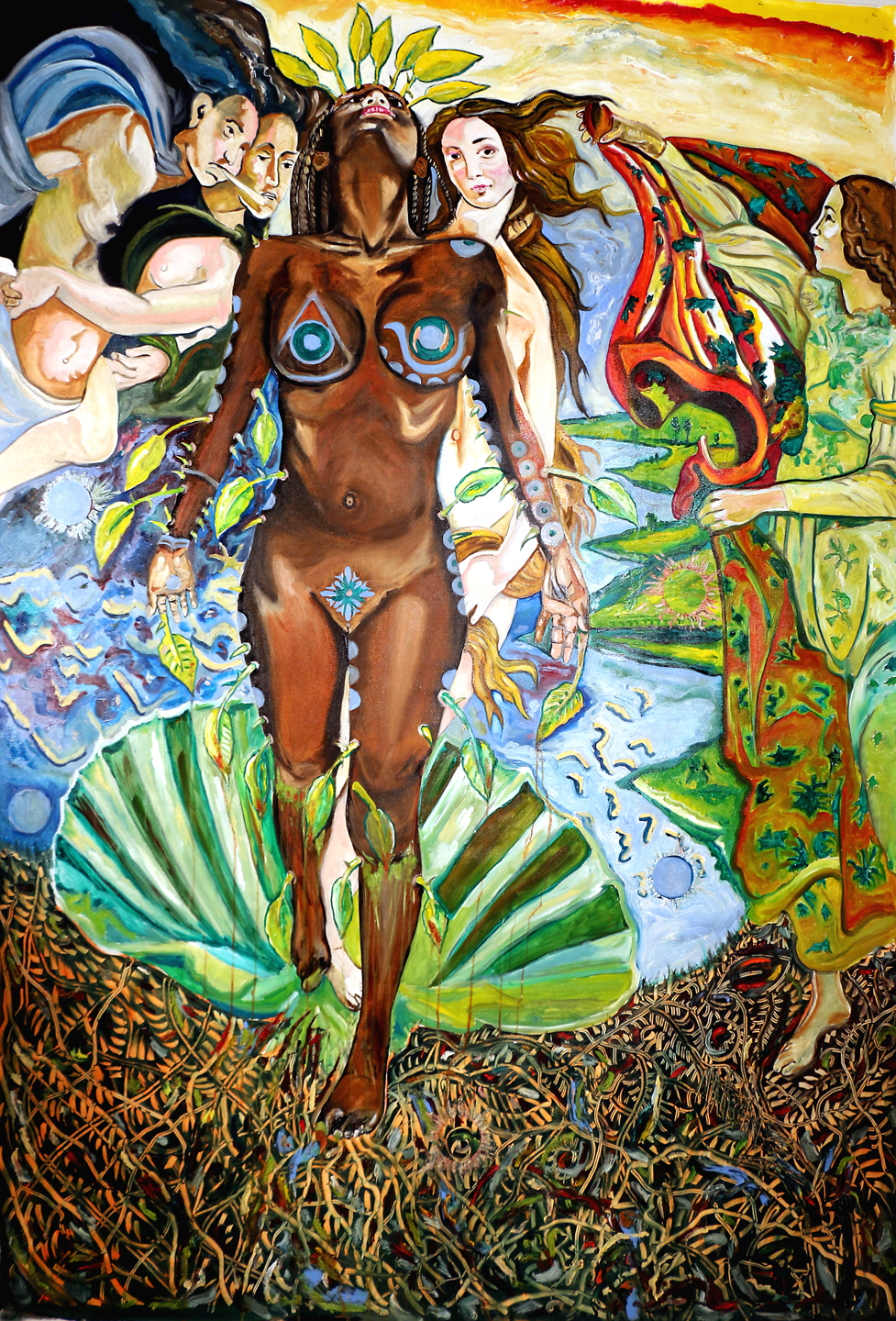
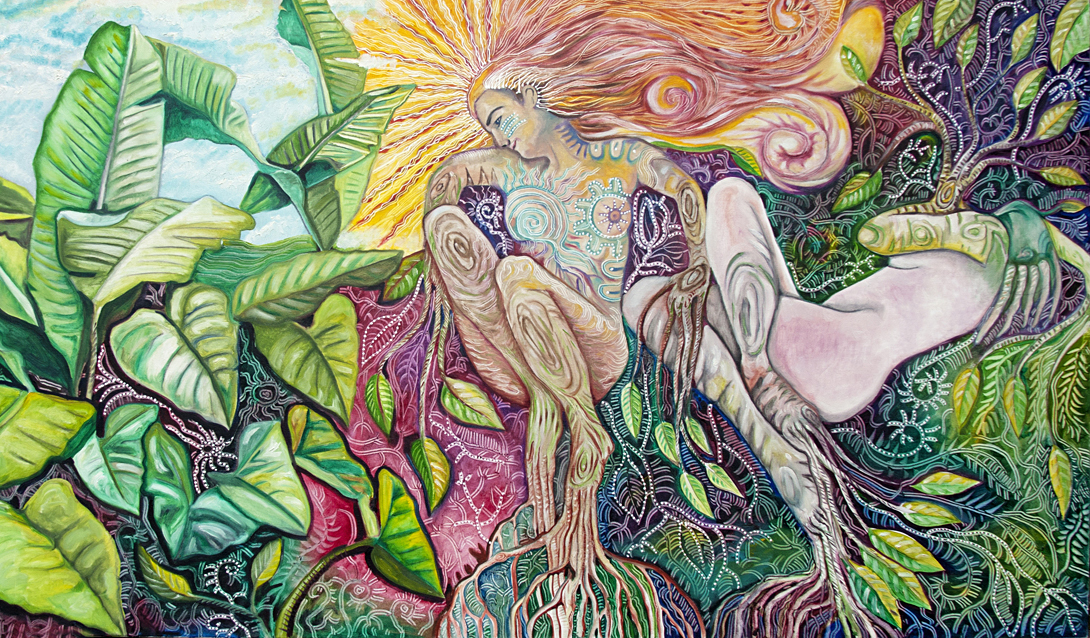 Image Credit:
Portrait: Brian Eaces, photographer
Painting Images: Oscar Luis Martinez
Getting in touch: VoyageChicago is built on recommendations from the community; it’s how we uncover hidden gems, so if you know someone who deserves recognition please let us know here.


