





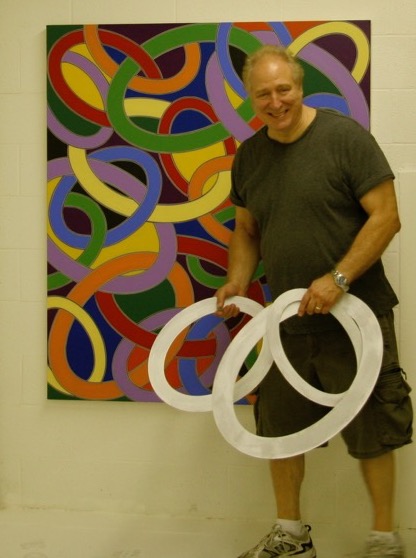
 Today we’d like to introduce you to Corey Postiglione.
Every artist has a unique story. Can you briefly walk us through yours?
I was born and raised in Chicago. I received my BFA in Studio Arts at the University of Illinois at Chicago and a Master’s Degree in Art History and Critical Theory from the School of The Art Institute of Chicago. Since the 1970s I have exhibited professionally with over twenty solo exhibitions, and numerous groups shows at such institutions as The Art Institute of Chicago; the Chicago Cultural Center; Jan Cicero Gallery, Chicago, IL; Printworks, Chicago, IL; The Beverly Arts Center, Beverly, IL; the Evanston Art Center, Evanston, IL; and Lake Forest College, Lake Forest, IL. I also have shown internationally in Glasgow, Scotland, Karlsruhe and Munich, Germany, and Vaishali, India.
From an early age I demonstrated a talent for drawing. This experience led me to believe I had artistic potential. This was also fostered by parents. Being Italian American Catholics, they believed this “gift” was inherently God-given. At Lane Tech high school, I enrolled in a special program for art. We did illustrations for the Yearbook but also were required to do a painting a week based on a particular theme. So, it was a combination of both commercial practice and fine art. Later I went to the University of Illinois to study art exclusively. I could concentrate on mainly art because I already had at least two years of academics at a junior college. Much later in the mid-80s after years of exhibiting work professionally, I decided to further my education with a Masters in Art History and Critical Theory at the School of the Art Institute. This last led to a full-time position at Columbia College Chicago where I taught both Art History and Studio practice for over 25 years. I am currently Professor Emeritus.
Please tell us about your art.
For most of my career as a practicing artist I have remained an Abstract painter. Abstraction has always provided for me the possibility for formal innovation as well as dealing with metaphoric content. There is truly a sense of openness of interpretation with abstract work for the viewer. Some examples of this last idea of creating abstract work that is more metaphoric and not just formal, i.e. about color, form, and composition, are the series I have explored since the 90s which would include the focus on the labyrinth as an image and theme; the population series that drew on the ramifications of that exponential growth,
The “Vortex Series,” is where I continue to explore the theme of passages through life. In my previous series, the “Tango Series” and the “Labyrinth Series,” the themes were concerned with the unknown trajectories of life and how the choices one makes can result in a variety of outcomes.
For this most recent body of work (that references the enigma of Globalization) I have focused on a variation of this theme using the intertwined oval configuration as a visual metaphor to express concepts of relationships: entanglement, puzzlement, connectedness, and disconnectedness. In this last regard the paintings reference a state of duality and attraction, as well as complication, confusion, and perplexity. The concept of the vortex provides a rich metaphor for the complexity of emotions that people have regarding not only their individual lives but about the very nature of existence itself.
The paintings attempt to capture this complexity through formal strategies, introducing a variety and intricacy within the use of the oval motif not seen in my previous series. Simply put, I am attempting to make abstraction metaphoric with references to the life world. The “Vortex Series” continues to explore different visual possibilities for the aforementioned.
Do you have any advice for other artists? Any lessons you wished you learned earlier?
I always recommended to my students that in order to support a career in art it is important to have a day job. Sales of work are usually not enough to depend on. Even if your work gets “hot” there is no guarantee this will continue. Now the best support job you can have is a teaching position which today requires an MFA, especially for a permanent tenure track position. If this last is not in the immediate future then take a job that pays well for the shortest amount time required like a bartender or waiter.
How or where can people see your work? How can people support your work?
Firstly, my work can be seen on my website–coreypostiglione.com–or online or in person at two of the galleries that represent me: Space Gallery Denver, and Westbrook Modern, Carmel-by-the Sea, CA. One can also come by my studio for a visit at 4201 N. Ravenswood in Chicago. A number of my works are also on view at Purdue University, IN, and Oakton Community College, Des Plaines, IL as part of their permanent collections. Of course, the best way to support an artist is to purchase their work. This allows the artist to continue with their practice and pay the bills for materials and studio expenses.
Contact Info:
- Address: 4201 N. Ravenswood
Chicago, IL 60613 - Website: coreypostiglione.com
- Phone: 773.267.6454
- Email: coreypostiglione@comcast.net
- Facebook: www.facebook.com/corey.postiglione
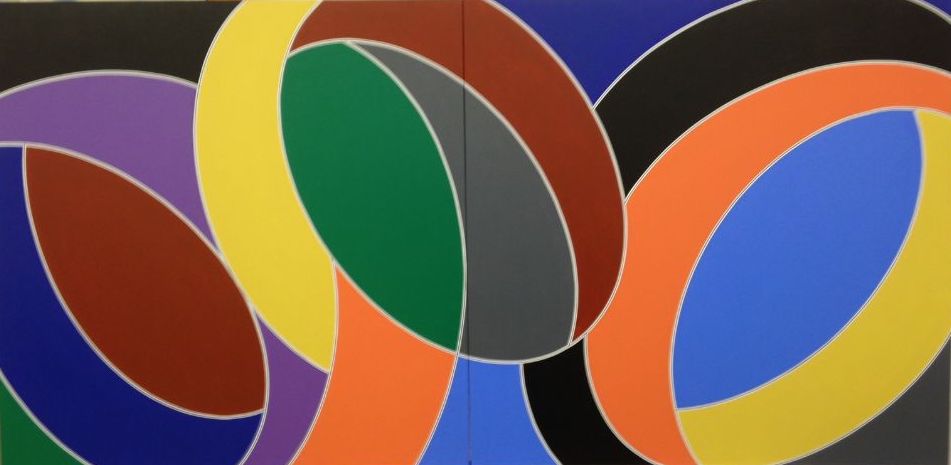
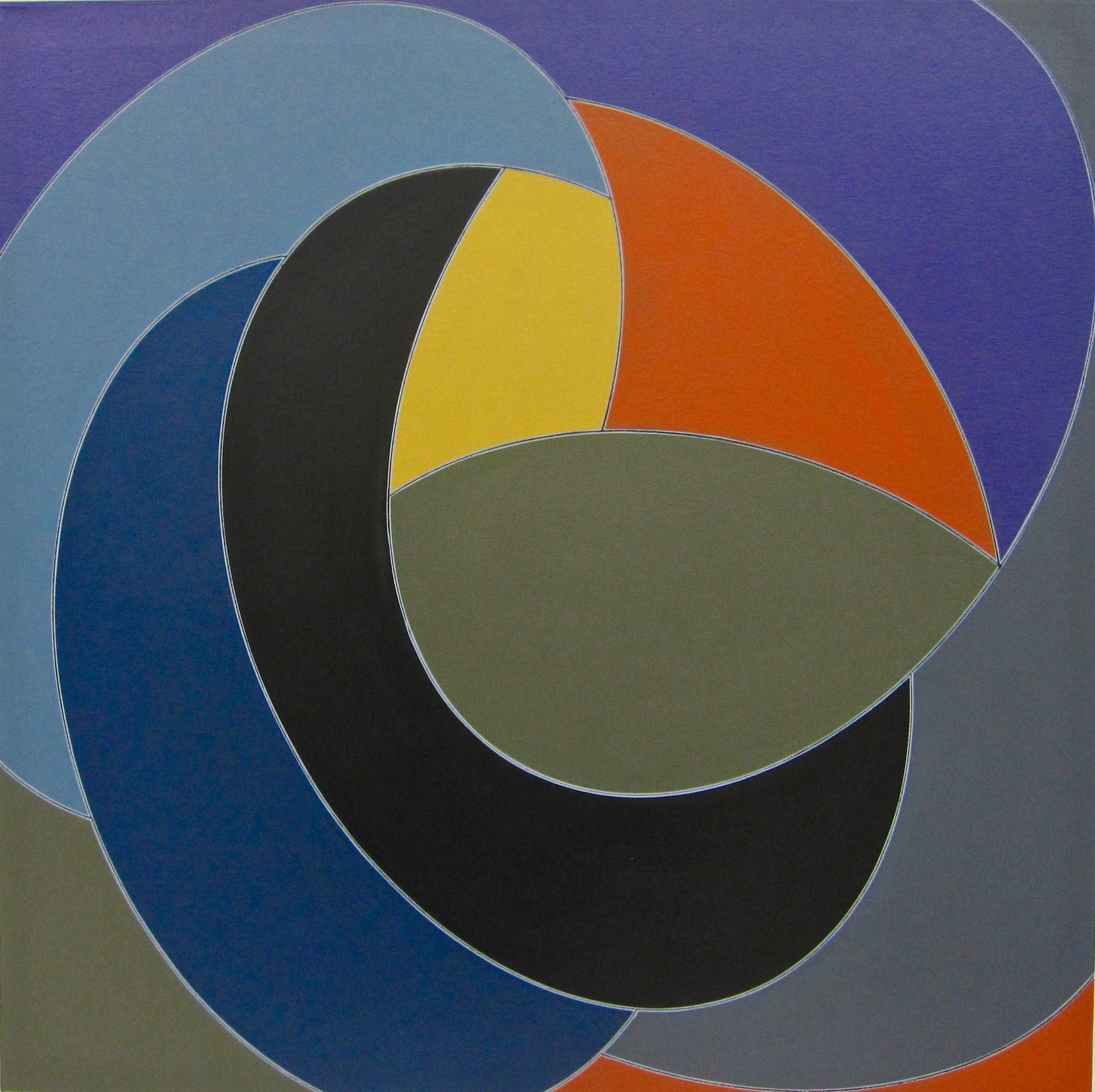
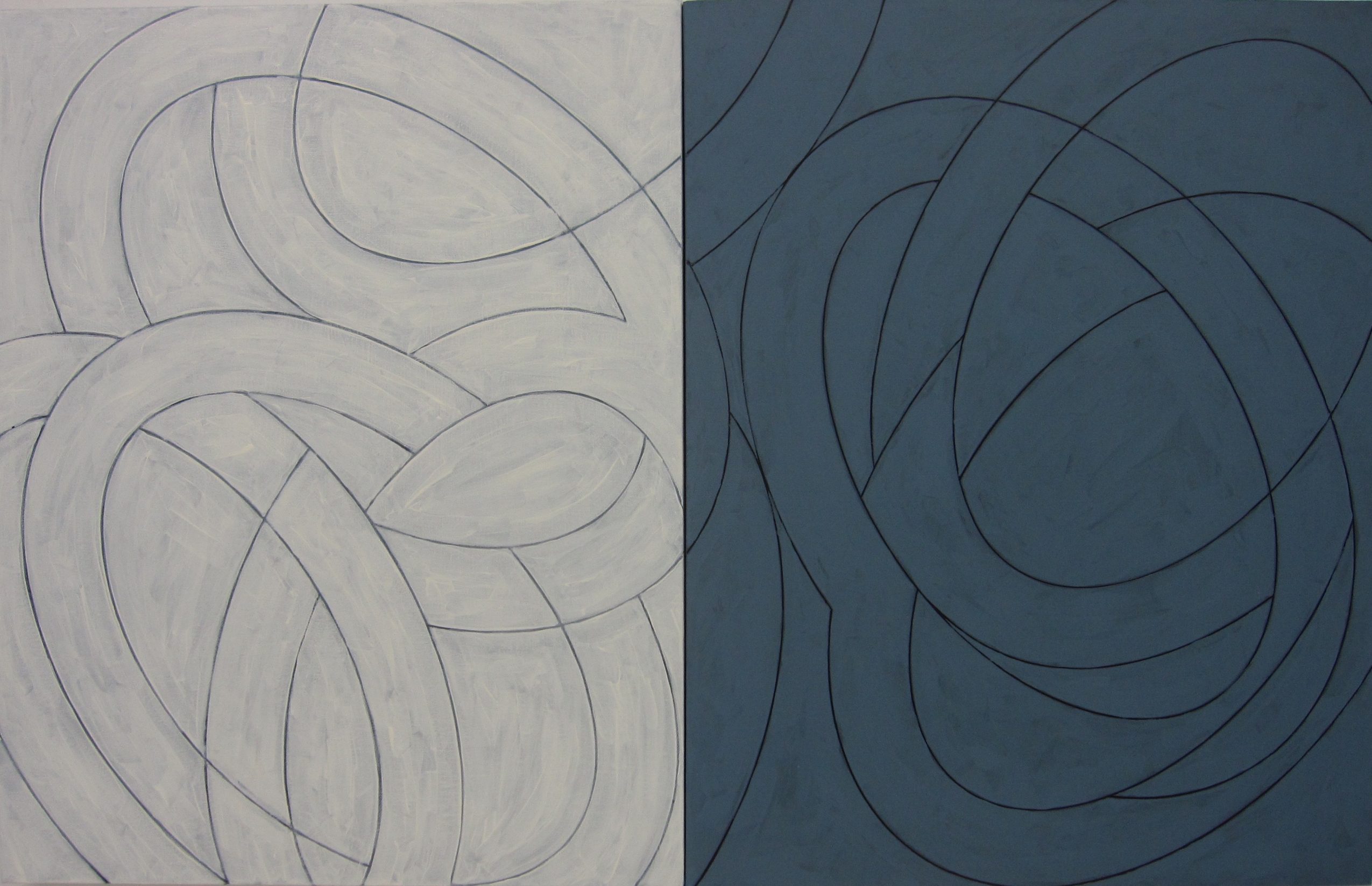
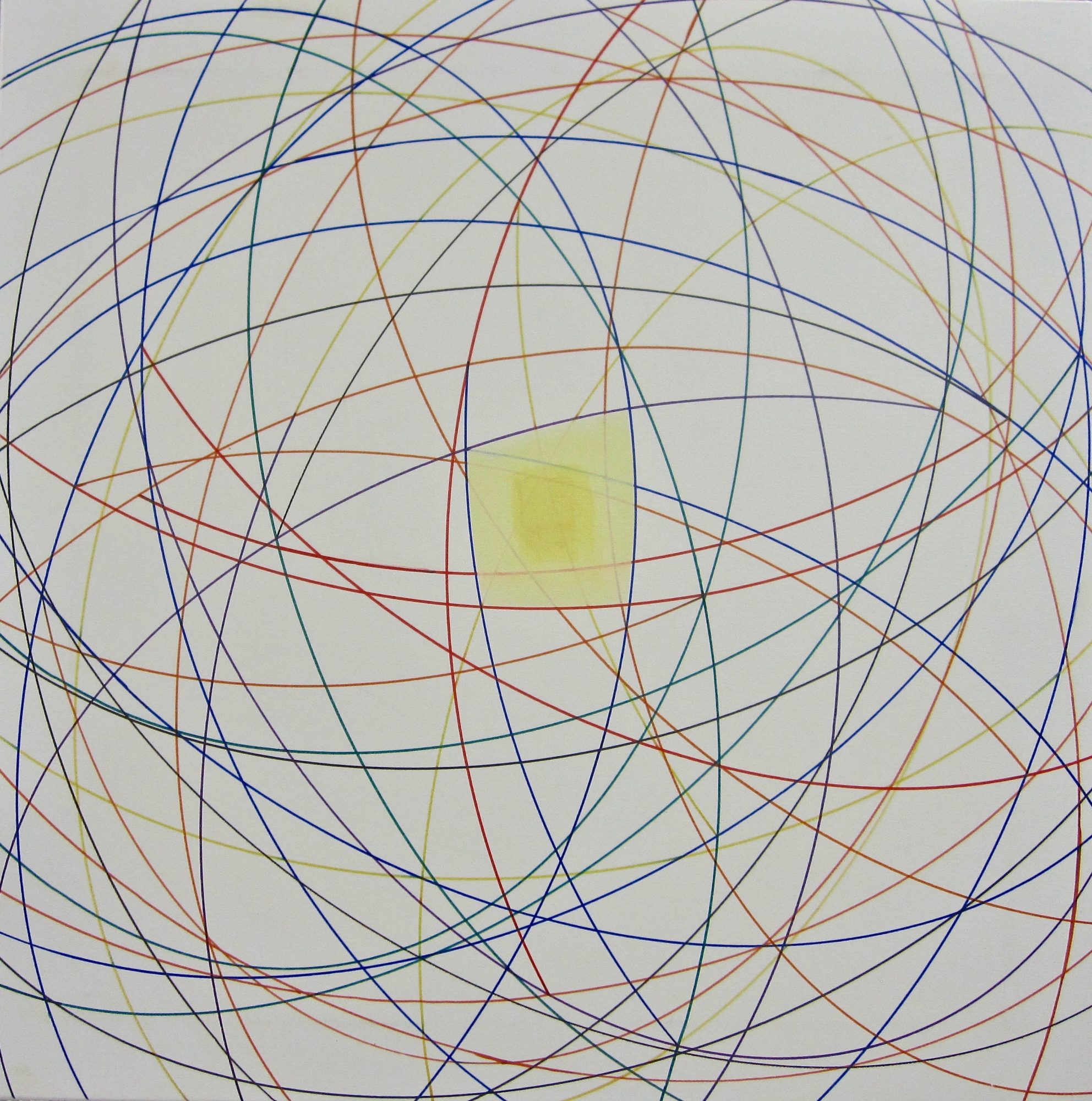
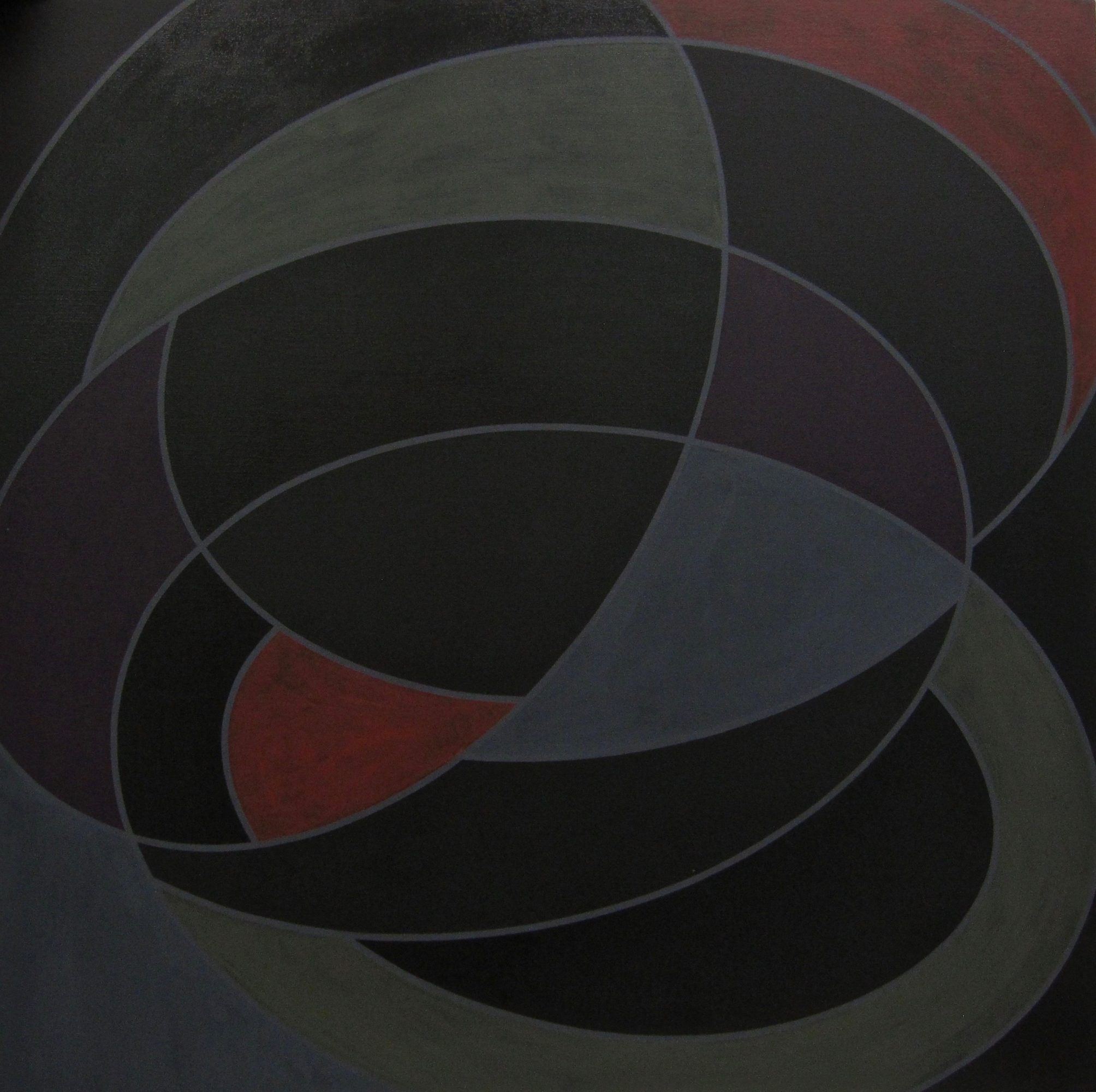
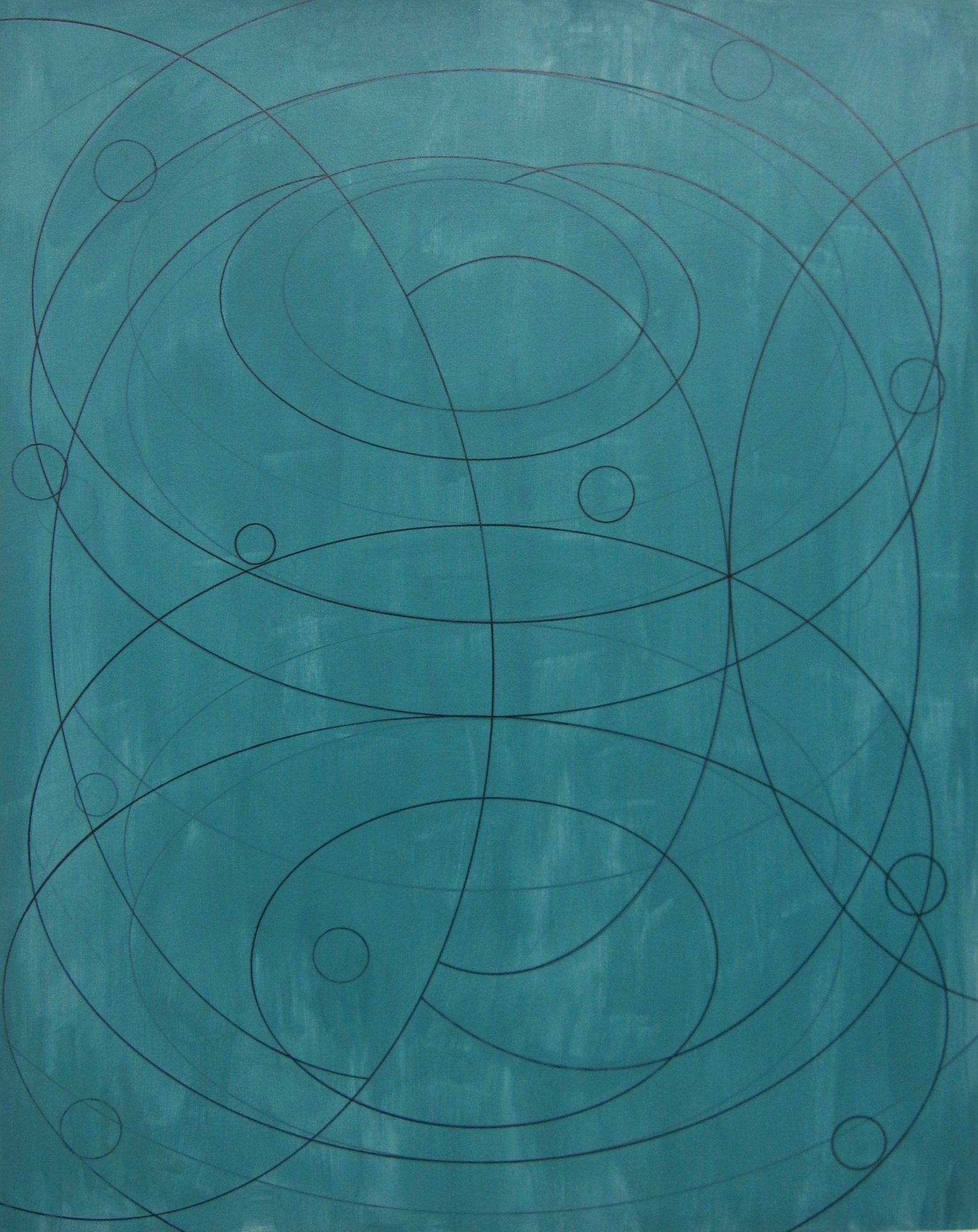 Image Credit:
Kathie Shaw
Getting in touch: VoyageChicago is built on recommendations from the community; it’s how we uncover hidden gems, so if you know someone who deserves recognition please let us know here.









Tim Hurley
August 17, 2018 at 8:14 pm
Great opportunity for the public to be introduced to your work as well as your philosophy fantastic Corey. Cheers Tim