



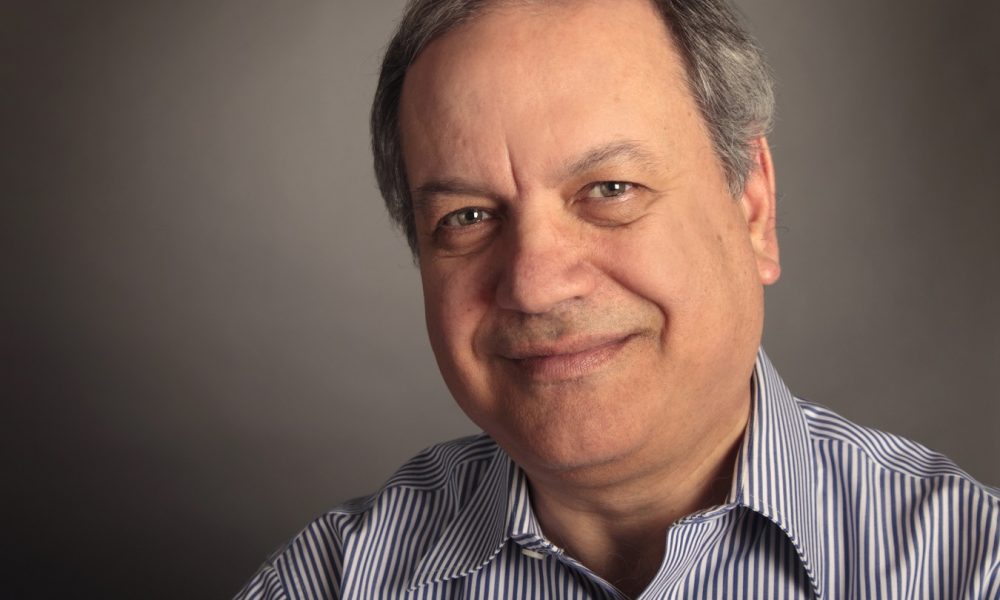
Today we’d like to introduce you to Stavros Basseas.
Stavros, let’s start with your story. We’d love to hear how you got started and how the journey has been so far.
People with hearing impairment are largely underserved worldwide. In developed countries (like the US), products are accessible but not usually affordable. In emerging markets, they are neither accessible nor affordable. We set out to change that equation.
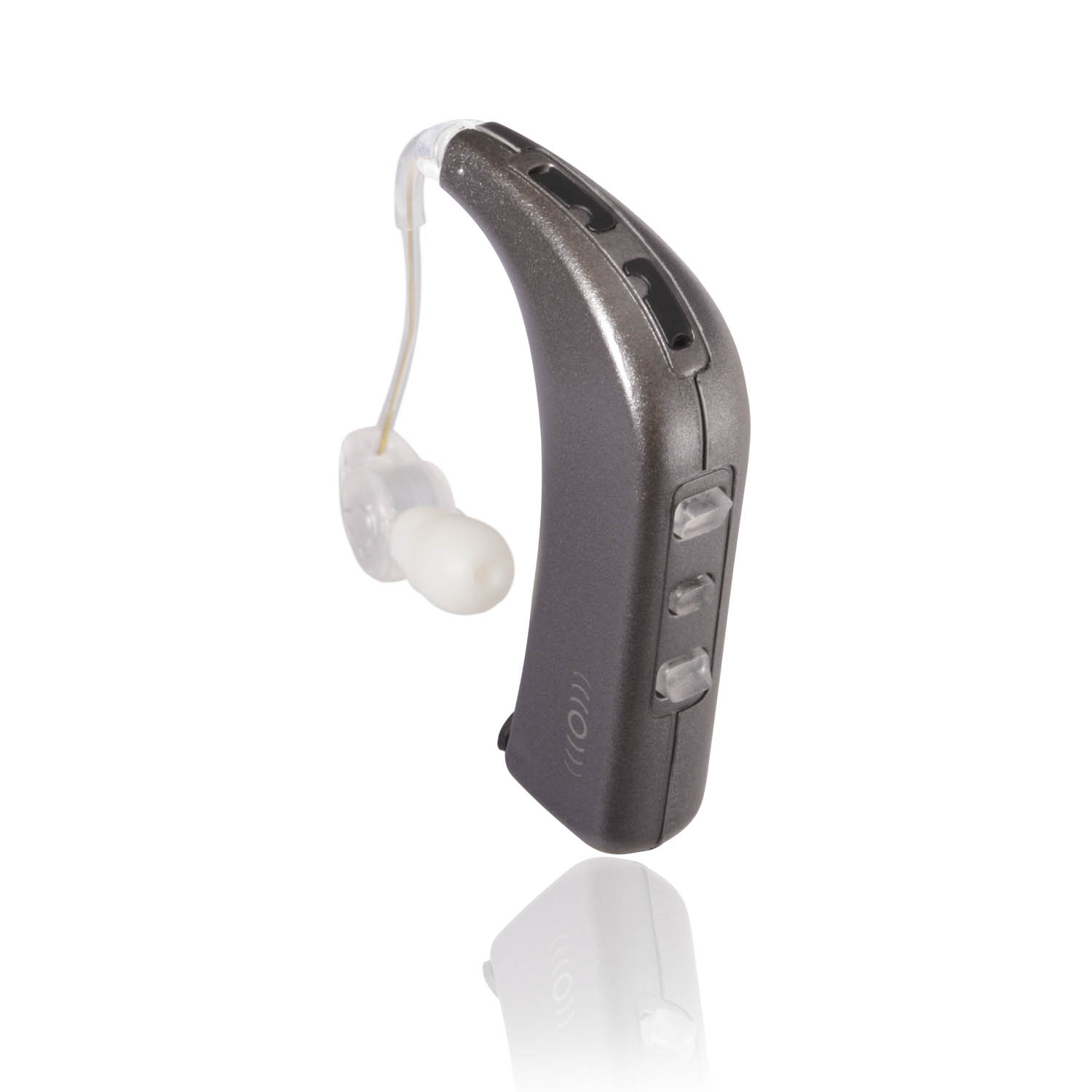
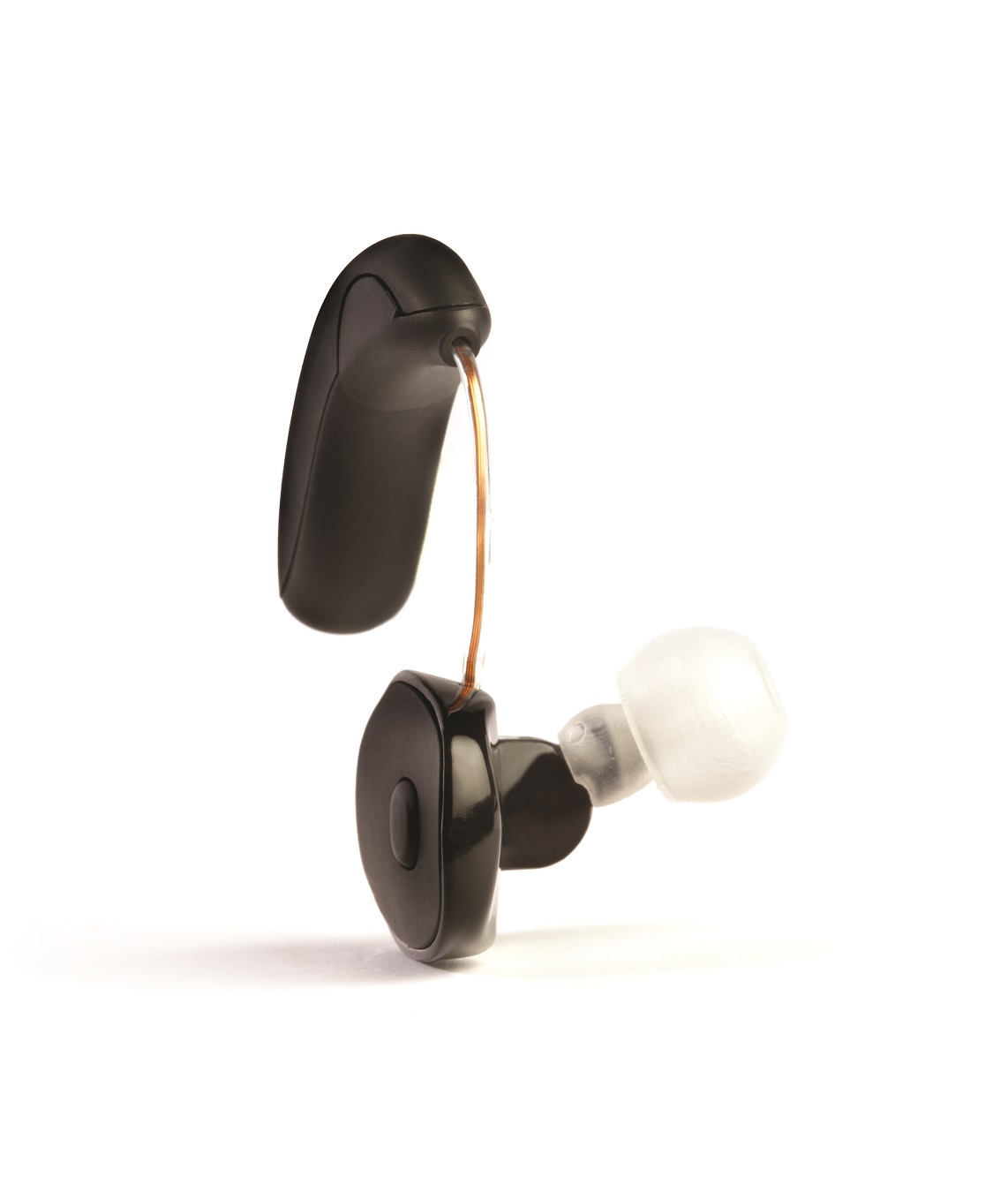
We all come from the hearing aid industry, and while the products are good, they do not help nearly enough people. We developed a system that is user-controlled and extremely affordable. Much like cell phones have eliminated the need for most land lines, our system eliminates the need for the traditional, medicalized, expensive hearing aid channel in most cases.
Even the federal government has caught on to what we are doing. Just last year, legislation passed that allows over-the-counter hearing aids – exactly what we have been doing.
Overall, has it been relatively smooth? If not, what were some of the struggles along the way?
The hearing aid channel is very powerful. With extremely high margins, they have no incentive to make products affordable for the masses. Most dispensers lead very comfortable lives fitting people who can afford to pay $2,000-3,000 per hearing aid. Unfortunately, Medicare and most insurance plans do not cover hearing aids, so the medical channel has no pressure to reduce pricing. Audiologists and hearing aid dispensers have attempted to discredit us at every turn to protect their turf. We didn’t give up, though. Through alliances with forward-thinking medical institutions and schools, we have been able to prove that our product is just as good as products costing 10 times as much – with the added benefit that our customers can control their own experience with a cell phone. They don’t need to visit audiologists for every minor adjustment to their devices.
The President’s council and eventually Congress began to agree that most people don’t need the expensive medical channel, and they have now passed OTC (Over the Counter) legislation. The medical community continues to fight, but the signed legislation has taken a little wind out of their sails. We have successfully shown that hearings are consumer products for 80% of the people. In effect, we have segmented the market.
Our customers are very satisfied with our products, but we initially had problems getting people to find us. Our target customers are not necessarily shopping for hearing aids online. They are used to going to stores, but brick and mortar stores didn’t want to work with us because we didn’t have an established brand name. Last year, we finally signed a licensing agreement with a major company that will change that for us.
Outside the US, our biggest struggle has been finding partners who have the funding to build businesses. Our system is a sustainable solution to a problem that – until now- has only been addressed by not-for-profit organizations through grants. A small amount of start-up capital is required to get things off the ground in underserved markets. Finding willing partners who have enough funding has been tough.
Alright – so let’s talk business. Tell us about Sound World Solutions – what should we know?
We are certainly not the only hearing aid company, but we are the most disruptive. We use off-the-shelf electronic hardware to reduce the research and development costs of our products. Traditional hearing aid companies develop their own electronic platforms – at considerable cost – to differentiate their products from others. Coming from the hearing aid industry, we know these are largely for cosmetic reasons.
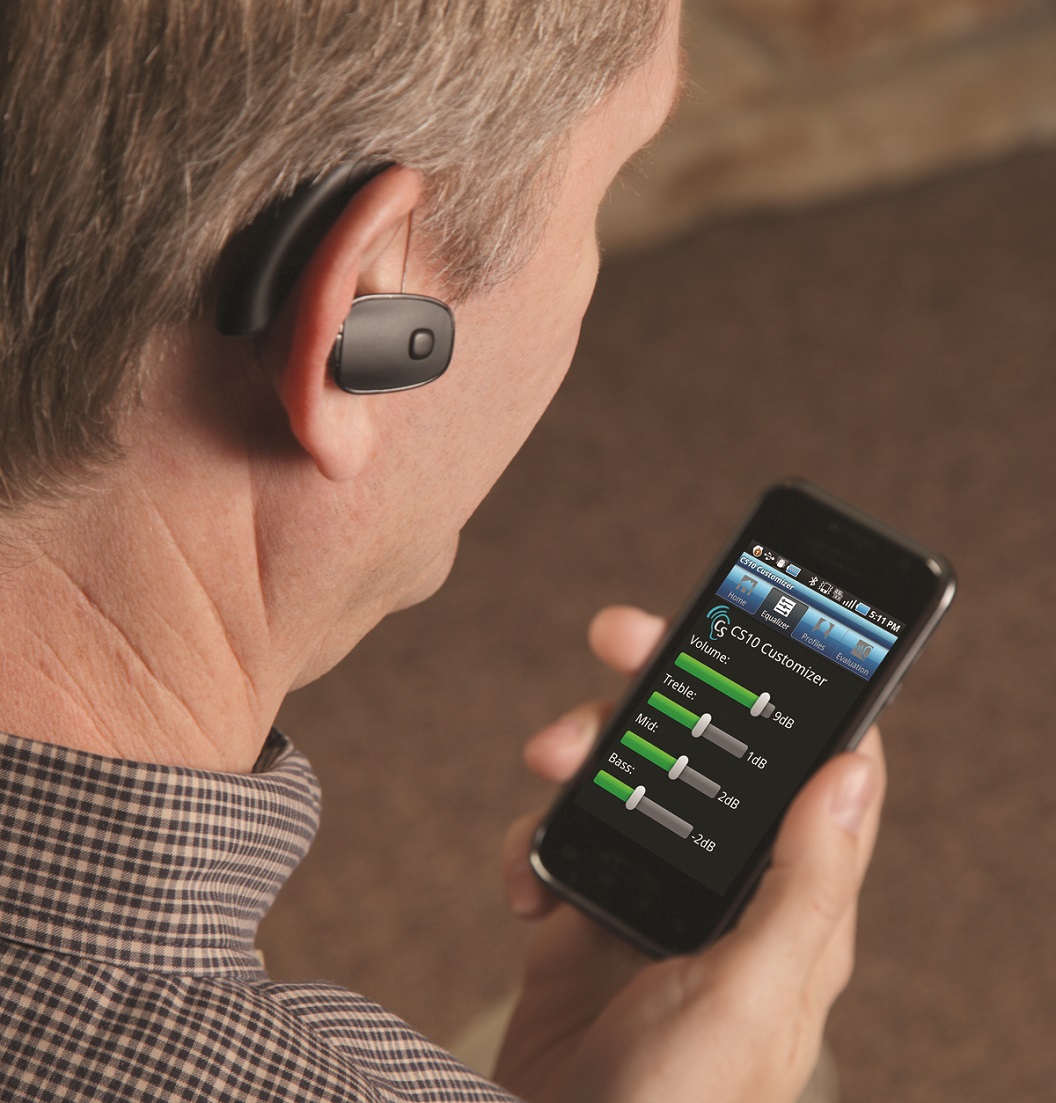
We also use the widely-used cell phone platforms for programming and adjusting our devices as well as for self-testing of hearing loss. This not only reduces cost, it increases access, is globally scaleable and reduces the need for the expensive medical channel in 80% of cases.
Most importantly, we have disrupted the channel. Our systems approach largely eliminates the need for the traditional infrastructure and specialized personnel necessary for accessing and fitting hearing aid patients. This just follows a trend in medicine where people take more responsibility for their own care (monitoring glucose levels, blood pressure, etc.), and the technology allows for it.
All of the above allow us to operate on much lower margins that traditional hearing aid companies and dispensers. We truly believe we can make hearing more affordable and accessible for everyone.
Any shoutouts? Who else deserves credit in this story – who has played a meaningful role?
David Green, one of our cofounders, is a well-known social entrepreneur. He is an Ashoka Fellow and a MacArthur Fellow with extensive experience in setting up businesses in emerging markets.
We have not been alone in the fight. Mead Killion of Etymotic Research (also in Chicagoland) has consistently fought for changes in the US.
Dr. Frank Lin at Johns Hopkins is also a huge advocate. It was him who got me invited to Washington DC to participate in multiple panels to change the US regulatory structure.
NAL in Australia, the preeminent research laboratory for hearing aids, has evaluated our products and strongly advocates changes in line with what we are doing.
Contact Info:
- Address: Sound World Solutions
960 N Northwest Hwy
Park Ridge, IL 60068 - Website: soundworldsolutions.com
- Phone: (855) 792-0117
- Email: ckaempfer@soundworldsolutions.com
- Facebook: https://www.facebook.com/Sound-World-Solutions-224739257601118/
Getting in touch: VoyageChicago is built on recommendations from the community; it’s how we uncover hidden gems, so if you know someone who deserves recognition please let us know here.


