


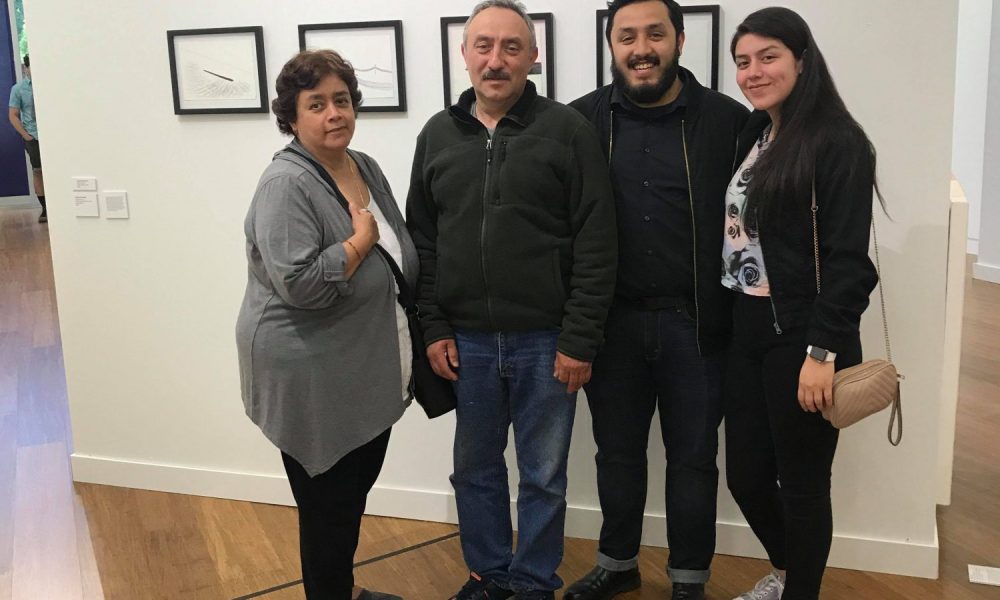
Today we’d like to introduce you to Joseph Josué Mora.
Joseph Josué, we’d love to hear your story and how you got to where you are today both personally and as an artist.
I was born in Acambaro, Guanajuato, Mexico, but I was raised in Chicago. When my family and I moved to Chicago we made Pilsen our home. It’s interesting to think that after our migration we still “migrated” within Chicago. We moved from our first apartment a block away to another apartment. I was fortunate to have attended the Catholic grade school that was next to our home. This was possible due to my mom’s hard work. She volunteer at the school and worked as the lunch lady to pay off my tuition. My dad, since I can remember he’s always had two job to support our household. They taught me the value of hard work, and that if I wanted to accomplish something I had to put in the work. I remember my mom telling me that if I wanted a GameBoy I had to work for it. She then bought me raspado equipment to sell raspas everyday after school. A year later I raised enough money to buy my GameBoy. In 2007, we were able to move out of our expensive small apartment from 24th place and Oakly, and my parents became home owners in West Lawn, where we currently reside.
I did not think much of my identity as an immigrant or even as an undocumented person, until my senior year of high school. It was until I started to apply to colleges when I noticed that I did not qualify for federal financial aid. I did not let this stop me from pursuing a higher education. I started off at Harold Washington Chicago Community College. I was able to attend the school thanks to Yollocalli Arts Reach. I became a teaching assistant in their off-site classes, where before I was a students and intern at their old location in Pilsen since my sophomore year in high school. With this job I was able to make monthly payments toward my tuition. Yollocalli and my art instructor at Harold, Alberto Aguilar, encouraged me to pursue an art career. They have been so influential in artist upbringing. After the first day in Aguilar’s Art Appreciation class I knew I wanted to go to the School of the Art Institute of Chicago. Although I knew it was impossible because of my situation, but like my GameBoy or post high school I did not let that stop me.
I started to become more involved in Pilsen gallery scene through multiple group exhibition that made me make more artwork than just for my art classes at Harold. I stayed consistent with Yollocalli as a teaching assistant to build my teaching skills to later teach my own classes through ENLACE Chicago and Elevarte Community Studios. I was fortunate to have a great support system with my family and mentors but also a group of friends that always challenged my artwork and my ideas.
After three years of community college, it was time for me to transfer to SAIC. I knew it was going to get myself in a very hard financial situation. In the (of 2015) summer before my first semester I create three different fundraiser installments to pay off my SAIC tuition: a yard sale, an internet crowd fund, and a solo show at Pilsen Outpost Gallery and Shop. During the opening of my first solo show I sold almost all of my paintings, and my parents sold tacos outside of the gallery. Through these fundraisers I was able to pay off my first semester at SAIC.
After the fall semester, things became more difficult. I didn’t have time to teach through Yollocalli with my intensive and busy class schedule. So I looked for work-study jobs, and found an opening at the Student Unions Galleries at SAIC, now known as SITE Galleries. I was interested in becoming part of the installation team, but I did not have experience. I got hired as a gallery attendant, and later become the Lead Install Gallery Assistant to the Install directors. In my final year of SAIC, I was appointed the position as one of the two Installation Directors. Besides my art handling jobs at school, I also worked in the art education program as a teaching assistant in their Early College Program. With my mural skills that I learned at Yollocalli I became TA in an undergraduate public art class taught by Miguel Aguilar, a mentor I had at Yollocalli.
As an undocumented students these jobs were so essential to continue my education. These jobs did not cover all of my tuition. Even after my Merit Scholarship, I had to apply to ten outside community scholarships per semester and would only receive two of the ten. This is one of the many realities that thousands of undocumented/DACA students have to go through just to continue their higher education.
I have been very fortunate to have a great support systems within my family, community, some faculty and staff at School. Especially my partner, Sarita. She graduated from SAIC a year before me so I had a sneak peak of what was coming my way. Not only through her experiences, but through her help and encouragement I was able to stay consistent with my work. I could have not graduated without the help of everyone before, during, and after SAIC.
Currently, post-graduation, I am working on a new solo show, hopefully to happen sometime before this year is over or early in 2019. I am also the new art instructor at my old high school, St. Laurence High School. It’s an exciting position to recreate their art department, after five years of them not having one. My partner and I currently are featured in a museum group exhibition at the National Museum of Mexican Art. A dream come true, after growing up going to that museum and seeing my mentors’ artwork as a kid. During my last year of college, I co-organized a collective called Undocumented Projects. This was a direct response to the cancelation nuances of the DACA program in the U.S.
We’d love to hear more about your art. What do you do you do and why and what do you hope others will take away from your work?
Through my perspective of being a recipient of the Deferred Action of Childhood Arrival program (DACA), immigrant and artist based in Chicago, I have noticed similarities in both the world of politics and the art world: preference of higher class, marginalization of people of color, and the lack of accessibility of resources. Through drawings, installations, and performances, I seek to depict an underling double meaning of the United States bureaucracy in the museum tools and barriers I abstract in my work.
Due to my experiences as an educator and collaborator, they have lead me to co-create a collaborative project, Undocumented Projects. This supports the undocumented immigrants and the Deferred Action of Childhood Arrival (DACA) community. We look for subtle projects, like anonymous protesting to divert from any risk, raise awareness and to resist anti-immigrant ideas, acts, and politicians. We have recently received the Caxton Club’s Colleen Dionne Memorial Grant (2017) and SAIC’s Student Government’s Idea Grant (2017). These grants supported the materials and equipment needed to create their largest project ‘Survival Kit’, a utilitarian artist book. Our project, ‘Ready? Set? Go! Typewriter Intervention’ was held during Grabadolandia (2017) at the National Museum of Mexican Art. Undocumented Projects has also been featured in the South Side Weekly, ‘The Arts Issue’ 2018.
I personally use minimalism and abstraction in my work as a statement and a tool. Some people within and outside of the Latinx and Mexican community tend to assume that our work can only be limited to reference sugar skulls, la Virgen de Guadalupe, nopales, etc. But I believe that, like out complex identities, our artwork can be as complex and varied. I also understand the need to preserve out history and culture in time like these, but I strongly advocate for not self-stereotyping. I acknowledge that minimalism and conceptualism comes from a white masculine institutional art world agendas that some people of color are marginalized and exclude from. But I believe and hope that through my artwork and other contemporary Latinx artists’ artwork we can reclaim these style and teach them in places where they are not.
What do you think it takes to be successful as an artist?
I believe success comes in different forms. To me success is when my artwork and labor benefits someone else. Whether if it helps them get a different perspective on undocumented issues, helps undocumented students and people get resources and pro-tips from my experiences. I also feel a great accomplishment when I make anything with my hands: artwork or install other people’s artwork. In all, I love being helpful and sharing my resources.
I think being consistent in anything that one loves can set them up for success. I also believe that also being thankful is essential to success because most likely one will get help to get to a successful state.
Do you have any events or exhibitions coming up? Where would one go to see more of your work? How can people support you and your artwork?
I am working on my second solo show, but I am not sure when it will happen. I hopefully sometime before the year is over or early next year. People are welcomes to follow my Instagram and website for any announcements or new works. Please visit and participate in the collaborative piece my partner and I have at the National Museum of Mexican Art. The show comes down in February 2019. And if anyone knows of any teens that are interested in art, I also teach through After School Matters at their Lutz Family Center. They are free art classes and the students get paid. On July 6th, I will have work on displace and for sale at the Robey Hall Lobby as part of the fourth month of Flat Iron Arts, First Fridays, curated by Erin Delaney and Annie Coleman. I was also selected as one of twenty artists to exhibit my work in Cleve Carney Art Gallery’s (College of DuPage) ‘One: Emerging Artist Exhibit” This show ends July 28th.
Undocumented Projects is collaborating with Las Topo Chicas, Yvette Mayorga, and Gallery 400 on a ‘Undocumented Community Resource Fair. The goal of the event is to bring resources for undocu-families (creative, legal, wellness) and give undocu-artist an opportunity for them to sell their work and make some cash. We plan on hosting art workshops that have themes of the undocumented voice: screen printing fake diplomas with William Estrada’s Mobile Street Art Cart, Emergency Contact patch making, and more. People can also follow Undocumented Projects Instagram and website: @undocumentedprojects, undocumentedprojects.org. We also accept donations whether it’s cash or material donations, anything helps us continue our projects for undocumented people.
Contact Info:
- Website: https://www.josephjosuemora.com/
- Email: josephjosuemora@gmail.com
- Instagram: https://www.instagram.com/josephjosuemora/
- Other: https://www.undocumentedprojects.org/
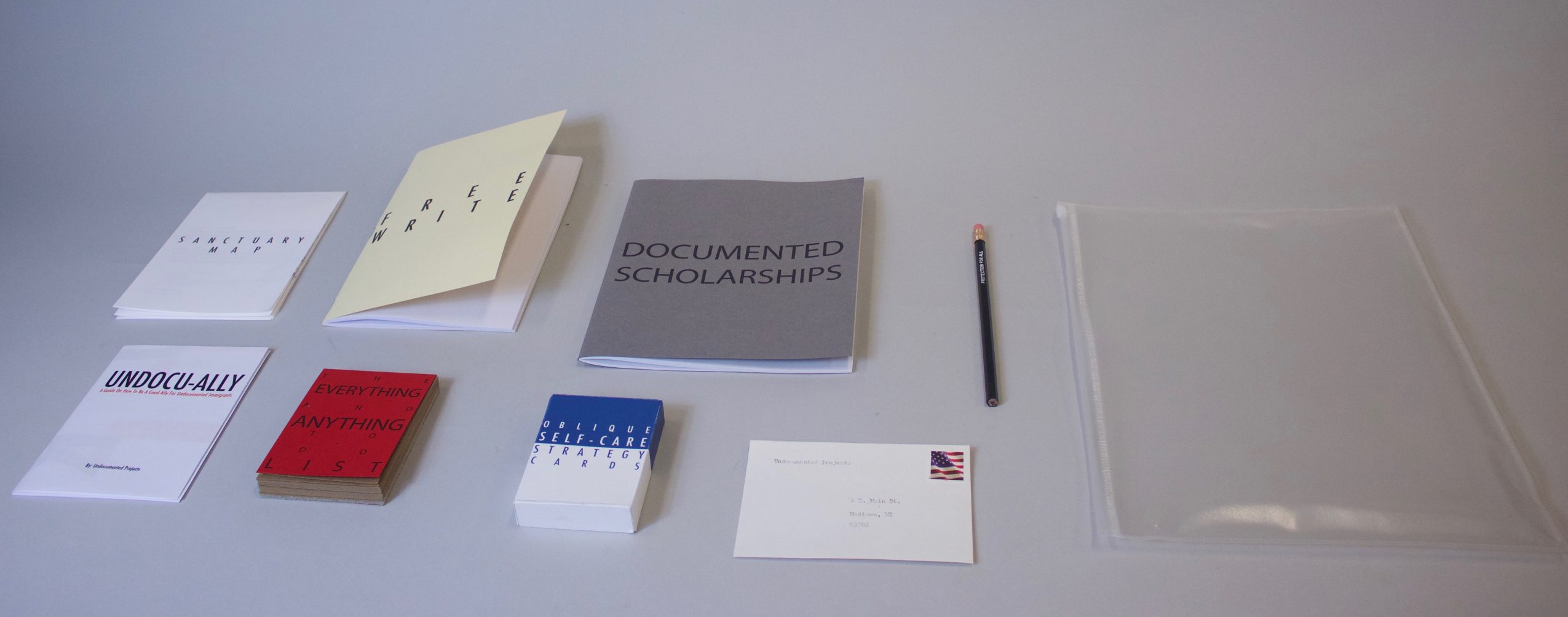
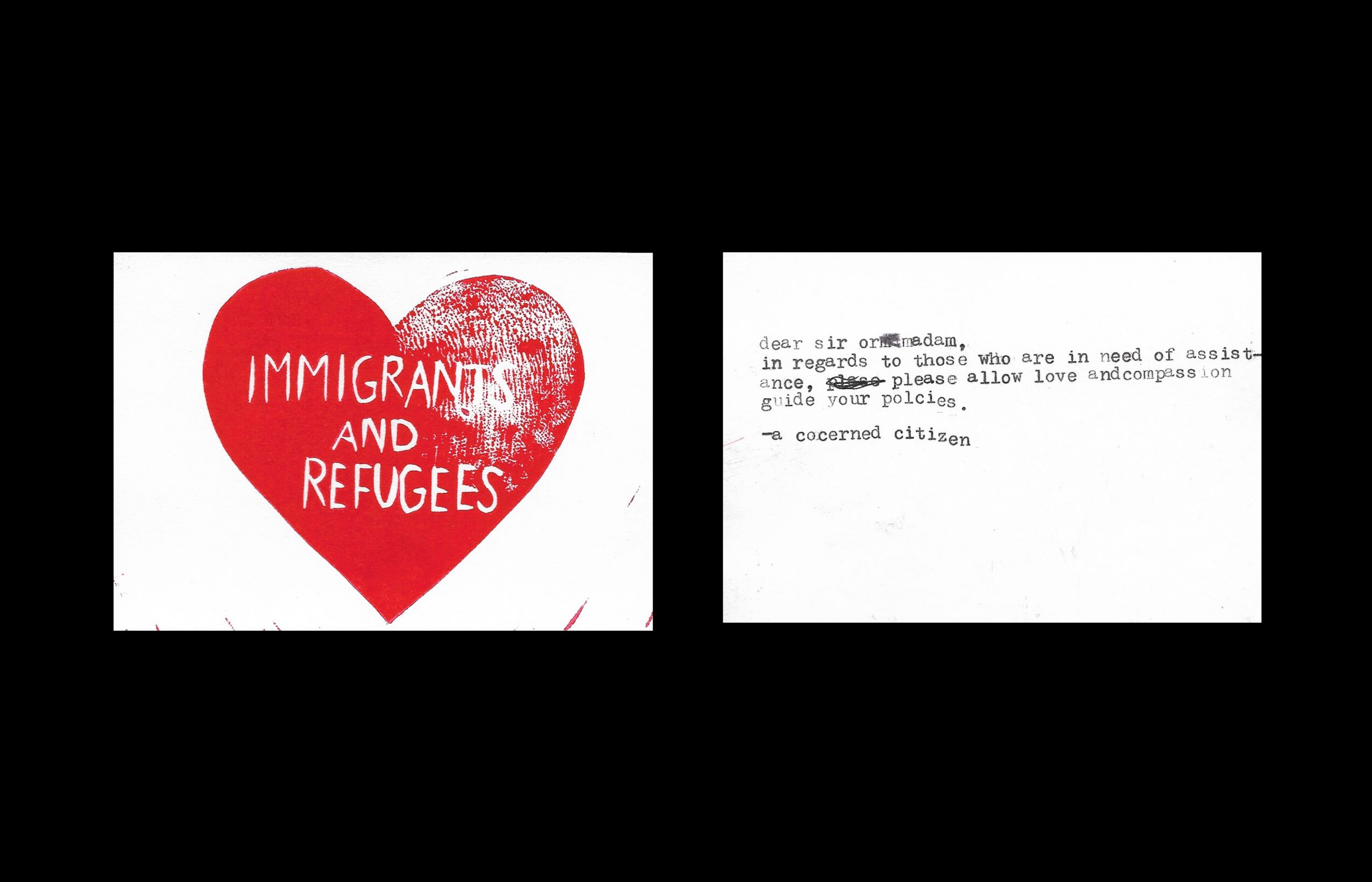
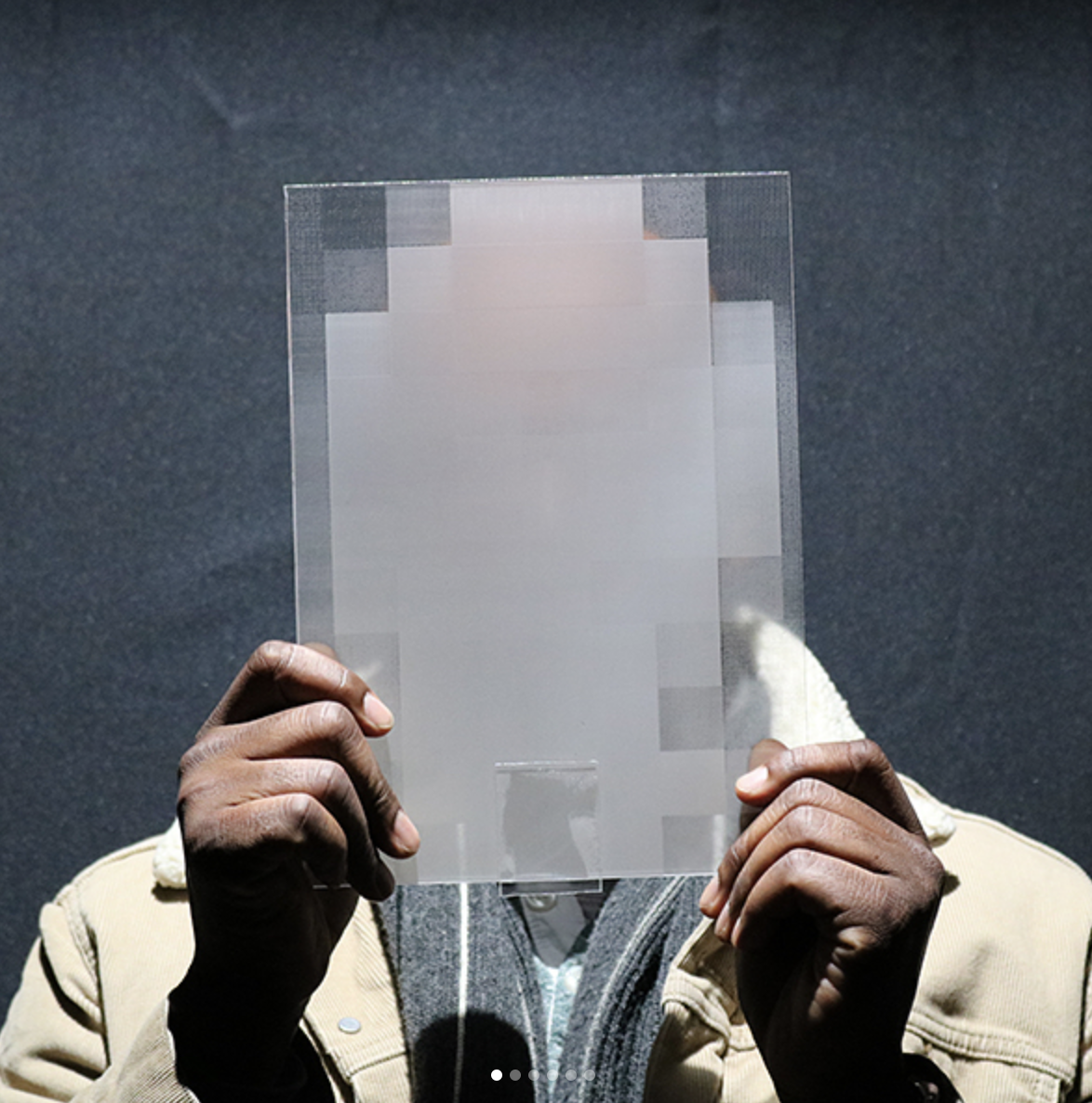
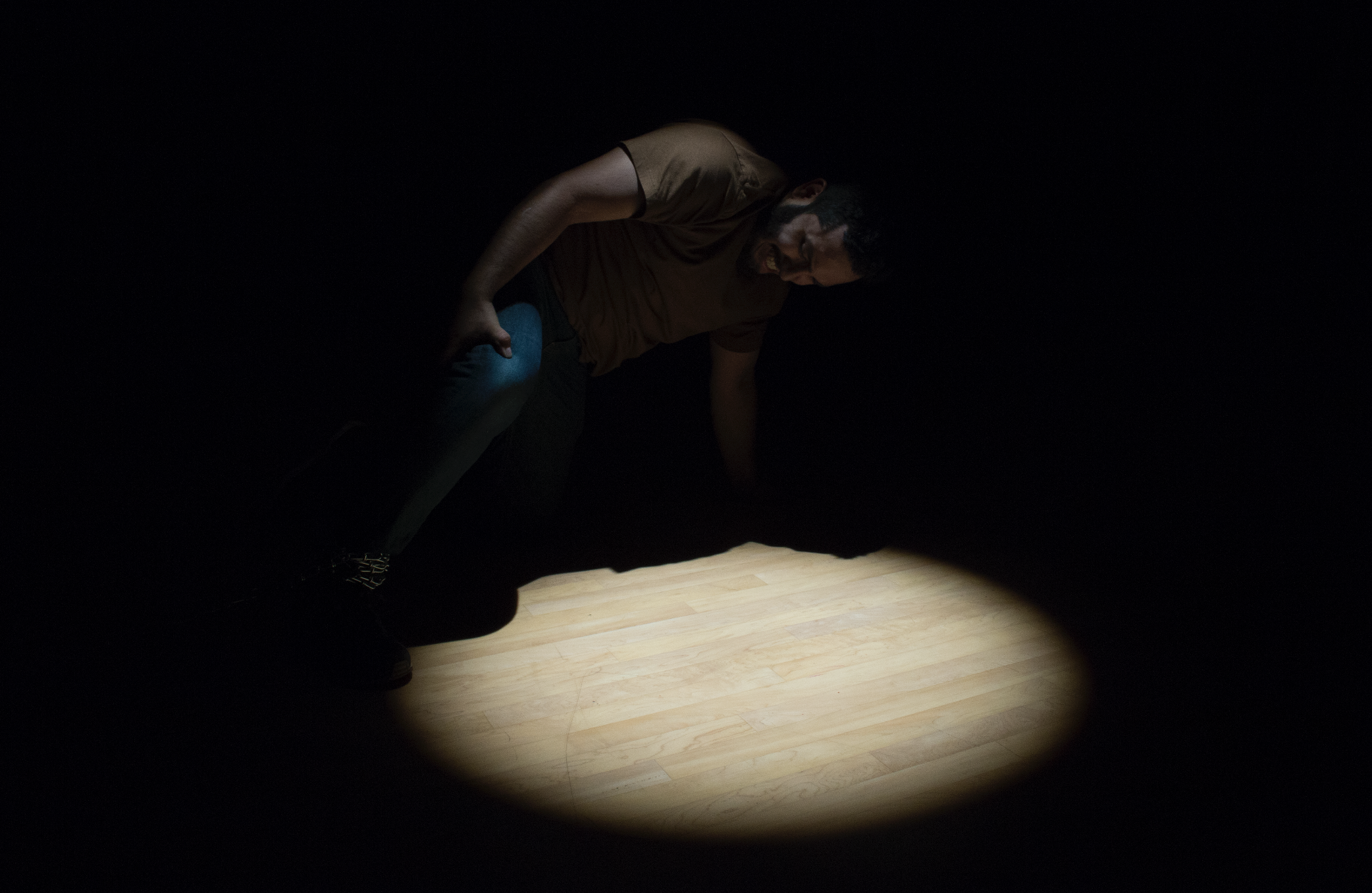
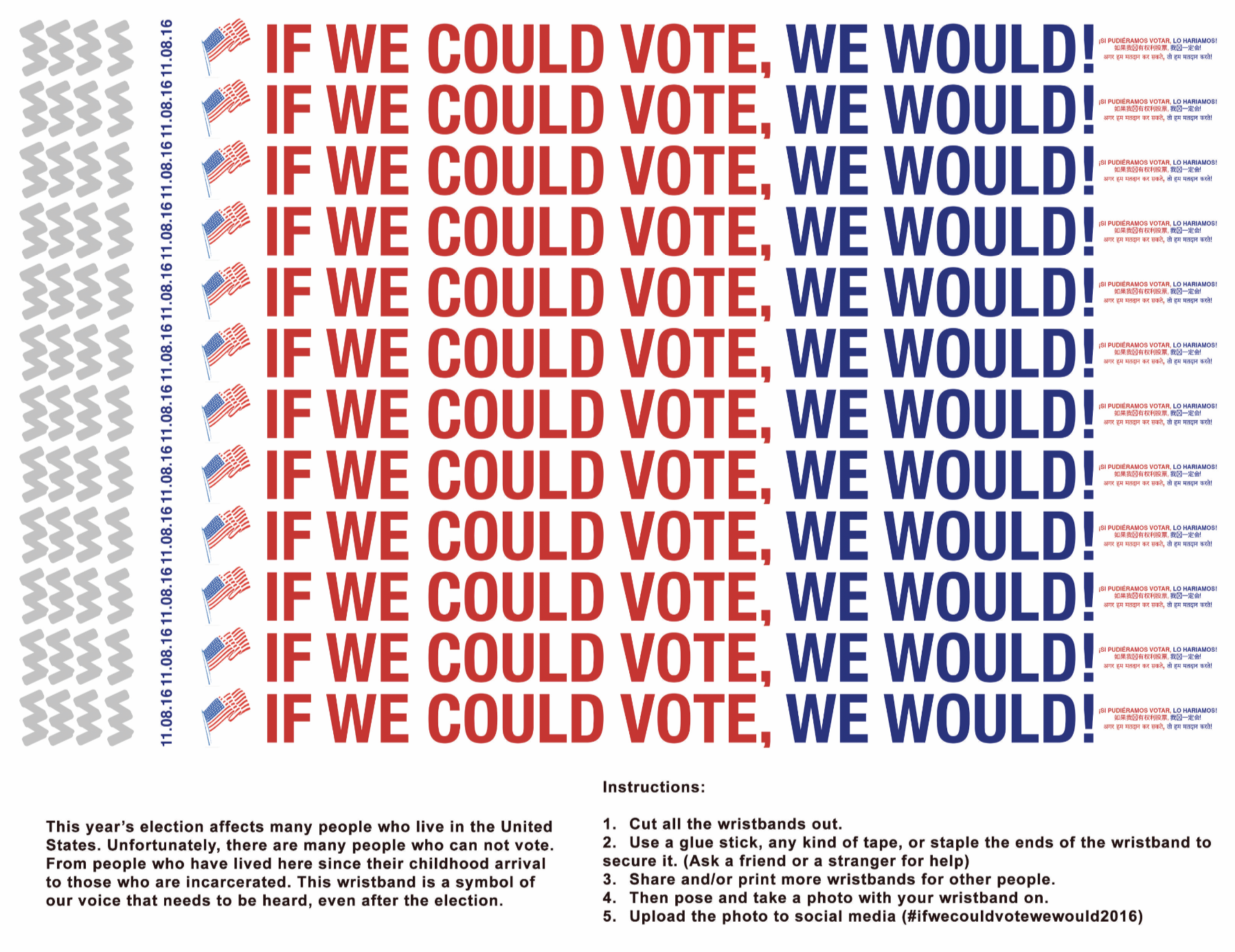 Image Credit:
Photo Courtesy by Instituto Grafico de Chicago, Undocumented Projects, and myself.
Getting in touch: VoyageChicago is built on recommendations from the community; it’s how we uncover hidden gems, so if you know someone who deserves recognition please let us know here.


