


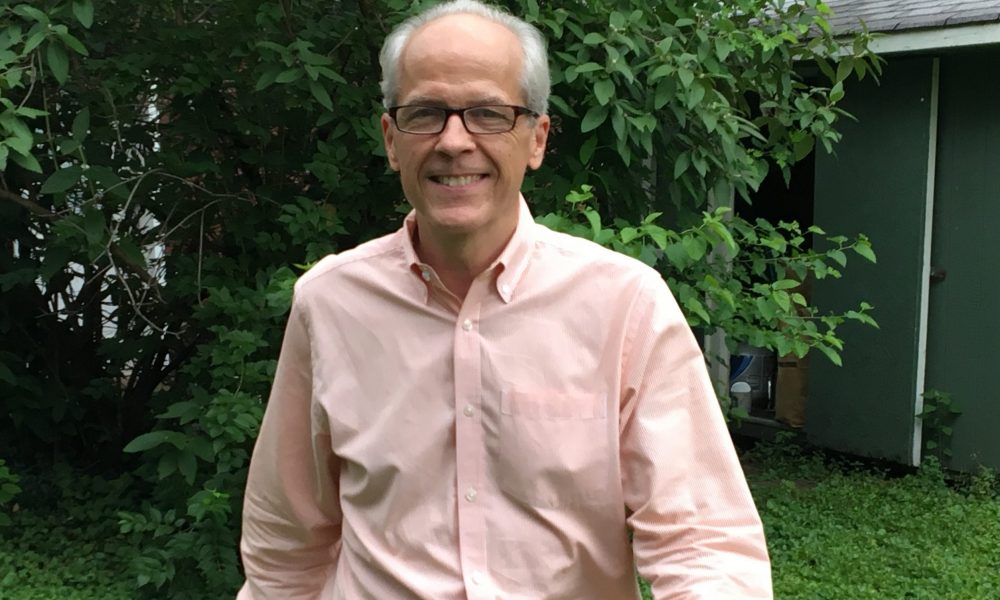
Today we’d like to introduce you to Sam Fentress.
Sam was born in Detroit in 1955 and grew up in Nashville and Detroit. In 1977 he received a B.A. from Princeton, where he studied with Emmet Gowin and Frederick Sommer. He received his M.F.A. from the Art Institute of Chicago and was awarded an Emerging Artist Grant from the National Endowment for the Arts in
1979, and a grant from the Bradley Foundation in 1997-98.
He had spent the past 37 years crisscrossing America’s highways and byways, stopping along the way to snap shots of religious signs in every state except Hawaii. He found everything from John 3:3 on a farm silo in Ohio to “Obey God or Burn” scratched into a rock in Harlem.
Together, his photographs capture the gamut of Christian religious expression in America. In 2007, nearly 150 of those images were collected in his book, Bible Road: Signs of Faith in the American Landscape.
The story of his images — thousands collected over a lifetime — begins with his religious and intellectual experiences in college.
Sam, 62, was raised a Methodist in Nashville, but by the time he attended Princeton University, he had fallen away from his faith and was more interested in yoga, Taoism and Jack Kerouac.
“Everything,” he said, “except reading the Bible.”
But a class on the philosophy of religion with Walter Kaufmann, the noted scholar and Nietzsche translator, piqued his interest in religion and got him reading the Bible again. While he was teaching after graduate school, a student brought in a photograph of a barn covered in Scripture verses. he was stunned.
“It just knocked my socks off as a picture,” he said. “The boldness of the farmer in covering the roof, the sides — every square foot of the barn had some sort of Bible quote, Old Testament, New Testament, Gospels, Epistles, Revelation.”
At some point in the late ’70s or early ’80s, he noticed the farmer wasn’t alone. Wherever he looked, he saw religious signs along the roadside. He started to methodically photograph thousands of such images over the next three decades. Somewhere along the line, he also became a Catholic.
He says the religious roadside signage is particularly American, given the First Amendment’s guarantees of freedom of speech and religion and the country’s religious diversity.
“Americans are told they can say whatever they want,” he said. And people feel free to say it — or perhaps, show it.
— whether on their front lawn, barn or business.
He has had shows at Afterimage Gallery in Dallas and O.K. Harris in New York, and his work has appeared in First Things, Christianity Today, Image: A Journal of the Arts and Religion, and Commonweal. In 2005 his photos were included in Looking at Los Angeles (Metropolis Books). His photos are part of the permanent collections of the Los Angeles County Museum of Art, the Art Institute of Chicago, the Saint Louis Art Museum, the Santa Barbara Museum of Art, the Princeton University Art Museum, and the Center for Documentary Studies at Duke University, as well as the noted private collections of Hollywood producer Bruce Berman, chairman of Village Roadshow Pictures, and Prentice and Paul Sack. Sam and his wife Betsy live in St. Louis and are the parents of
six children.
Can you give our readers some background on your art?
The primary focus of my life as a photographer — besides my day job shooting architecture –has been my series of photos of roadside religious messages in 49 states, and more recently several countries beyond the U.S. They grew out of an early close shave with relativism and Marxist atheism, followed by a deepening love of illuminated manuscripts, pilgrimage road architecture and sculpture, northern European paintings and graphic works by artists van Eyck, Breughel, Schongauer, Cranach, Durer, and Rembrandt, American road culture, and, by grace, finally, a bracing and enduring encounter with Jesus, the Bible, and the Catholic faith. My work is in a documentary style so as to respect the religious freedom of the viewer.
How do you think about success, as an artist, and what do quality do you feel is most helpful?
I think I’ve made a good picture when I’ve turned toward the real and articulated it on several levels simultaneously, without draining out the mystery.
What’s the best way for someone to check out your work and provide support?
A show of my work has been up recently at the gallery of First Things magazine in New York. My work is in the following museum and private collections:
THE ART INSTITUTE OF CHICAGO
BRUCE AND NANCY BERMAN
BIBLIOTHEQUE NATIONALE DE FRANCE
CENTER FOR DOCUMENTARY STUDIES / DUKE UNIVERSITY
IN-N-OUT BURGER
JOSLYN ART MUSEUM
LOS ANGELES COUNTY MUSEUM OF ART
MEMPHIS BROOKS MUSEUM OF ART
MISSISSIPPI MUSEUM OF ART
NELSON-ATKINS MUSEUM OF ART
PEABODY ESSEX MUSEUM
PRINCETON UNIVERSITY ART MUSEUM
PAUL AND PRENTICE SACK COLLECTION
SAINT LOUIS ART MUSEUM
SANTA BARBARA MUSEUM OF ART
Contact Info:
- Website: www.samuelfentress.com
- Phone: 314-721-4187
- Email: sam@samfentress.com
- Instagram: @bibleroad and @samuelfentress
- Facebook: facebook.com/Sam-Fentress-123221397709023/
- Twitter: https://twitter.com/samfentress
- Other: www.samfentress.com (my architectural photography website)
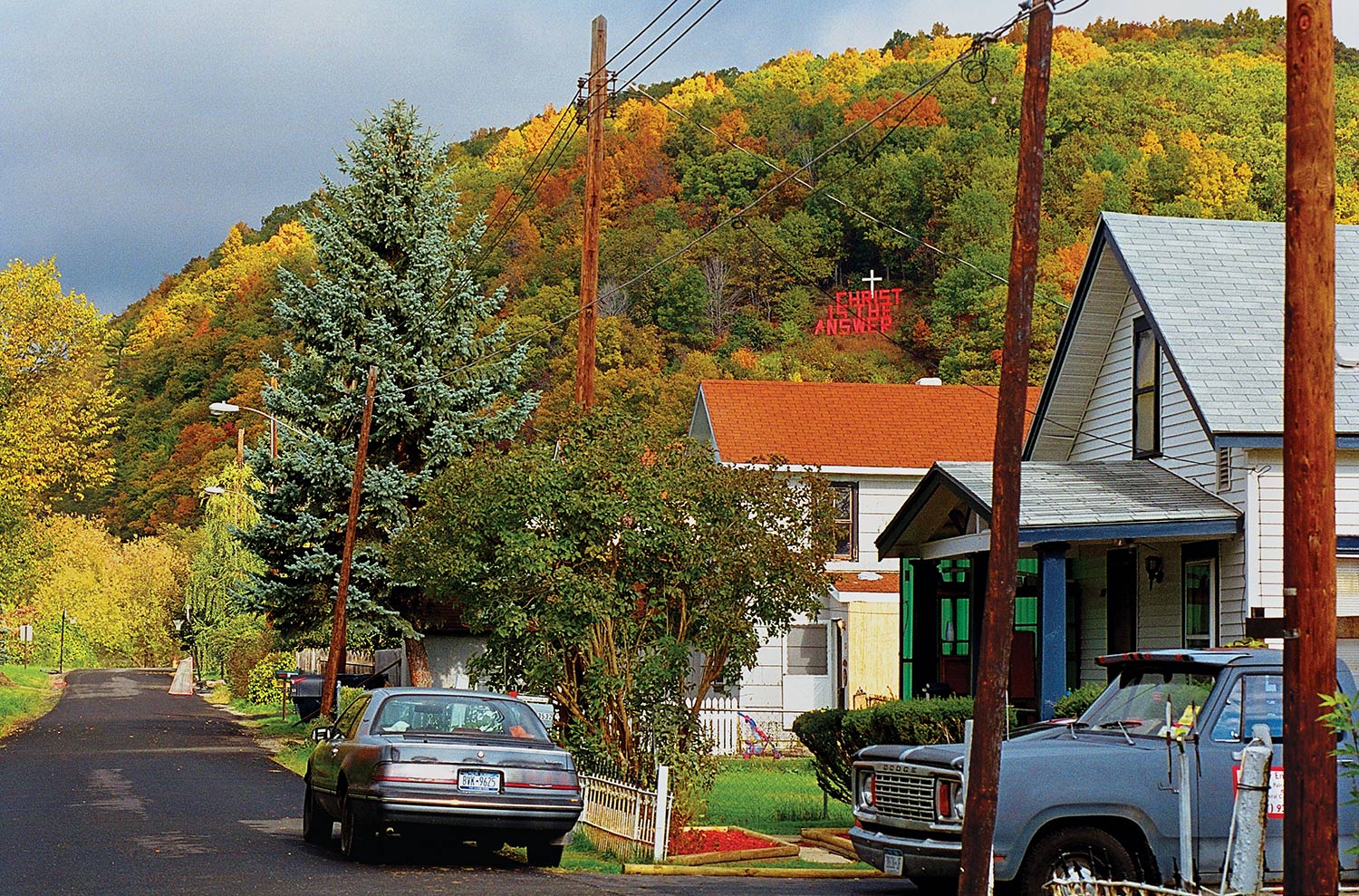
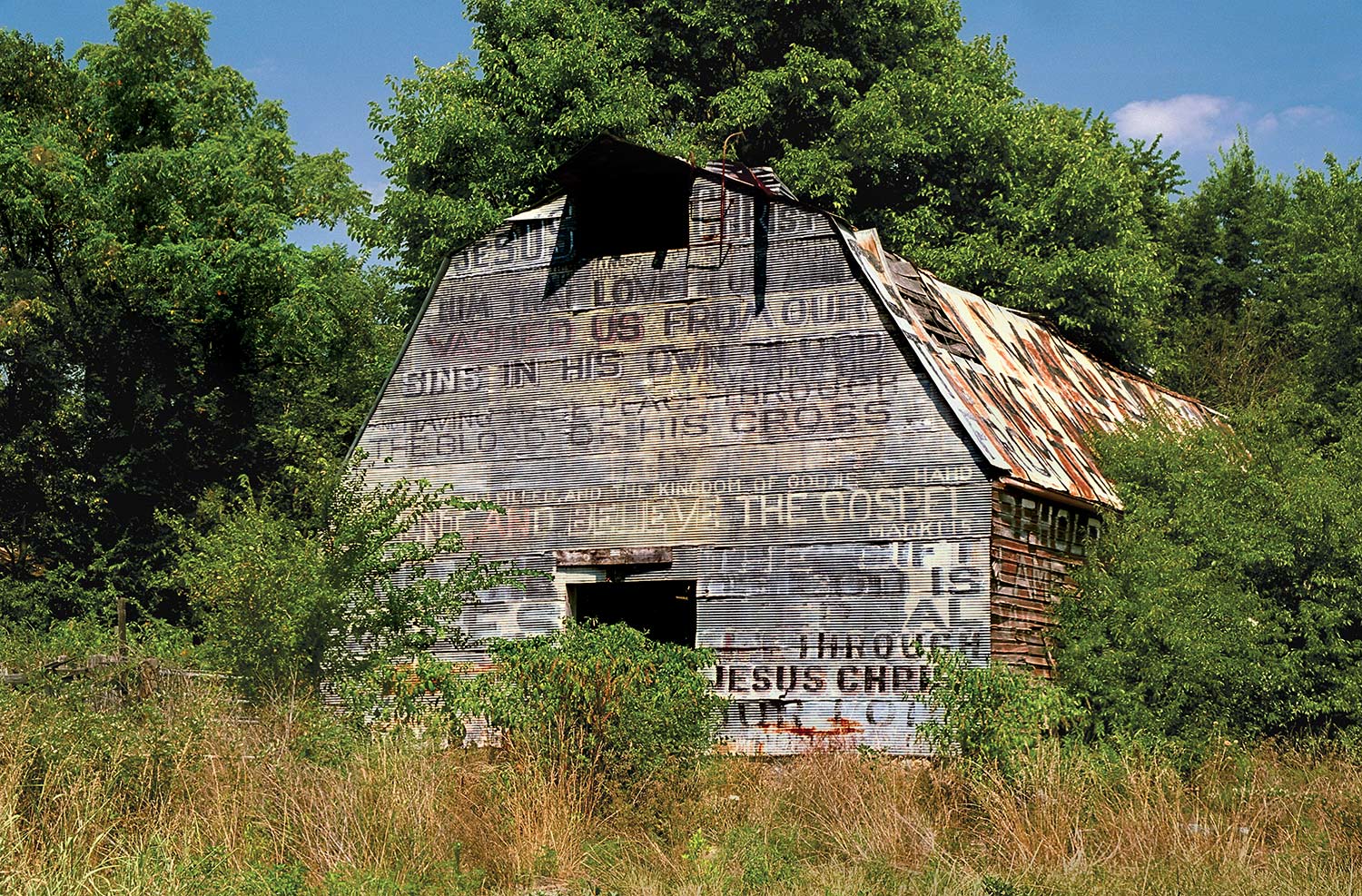
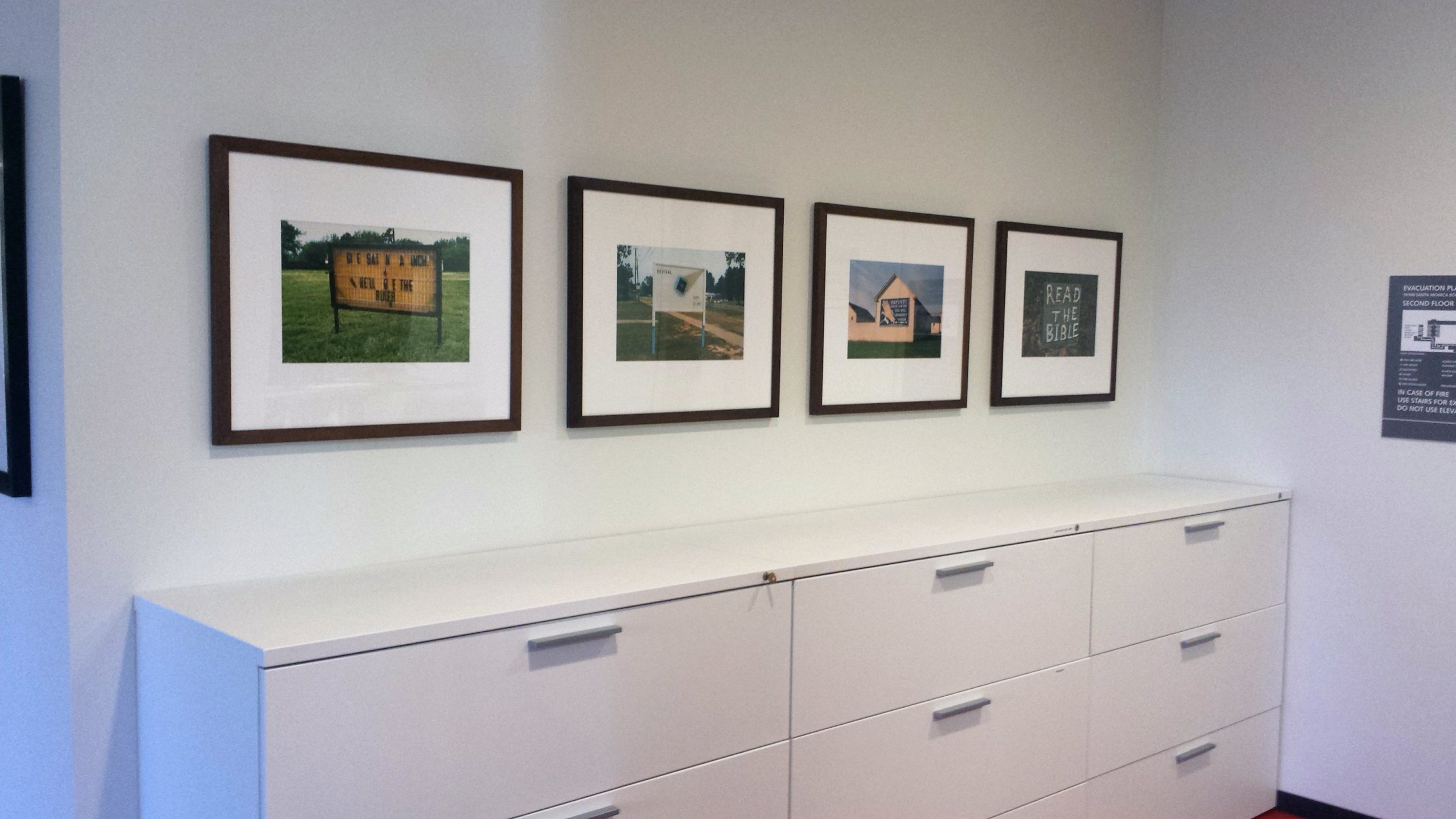
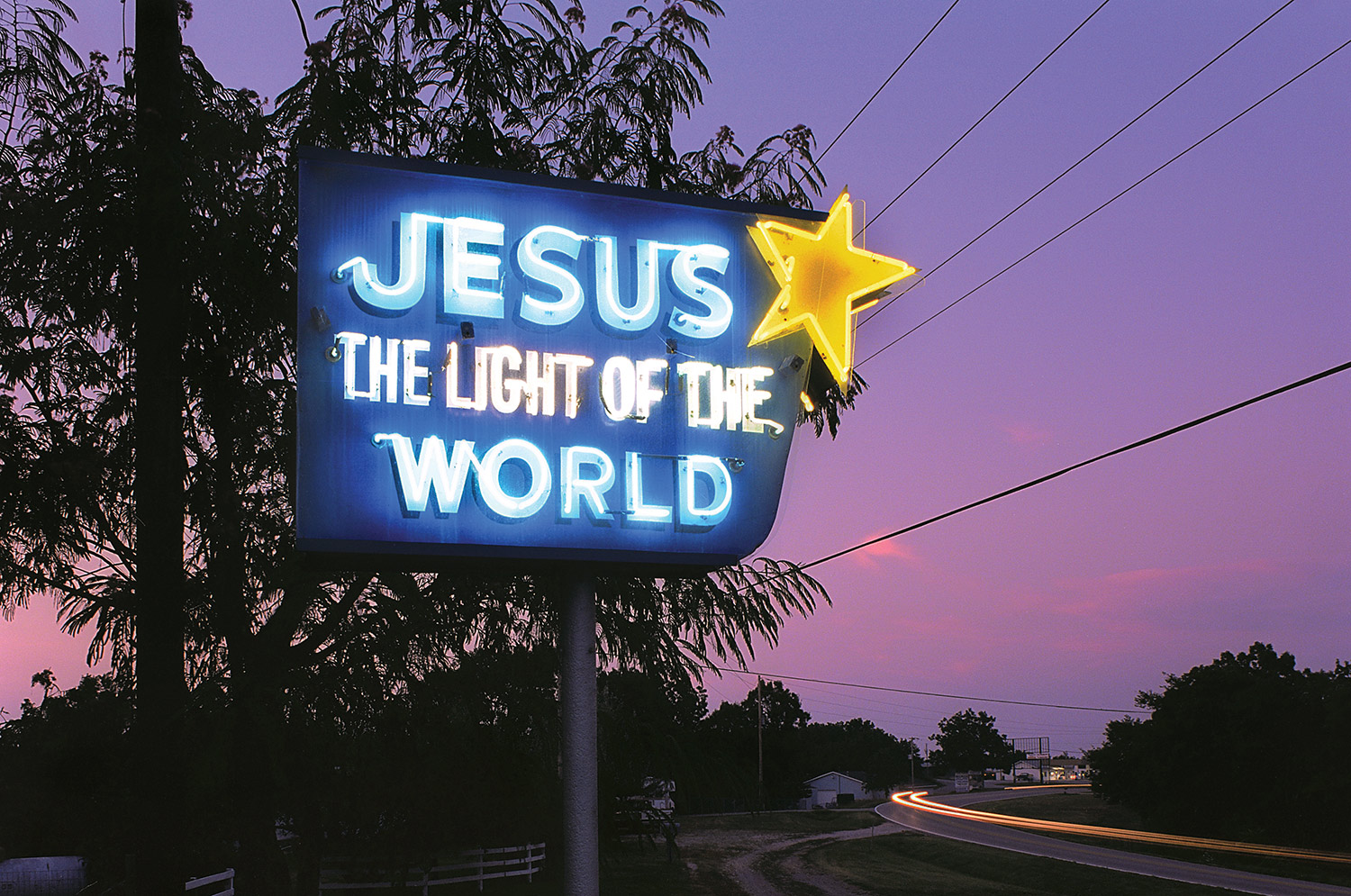
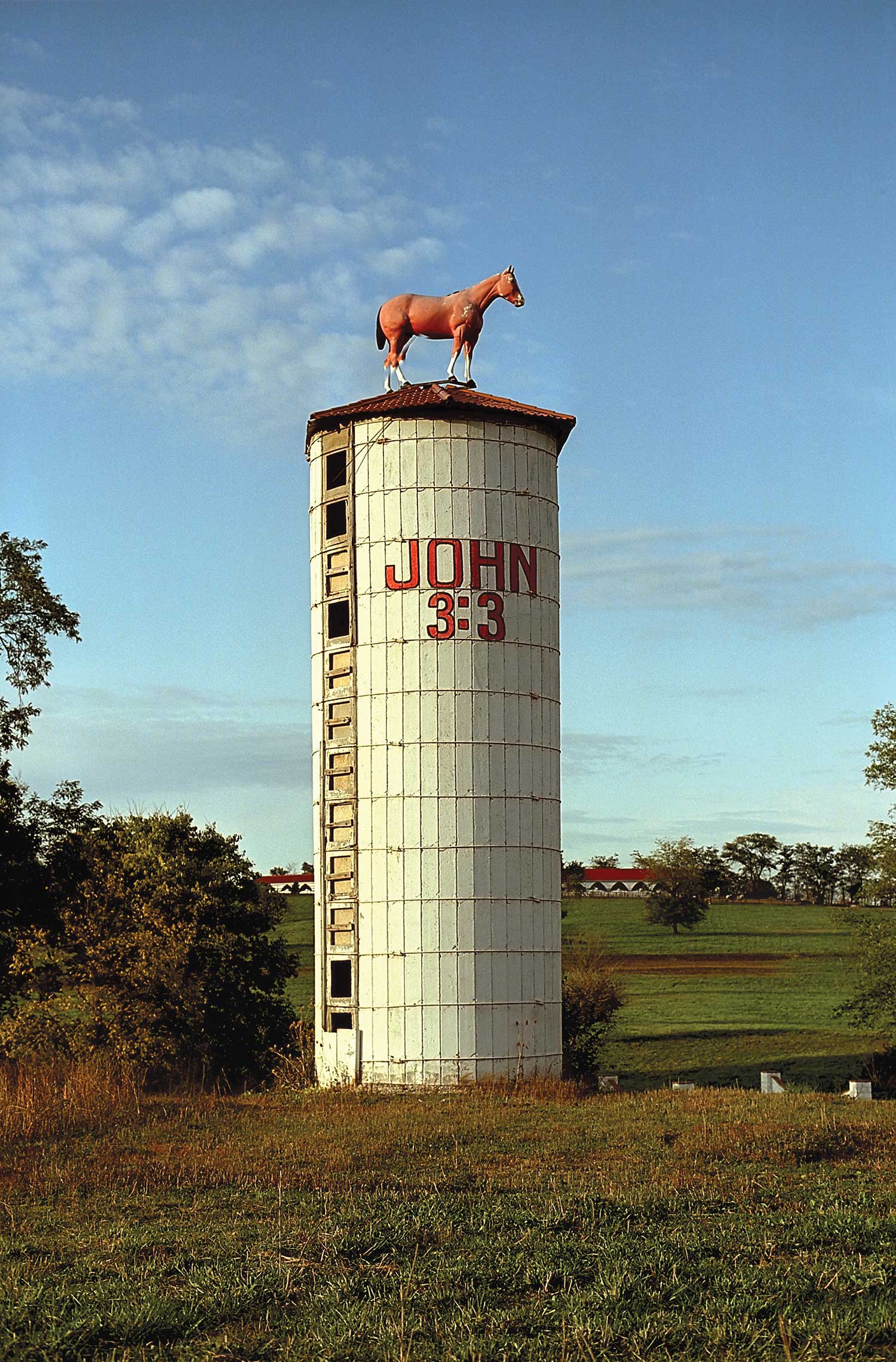
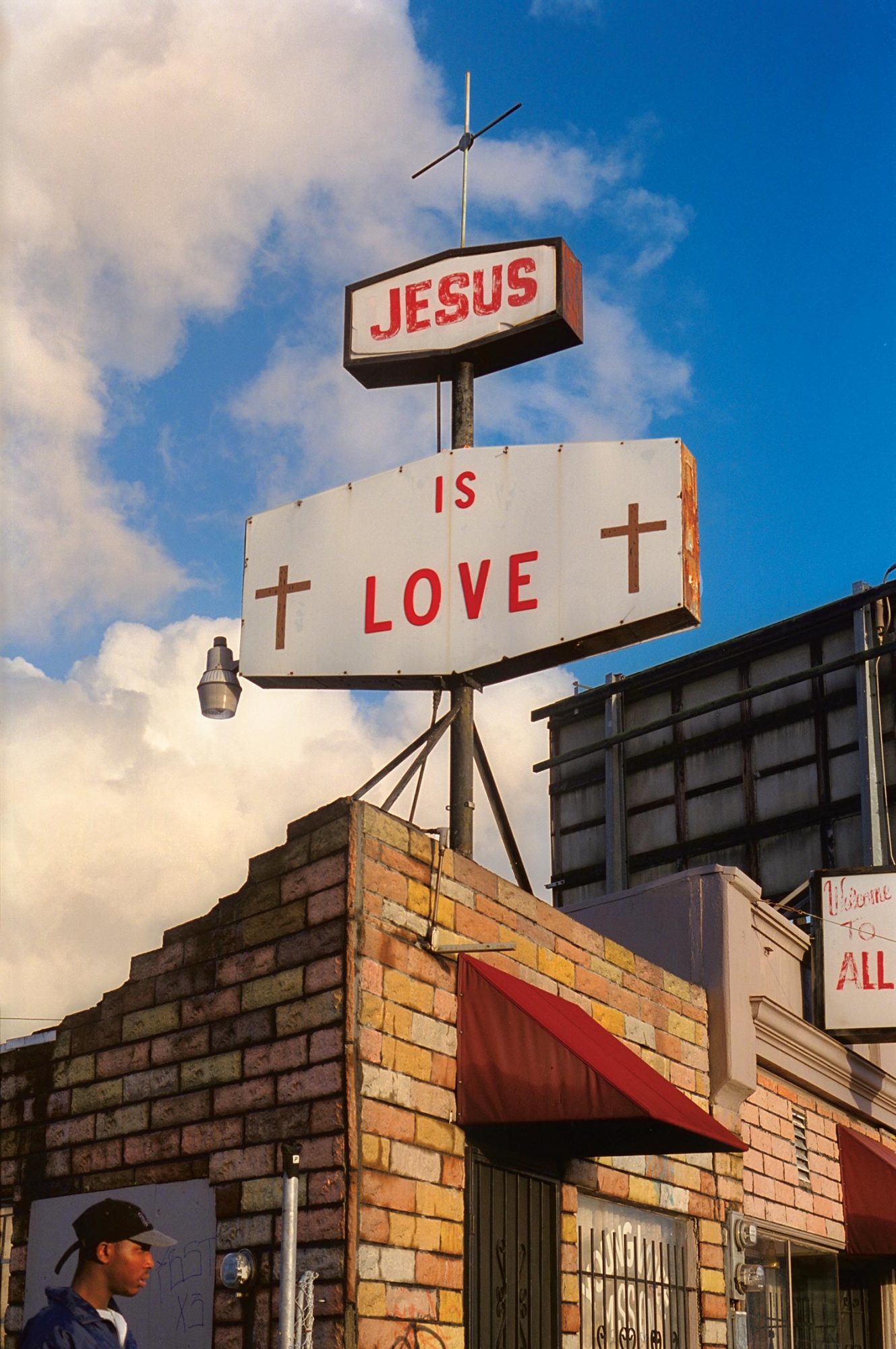
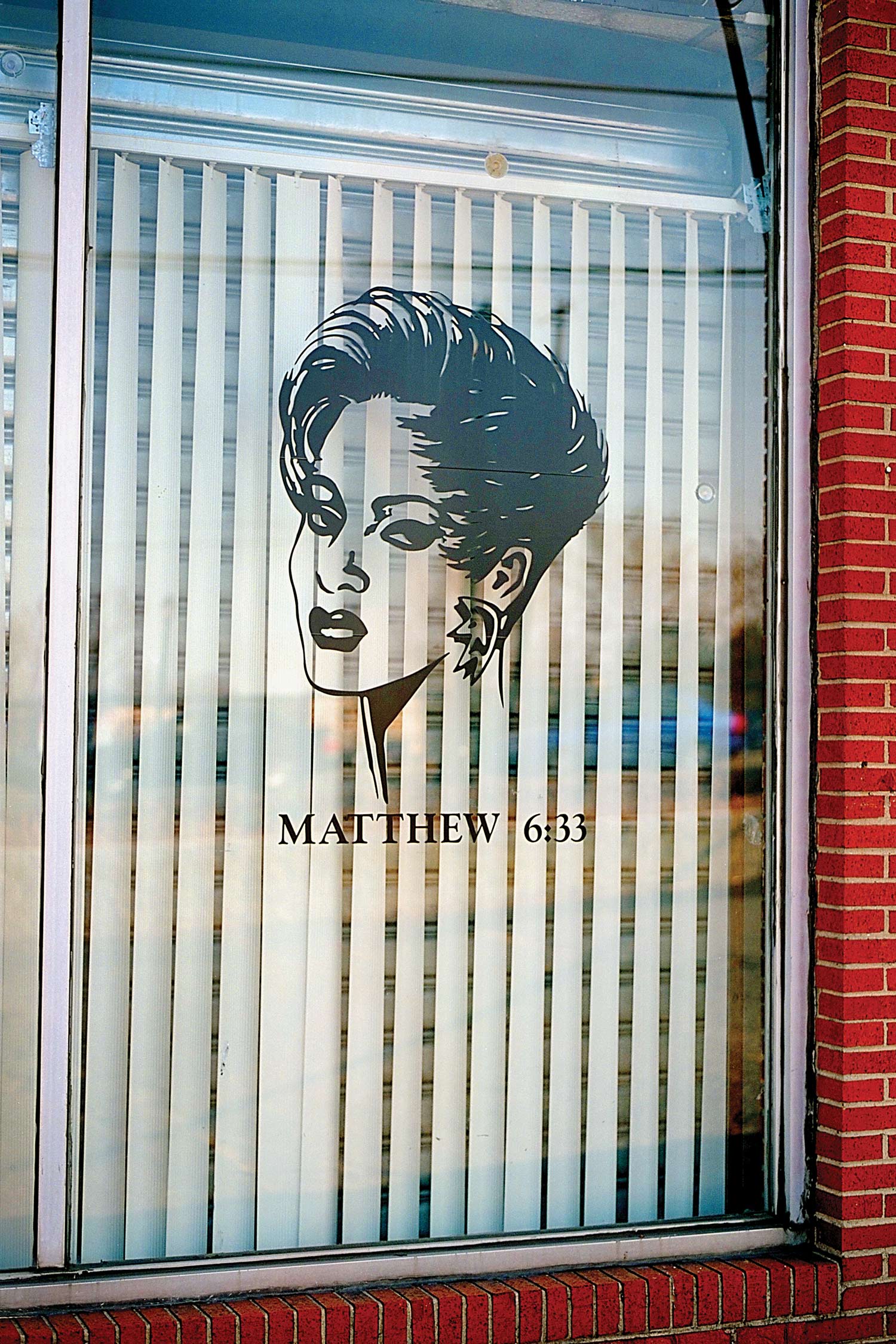
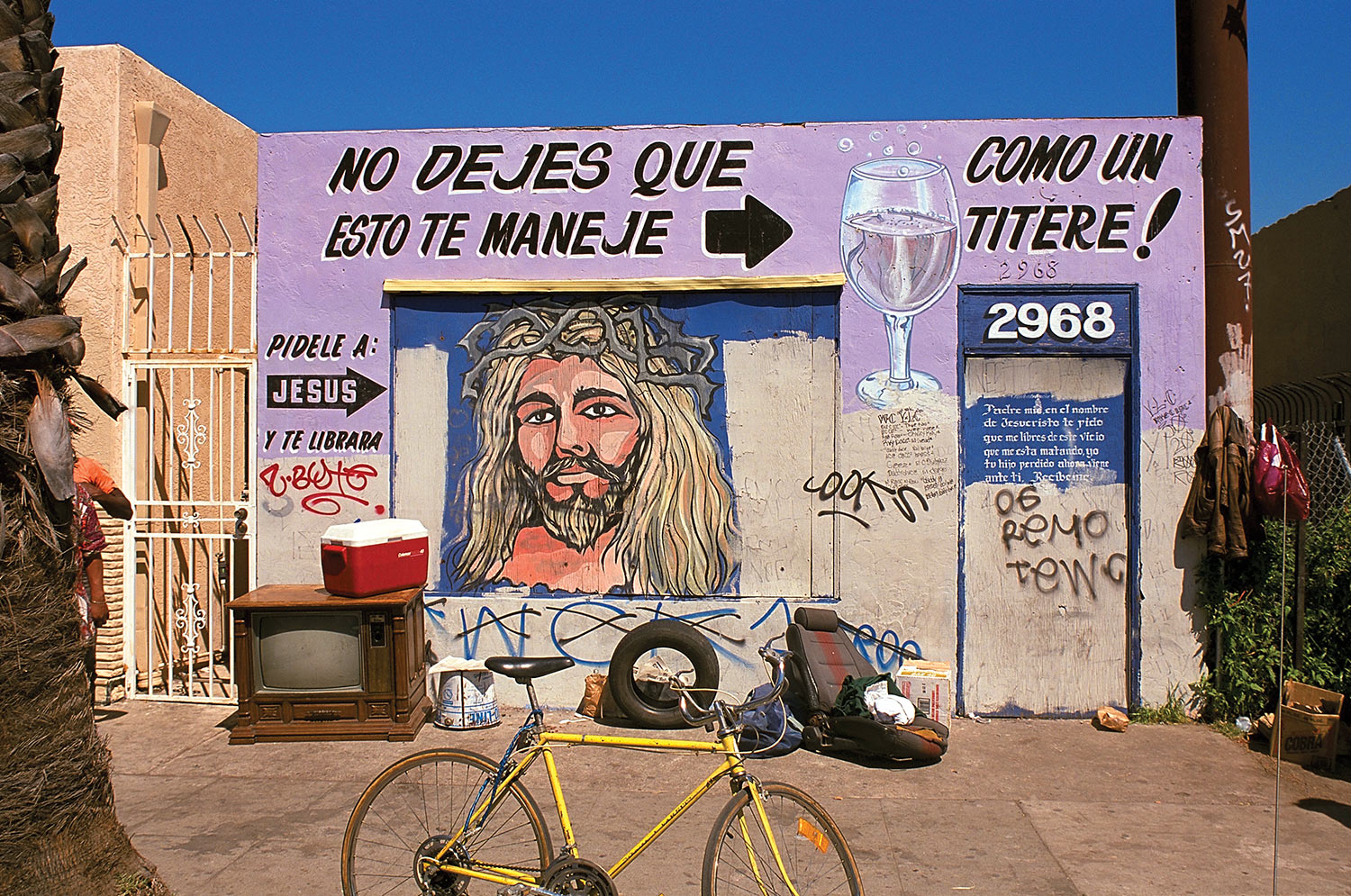 Image Credit:
Sam Fentress
Getting in touch: VoyageChicago is built on recommendations from the community; it’s how we uncover hidden gems, so if you know someone who deserves recognition please let us know here.


