


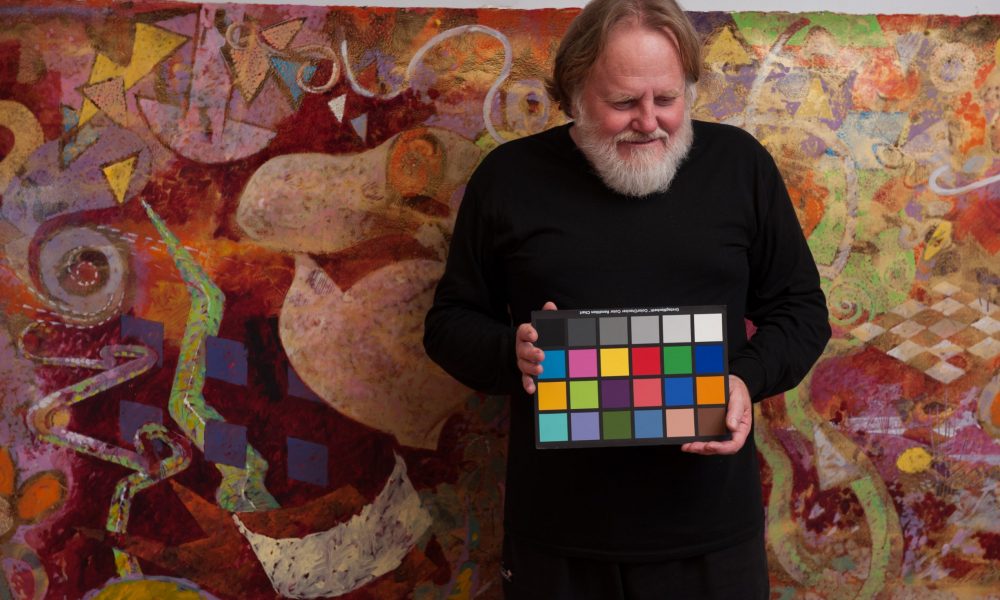
Today we’d like to introduce you to William Hemmerdinger.
William, we’d love to hear your story and how you got to where you are today both personally and as an artist.
Born in 1951, I grew up in Post-World War II Los Angeles. My father was a metal smith working for the aerospace industry. His important works were made of copper. These were modernist pieces drawing inspiration from the Arts and Crafts movement and the Bauhaus. Both of my parents encouraged artistic development. In the early 70s, I was exhibiting widely, doing commissioned work, teaching and writing art criticism.
We’d love to hear more about your art. What do you do you do and why and what do you hope others will take away from your work?
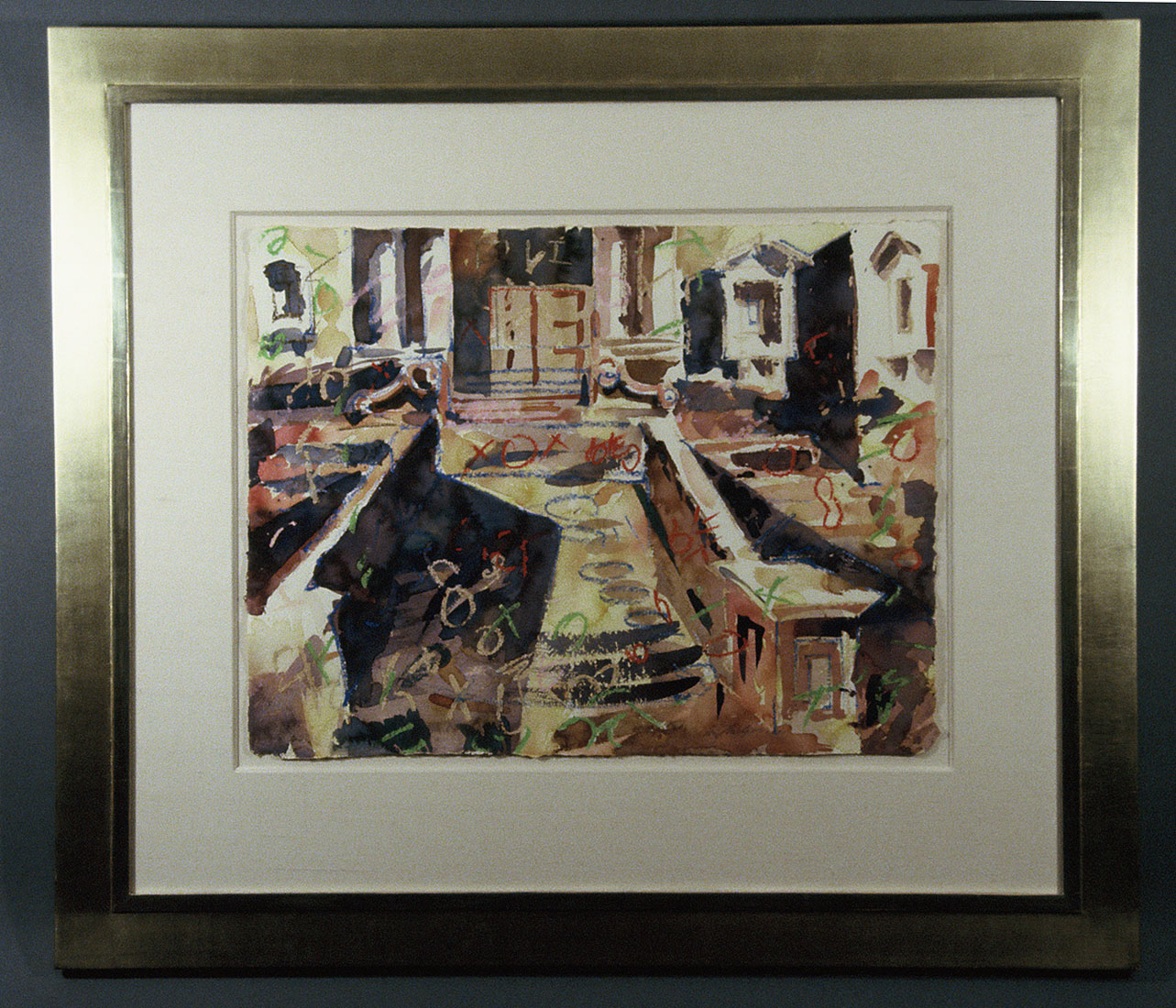
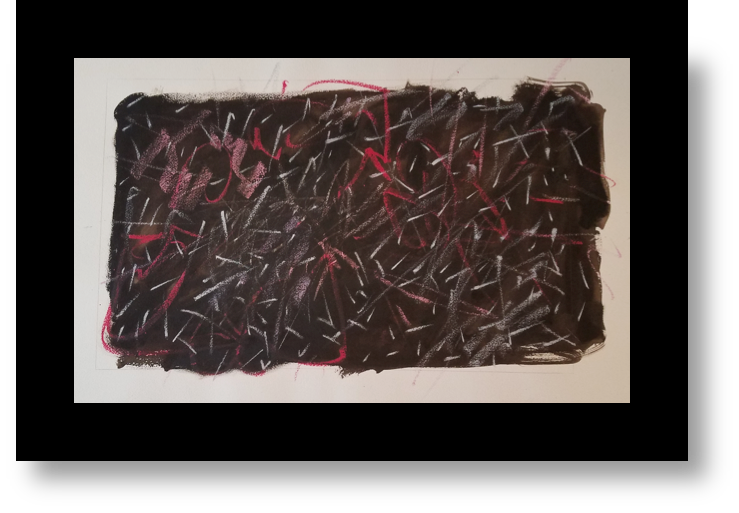
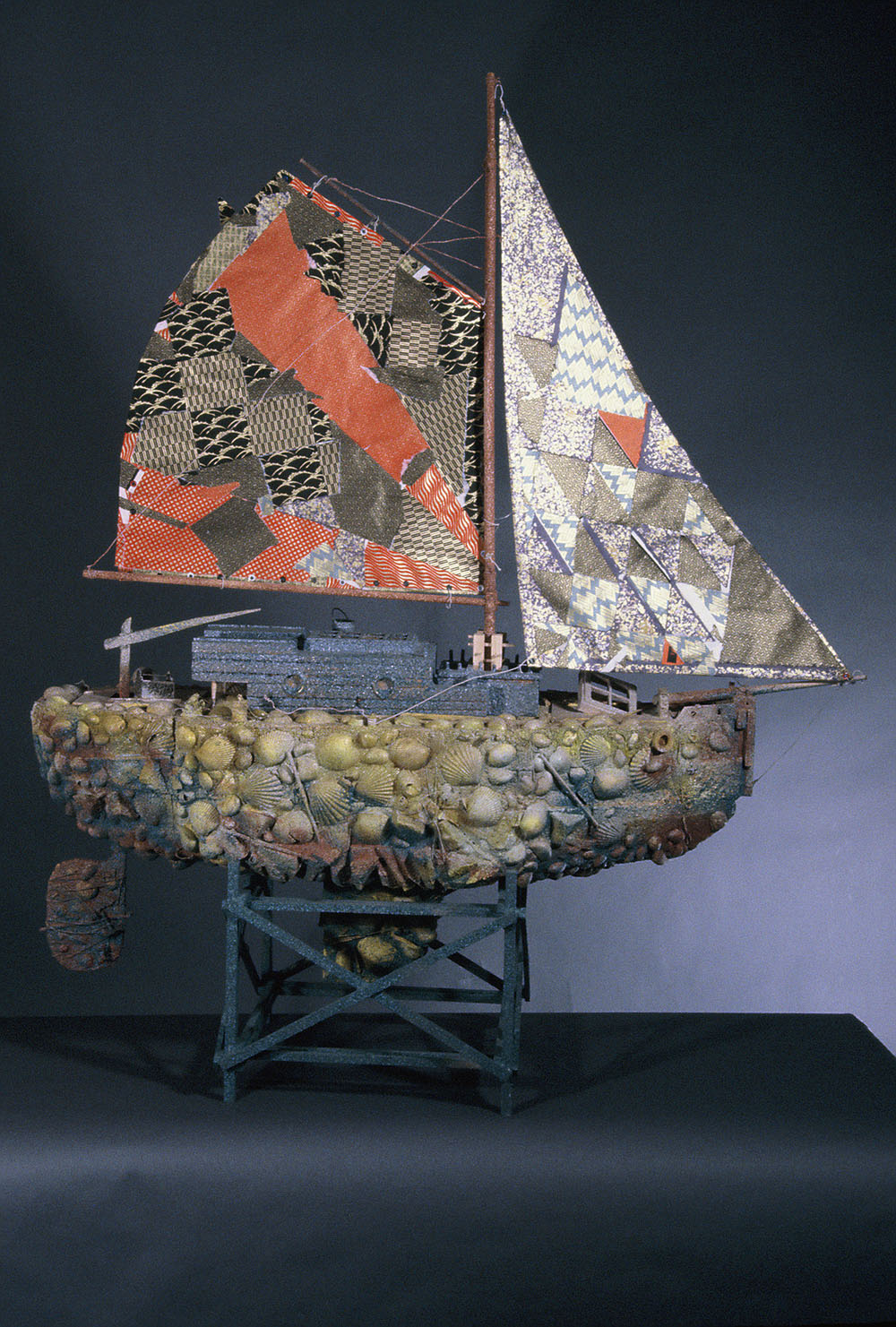
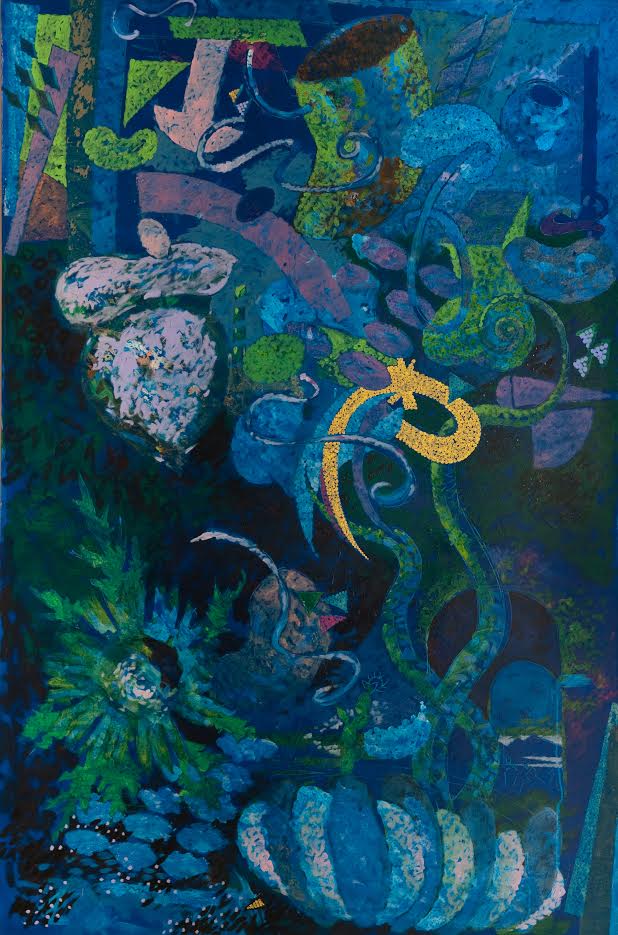
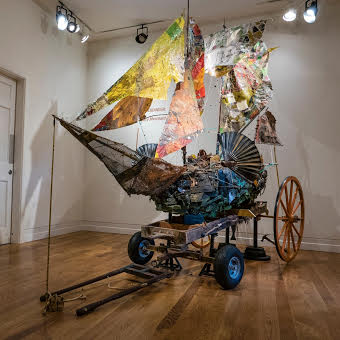
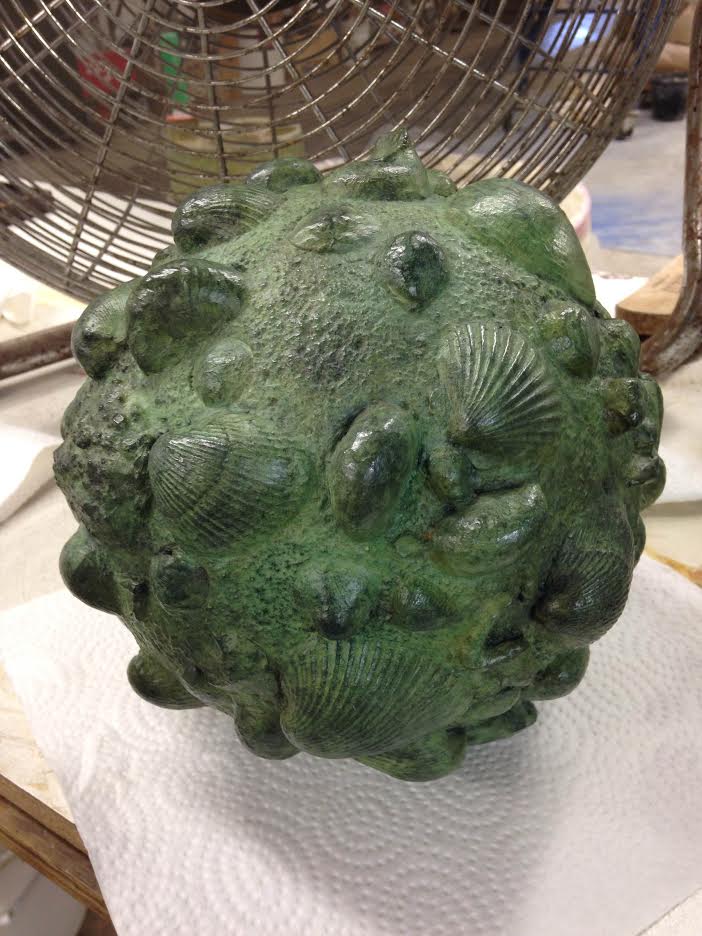
I do painting, sculpture, printmaking, collage, drawing and photography. I have also done architectural and environmental design projects. My preferred mediums in painting are acrylic and watercolor. In sculpture, my favorite approach is assemblage, these are sometimes quite large and become standalone installation pieces (The Duxbury Merchant, photo enclosed, is an example). My smaller assemblages, I have cast into bronze and iron (see Cotuit Tide Ball, photo enclosed).
The unifying theme within my portfolio spanning forty years is the joy and happiness brought to me personally through exploration and experimentation. If other people see this, then I am doubly pleased, but the central objective is my own creative growth and intellectual inquiry.
How can artists connect with other artists?
What do you think about conditions for artists today? Has life become easier or harder for artists in recent years?
Your question invites complaint. As an artist, teacher and arts activist, I have long felt that our paradigm related to the creative economy was flawed. Now, at this moment, the cheese really stinks. Artists do not expect to have it easy, on the contrary. But, if people aspire to a better life, then genuinely considered arts programming needs to be deeply rooted in every community and spread across many societal groups.
What can cities like ours do to encourage and help art and artists thrive?
I would tell artists and consumers alike to be uniformly supportive, collaborative, inclusive and inventive.
On a municipal or state level, I would encourage subsidies for artists and their families, revisions to tax regulations, creation of enterprise zones and subsidies for the owners of properties in these specified use areas as well as businesses servicing the artistic community. Small businesses. I’d also consider a creative workers basic wage and healthcare plan. Why not attract educated, talented, creative and ambitious people to an area? If a few of these small steps were made, creative groups and individuals could be more devoted to their own work and the community cultural life.
Do you have any events or exhibitions coming up? Where would one go to see more of your work? How can people support you and your artwork?
People can support my work through purchase or commission of one of my artworks. I also offer classes and consultancies. This kind of subsidy is essential for the prosperity of any artist’s studio. Such sponsorship would allow for continued exploration of my many lines of inquiry.
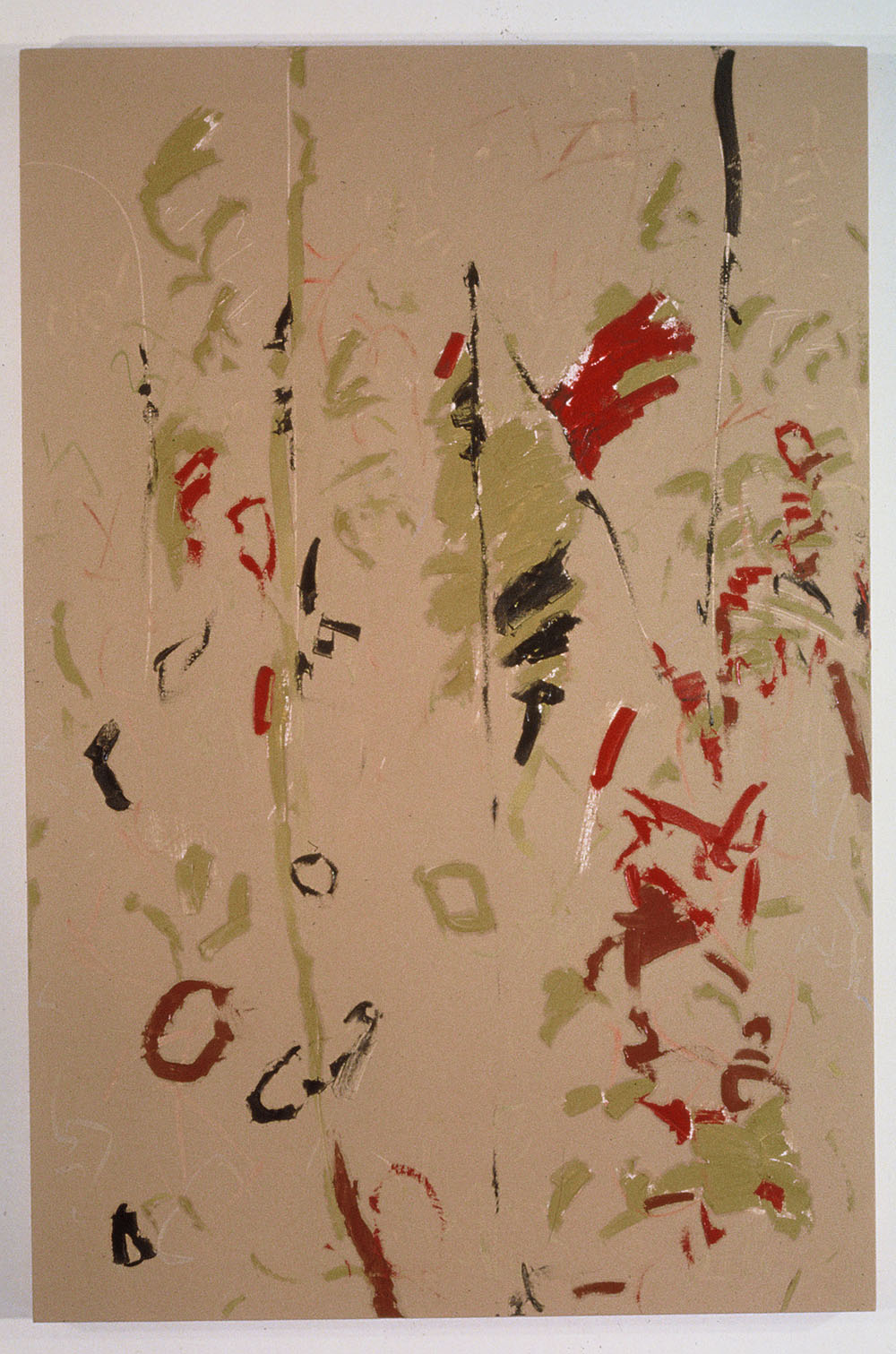
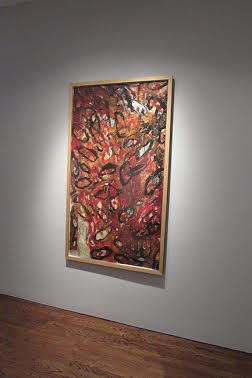
Museum collections and gallery exhibitions, plus, my website (www.williamhemmerdinger.com) are good ways to see my work. The Museum of Contemporary Art, Los Angeles has a large painting of mine from the early 80s. The Long Beach Museum of Art in Long Beach, California has examples of my calligraphic mark-making and process-oriented paintings of the 70s and 80s (photo enclosed Cotuit Oysters, 1981); plus, collage art from the 70s and prints from the 80s. An acrylic on canvas work entitled Provincetown 1983 is in the permanent collection of the Provincetown Art Association Museum.
Contact Info:
- Website: www.williamhemmerdinger.com
- Email: william.hemmerdinger@gmail.com
 |
|
Image Credit:
Marc Cote, Cape Cod Museum of Art, Catherine Hemmerdinger, Little River Beeworks, Long Beach Museum of Art, Museum of Contemporary Art, Douglas Parker, Retroavangarda, Frank J. Thomas.
Getting in touch: VoyageChicago is built on recommendations from the community; it’s how we uncover hidden gems, so if you know someone who deserves recognition please let us know here.


