



Today we’d like to introduce you to Yvette Marie Dostatni.
Yvette Marie, please kick things off for us by telling us about yourself and your journey so far.
I was raised in a newspaper family. My Grandfather- John Gabor- had a love for photography that knew no bounds. He instilled this passion and obsession in me. He would literally spend hours in the basement editing and printing a massive family archive he photographed himself. The thick, bitter, stinging smell of fixer will never be erased from my mind. He also showed me how to use a camera: f-stops, apertures, shutter shake, the whole gamut. We would go to downtown Chicago to shoot. I was pretty young to be doing this. I remember an almost vacant downtown littered with shoe shine shops. The funny thing was that at first, I told him I hated ‘taking pictures’. Honesty, I was rebelling and lying. As a deeply shy kid, I loved the way I could express myself thru a metal box. Plus, I loved the sound the camera made when the metal shutter clicked heavily with each press of the button. My Grandfather also was a lithographer for the Chicago Tribune. He worked on the 4th floor of the paper. Sometimes life runs full circle, I ended up on the same floor when I worked as a freelancer for the Chicago Tribune as well.
Can you give our readers some background on your art?
My Uncle used to say, ‘Yvette, you don’t take photographs, you make them. That’s the difference with your photography. It’s art’. I agree. I make photographs. They are art. I take my own personal reality and I shape it with strict composition and often times an almost nuclear-powered flash. The result is that I isolate aspects of my own individual experience that I, for the most part, don’t quite understand or can’t express thru words alone. This is done primarily subconsciously. I never really know what I’m seeing until I look at my negatives on a light table thru a magnifying loop. That’s why, for my art, I do not shoot digital. I like the concept of never knowing exactly what you are creating from life at any given moment. There is no constant chimping or hovering over the back of your digital camera viewing an instantaneous image. Therefore, my photography is primarily thru trust and feeling. There have been many times where I couldn’t see a single detail of what I was photographing. The experience was like walking thru a blackened forest at night. For example, at the Beatlefest Convention, I photographed a Beatles costume contest. The scene in front of me was invisible due to lack of auditorium lights. I was essentially blind. Yet, I could almost taste that there was something happening. I trusted my instinct and pressed the shutter. The result was one frame, one distinct photograph, one singular image of my life done without even seeing what was in front of me. I live for this kind of photography. For me, with photographing being likened to a war zone of firing, shooting, and capturing, I think of the camera almost as a visual cannon. It enables me to win the so-called war of life.
What I want people to take away from my artwork is I to see something universal in American Culture. I am trying to slyly force the observer to perceive themselves in each and every frame. For the most part, people think of my work as ‘funny’, that the people I photograph are ‘different’, that the event is ‘unique’. They are not. The people represented in my artwork are not the ‘other’, they are us. For example, with my Conventioneer Series, I photographed everything from polka conventions to taxidermy conventions to biker conventions. Yet, if you really look at my images, the people involved in the photographs mirror each other as well as American Society. Whether a convention goer dresses in a flared polka skirt, or in a cheetah outfit, or even a business suit, they are all in some kind of costume. We are all in some kind of costume. In the United States we are all Conventioneers. We all want to be unique yet we all want to fit in.
What would you recommend to an artist new to the city, or to art, in terms of meeting and connecting with other artists and creatives?
In response to your query about how to meet other artists, I would suggest being involved in other aspects of art and life that have nothing to do with your chosen creative field. I play pool. I am taking Qigong lessons. I’m taking accordion lessons, I will be finishing up a Shiatsu course this fall. This way I usually meet people who are more inclined to be artistic or in the art field. Being involved with other things also allows you to have a broader perspective on life. Essentially that is what an artist is supposed to do. I like to believe that as an artist it is important to look out into the world and reflect back what we see.
What’s the best way for someone to check out your work and provide support?
I have had past exhibitions throughout Chicago. My photographs are part of The Permanent Collection of the Art Institute of Chicago. I also have a portfolio of the Conventioneers available for viewing at The Museum of Contemporary Photography in their Midwest Photographers Project. To purchase photographs to support my artwork, please contact the gallery I am represented by: ClampArt in New York City.
Contact Info:
- Website: www.ymdphoto.com
- Email: ymdphoto1@gmail.com
- Instagram: ymdphoto
- Facebook: Yvette Marie Dostatni
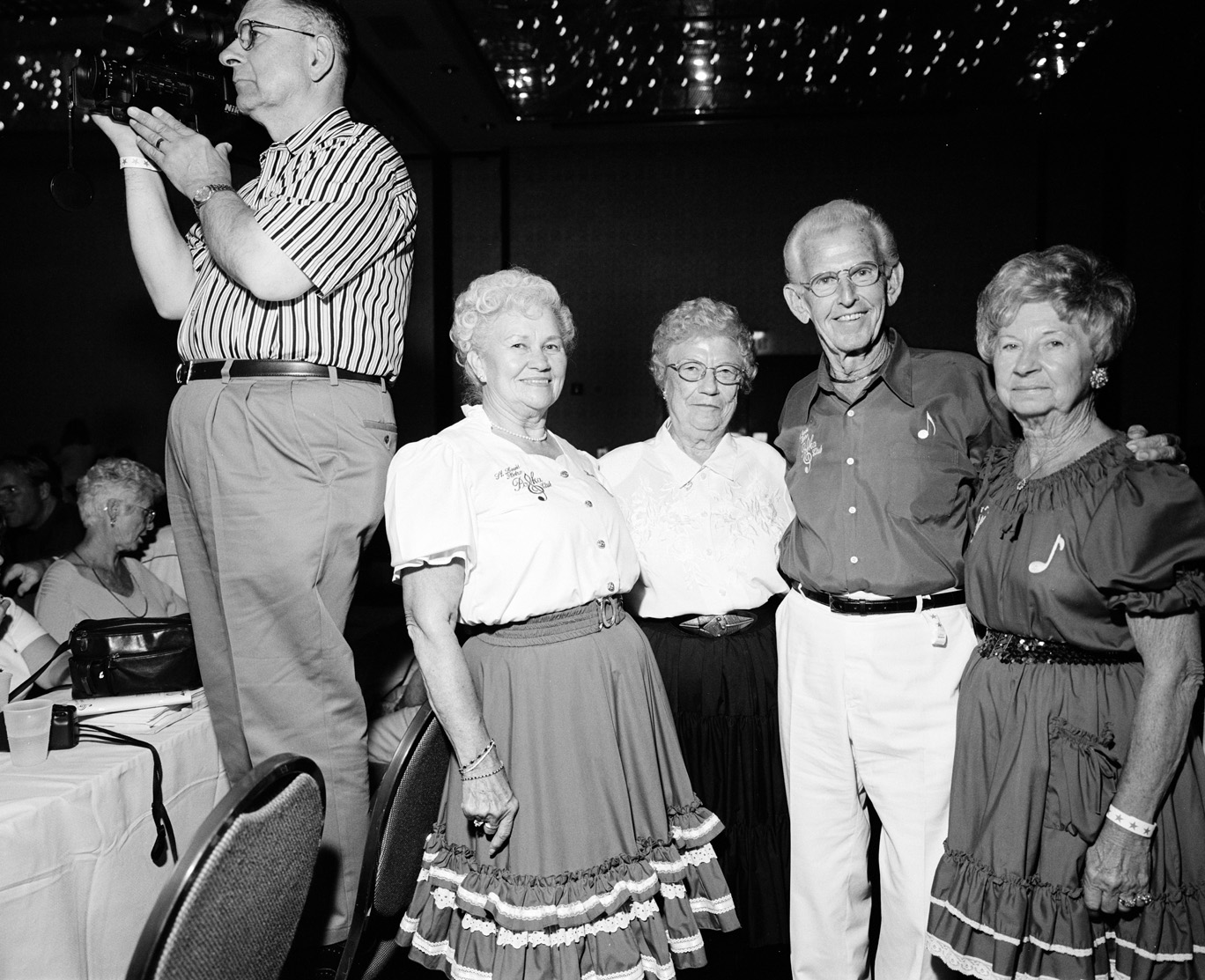
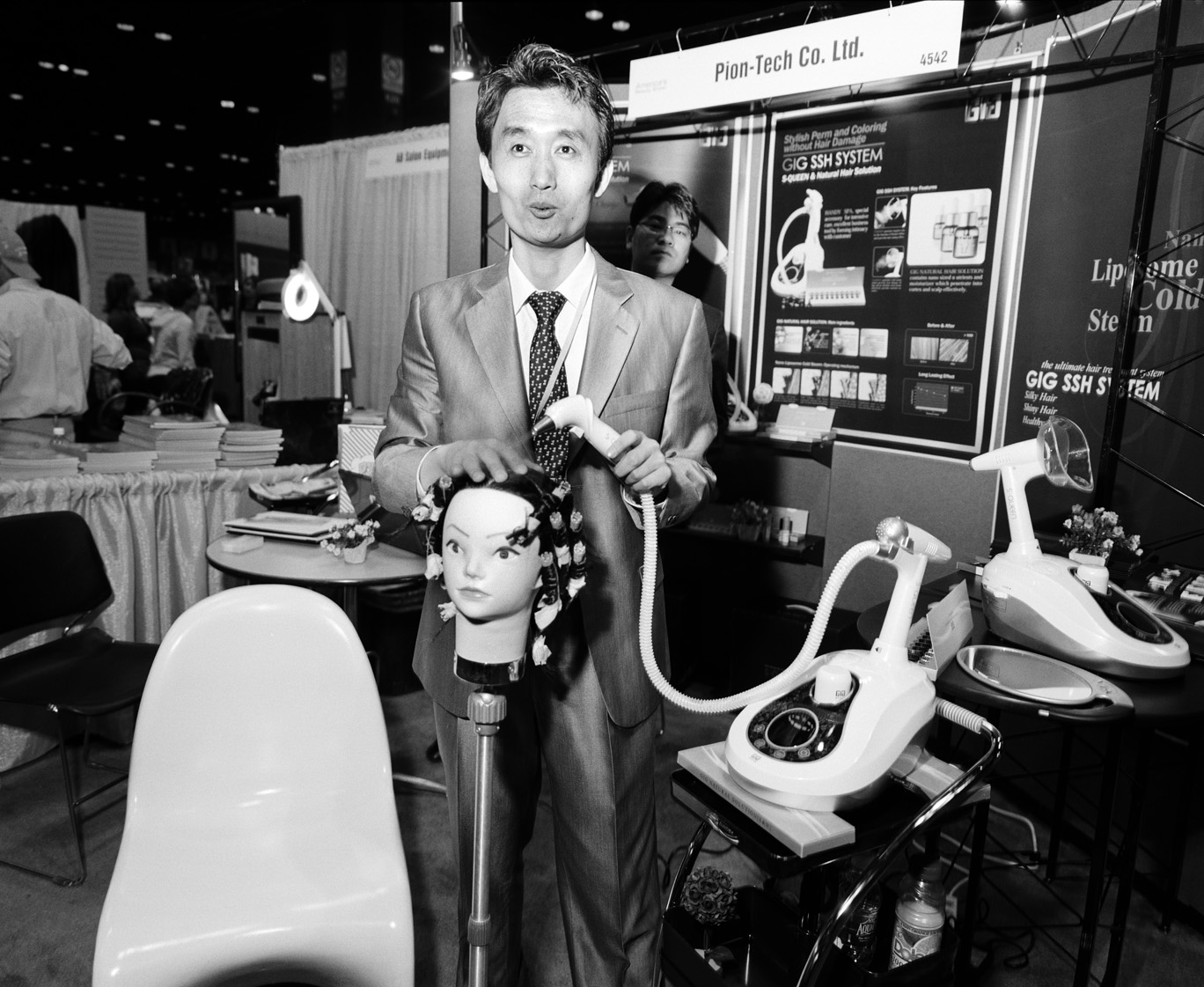
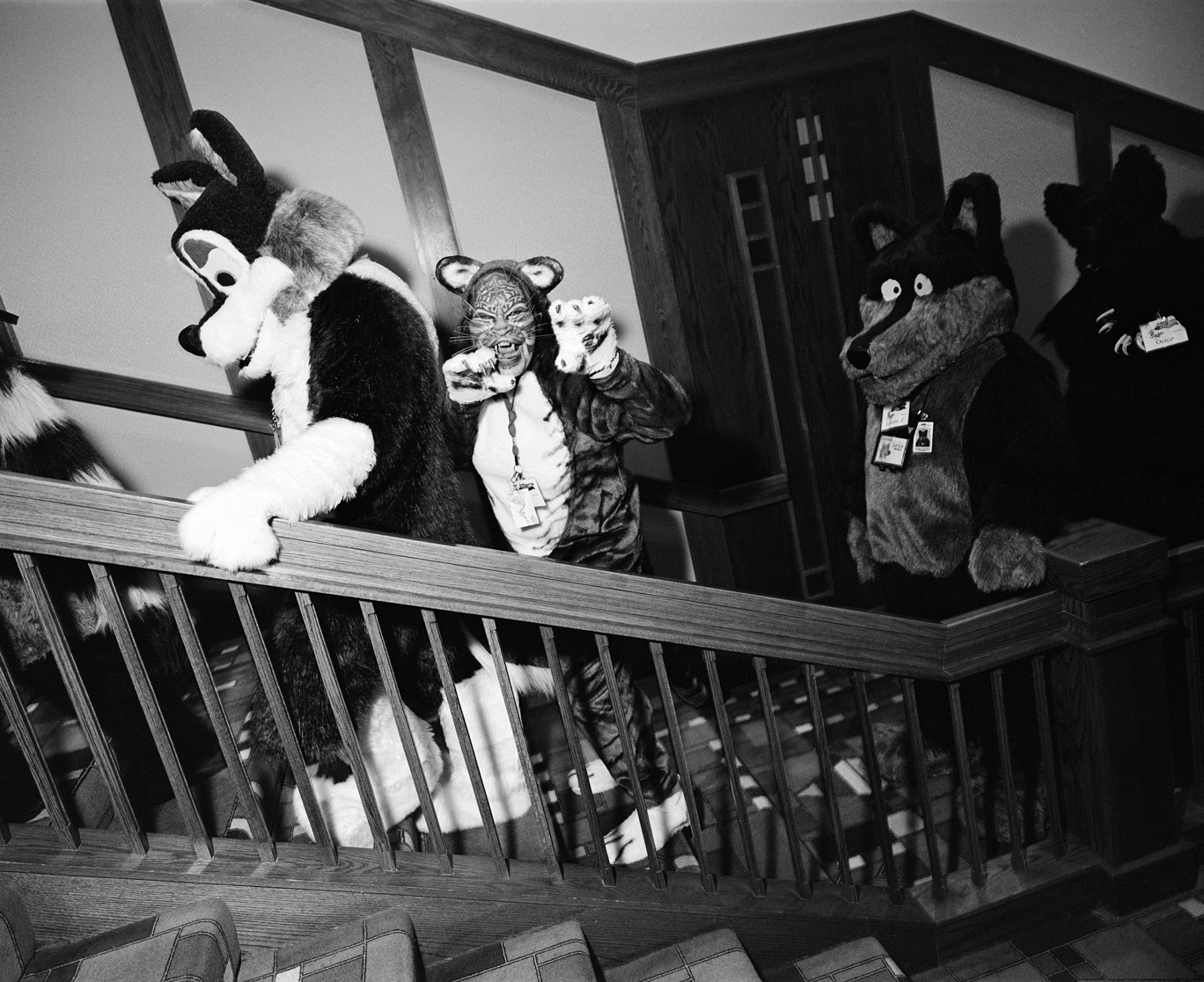
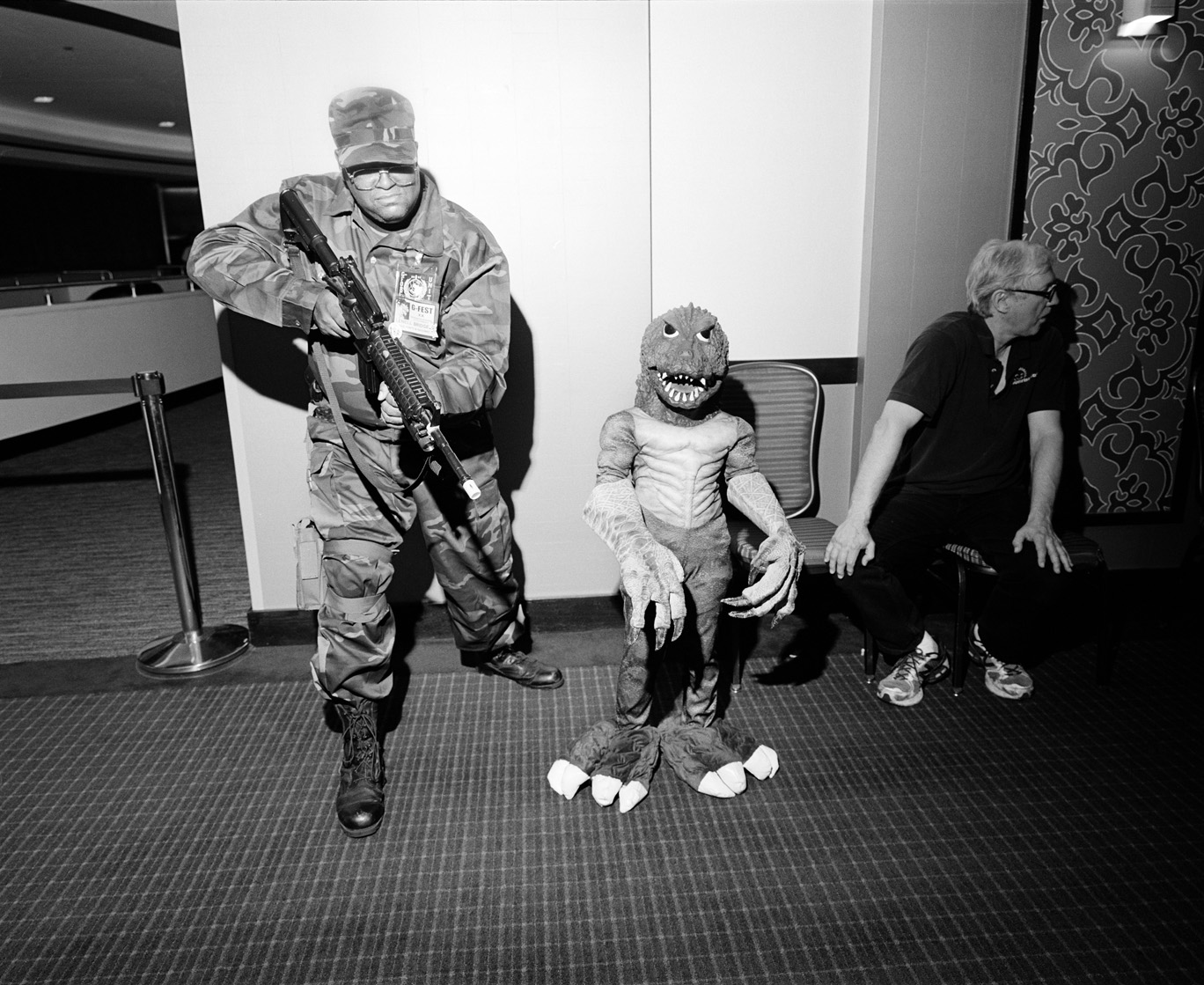
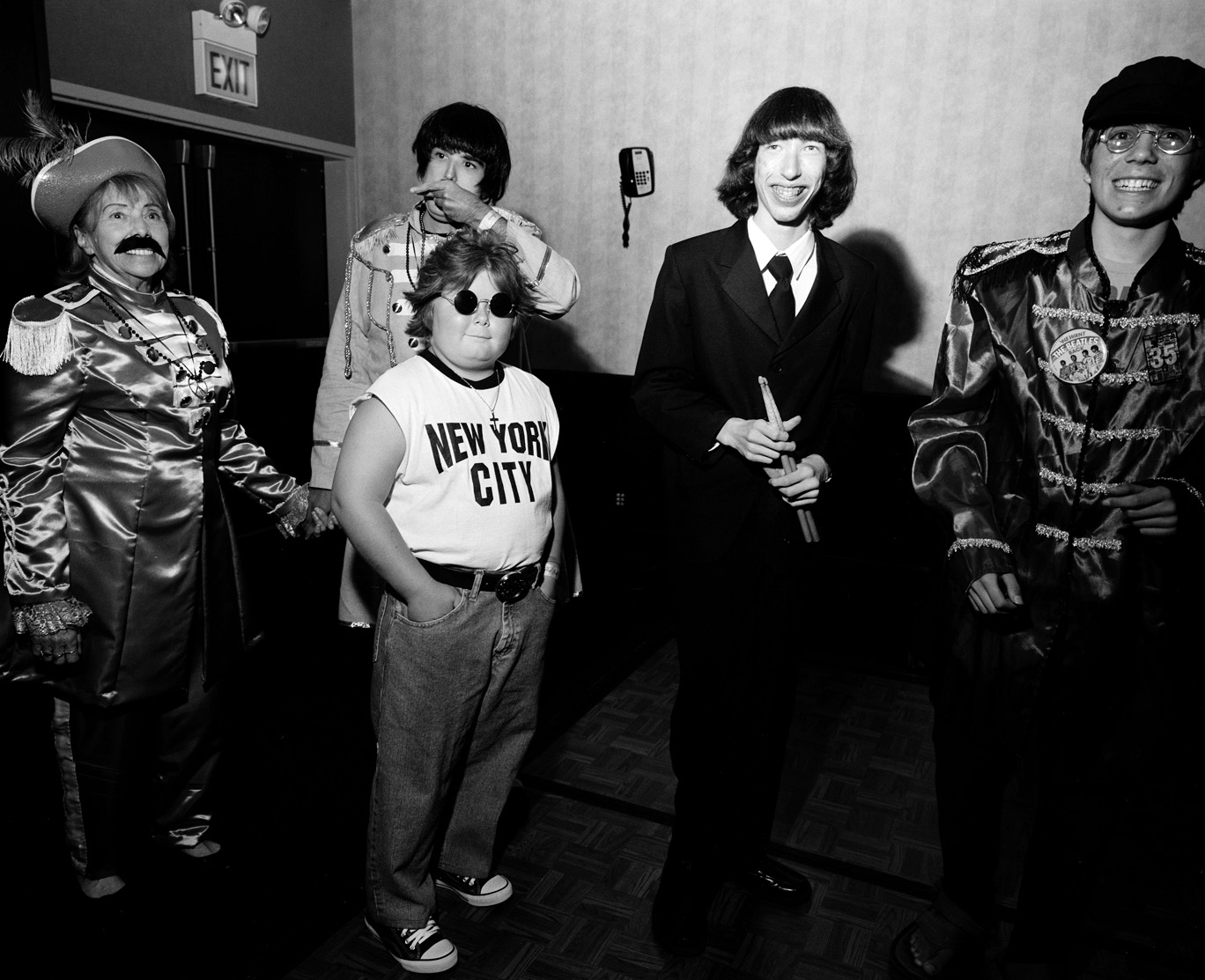
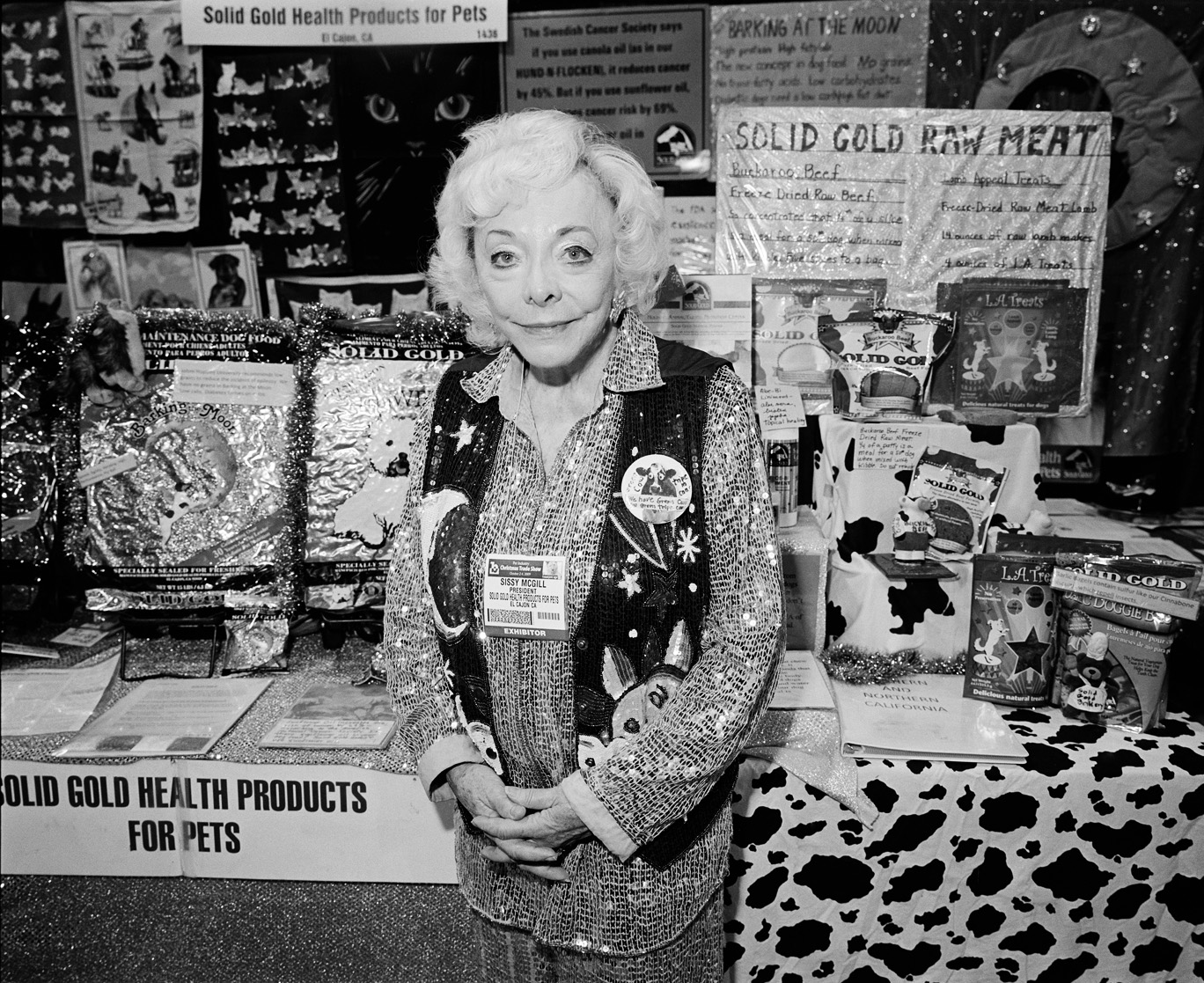
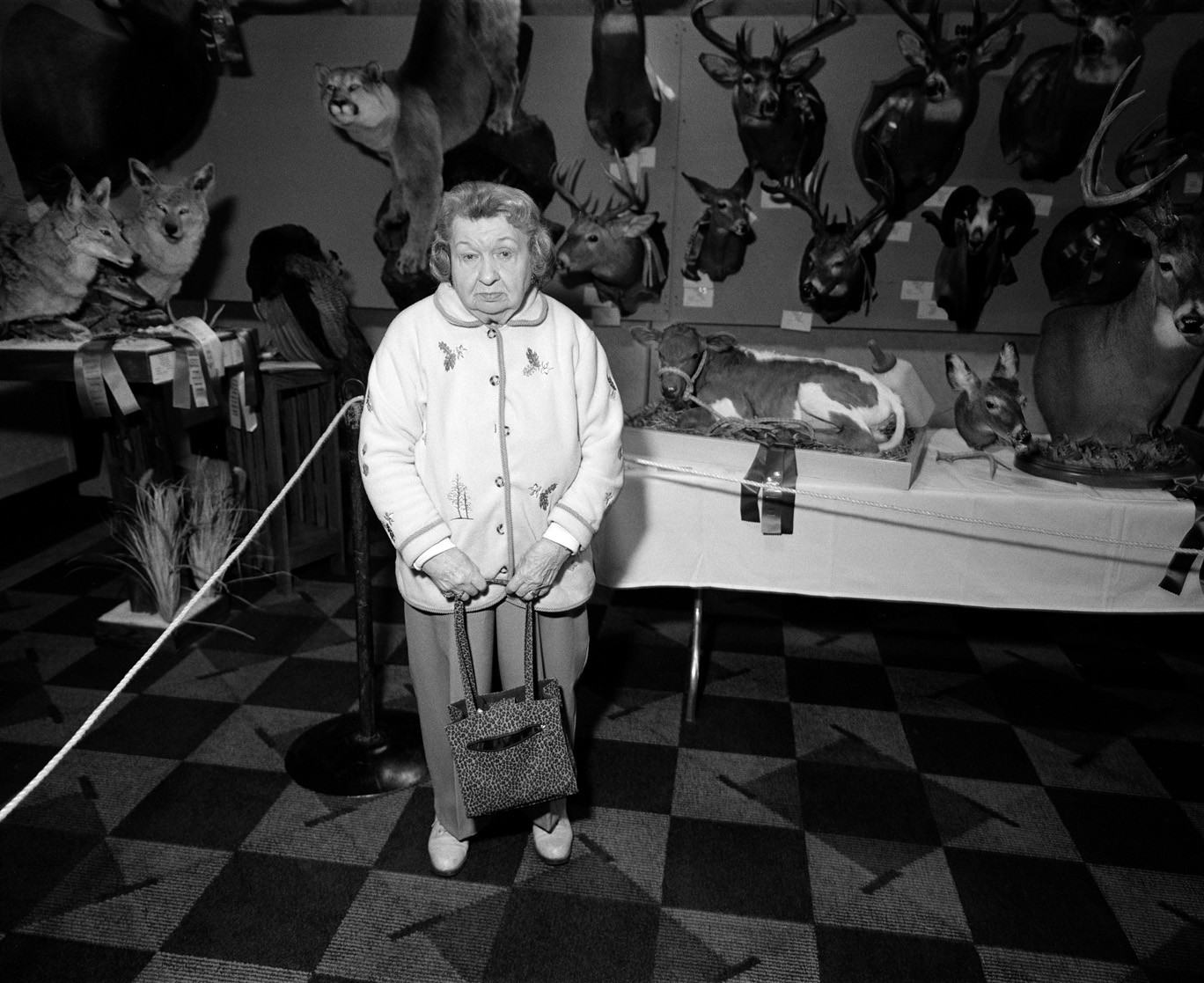
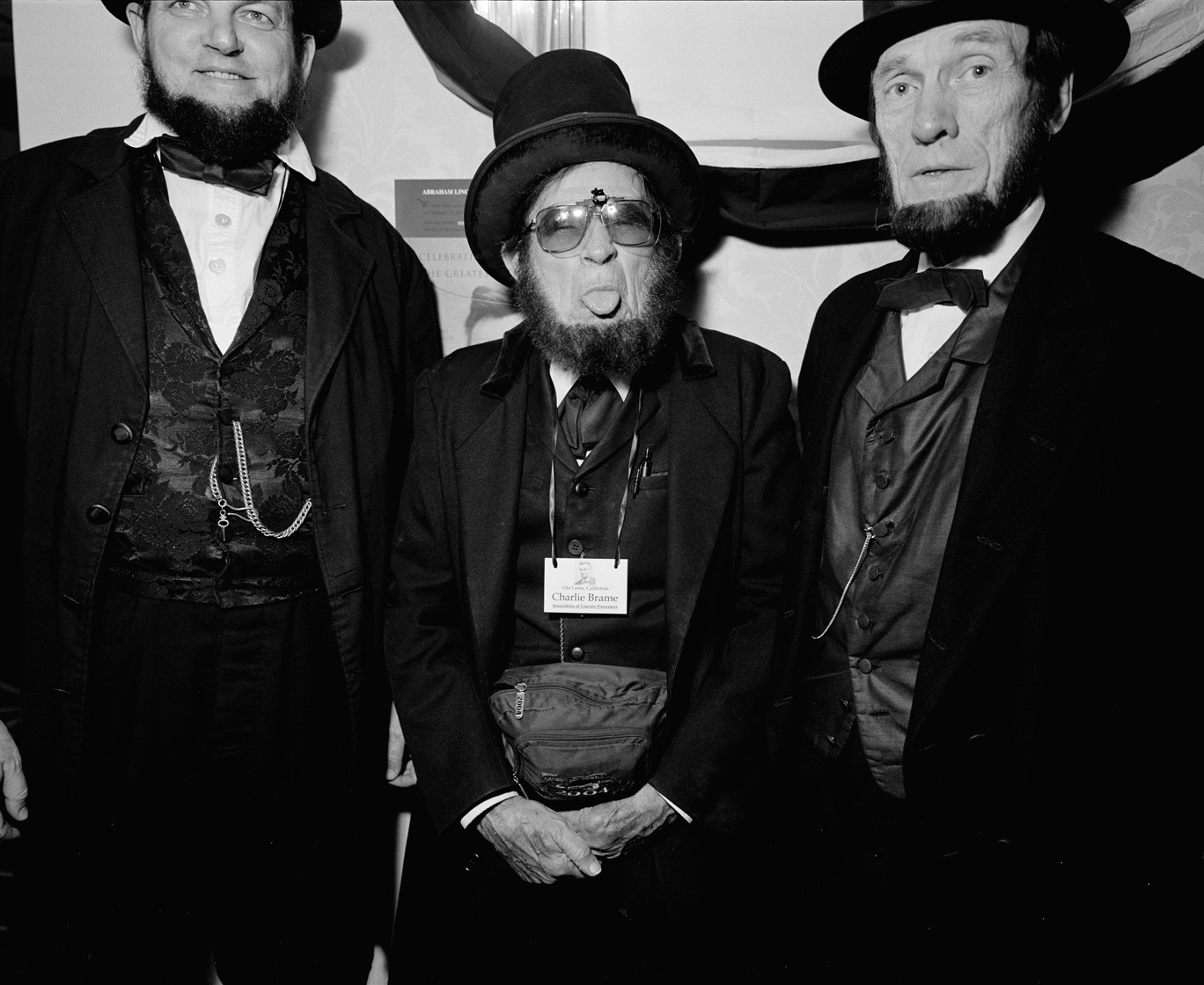 Image Credit:
Yvette Marie Dostatni
Pet Industry Trade Show, Hair World
Association of Lincoln Presenters, Taxidermy Convention
Beatlefest, Godzilla Convention
MidWest FurFest, International Polka Association Convention
Getting in touch: VoyageChicago is built on recommendations from the community; it’s how we uncover hidden gems, so if you know someone who deserves recognition please let us know here.


