



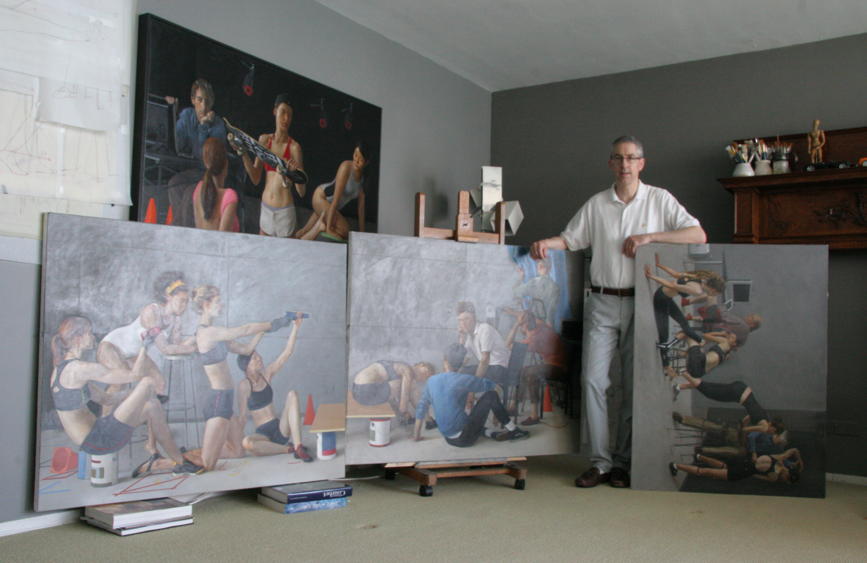
Today we’d like to introduce you to Andrew S. Conklin.
Andrew S., we’d love to hear your story and how you got to where you are today both personally and as an artist.
I grew up on Chicago’s NW side, not far from my father’s house, built by my grandfather. I was the third of my parents six children. My dad’s managerial job meant that there was always extra office stationery at home, which we children love to draw on. I recall copying Audubon prints, following my older brother’s lead. Three years into art school in Chicago, a classmate asked me to join him on a move to SoHo in Manhattan, to a temporarily empty loft owned by an actor classmate.
My friend and I attended the National Academy of Design School, near the Guggenheim Museum, where I met my future wife, Helen Oh. I took more painting classes at Art Students League and with portraitist Aaron Shikler and illustrator David Levine. Soon I was teaching in Manhattan, first at Parsons School of Design and then the New York Academy of Art and found a Manhattan gallery: Hoorn-Ashby Gallery.
We returned to Chicago in the late 90s, and for a decade I taught at Harrington College of Design. During that time, I got an MFA from the Academy of Art University in San Francisco, CA. My thesis was a series of motion capture-themed paintings, showing athletes and computer programmers in prosaic spaces, a purposefully un-aesthetic setting. I became fascinated after meeting artists in that industry, and the way they work, very much like figurative painters, to create ideal worlds; they simply use electronic means, something I avoided for a long time, as I have always preferred to paint directly from life.
We’d love to hear more about your art. What do you do you do and why and what do you hope others will take away from your work?
I am a figurative artist, working with traditional methods of oil painting and drawing. My subject is the human figure. My work is narrative in content, but inspired by artists of many styles and schools, from the Carracci to the Bauhaus.
It is difficult to say why my work looks as it does, except that it is the only honest, and enjoyable way for me to make art. I have always been fascinated by the way artists both reflect and create ideals of physical beauty and dignity through their interpretations of the human body. I also enjoy the technical demands of composing a painting, especially a large canvas, trying to make it all ‘work’, so that posing the models feels like choreography, creating the spaces feels like interior design, and arranging the action is like making a silent film.
In my recent series of Motion Capture paintings, I highlight those differences between the real and the ideal, influenced by binary notions of the Platonic ideal of form and the realities of the human form. Out of this tension, which is irresolvable, I have tried to produce paintings that in a small way bridge the perceived divide and satisfy a need for their synthesis.
Have things improved for artists? What should cities do to empower artists?
Social media is revolutionizing the ability to view and connect with artists from all over the world, and I find this of great value, particularly in seeing my former students, now scattered hither and yon, continuing to produce such amazing work. That’s definitely a plus. On the minus side, I have seen the struggles that galleries have in adapting to the changed environment, and because I have always had great dealers, I am concerned for the financial viability of this business model. Gallery representation has traditionally been the sign of recognition from the wider art world, almost a rite of passage from student to professional. What’s more, good gallerists cultivated a circle of knowledgeable and enthusiastic patrons. I feel this is being lost now that artists can appeal directly to a potential audience. While an online platform for generating income may be a future method of sustenance, I think something will be lost if one never experiences, as I had as a young art student, of prowling the galleries of Manhattan, seeing everything in person—not on a phone or computer screen—and sometimes running into established artists, which was always a great thrill!
Chicago is not New York, and it must try harder to grow and retain artistic talent. The city has done some novel and useful things over the years, such as Chicago Artists Month, and I would certainly welcome this spirit of innovation. On a practical level, how about free CTA passes to artists?
Do you have any events or exhibitions coming up? Where would one go to see more of your work? How can people support you and your artwork?
I am currently represented by Gallery Victor Armendariz, 300 W Superior St, Chicago, 60654.
I have had solo shows at the University Club of Chicago, The Illinois Institute of Art, at Lora D Art Gallery. A two person show with my wife, Helen Oh, at the University of Illinois.
Another museum shows I’ve participated in:
78th National Midyear Show, Butler Institute of American Art,
Contemporary Realism Biennial, Ft Wayne Museum of Art,
On Process: Studio Themes, Terra Museum of American Art,
31st Annual International Exhibition, University of Texas, Tyler
1996 171st Annual Exhibition, National Academy Museum, New York, NY
115th Exhibiting Artist Members Exhibition, National Arts Club, New York NY
Face to Face: Self Portraits by Chicago Artists, Harold Washington Library
Contact Info:
- Website: http://cargocollective.com/andrewsconklin
- Email: linksboven1@gmail.com
- Instagram: https://www.instagram.com/andrew_s_conklin/
- Facebook: https://www.facebook.com/andy.conklin1
- Other: http://coolredwarmblue.blogspot.com
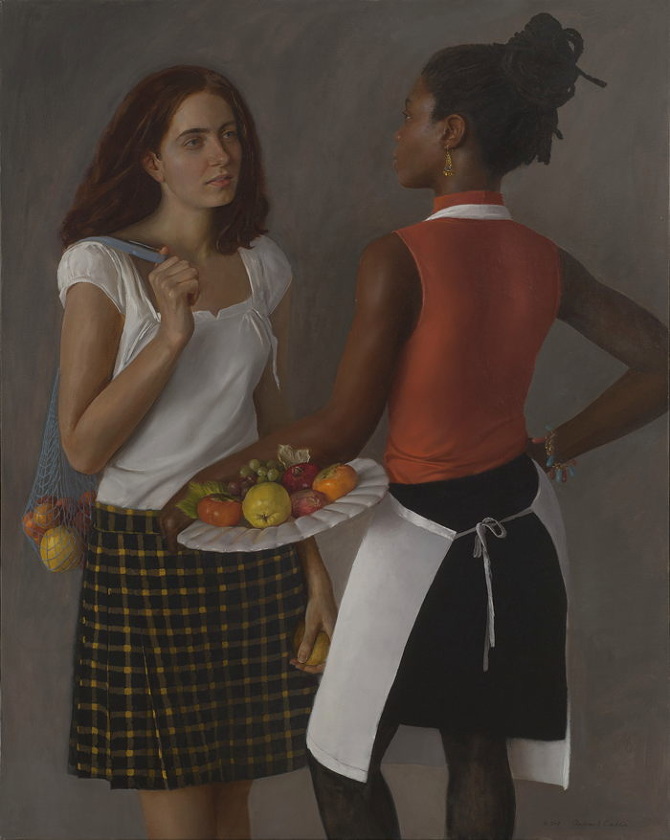
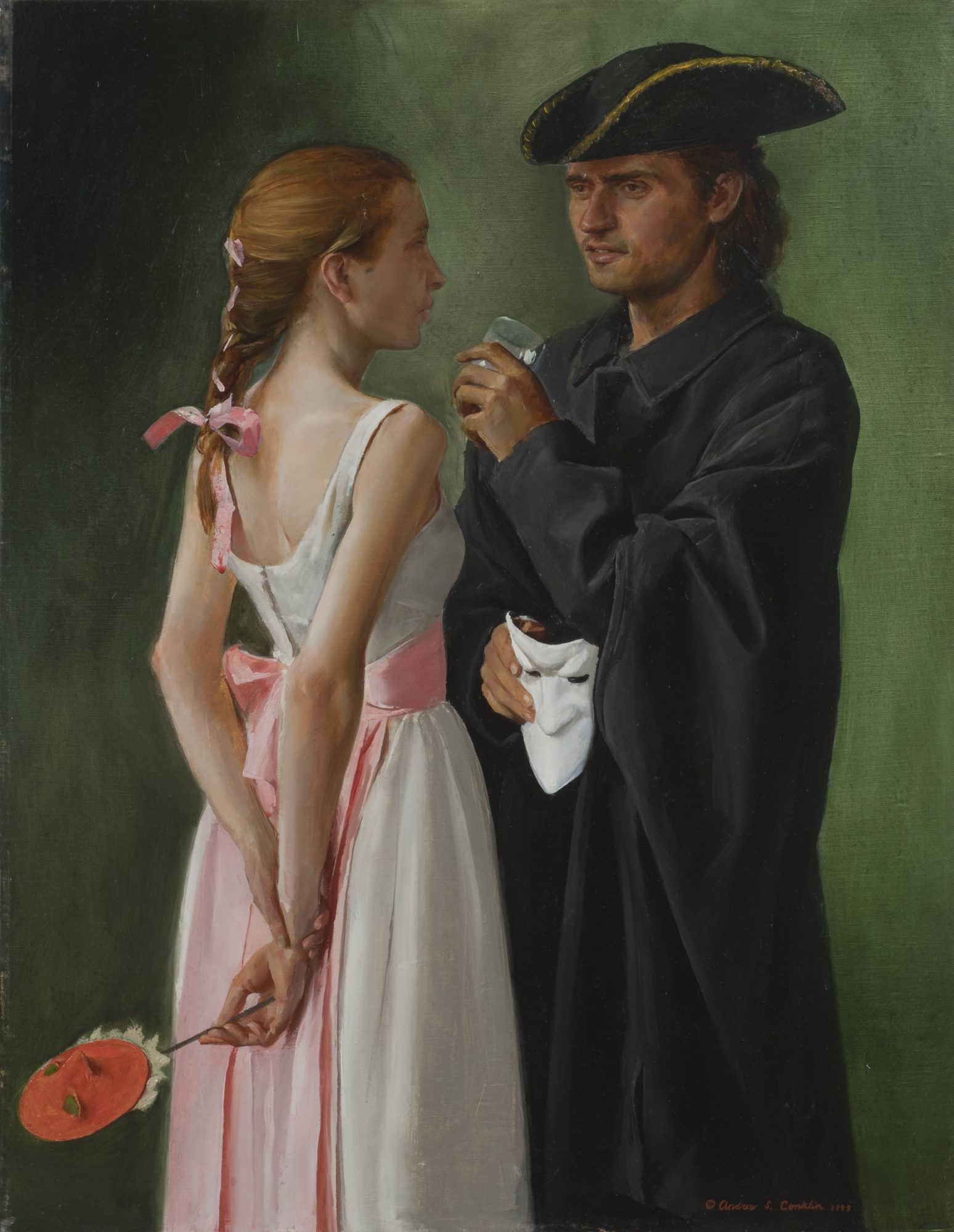
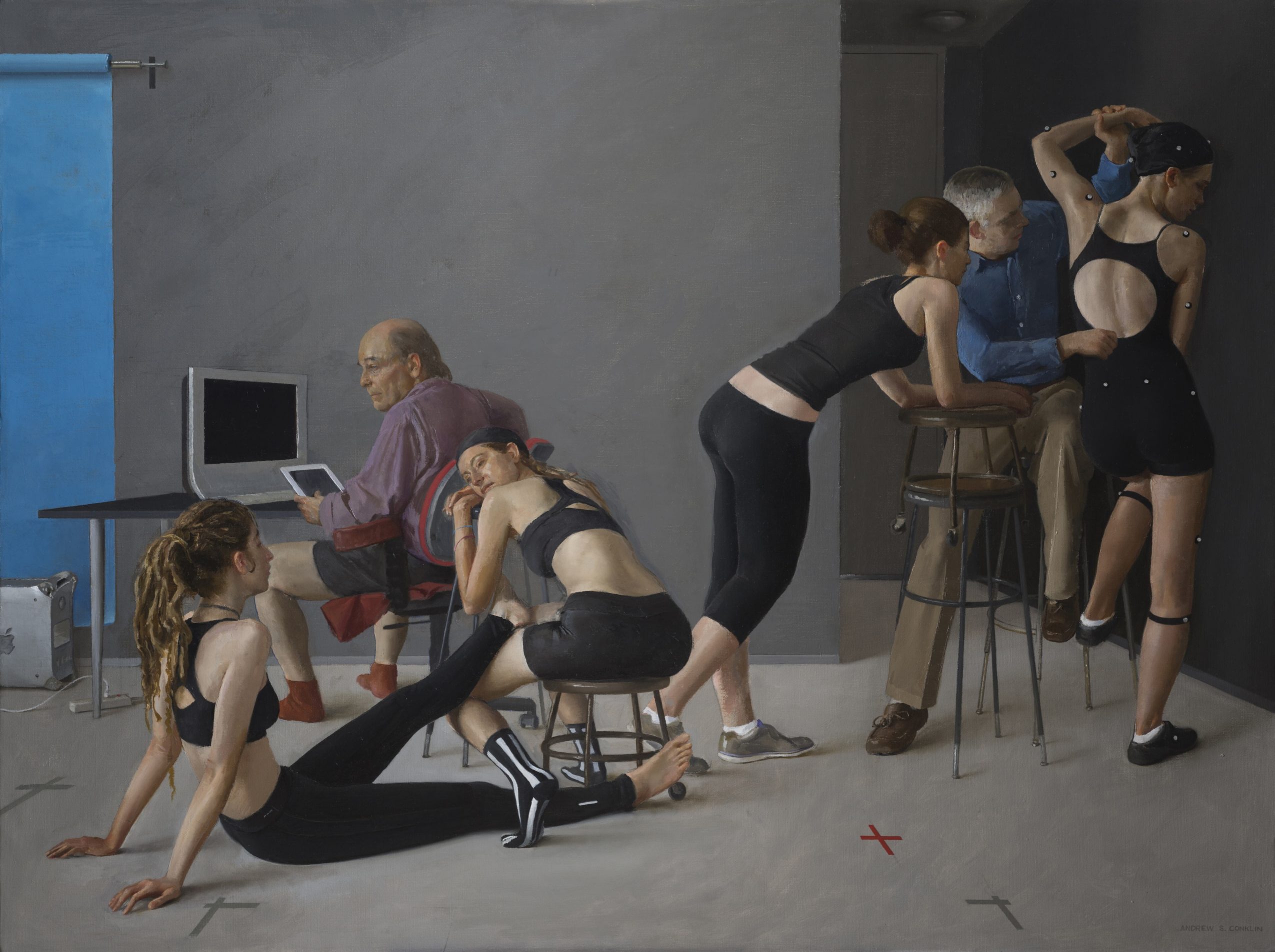
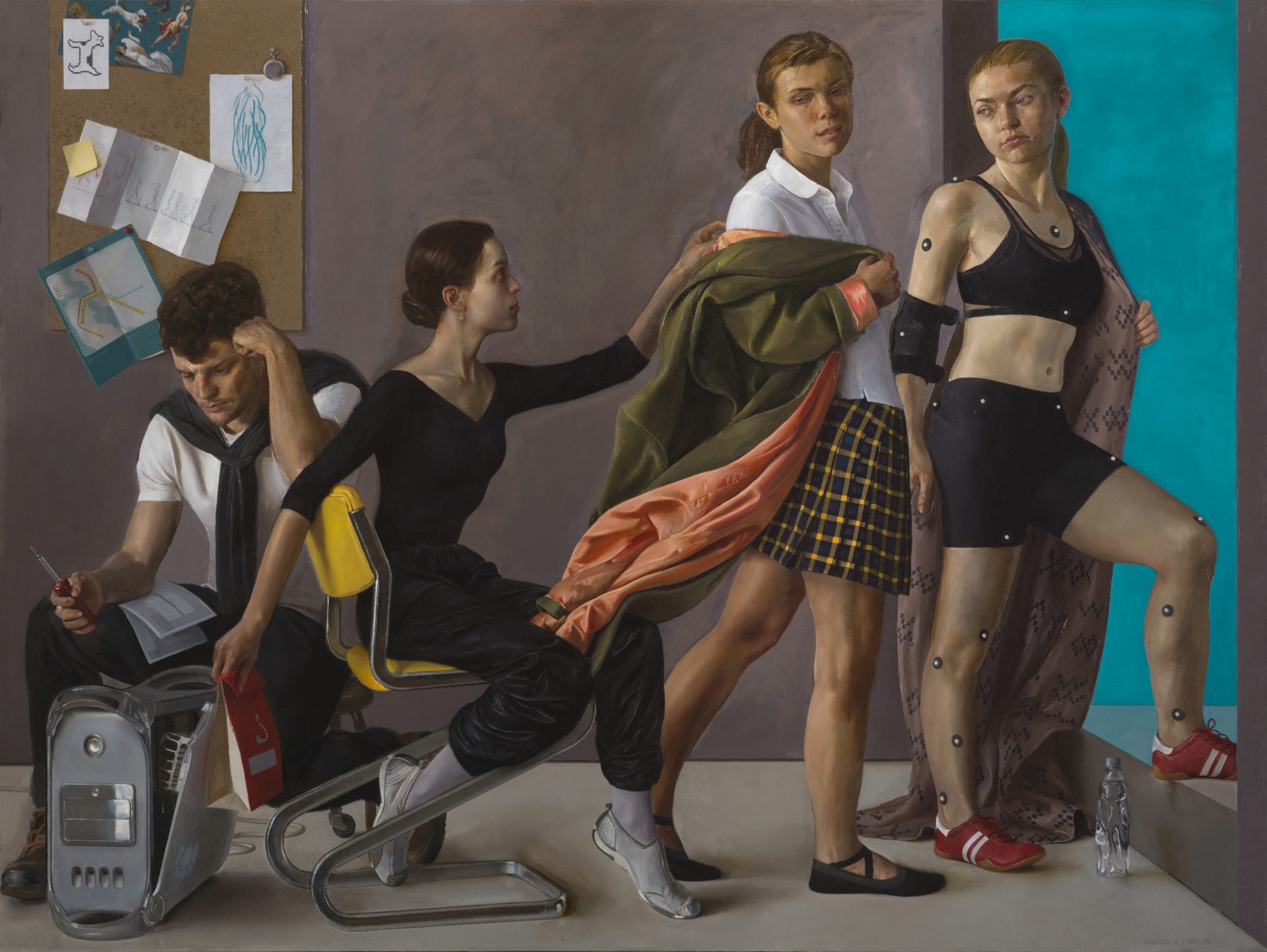

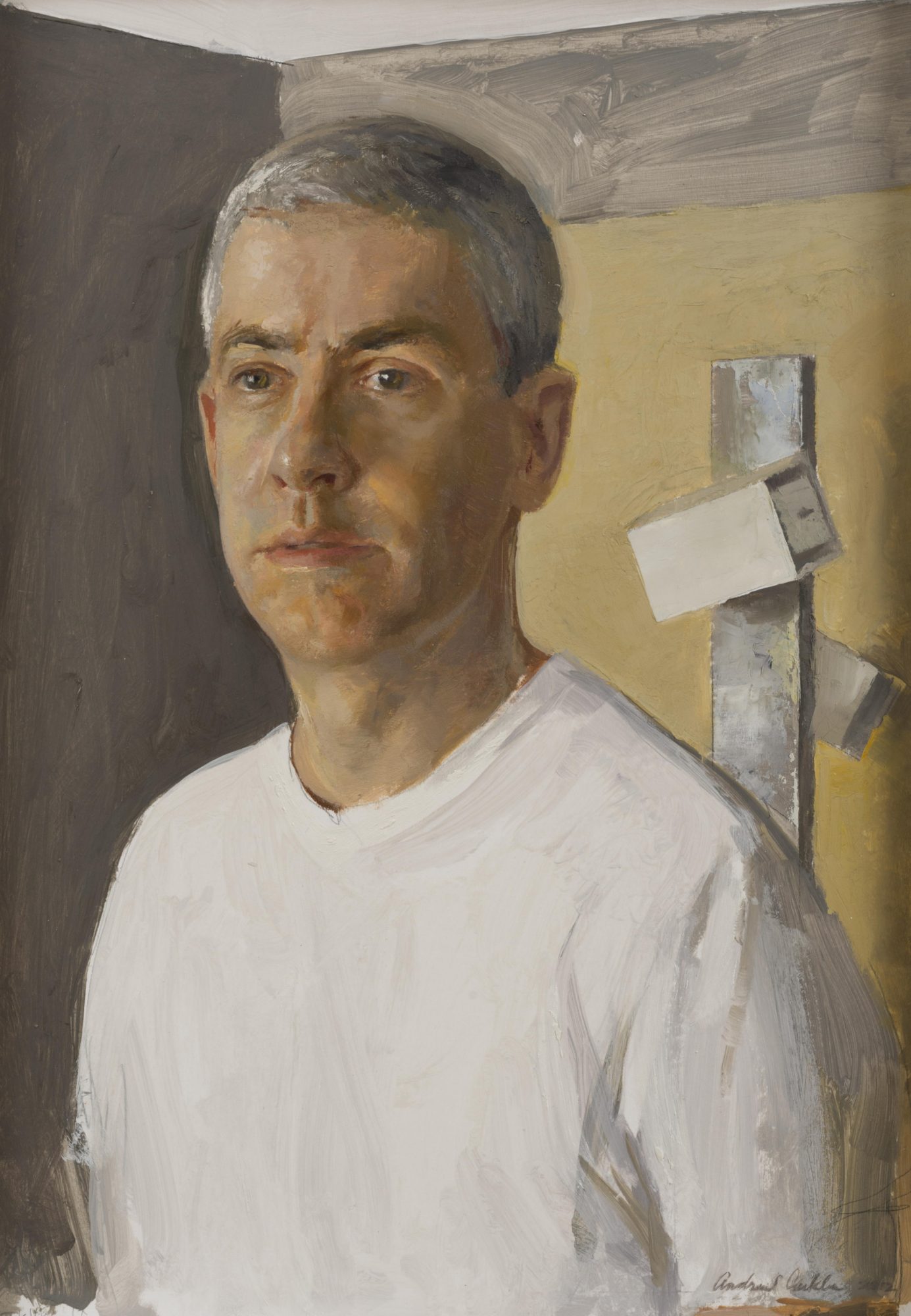
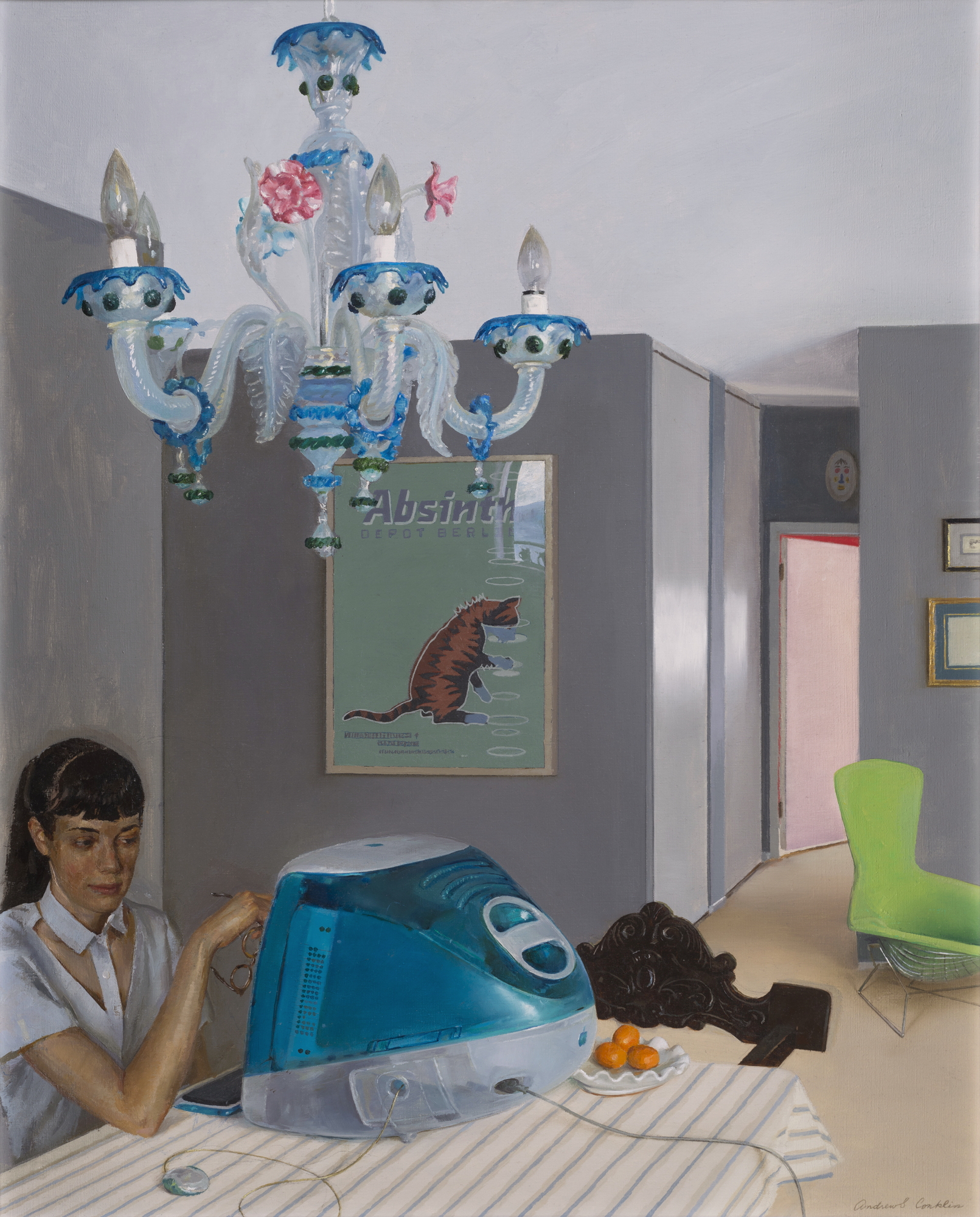
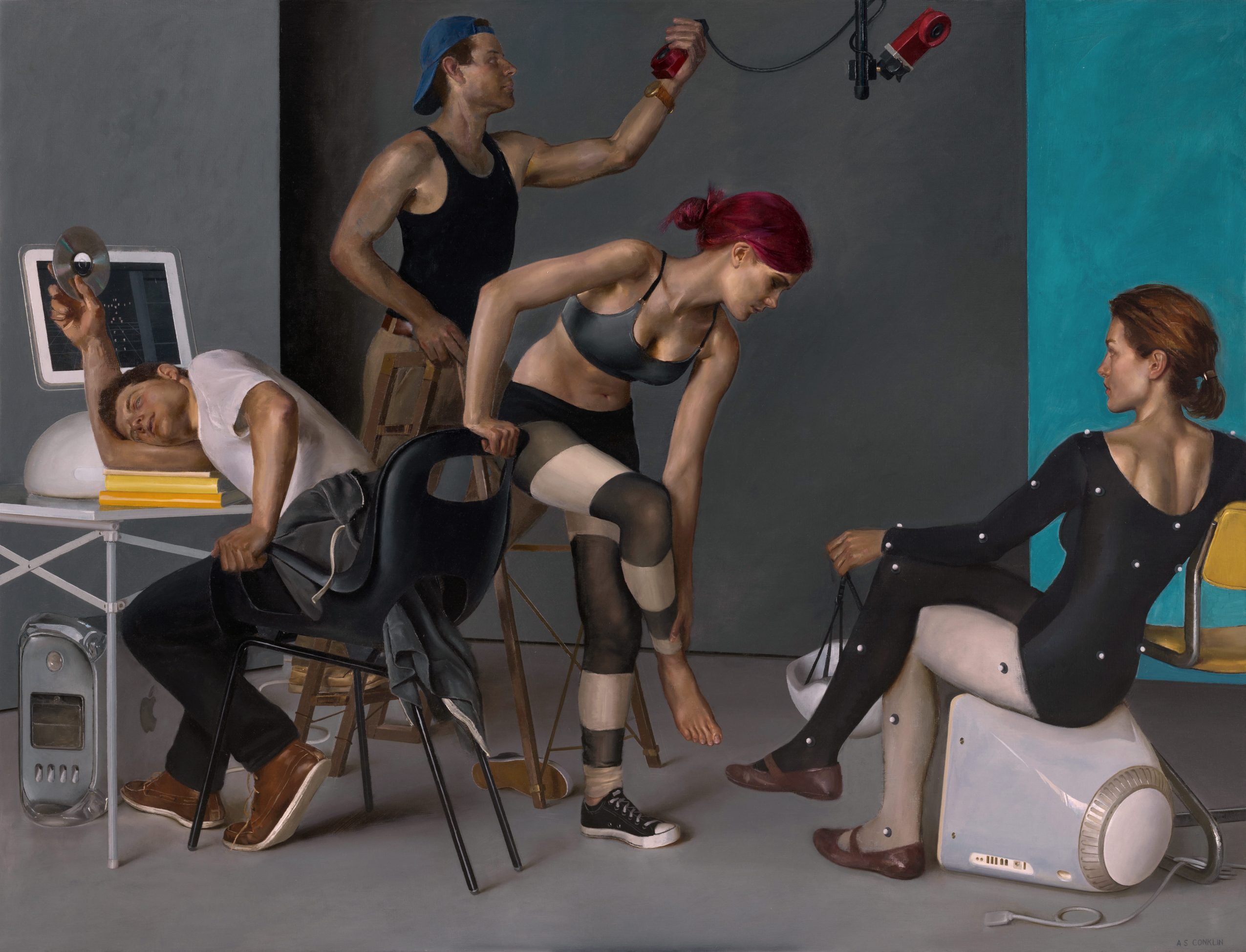 Image Credit:
James Prinz
Getting in touch: VoyageChicago is built on recommendations from the community; it’s how we uncover hidden gems, so if you know someone who deserves recognition please let us know here.


