


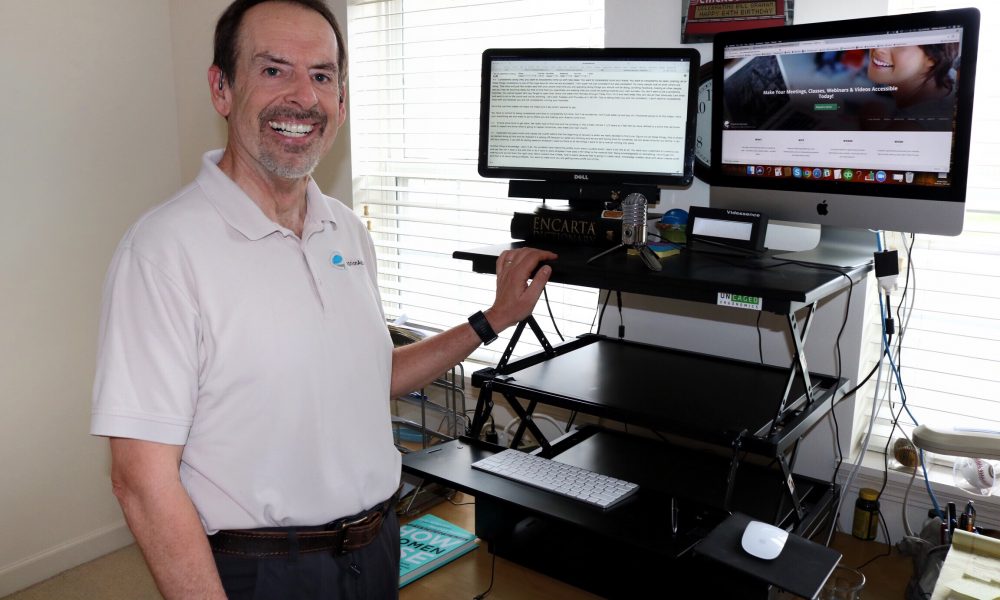
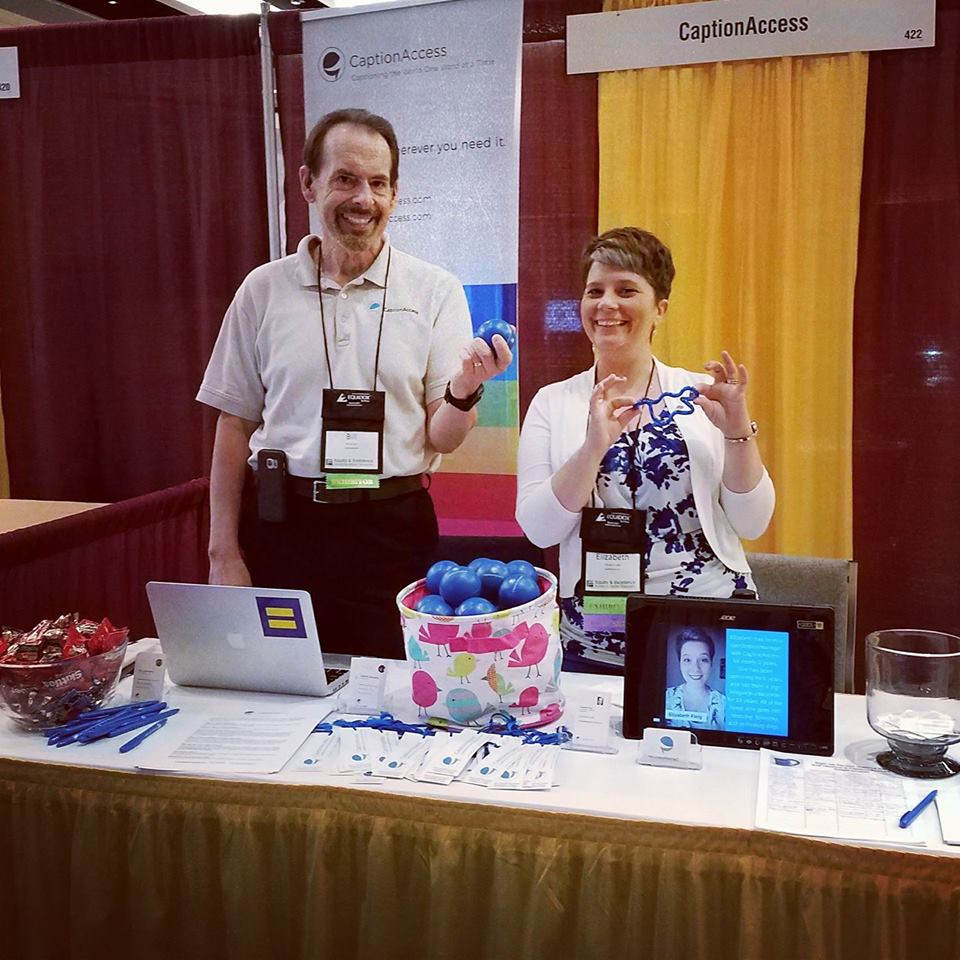
Today we’d like to introduce you to Bill Graham.
Bill, please share your story with us. How did you get to where you are today?
The genesis of CaptionAccess actually dates back to the late 1980s when I co-founded the Association of Late-Deafened Adults (ALDA), an organization for people who lose their hearing in their adult years. Our first meeting was at my apartment in Old Town. Deafened adults may struggle mightily to communicate — not many know sign language, few lipread well, and none of us fully understand speech with auditory aids. The greatest common denominator for us was reading words, and we became the first organization in the deaf and hard-of-hearing community to rely on captioning — text display of spoken words — as our lifeline to communicating with one another. I became a national leader in that community, serving on numerous local and national boards for people with disabilities, including the Gallaudet University Board of Trustees, the Chicago Mayor’s Council on Disabilities, and the Chicago Hearing Society.
For 13 years, I worked for Microsoft as Managing Editor of Encarta Encyclopedia. After the product was terminated and the team got laid off, I worked as a freelance editor but discovered I didn’t care much to edit anymore — I liked to manage projects and people. For a while I worked part-time for a captioning company, combining two of my passions — captioning and interacting with deaf and hard-of-hearing people. During this time, I noticed that voice writing showed considerable promise as a way to produce real-time captioning, rather than the traditional method of using stenotype machines. Voice writers repeat what is said and speech recognition apps convert those words to text. Historically, captioning was done using stenotype machines by people with court reporting experience. I felt that voice writing offered a means for people with manual disabilities to be captioners as it did not require extensive use of hands and fingers.
In 2011, I founded CaptionAccess with a goal of recruiting/training people with disabilities to become captioners — the unemployment rate among people with disabilities is astronomical. This would constitute a virtuous circle — people with disabilities providing accessibility services for people with disabilities. This objective didn’t pan out for various reasons, so after about six months, I had to focus primarily on building my client base.
We are the only deaf-owned captioning company in the United States. Unusual since most captioning companies are formed when people who are themselves captioners have more customers than they can handle solo. I was not a captioner and had no customers when I set up the company — pretty much the classic definition of “starting from scratch.” We now have clients throughout the United States, in Canada, and in Europe, Asia, and Australia.
Has it been a smooth road?
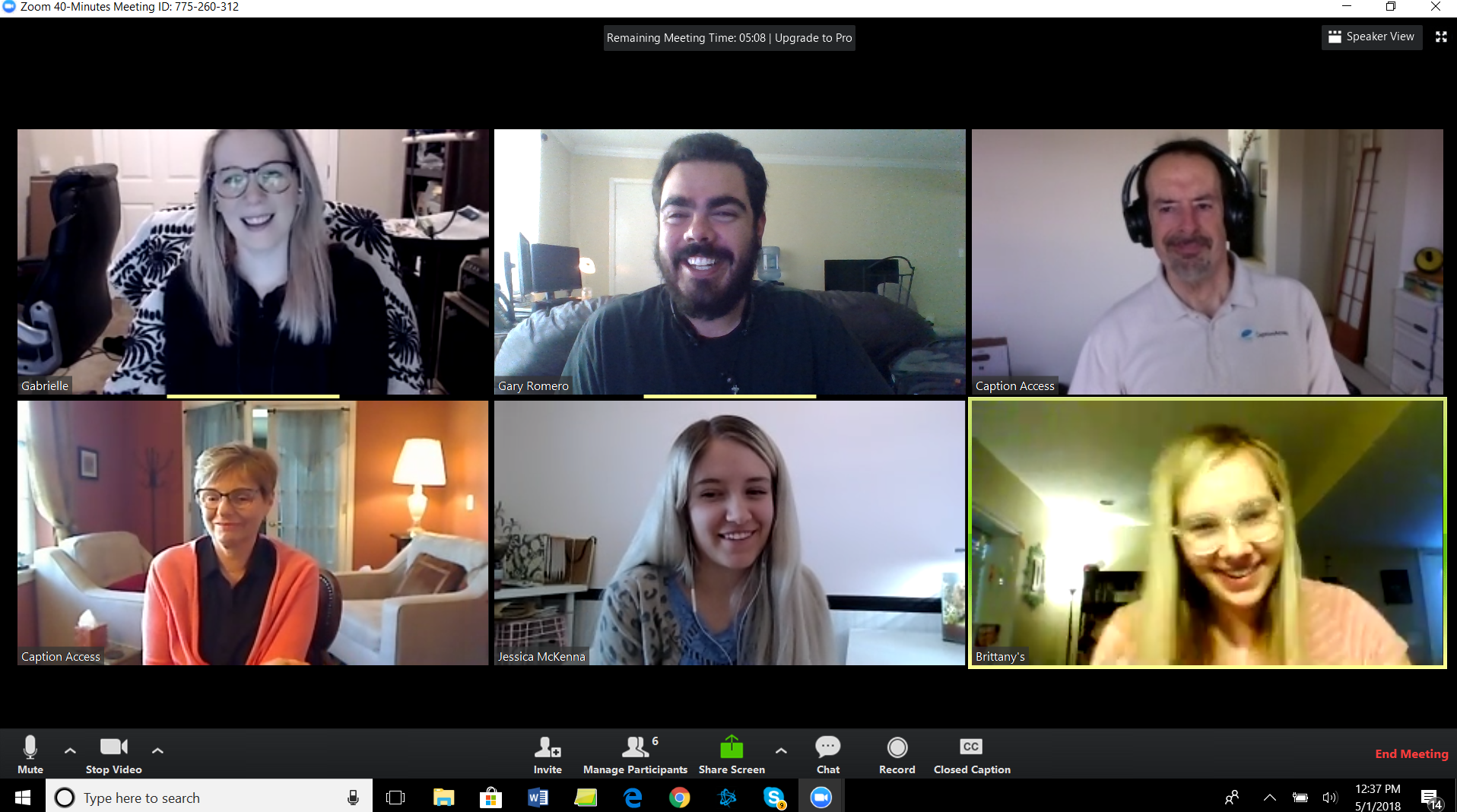
It’s hard to own a captioning company and not be able to do any captioning yourself. Somebody else has to provide the basic service and be paid to do so. My deafness was a challenge in handling operations as communication with clients and captioners and technical support can be maddeningly fast-paced. Marketing and sales also presented problems because I don’t use the phone all that well. For a couple years, I more or less did all the work of the company myself (except for the captioning). I also had zippo business background –couldn’t read a balance sheet for the life of me — and had to lean heavily on my wife Karen (who had been CEO of a sign language interpreting company) and friends-with-good-money-sense for guidance (which at times required them to have massive amounts of patience.) Gradually, our customer base grew and a couple independent contractors began helping me with administrative tasks. We now have five full-time employees and a couple part-time contractors doing admin work and tech support. They all work virtually — we have no home office — Florida, North Carolina, Utah, Oklahoma, Oregon, and California. While it has not been a particularly smooth or at least easy road, we have grown substantially year by year.
So, as you know, we’re impressed with CaptionAccess – tell our readers more, for example, what you’re most proud of as a company and what sets you apart from others.
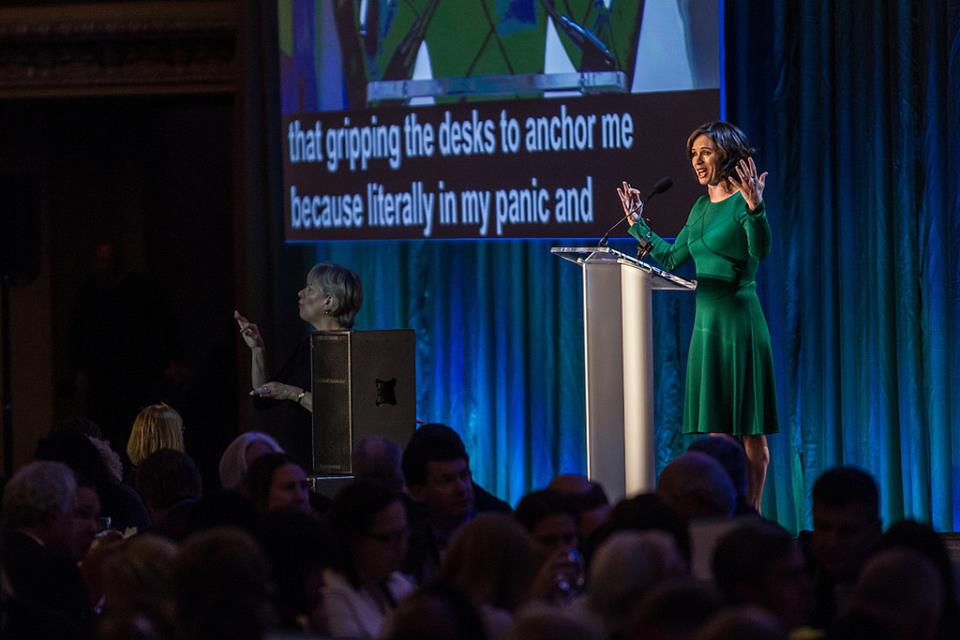
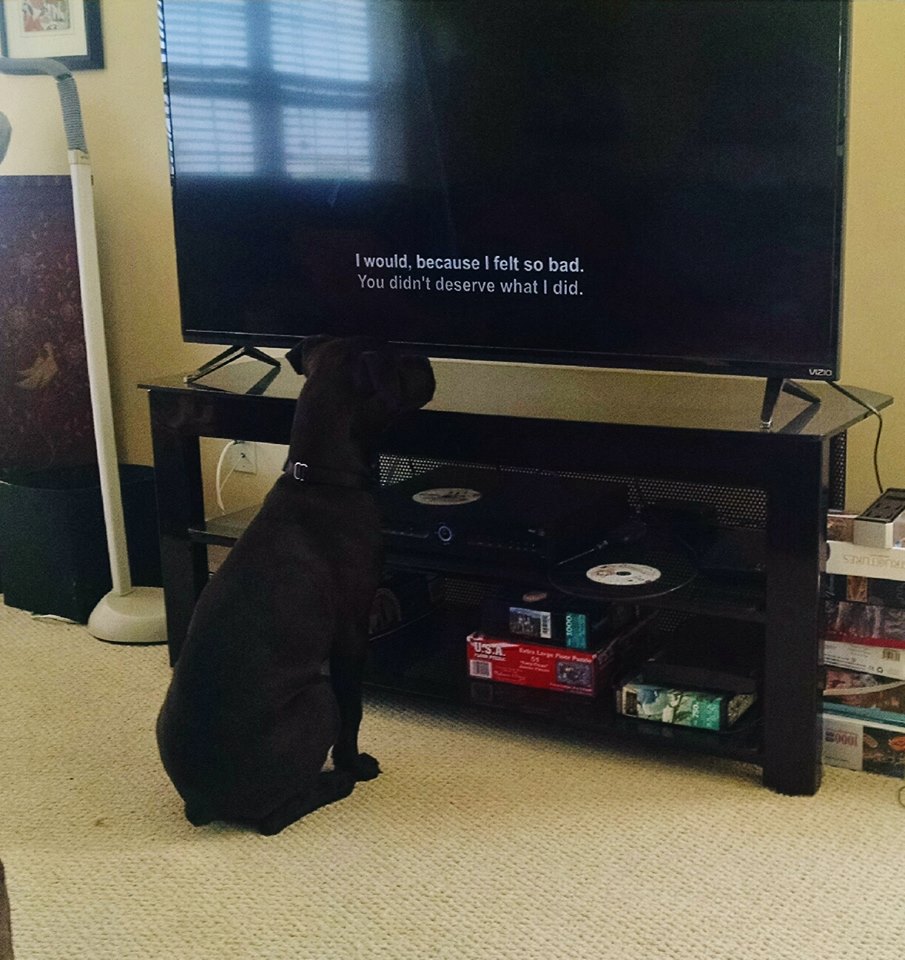
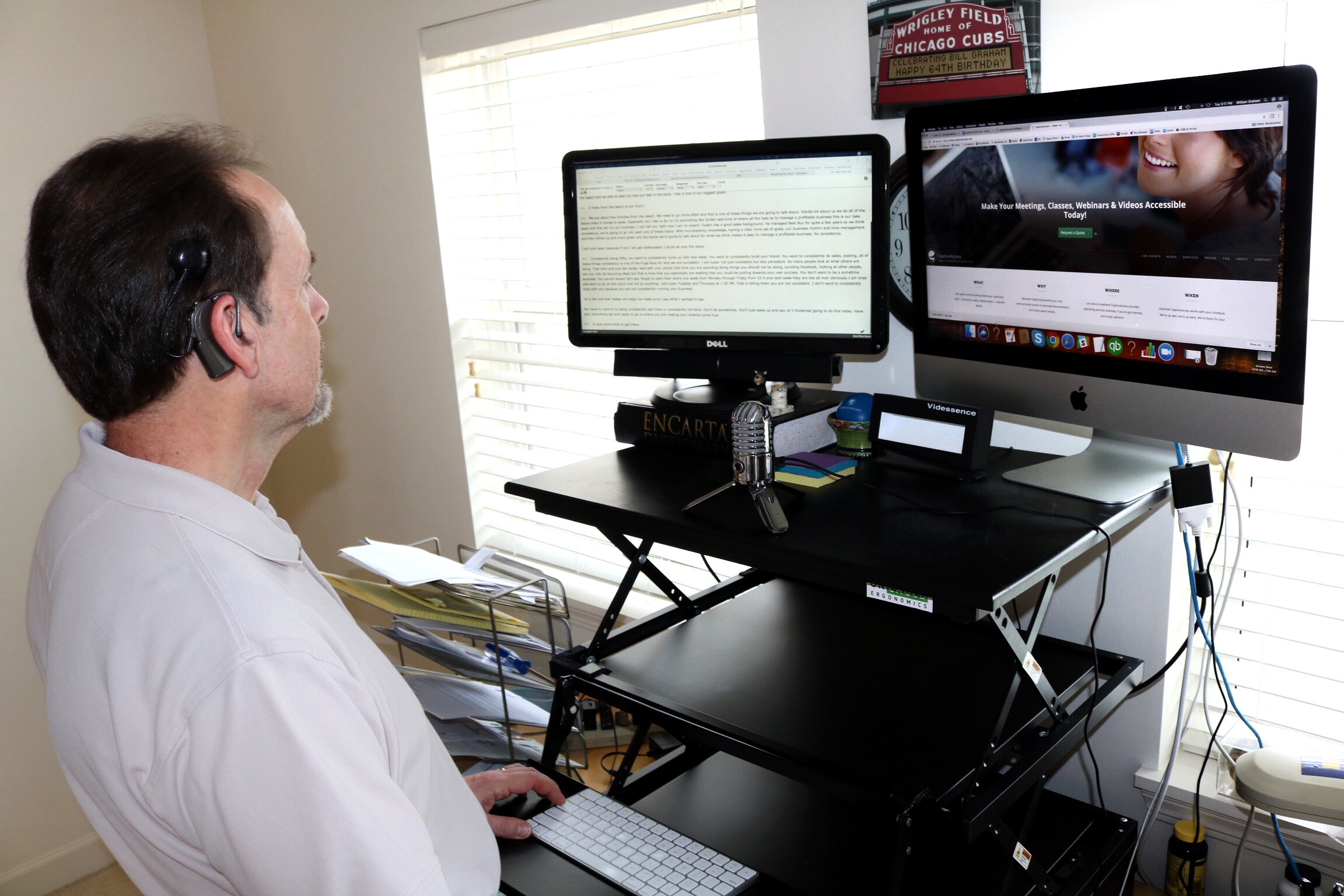
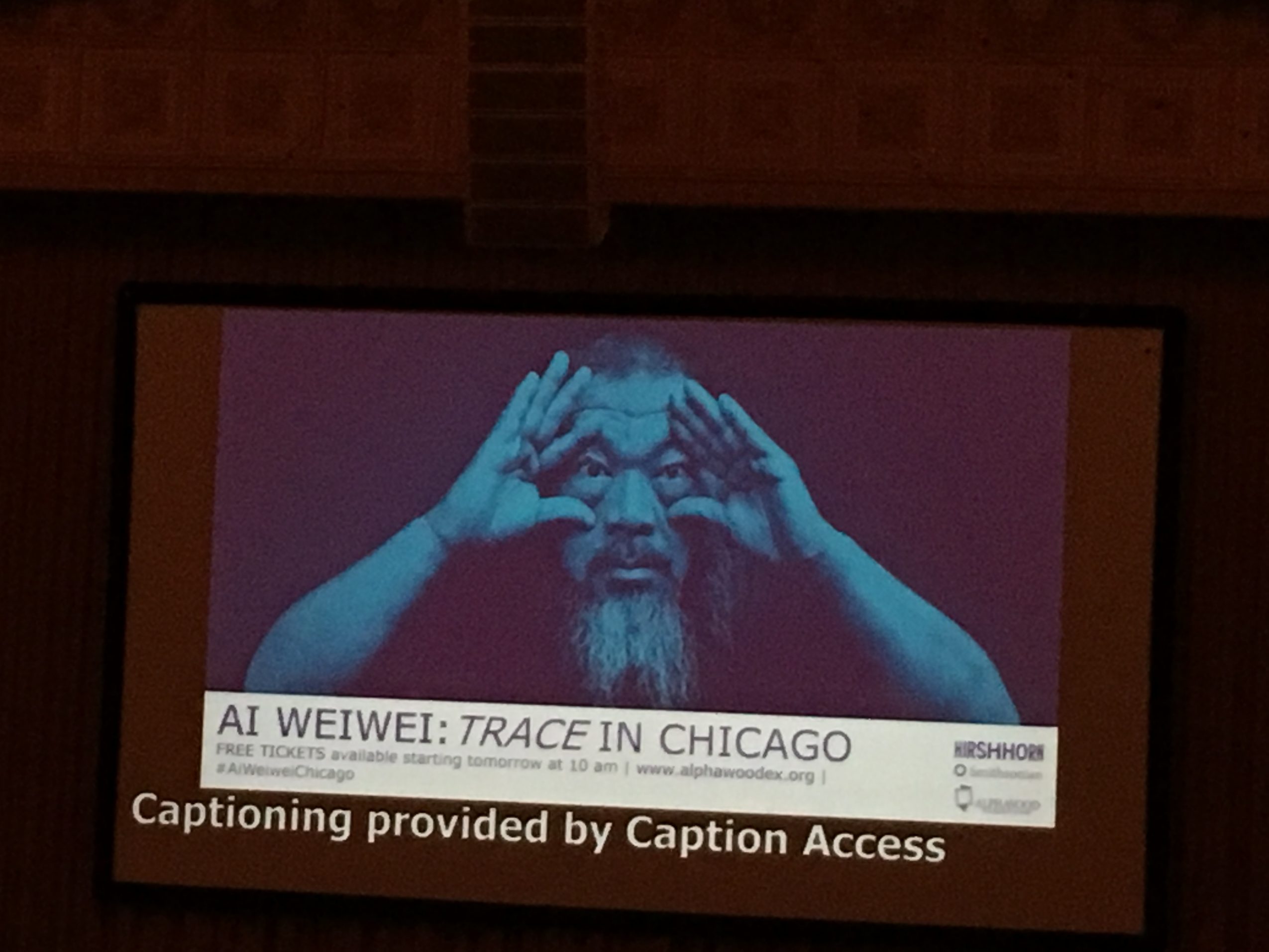
CaptionAccess provides live and post-production captioning services. Captioning is the text representation of the spoken word. You see captioning on televisions in bars, health clubs, etc. We provide live captioning for business meetings, school classes, webinars and other online events, conferences, and public performances. In almost all cases, our services are provided from a remote location. The audio is conveyed to the remote captioner in various ways: conference call, web conferencing platform (GoToMeeting, Zoom, etc), Skype, or other apps. The captions are delivered in real-time via the internet to the viewer’s desktop, laptop, or tablet computer or smartphone or embedded in the web conferencing platform. We also do post-production captioning — that is, we create captions for pre-recorded videos. The number of uncaptioned, inaccessible online videos is astounding… and makes bad business sense as captioning can increase a company’s audience reach and enhance search engine optimization (SEO). This is just as true for webinars and other live online events. I mean… get with it, people: The return on investment for captioning can be stunning.
I’m proud that I started a company late in my career and with no business background and have built it into a major player in the captioning industry. I’m very proud of our customer service, which is unrivaled. As a deaf person who relies on captioning in many situations, I want us to serve customers as I would want to be served myself. We’re unique in that we’re the only deaf-founded, deaf-owned, and deaf-managed captioning business in the United States.
Let’s touch on your thoughts about our city – what do you like the most and least?
I grew up on the South Side (Brighton Park) and lived 20 years on the North Side (Lincoln Park, Old Town, Ravenswood). I worked summers with the Chicago Park District — drove a Park District truck to every corner of the city. What do I like best? I love public transportation — I didn’t own a car until I was 38 years old. L, bus, bike, walking… it’s a great way to get around. And how can you not like the lakefront and skyline? Only a grinch would disagree. I like the city’s grid layout — it’s easy to get around. Next time, I find something in DC without doubling back will be the first time. And now, that I live in the suburbs I miss the diversity of restaurants in the city, particularly ethnic ones… what do I like least? Traffic keeps getting worse. Lack of cross-country ski trails….okay, now I’m getting fussy…
Contact Info:
- Address: 2707 Three Oaks Road, #942
- Website: https://www.captionaccess.com/
- Phone: 847.829.4423
- Email: contact@captionaccess.com
- Facebook: https://www.facebook.com/CaptionAccess
- Twitter: @CaptionAccess
Getting in touch: VoyageChicago is built on recommendations from the community; it’s how we uncover hidden gems, so if you know someone who deserves recognition please let us know here.


Wayne Giese
June 8, 2018 at 1:46 am
Great article on a great friend. Bill keep up the great work. You are helping provide a wonderful service. Thank you VoyageChicago for providing this story.
Patricia Richards
June 9, 2018 at 1:36 am
Bill,
I am so proud to know you. I know you are a successful business owner but I really enjoyed learning more about your background and how you got started. Your leadership, energy, business acumen and commitment to giving back to the deaf community makes for a compelling life story that I know will inspire all who read it.