



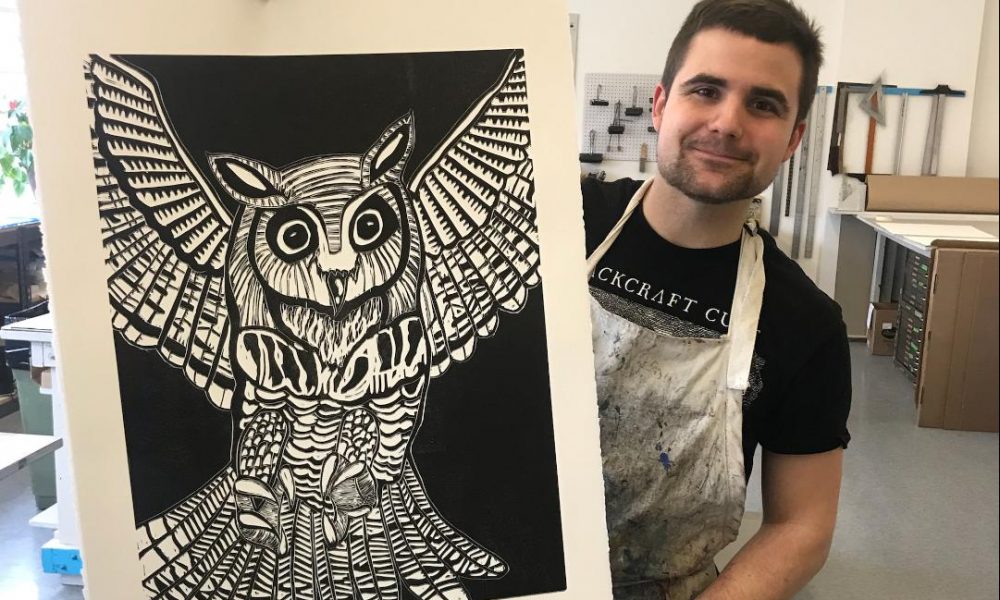
Today we’d like to introduce you to Eric Kraybill.
Eric, please share your story with us. How did you get to where you are today?
Well, I’m just an artist born in the Northern Suburbs of Chicago, at Northfield, Illinois. As a kid, I was always wondering, and drawing a lot.
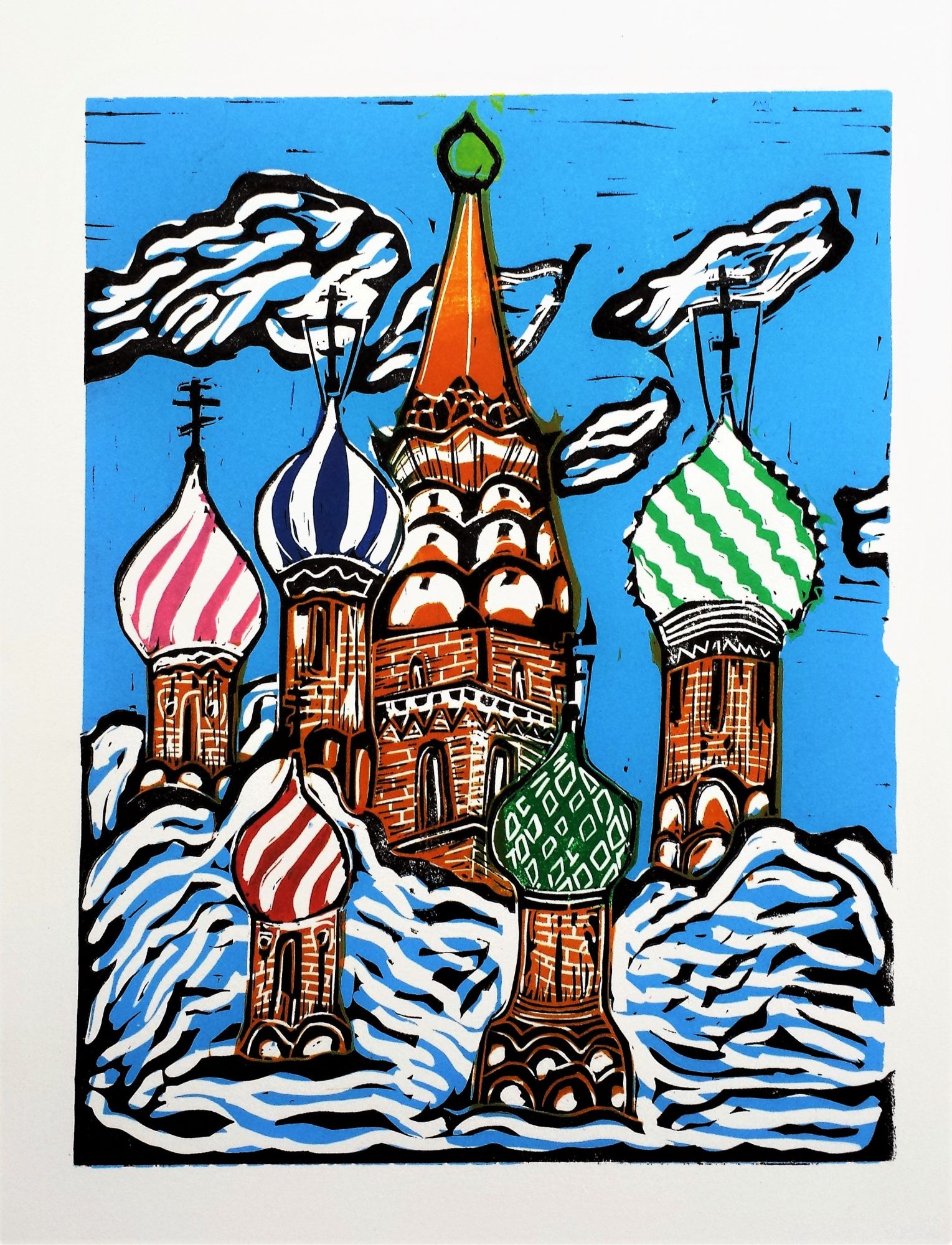
When I was three I had learning disabilities with speech. But over the years I worked hard to overcome. During this time from grade school and High school, I was often reading illustrated books or even history. After Graduating New Trier High school 2011, I entered Oakton Community for my associate’s degree. It wasn’t until my first drawing class that I began to look at the possibility of art as a career, I was encouraged by my instructor Mark Palmeri because in my works there was always these intricate stories and details. I did paintings of religious artwork such as stain glass and orthodox cathedrals.
Religious art often fascinates me in terms of the strong emotional quality of color and the strong narrative. After I graduated with associates in Liberal arts, I decided to pursue my art skills at Northeastern Illinois University. However, at my third semester at Northeastern, I started to realize the problems with my painting technique. In which how to transfer it to the media environment such as books, pamphlets, and cards. I was also challenged with how my artwork reflected my self. I was also in the library looking into different art forms particularly illustrations then I found a book on Audrey Beardsly, an English Victorian Illustrator known for his detailed and yet exotic artwork.
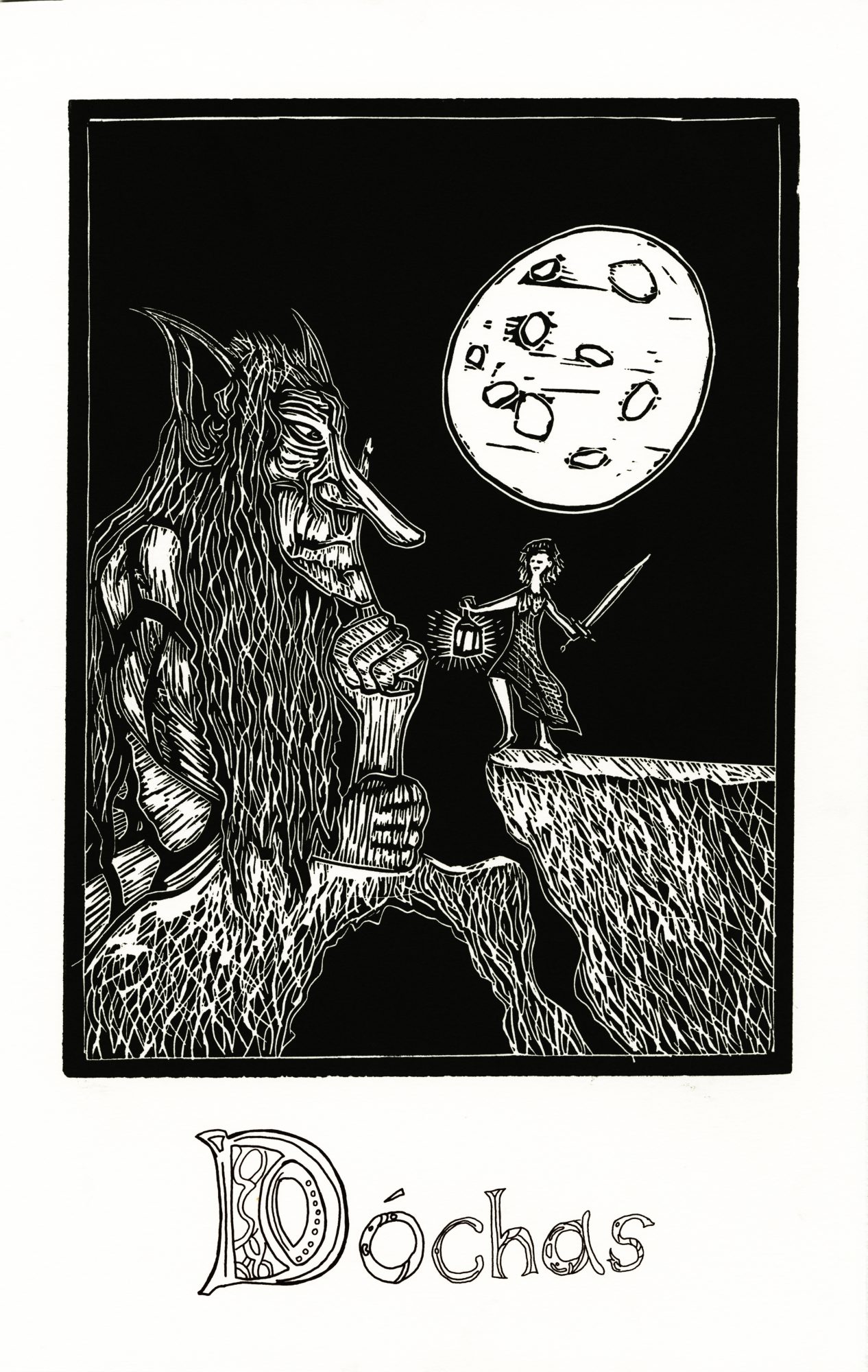
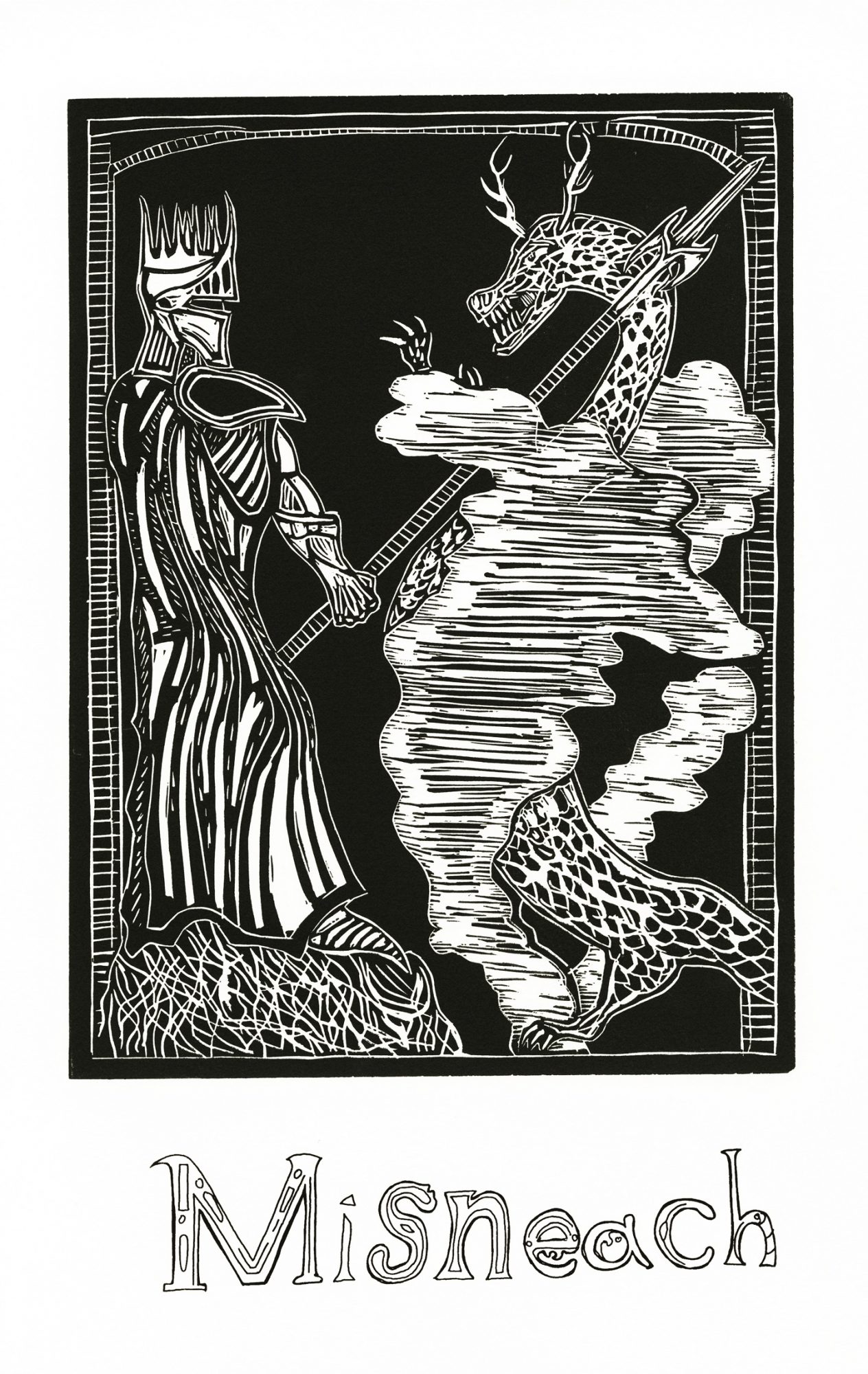
At that moment, I realized this is what I wanted to do. The medium that I knew that would work for this area was Relief printmaking. I felt this because relief prints often have this sense of tradition in creating illustrations for books, but also the artist’s handwork is represented in each cut. I worked on my first solo show called, “Aisling” which focused on the dying oral traditions of Ireland, and how oral storytelling has kept the Gaelic language alive today. The show focused on words and mythological imagery. After graduating from Northeastern with a B.A. n Studio Art, I had to face the reality that is what every artist goes through, the real world.
After graduating, I was also facing difficulties in how to expand my horizons in art. I was able to do mythological characters but how did the overall narrative represent myself as a whole. I decided to take my works into more self-reflection. I was doing works based on my own life and personal observations. In the end, I changed to be more aware of my surroundings.
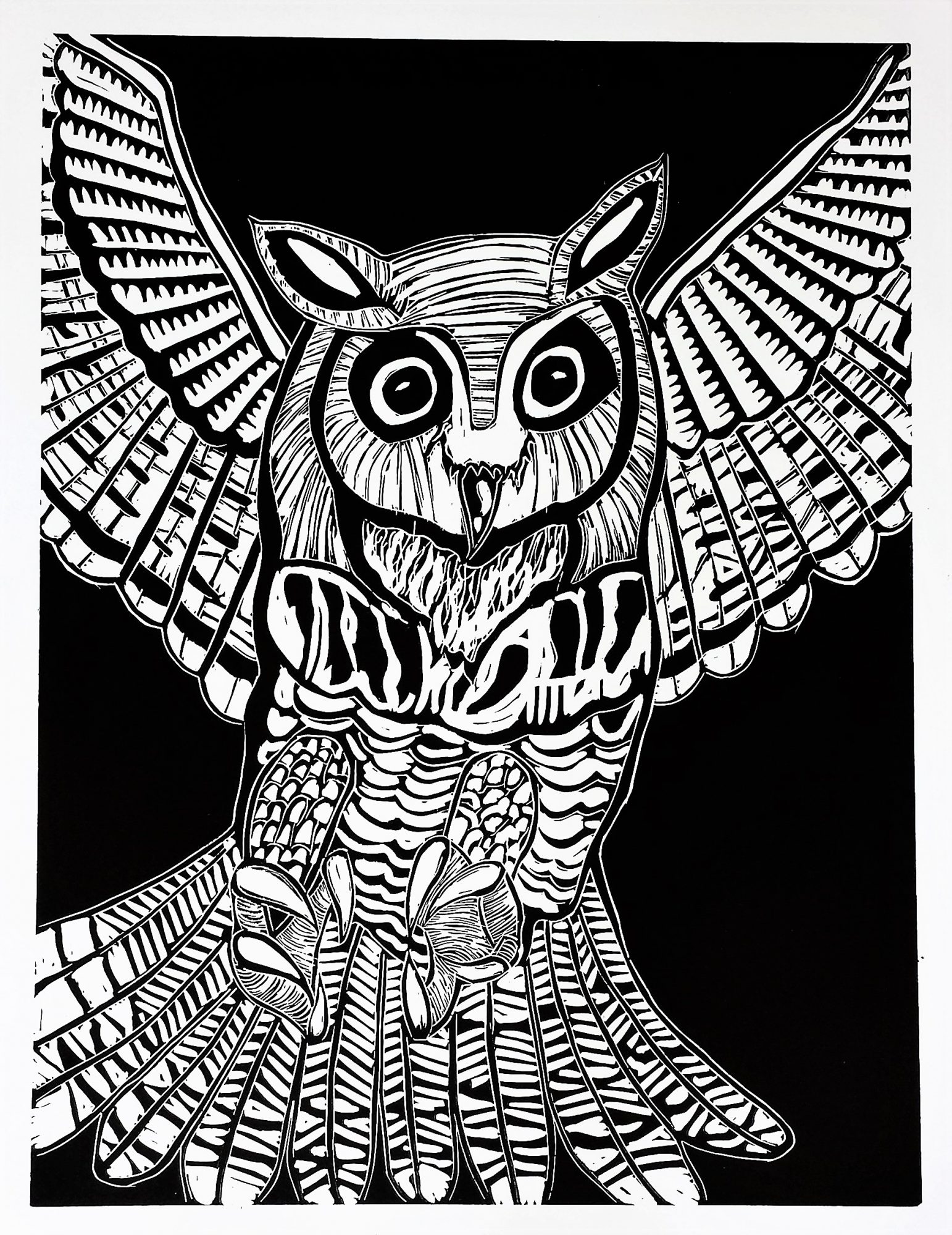
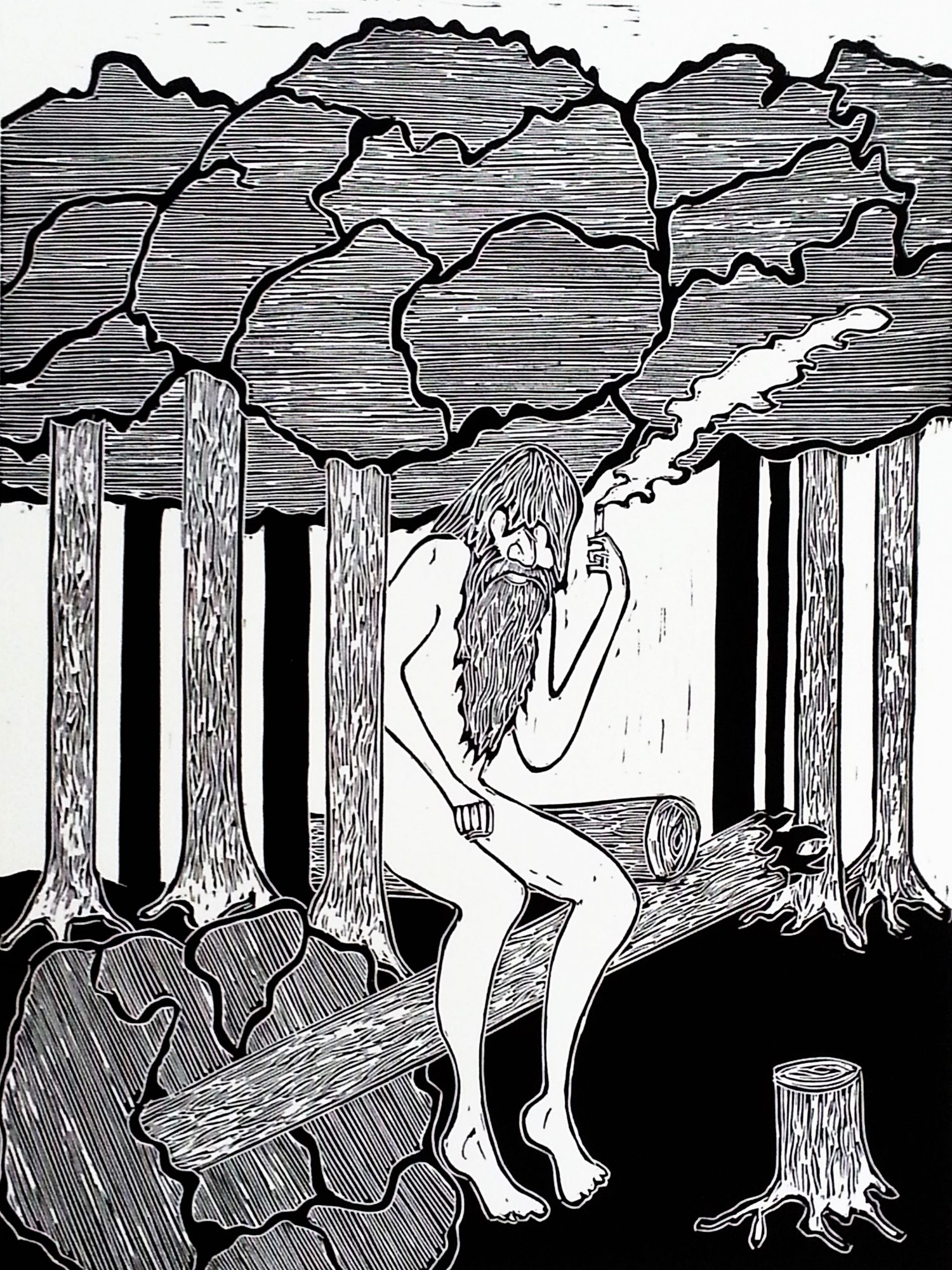
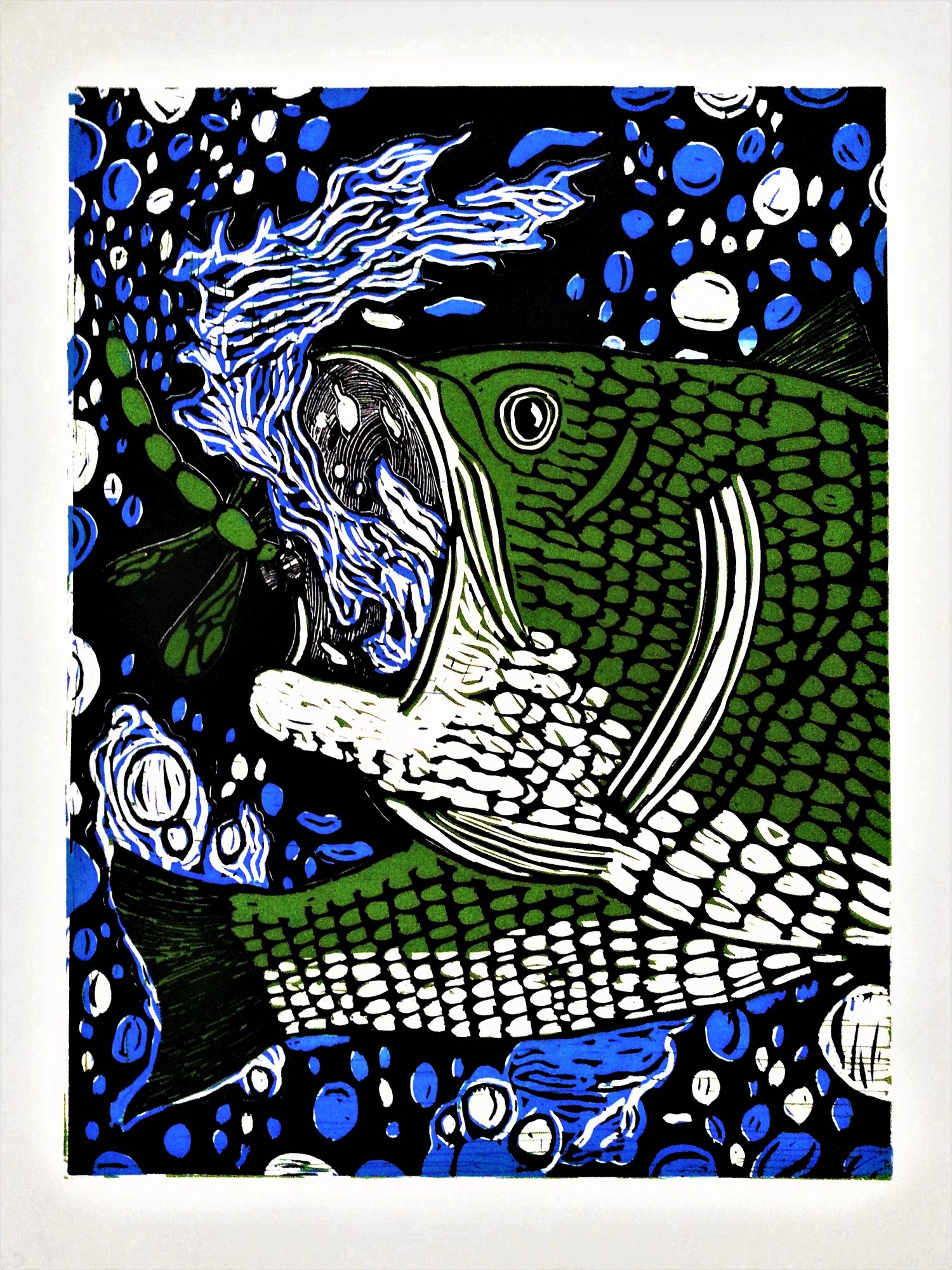
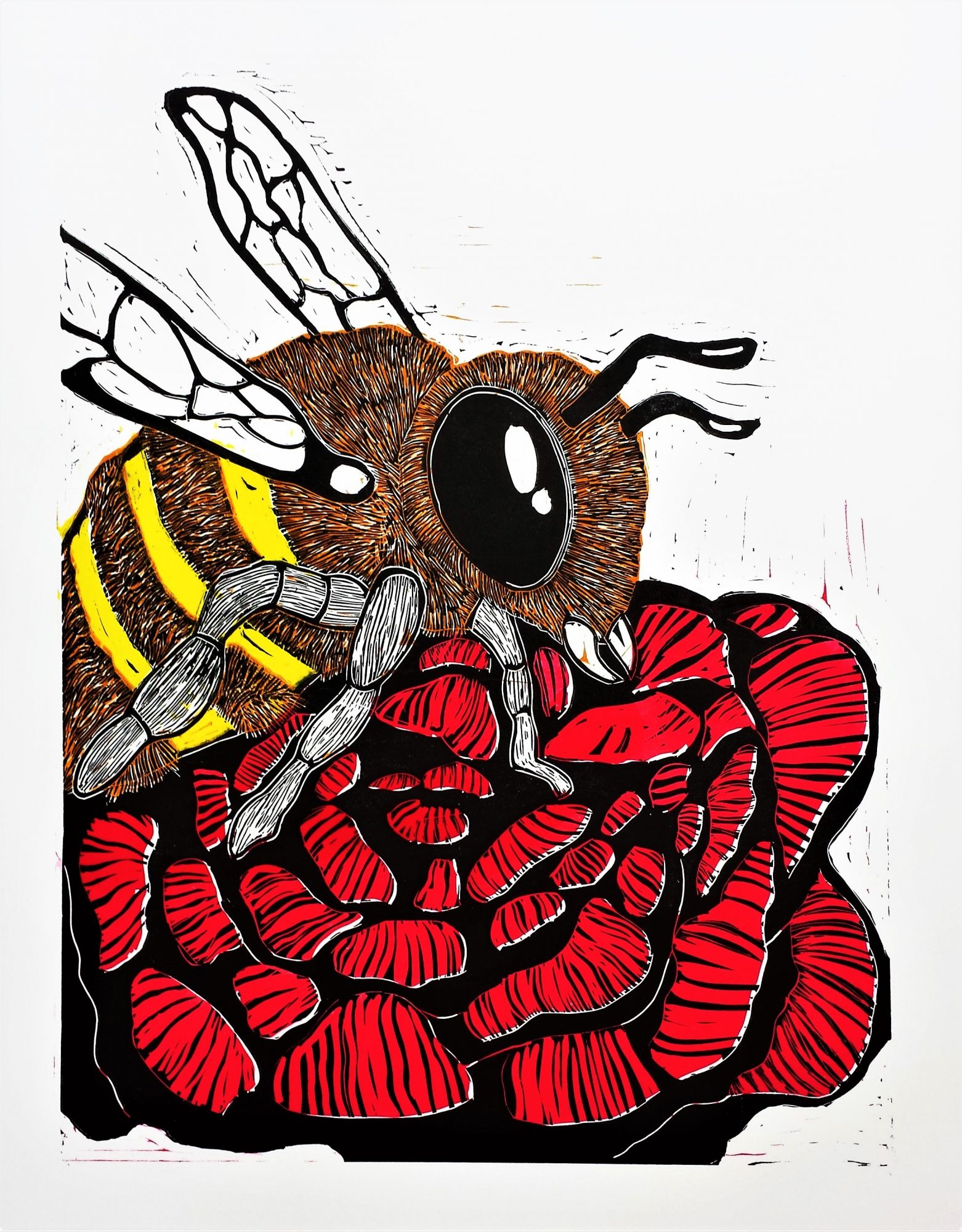
Currently, I am working on prints apart of the “Cynefin Series”, which focuses on my own personal observations of animals in their natural habitat. It also focuses on the sense of the meditative state in nature.
Great, so let’s dig a little deeper into the story – has it been an easy path overall and if not, what were the challenges you’ve had to overcome?
I’d say its one of the hardest choices to make. I had to ask myself this question a million times. Until finally realized that art and printmaking was something for me. Because I was very diligent and focused on my art. And I often felt I was creative when I was a kid. I also liked exploring new ideas in my surrounding and perception of things.
There are some emotional struggles as well, including my own personal Anxiety. But I learn to push myself to overcome those trials. In the end, a challenge helps to push yourself to better improvement with yourself as a person and your work.
The other struggle is the financial difficulties of an artist. The best thing is to always be active in the art community and do research on places like galleries and publications companies in order to learn more about your craft whether it be a teacher, studio artist, or illustrator. It’s always important to have a side job in order to provide you with some income as an artist in order to have some balance.
The final struggle of an artist is overcoming criticism. There were many times where I faced criticisms from my peers in the past. In the end, I had to realize that the only person responsible for making changes in your work is me. I had to learn to overcome my fears and learn to move into new ideas to gain progress.
Please tell us about Eric Kraybill.
I particularity focus on relief printmaking. Which involves using wood carving blades or speedball etching knives at the block to create fine details. The medium I focus on is linocut, which is basically a piece of unmounted Linoleum on burlap. you start off by drawing your image with graphite pencils on transfer paper.
The roll through a tight press and then the graphite is imprinted on your block. Then each cut does is create the white background or negative space. While the areas that aren’t cut are rolled with ink creating a great detail in line work and contrast with the image. The print once carved is rolled with Portland Black Ink, rolled in the press and the ink imprints itself on the BFK paper. The end results with a fine image with strong contrast blended, and finely detailed in each cut made.
There is also multi layer techniques which you can add multiple colors on separate blocks which are measured on a template. I like creating relief prints because not only it is physically engaging but its this strong sense in the artist craftsman ship in his cuts. I also feel this sense of challenge that the medium brings because you never know the end result of what the print will look like in the end. So you always have to anticipate each cut and proofing.
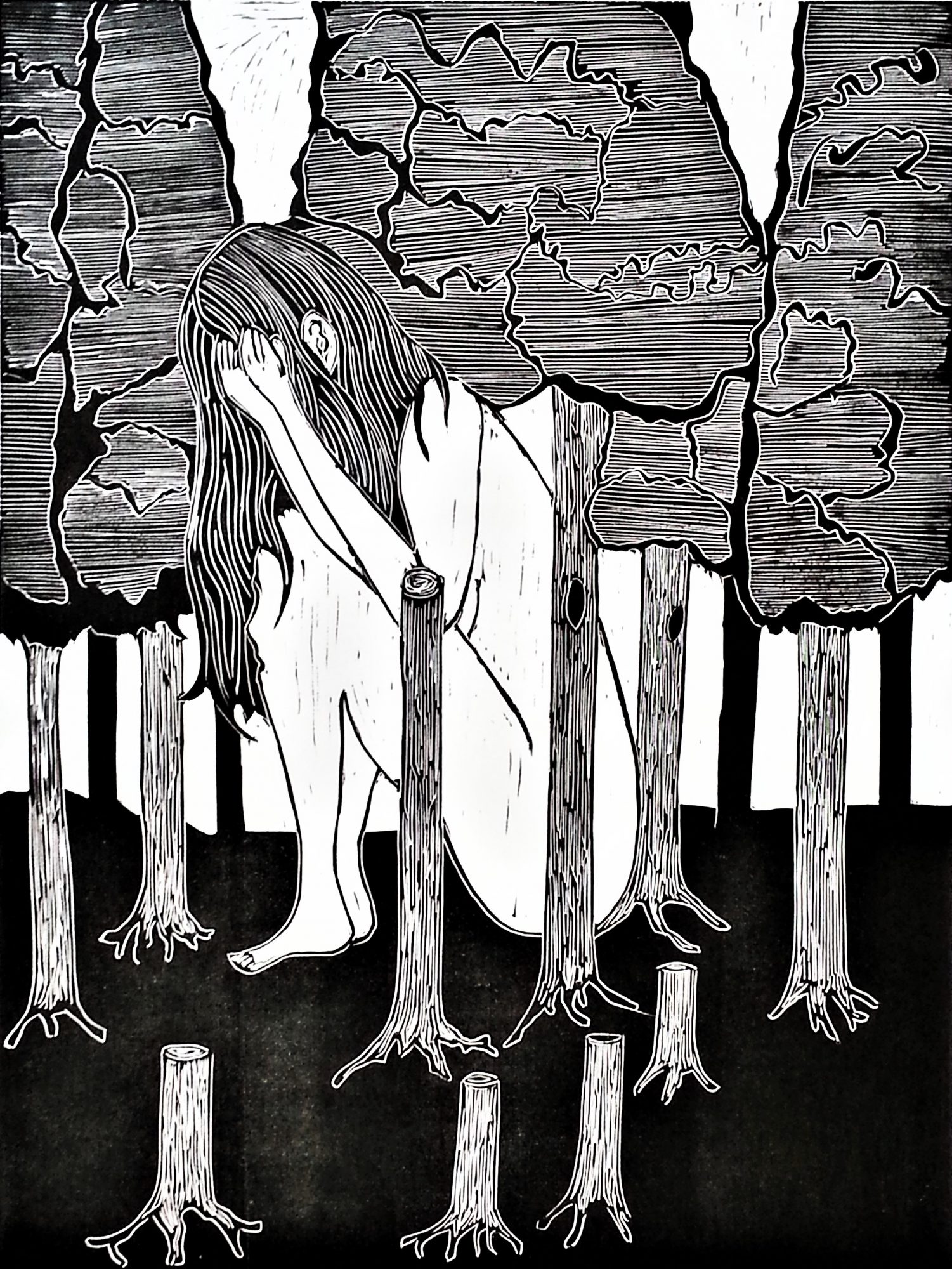
It’s a medium that has a lot of labor and follows this strong tradition with book illustrators as far back as the 15th and 16th century Europe. So it’s an industry that has progressed through the centuries and still exist today. My overall message in my work is often this sense of nature. I often want my works to convey human emotion, I want to tell a story on how we undergo our struggles in the world we live in.
What I want the audience to gain from viewing my work is this sense of spiritual connection and universality To which they can connect to the emotions of the characters each work. And transition sense of solitude and calmness evoked as well.
Do you look back particularly fondly on any memories from childhood?
I think my favorite childhood memory was often going to the bookstore, I also remembered always looking into illustrations of authors and artists. I also remember in the community school, there was a chapel, and was immediately fascinated by the churches stain glass and color aesthetics.
Contact Info:
- Address: 1571 Harding Road, Northfield, Illinois
- Website: https://edkraybill.wixsite.com/art101
- Phone: 1847-501-5463
- Email: edkraybill@gmail.com
- Instagram: https://www.instagram.com/kraybilleric_artist/
- Facebook: https://www.facebook.com/ekraybillart/
Getting in touch: VoyageChicago is built on recommendations from the community; it’s how we uncover hidden gems, so if you know someone who deserves recognition please let us know here.


