



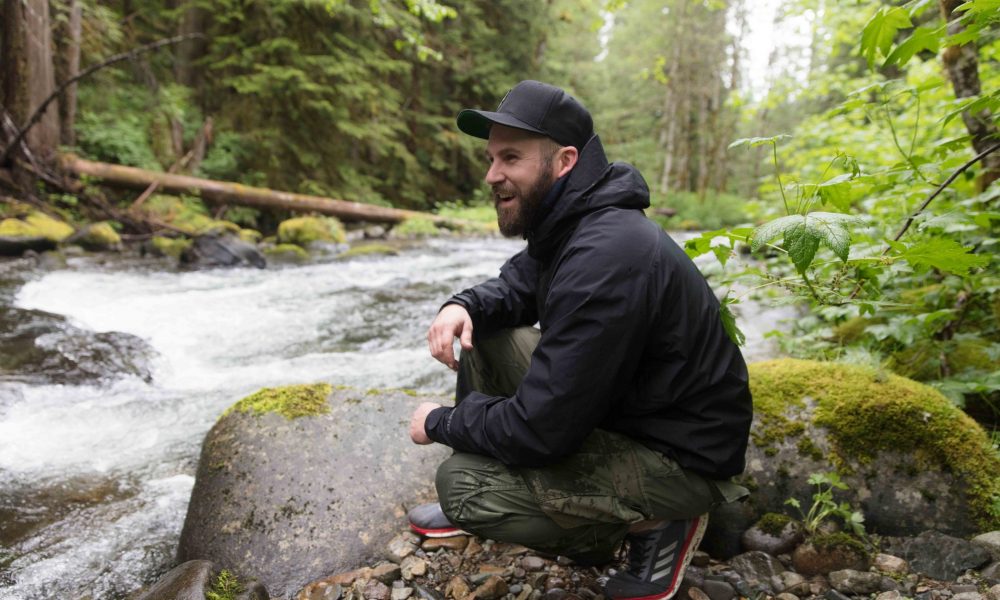
Today we’d like to introduce you to Zachary Johnston.
Zachary, let’s start with your story. We’d love to hear how you got started and how the journey has been so far.
I have always been surrounded by photography. My grandfather on my mother’s side was an avid photographer and though it was not his full-time career, it was his lifelong passion. I remember visiting my grandparents as a child in the south suburbs of Chicago. Walking into their home was like entering a small gallery packed to the bursting point with art and books. They were by no means wealthy collectors, but they surrounded themselves with things that inspired them.
Every inch of wall space was covered with a painting or a photograph and my grandfather had a small darkroom in the laundry room between the garage and the kitchen. This passion was passed on to my mother who did a brief stint as a photojournalist for a small paper in the St. Louis area when my siblings and I were very young. So for us, whether it was the torture of early morning family Christmas photos or a snowy night curled up with a random monograph pulled from the bookshelves, photography was an ever-present reality.
Though I always played around with cameras in my youth I hadn’t really had any formal training. My high school would not let me take photography classes because I had not taken the prerequisite art classes. So I graduated early and went to a local community college. That semester, while working at a horse track on the east side of St. Louis, I had my first taste (or smell I should say) of a real darkroom. I loved it. But I still wasn’t %100 sure that it was a career path for me.
In fact, when I came to Chicago to look at schools I visited Columbia College because it had a poetry major. It was my grandfather who suggested that we look at the darkroom, and pretty much as soon as I walked into Columbia’s bustling, electric, gigantic darkroom facilities I knew exactly what I was going to do with my life. Pretty much…
Photography is such a vast medium, with and an endless array of applications. But what I realized early on about photography, and is my saving grace today, is that photography does not have to be only one thing.
It can be art or work. It can be journalism or fiction. It can be snapshots or rigorously executed compositions. It can also be a mixture of multiple things at the same time. It is a tool that can open up a whole new world of experiences and places, or it can be a vessel to capture some of the overflows of passion and creativity that constantly spills from the fine artist. It can be almost anything to anybody. And realizing these possibilities in my late teens set me on the ever-evolving journey of figuring out what it means to me.
I owe a ton to the community of students and teachers at Columbia College. From John H. White, our legendary photojournalism teacher who maybe the most compassionate, dedicated person I have ever met in my entire life, to George Georgiou my dark room 3 teachers who gave a very wet behind the ears 21-year-old his first job in a professional studio.
Mentors like these and the friendly competition and camaraderie of the student body really was an incubator for talent and friendship. And even today over a decade since leaving that place, it is these principles and foundations that keep me motivated and passionate about this thing we call photography.
Has it been a smooth road?
I am not sure anyone can truthfully say that their road has always been a smooth one. That is just the nature of life. But I try to remind myself every day how lucky I have been over the years in what can be a very tough industry. I have been very fortunate to be offered some really incredible opportunities and so far (at least I hope) I have had the skills and the work ethic to make the most of those opportunities when they do arise.
These days there are more photographers than ever before. And it is an extremely deep pool of talent in which we are all wading trying to keep our heads above water. But in the face of that reality one practice that has always helped me through the tough times is to always be shooting for yourself. No matter what you have to do to pay the bills, or what “obligation curve balls” may arise, try try try to find time to shoot from the heart. Find time to shoot for yourself. Fight as hard as you can to keep that youthful passion for the medium alive.
It is easy for the politics of the gallery world, or the commercial world, or the world of journalism to feel like a massive weight on your shoulders. But a lot of the time those are passing emotions, and if you can just carve out moments here and there to stoke the fire inside, most of the time you come out on the other side stronger and more dedicated. The specific struggles of photography are as various as the possibilities of the medium. For me, one that has always been a common factor is self-doubt. I find that I can be the harshest critic of my own work.
But it is also this self-consciousness I think that drives me to work a little harder, to push myself a little farther even when the client (or whoever) might be completely satisfied with “good enough”. Managing the roller coaster of emotions and struggles is not a science, and I can’t say that I have any concrete answers, but I do believe that one can make a conscious effort to keep their passion alive, and sometimes in the hardest moments that passion will be the only thing that brings you back out of a temporary funk.
So let’s switch gears a bit and go into the Zachary James Johnston Photography story. Tell us more about the business.
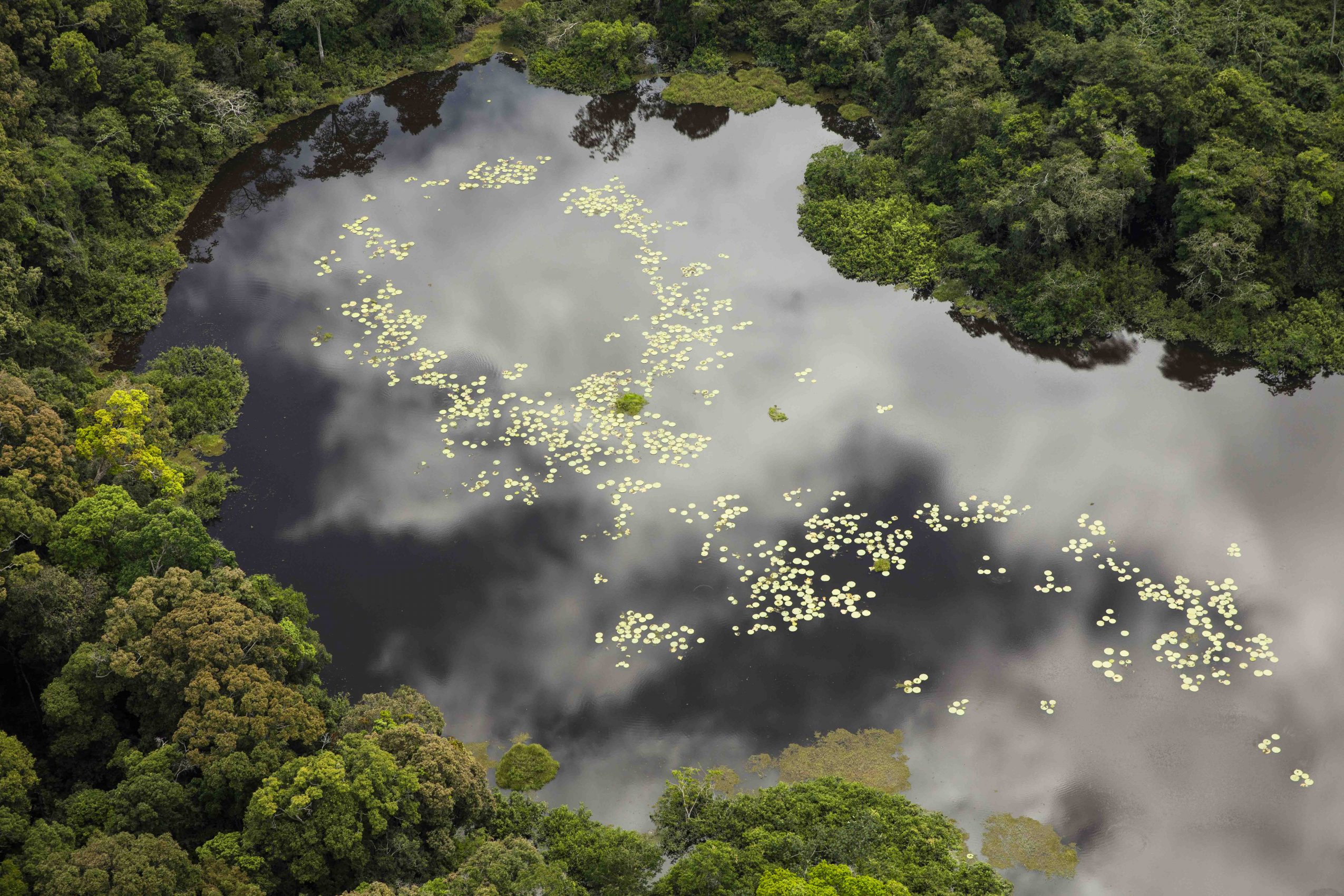
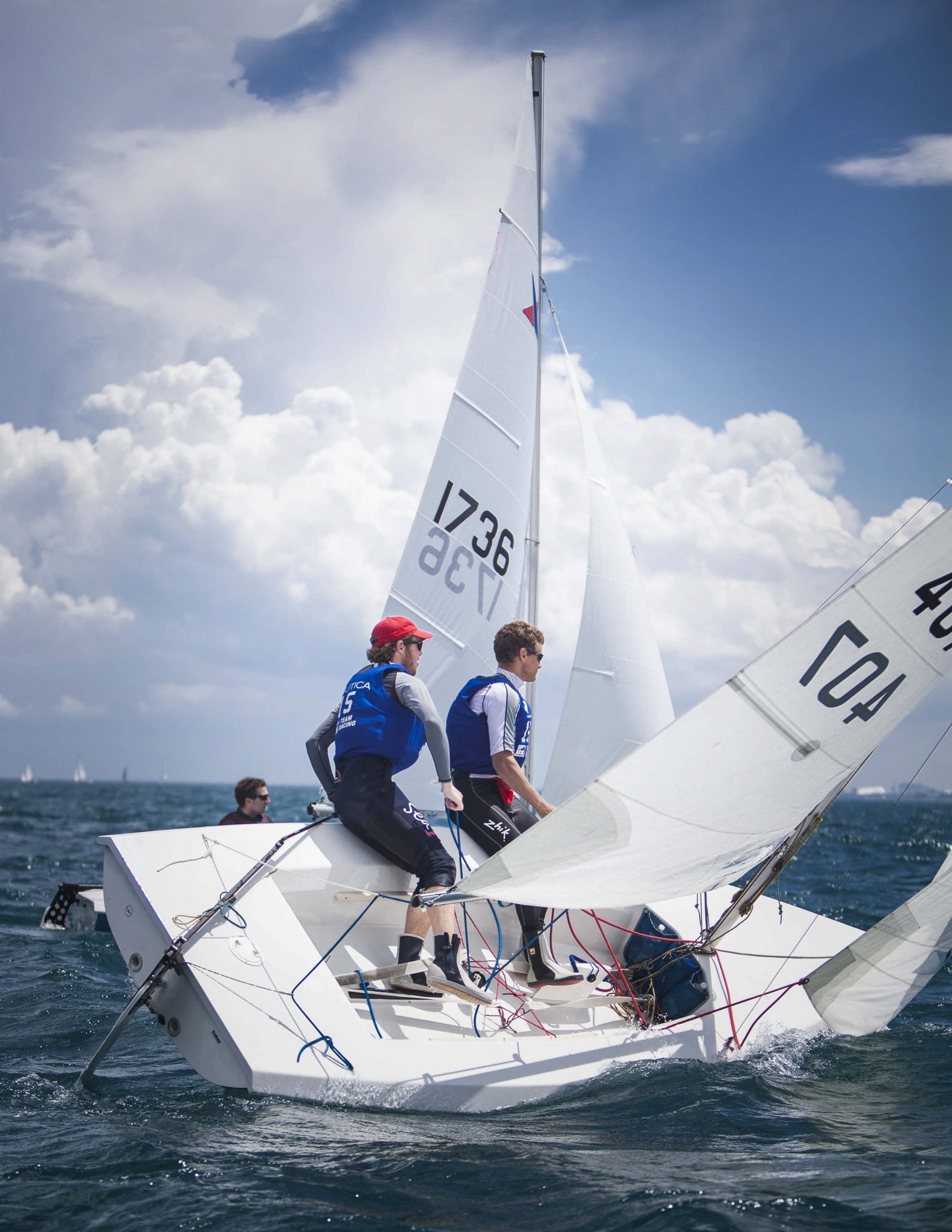
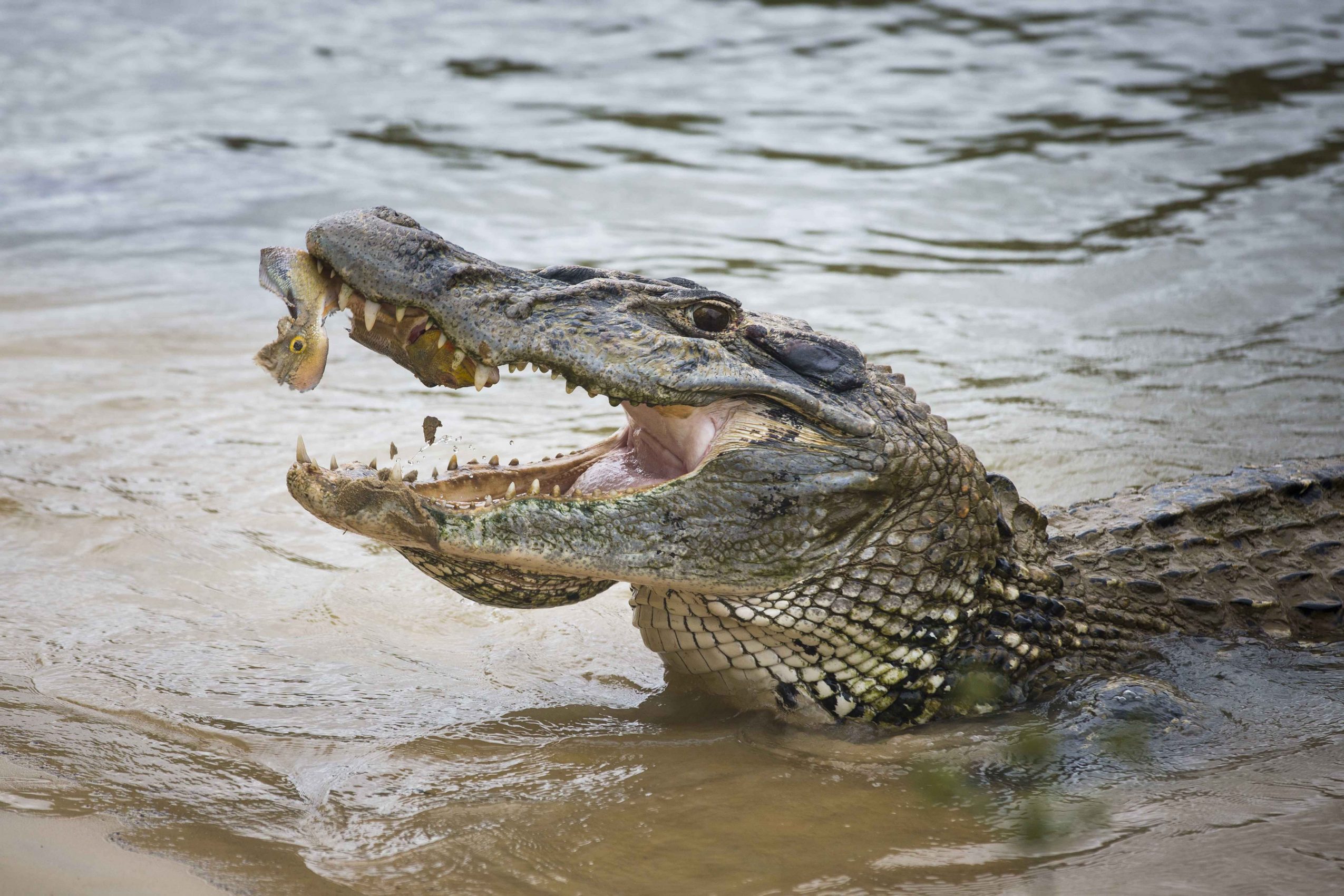
Since going back to full-time freelance in 2012, my business has been very diversified. Some days I am collaborating with a chef shooting food in a restaurant and other times I am shooting a sailing regatta in 8ft swells. When people ask me what I shoot I give them the Wheel of Fortune answer and say, people, places and things. I know that some successful photographers would advise a young photographer to find a few specific things to specialize in and hone an identifiable style over time.
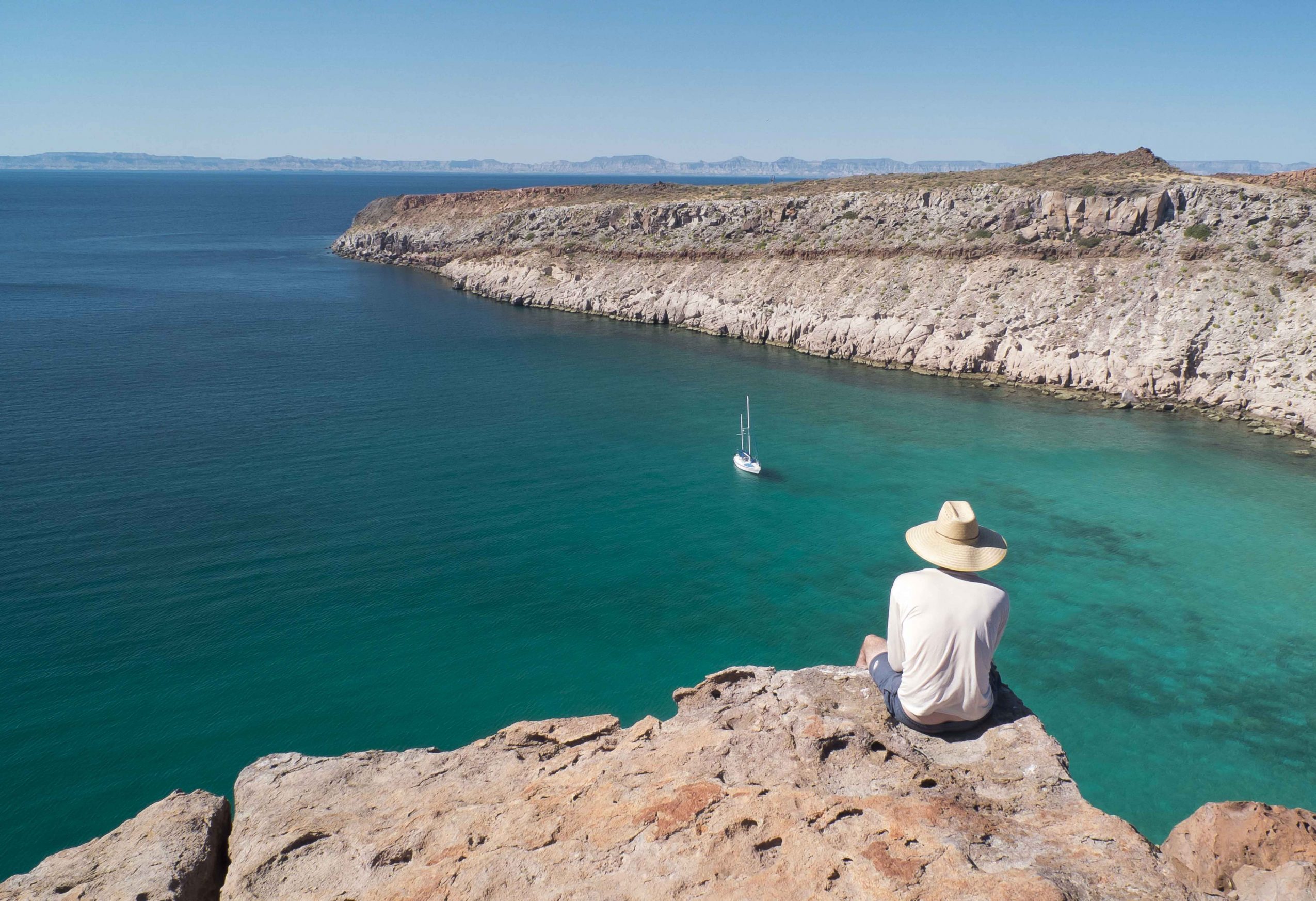
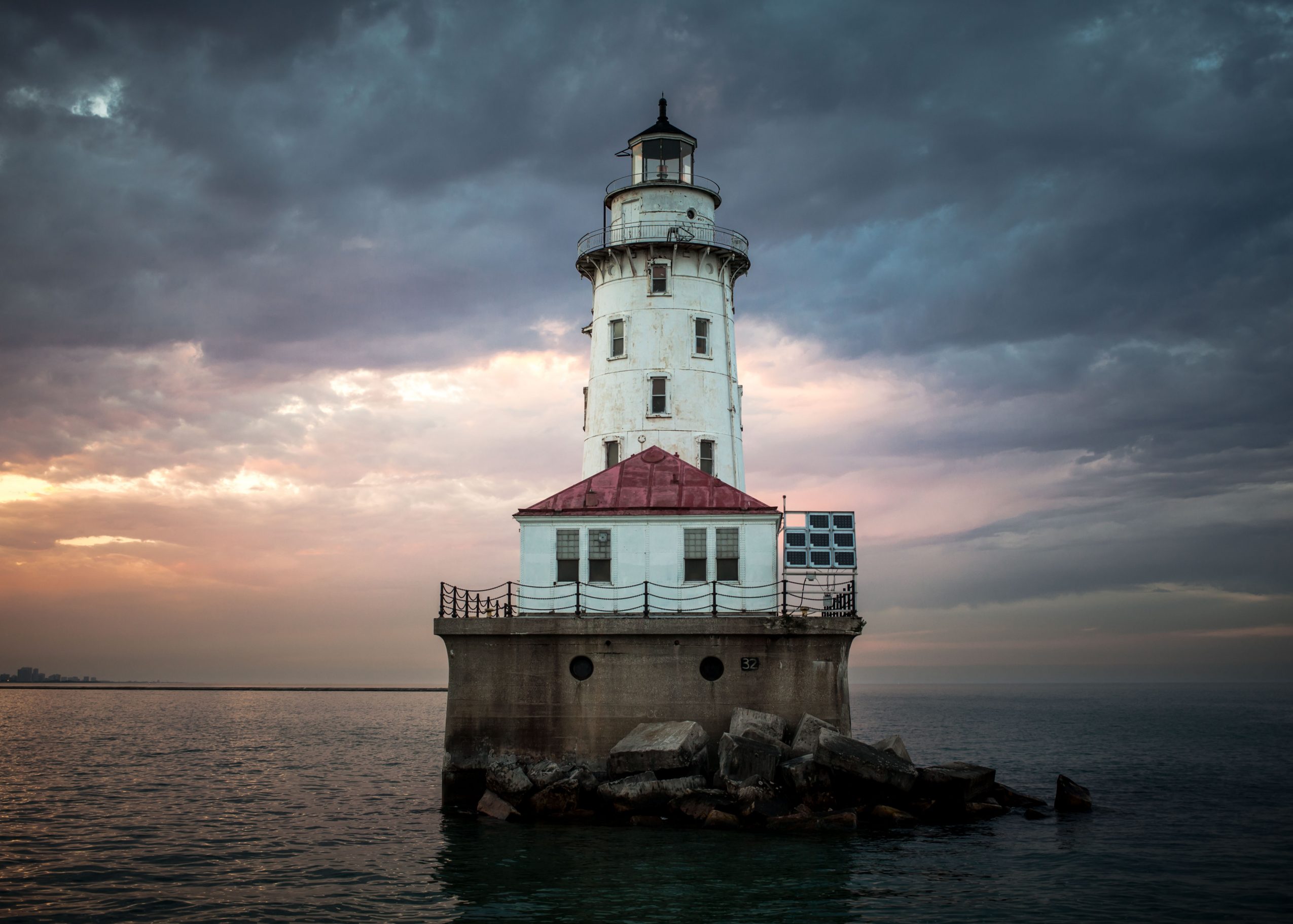
For me, though I really enjoy the variety. I like it when every day is different and I find that most of my clients are always interested to hear about the “other stuff” I have been shooting and the places it has taken me. I would say that I still lean toward a more photojournalistic style and that most of my personal work would probably fall into a sort of storytelling sphere, but at the same time, I also love an intimate portrait session in the studio. Though if I were posed the kind of “you can only shoot one thing for the rest of your life” type question, I would definitely have to say anything on the water.
Growing up around the Mississippi River I have always been fascinated by water. When I moved to Chicago I would work on the tour boats in the summers. Through that job I met a few sailors and merchant marines and from there started exploring the great lakes and inland waters ways of the upper midwest always with a camera slung over my shoulder. Over time it has been this passion that has been a launching pad to send me on some of my most memorable shoots and if one were to look through my work as a whole it would be these images that are the greatest representation of my personality.
How do you think the industry will change over the next decade?
Wow, this is one of the questions you can lose sleep over if you really think about it too hard. Being someone who learned in the darkroom it seems to me the industry has been on an exponential curve of change for a long time. We now live in an age where everyone is constantly under attack by a barrage of imagery. And with the development and accessibility of certain relatively new technologies (probably don’t need to name them here).
I feel that we have witnessed a fundamental shift in the way we as a society interact with the still image. Whereas in a not too distant past it seemed that our interaction with the photograph whether fine art, journalism, or advertising, was a much more active one, now it seems a very large portion of society uses photography or imagery to kill time. Instead of something that engages us and causes a visceral reaction, it is too often used to tune out for a few moments, to mindlessly “scroll” through pictures at a speed too fast to process any information so as to distract from perhaps a boring commute, or to fill a gap while waiting for a friend to arrive at a bar.
This move toward photograph as a distraction is the thing I fear the most. As for the industry, I think this creates a lot of opportunities to reach a greater number of people. But for photography, I would really like to see more of a shift back to the active interaction, if that is even possible. That being said, I would refer back to what I was saying to your question about the struggles of this craft.
It can be easy to look at all the new technological developments that are coming out and be intimidated. It is easy to see something you love and are familiar with going through drastic uncontrollable changes. and become discouraged. But if at the end of the day you can pick up that camera and head out the door and shoot from the heart, if you can still find passion in the act of creating images and not get jaded by all the noise, then you know you are doing something right.
Contact Info:
- Website: zacharyjamesjohnston.com
- Email: zacharyjjohnston@gmail.com
- Instagram: @zacharyjjohnston
Getting in touch: VoyageChicago is built on recommendations from the community; it’s how we uncover hidden gems, so if you know someone who deserves recognition please let us know here.


