




Today we’d like to introduce you to Kelly Eddington.
Every artist has a unique story. Can you briefly walk us through yours?
When I was four or five, my mom asked me what I wanted for Christmas. “A scribble pad.” That was a pad of 9”x12” newsprint that retailed for around a dollar. “What else?” she asked. I already had crayons, so I was legitimately stumped. I grew up in rural, west-central Illinois. Drawing was my favorite thing in the world along with playing in the pasture behind our house, where I made forts out of paneling scraps, looked for monarch caterpillars, and hid from the ponies. (My grandparents had ponies, strangely enough, and I think I kind of assumed everyone else did, too.)
My love of art continued during my years at school—I was the only one in my grade who found any real pleasure in it. My drawing style evolved from child-art to realism when I was 13. I felt like some kind of veil had lifted and I could really see. My right hand and my brain became best friends, and suddenly I could draw whatever I wanted. I was an overachiever in high school, and I knew that one day I would have to choose between art and math.
During the summer between my junior and senior years, I wanted to paint. I had been exploring acrylic painting in my art classes, but the only paints we had in the house were a set of watercolors that belonged to my three-year-old sister. I spent the summer painting with those sad little watercolors and their awful plastic brush on drawing paper so thin that it turned a translucent gray whenever I’d flood it with too much water. Even though this setup was less than ideal, I fell in love with watercolor, and once I got my hands on decent brushes, acceptable paint, and actual watercolor paper, it became so much easier. All thoughts of studying math in college went out the window.
I loved being an art major at Western Illinois University, and those years flew by. After completing four semesters of required courses, I was finally able to study watercolor, and I didn’t even have to think about it—I knew that this was officially my medium. After graduation, I became a graduate student in art education at the University of Illinois at Urbana-Champaign. My father was a teacher, and my working-class background dictated that I would need to make a reliable living once I was on my own. Teaching art seemed like the way to go.
I taught art for seventeen years in two medium-sized Illinois public high schools. I didn’t marry until I was 39, and teaching allowed me to support myself and pursue my painting every summer. I spent the bulk of my twenties exploring abstract expressionism before returning to realism in my thirties.
Teaching at its best is the most fulfilling job imaginable, and I loved helping students discover talents they didn’t know they possessed. My first teaching position was wonderful, but after eleven years my job became increasingly difficult, with classes loaded with forty students and no money for supplies. I accepted another teaching position at a different school, but its breakneck schedule and factory-like environment burned me out in a hurry. I found that I was jealous of my students. I wanted to be the one doing the projects. Teaching at its worst can be crushingly repetitive, and eventually, I experienced “I shouldn’t be here” feelings every morning when I pulled into the parking lot. So, eight years ago, I took a giant step and quit teaching in order to pursue my painting full-time, and while I have to hustle for every dollar I make, I have never been happier in my life.
Please tell us about your art.
I create watercolor still life paintings that are highly realistic. My palette is bold and bright, and I delight in creating objects that are shiny, reflective, colorful, and difficult. Some of my contemporaries “own” certain subjects such as Ball jars, peonies, or musical instruments. In my quest to find original subject matter, I’ve ventured into antique jewelry, marbles, candy, and glass gems. I like to create intriguing juxtapositions in my paintings. Occasionally, the arrangements of my objects help me tell stories.
These watercolors can take anywhere from two weeks to two months to complete. My approach is meticulous and time-consuming, and I think this helps my viewers understand how important my subjects are to me. If items as mundane as marbles on a piece of foil are worthy of my extended, intense study, then maybe everything my audience encounters in their daily lives deserves a second look.
My approach to portraiture is similarly meticulous, and last year I created a series of watercolors starring members of my family during quiet moments, especially my sister and her daughters. I am addicted to the moment when my subjects come to life.
Over the past fifteen years, I have had an extraordinarily geeky side gig creating comics and illustrations for a U2 fan site. I have painted the band literally hundreds of times, and this (admittedly bizarre) practice has made me a better and faster portrait artist in general. I showed my U2 paintings at the Rock and Roll Hall of Fame in 2016, and a few months ago Bono himself said my work was brilliant, so that made my fangirl life complete.
While still life and portraits will probably remain my focus, my biggest inspiration has always been the beauty of nature. Painting landscapes can overwhelm a detail-oriented painter like me, but this year I have been dipping my toe into watercolor landscapes. The colors and shapes I see in even the most boring landscapes blow my mind sometimes. I love to look at a stubbly, harvested cornfield in afternoon light or swirly snow drifts by the side of a ditch after a blizzard: there is no better sculptor than the wind. I feel like I must annoy my husband whenever we take a walk in the fall because I can’t see a red tree without pointing it out to him. It’s really kind of a problem.
I currently live with my husband Jeff in a forest in northeast Missouri, so my ties to Chicago are tenuous at the moment. But my stepdaughter Melissa lives in Chicago and works as a head bartender at Fisk & Co, and Jeff and I visit her whenever we can. My other Chicago connection is the late, great Roger Ebert. I used t0 follow him on Twitter, and one time, he tweeted that he always looked for books on film criticism in bookshelves in the backgrounds of movies, but he had never seen any. Coincidentally, I had just completed a portrait of a little girl named Mabel, and one of Roger’s books was on a shelf behind her. I brought this to his attention, and he blogged and tweeted about my work and was a pen pal of mine until he died. We even sort of collaborated on my painting Abandoned Knowledge (he sent me a photo by his Chicago Sun-Times colleague Andy Ihnatko and said, “You should paint this,” so I did). I got to meet him at Ebertfest, his film festival in Champaign, which was a thrill. He was unable to speak and communicated via a small notebook and pen. He introduced me to one of his friends by writing the word “artist” on his notepad. And then he underlined it. And then my mind exploded.
Do you have any advice for other artists? Any lessons you wished you learned earlier?
Paint what you love and realize that you’ve got to put in lots of time no matter how talented you are. I’ve been painting for over thirty years and feel like I’m still improving. Challenge yourself and take on projects just to see if you can do them. Be prepared to deal with rejection and keep expectations low as far as competitions are concerned. Don’t get too down on yourself if you lose, but don’t get too thrilled if you win. That person you said you’d email? Email her today, not tomorrow. Social media might not lead to many direct sales, so don’t get discouraged; if you stick with it, it can provide a foundation that will lead to other opportunities. Let your audience get to know you as a living, breathing person with other interests beyond begging them to buy your work.
I love this quote by Nick Cave:
“Inspiration is a word used by people who aren’t really doing anything. I go into my office every day that I’m in Brighton and work. Whether I feel like it or not is irrelevant. Inspiration is nice, but if you only work when it strikes, you’re going to be an unhappy artist. This is especially true if you want to earn a living at it; you don’t hear about surgeons getting ‘surgeon’s block’ or garbage men getting ‘garbage men’s block.’ There are assuredly days when the surgeon doesn’t want to be removing gall-bladders, but she does it anyway because that’s her job.”
How or where can people see your work? How can people support your work?
I have been fortunate to have found venues for one-person exhibitions of my work every year since 2010. My most recent one was in June at the Hannibal Arts Council in Hannibal, Missouri. I am currently between shows and am creating a body of work for my next one. I enter and show my work in as many watercolor competitions as I can, including those held by the Illinois and Missouri watercolor societies, as well as the Transparent Watercolor Society of America, the National Watercolor Society, and Watercolor USA. My work has been shown regionally and in China and Brussels.
More than anyplace else, my paintings live online at my website and via other social media, where I’m easily found. I have a YouTube channel called Kelly Eddington Watercolors, which has nearly 218,000 subscribers and over 13 million views. Those numbers are truly staggering to me, an artist whose hometown has a population of 1,200. I demonstrate my process through speed paintings and tutorials on YouTube, and this has provided me with a worldwide audience.
Art paper giant Strathmore produced two pads of watercolor paper with step-by-step instructional material and exclusive videos by me in 2016. Part of Strathmore’s Learning Series, Learn to Paint Watercolor Flowers and Learn to Paint Watercolor Basics are designed for people who are new to watercolor and want to learn more. They are available online and at numerous art supply stores.
I appreciate my viewers who support my work via Patreon, and I recently set up a page on Ko-fi. I paint commissioned work (usually portraits), and I love to sell my originals. But prints of my paintings, which are available on a print-on-demand site called Imagekind, make up the bulk of my income.
Contact Info:
- Address: Kelly Eddington
18395 Quail Nest Drive
Monroe City, MO 63456 - Website: http://kellyeddington.com
- Phone: 2173771210
- Email: kellye05@gmail.com
- Instagram: kellyeddington
- Facebook: kellyeddingtonwatercolors
- Twitter: kellyeddington
- Other: http://KellyEddington.imagekind.com/
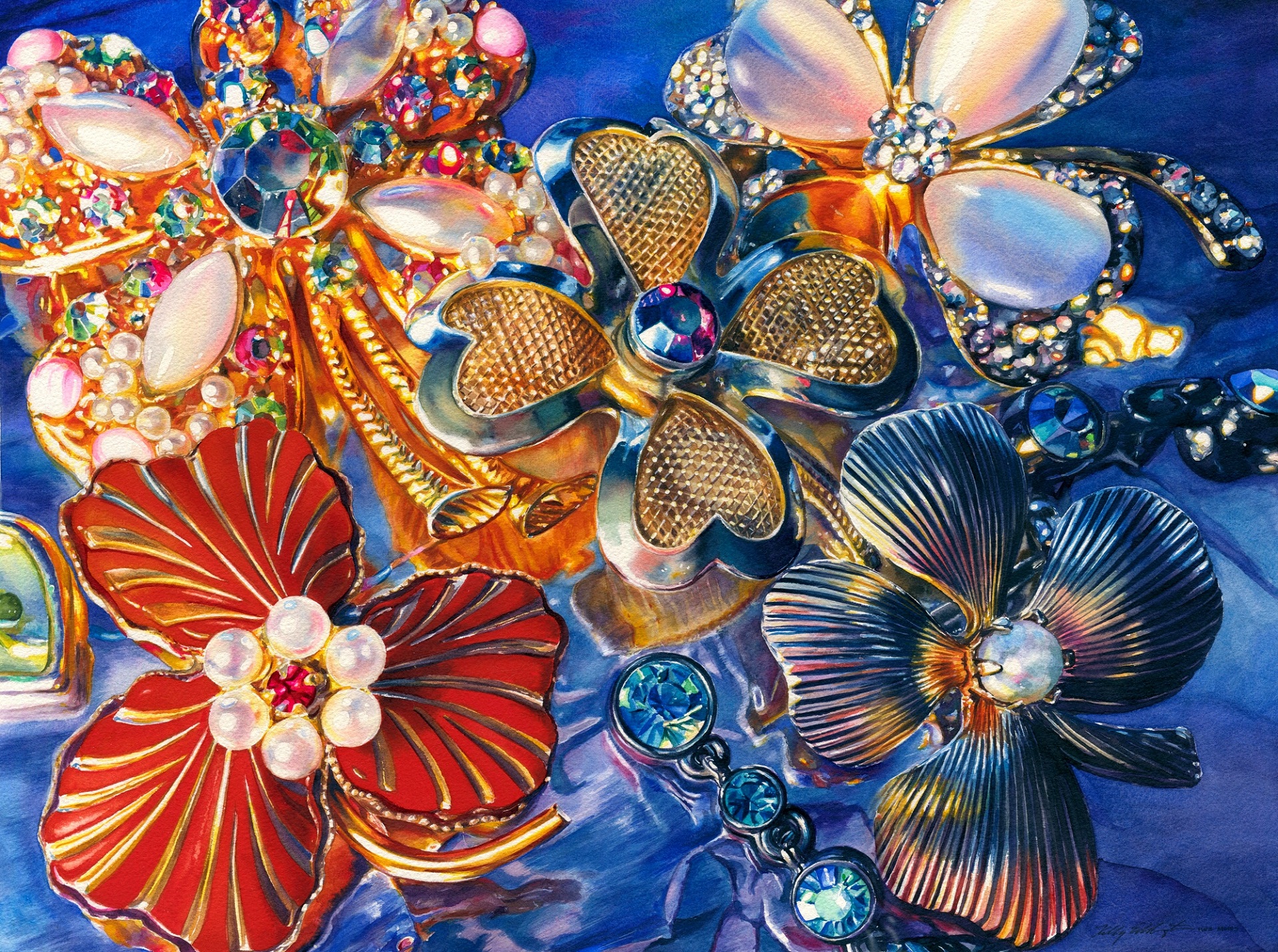
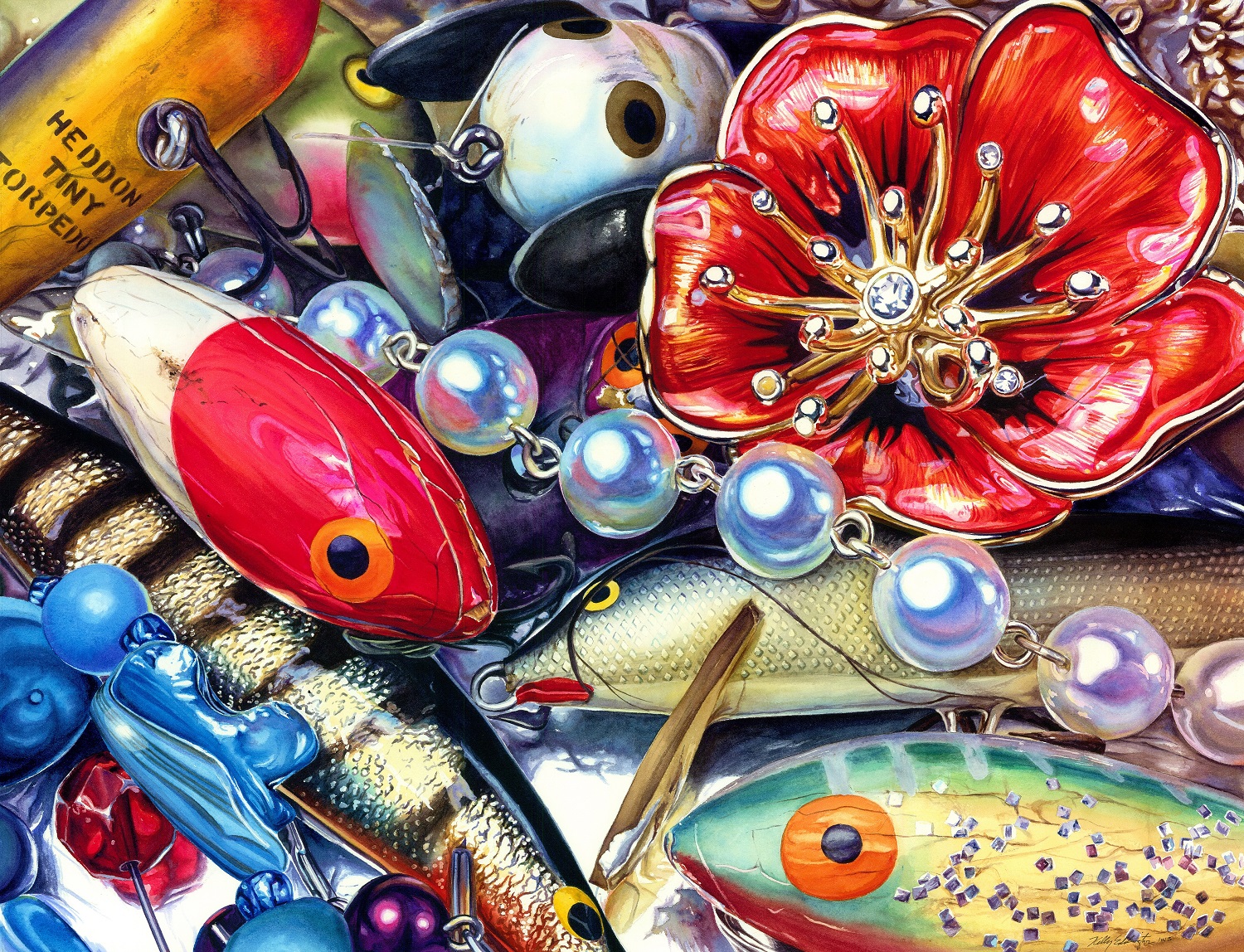
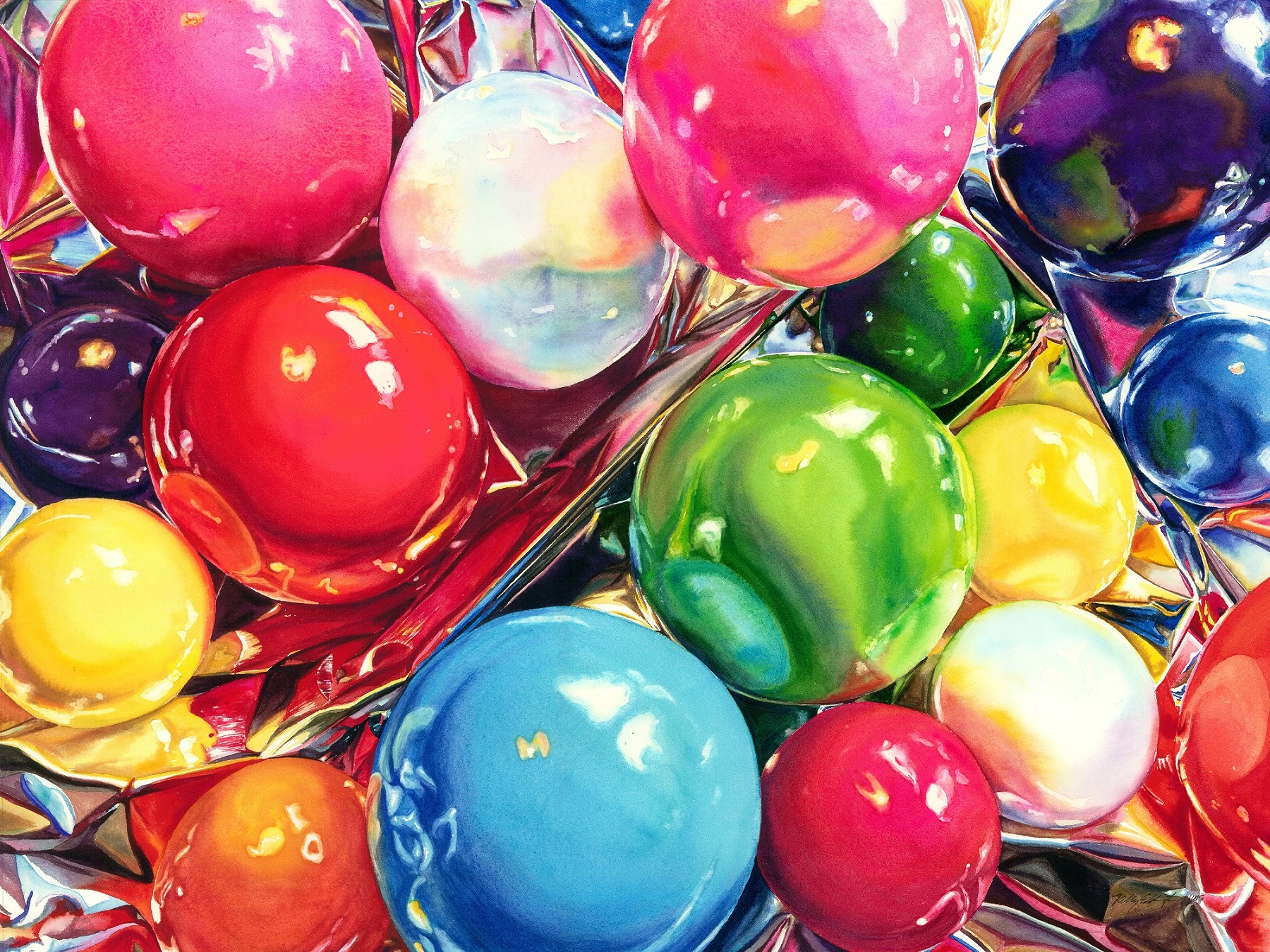
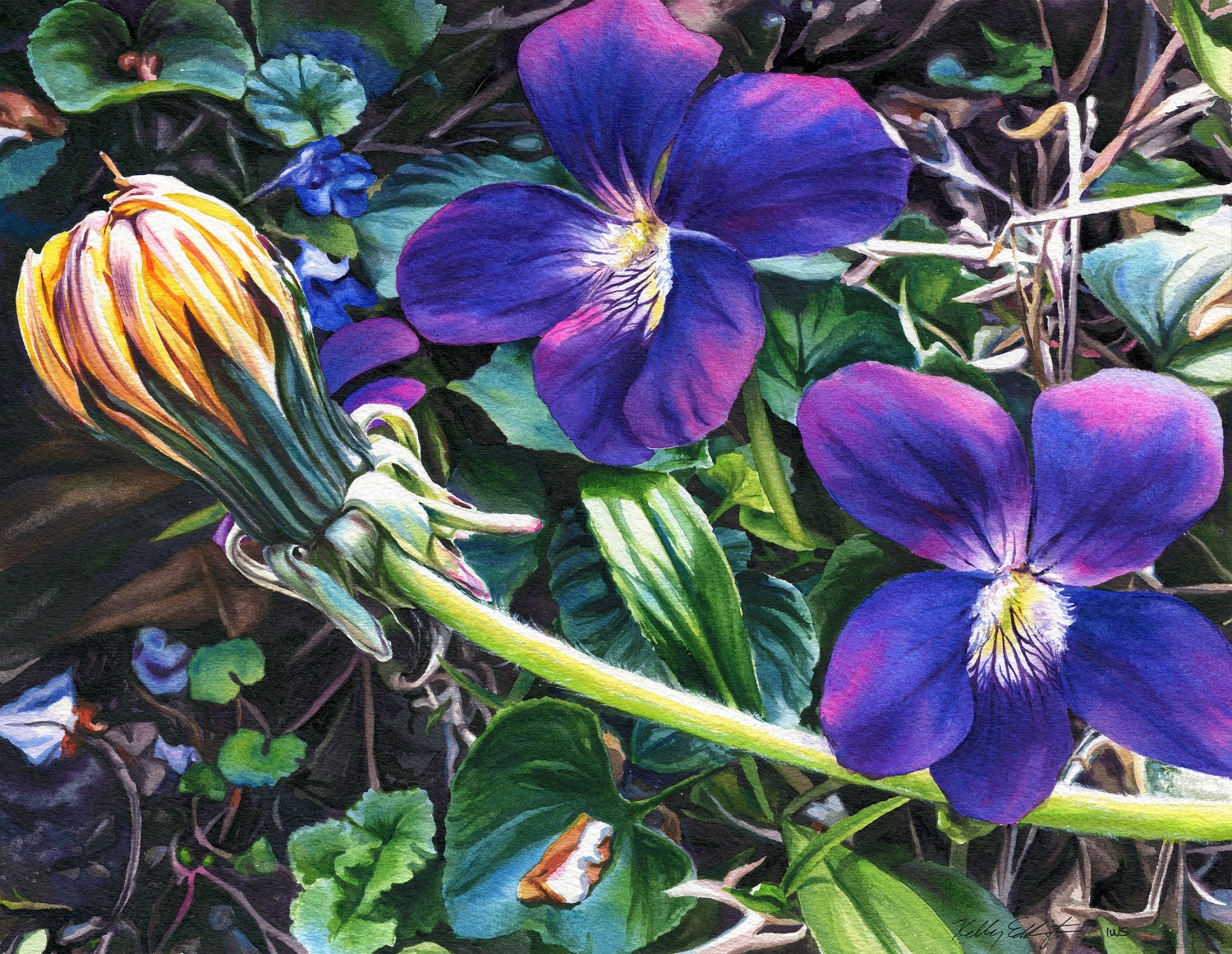
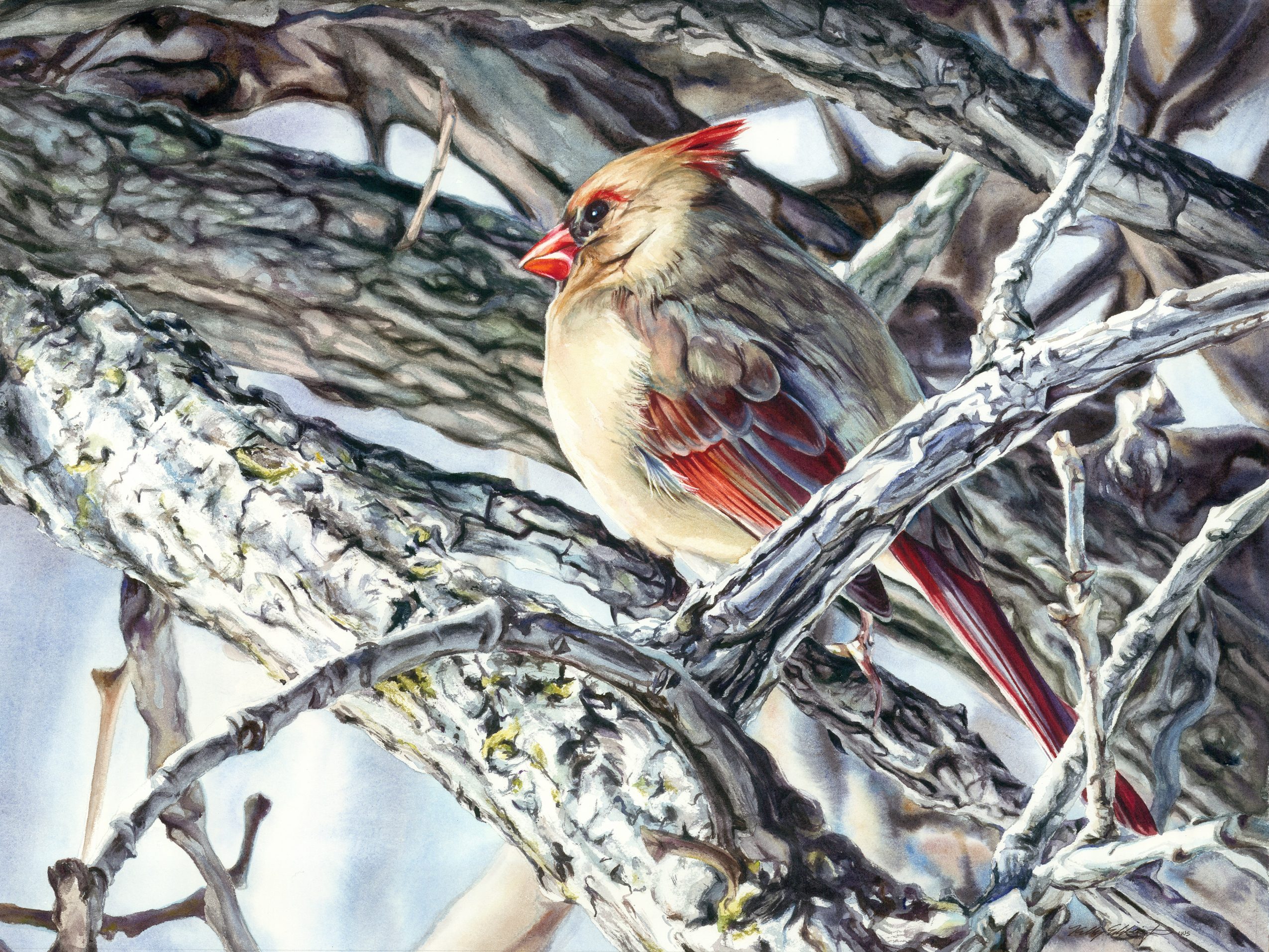
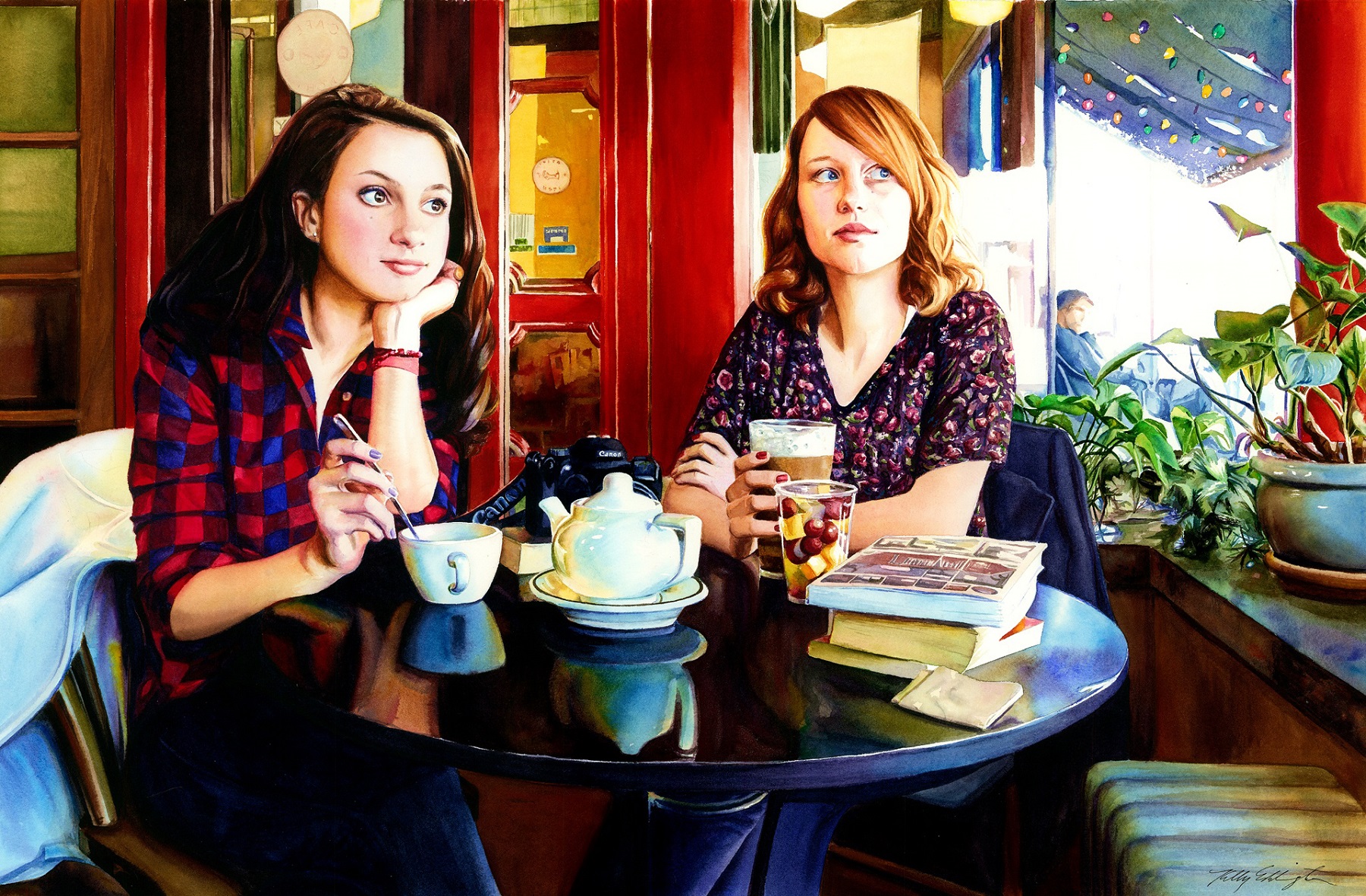
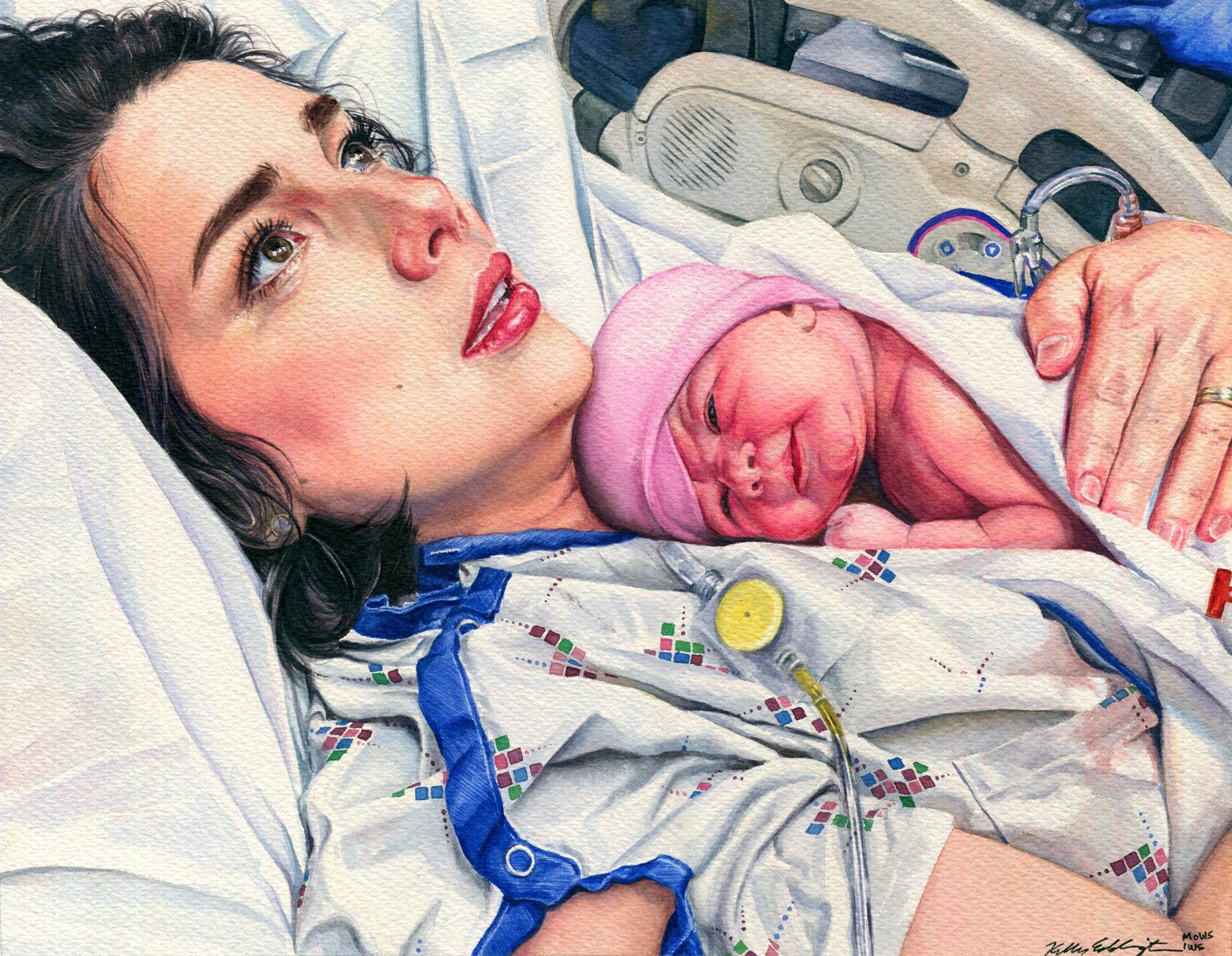
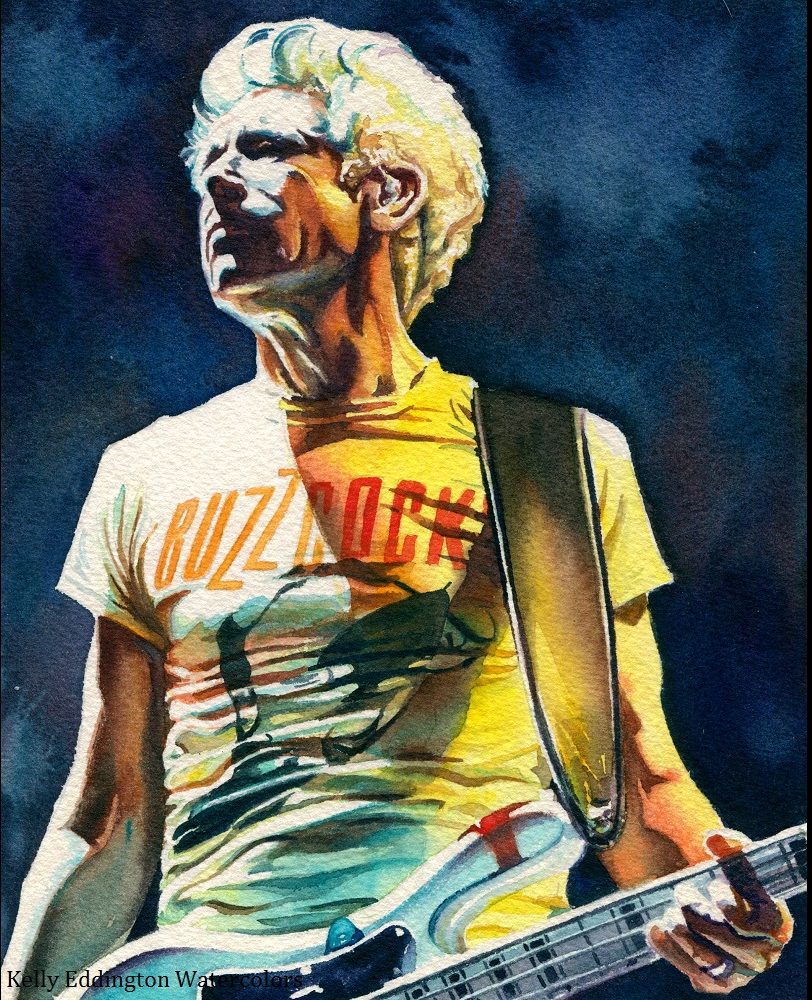
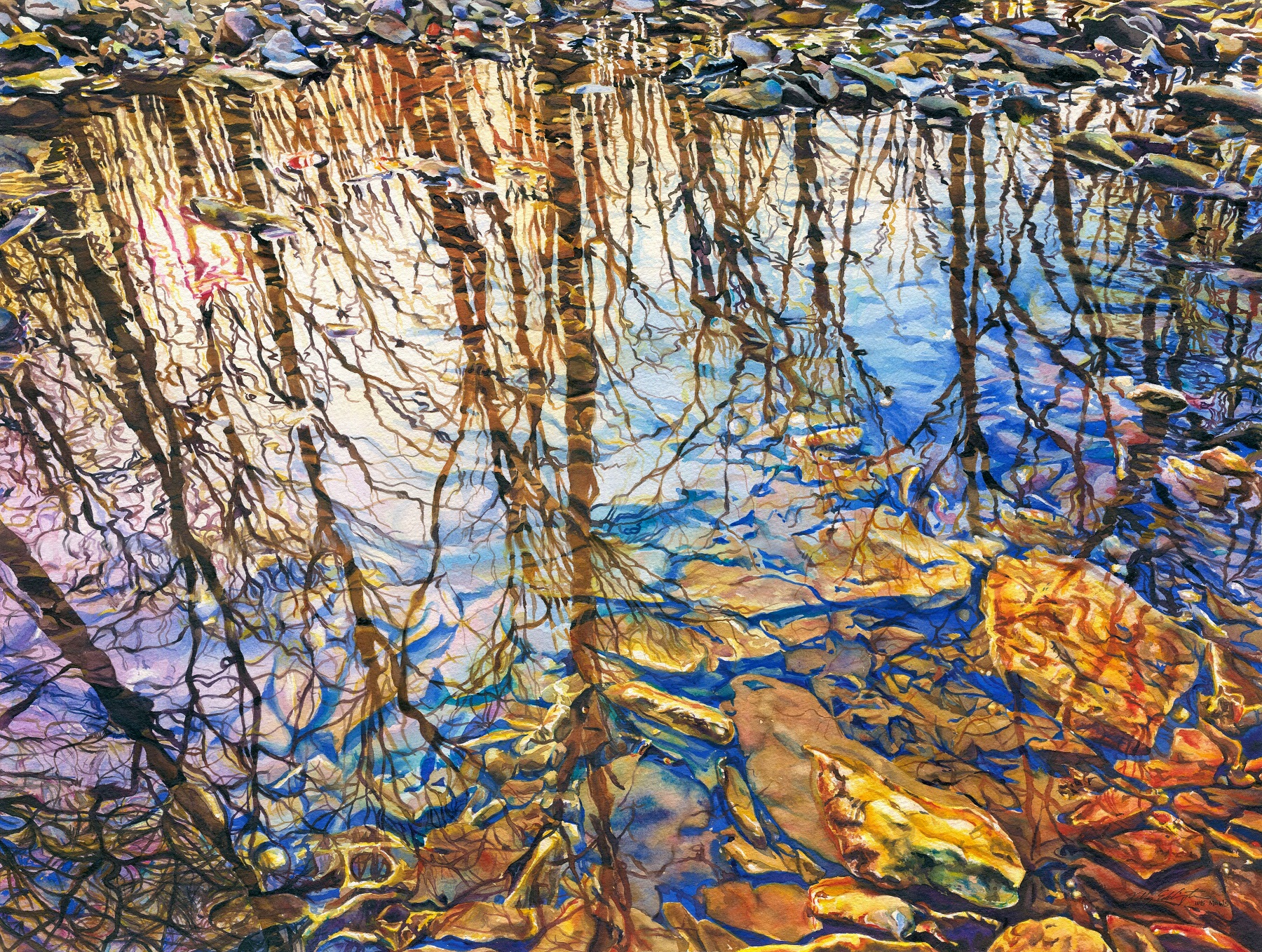 Image Credit:
All images are original watercolors by Kelly Eddington
Getting in touch: VoyageChicago is built on recommendations from the community; it’s how we uncover hidden gems, so if you know someone who deserves recognition please let us know here.


