


Today we’d like to introduce you to Brad Meese.
Brad, please kick things off for us by telling us about yourself and your journey so far.
I grew up in South Bend, Indiana with no art background at all. I was into sports like a lot of kids, but around middle school I got into skateboarding. That pushed me in a different direction. I became very interested in music, more so than the average kid. By 19 I was listening to everything – jazz, blues, classical, reggae and psychedelic music, to name a few. Bob Marley was a standout for sure. I dug his honesty and spiritual lyrics, still do. Although I didn’t know it at the time, music was my way into visual art. It wasn’t until age 22 while playing hackie sack on campus at Indiana University that I knew I wanted to be an artist. A student with a camera approached me and my friends and asked if she could photograph us. At that moment, it clicked. I knew that was it. I found out what class she was taking and signed up for it eight months in advance. After that I took two more photography classes and found I had an eye and passion for it. After graduating I delivered pizzas full time for a year and saved money to do a solo trip cross country to photograph national parks. I had no idea what I was setting in motion.
I went to the Badlands first, then headed south to The Great Sand Dunes National Monument in Colorado. From there I went into the Southwest, visiting parks like Monument Valley, Zion, Bryce, Death Valley, and many others before I started to run out of money. I had friends in Las Vegas with an extra room that were willing to take me in, so I ended up there first. After 10 months in the desert, I moved to Vancouver B.C., where I attended photography school at Focal Point Visual Arts Learning Centre. This was a yearlong program and when I finished, I moved down the coast to San Francisco. I quickly found work as a weekend supervisor at a group home, and during the week I worked at a photography studio doing various jobs. I got into black and white street photography and basically roamed around SF smoking herb and shooting. This was cool for a while but after a year I decided to move on. I dug San Francisco but wasn’t into the costly rates and the cool wind blowin’. I figured if I’m going to pay that much money to live somewhere, it better be warm.
Enter New Orleans. I had a friend there who gave me a pretty good run down about the place and I decided that’d be my next stop. It was cheap and interesting, and most importantly – warm! I didn’t give a thought about hurricanes until two years into living there when Hurricane Katrina knocked on our door. The weekend before Katrina, after watching the weather all day and seeing how the hurricane was still coming right at us, my roommate and I and some guy named “Magic Mike” boogied out of town in my little Honda – Atlanta bound. True to his name, Magic Mike later disappeared in Little Five Points.
For me the hurricane couldn’t have happened at a better time, I had reached the end of partying and was ready for a change. Getting away from “The Big Easy” was a healthy move, even though it was tough picking up and going with no warning. I could tell you all kinds of stories about post Katrina traveling through the south, back to New Orleans, staying in Memphis etc…, but we don’t have the time here. Just know it was a trip and then some. Cool thing was I had my first digital camera, and I was seeing a lot of things and growing as a photographer. Digital was allowing me to take photos I would have never taken before, simply because it is free. I spent the fall and half of the winter in Atlanta not really doing much, wondering where my life was going. At age 31 I was totally broke, no job, and not sure where to go other than back to Indiana, which was even more depressing as that was my only option.
So, at the beginning of February 2006, I loaded up my life in my Honda and headed north, hoping my car would make it. I had enough gas money to get there and none to spare. A torrential downpour in the Alabama mountains at night caused me to park at a gas station and sleep in the driver’s seat. Then a blizzard in Kentucky, and somehow my little Honda kept on truckin’. I made it back home and spent a few months there working and trying to save some money to keep the journey moving. Eventually my car broke down and I moved to Chicago. With first month’s rent paid, no job, and $100, I was somehow optimistic. The day I moved in, I got a call from Photography company I had applied to and talked my way into trying out. I had no experience but I knew I could do the job. After a couple months of shooting events for free, exactly one year after the hurricane, miraculously I was hired as a full-time photographer shooting conventions and that was the beginning of my professional career. That was 12 years ago. I’ve been a professional photographer ever since, freelancing for about 10 years, shooting weddings, conventions, events, music, portraits, interiors etc… All the while I’ve been shooting my own work. I have been showing my work here and there in Chicago, but over the last couple of years I have begun to exhibit my work more.
Can you give our readers some background on your art?
My early influences were Edward Weston, Henri Cartier-Bresson, Minor White, Joel Meyerowitz, and more recently Robert Shiverts, just to name a few. The book “A History of Street Photography” made a big impact on me as well and I drew a lot of ideas and inspiration for my street work there.
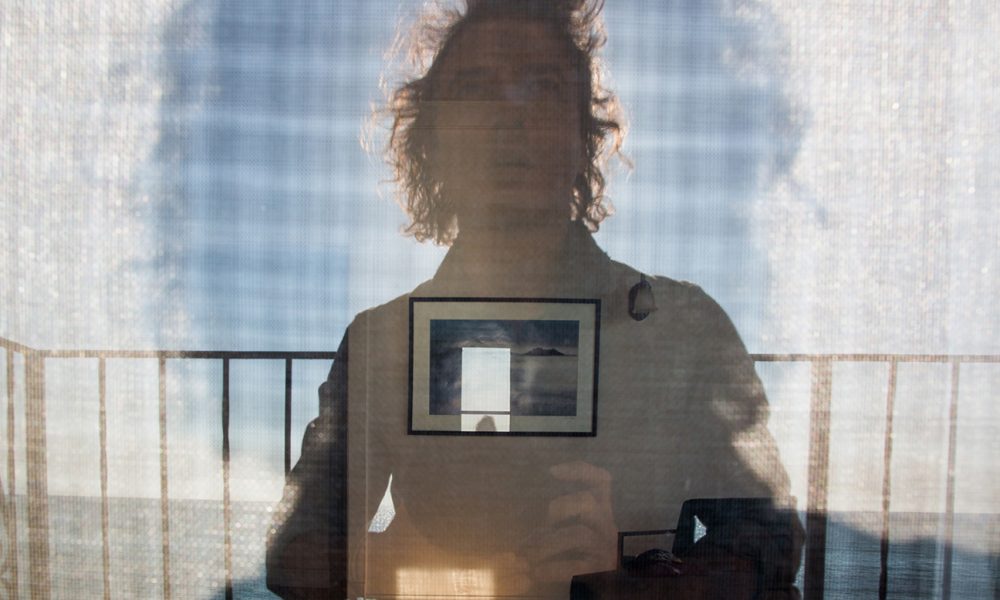
The collection of photographs entitled “Surrealist Impressions”, which is the work that is displayed in this article, is the result of years of shooting in nature and in cities, and shows how my eye has developed to combine the two. In combination with this, the photographs are also the effect of my meditation practice and reading of spiritual books.
In this series I am photographing what is there – but doing it in a way through vision that transcends the ordinary. I say “what is there’ for a couple of reasons. One, simply because I am photographing what is there, nothing more and nothing less. And two, because people usually assume that I have layered the photograph or used double exposures to achieve the effect. I am doing neither. The photographs you see are what I saw through the lens when I pushed the shutter button. There are no tricks in postproduction being employed. This work transcends the programmed state of consciousness and opens up that dimension in us that is connected to spirit.
Do you think conditions are generally improving for artists? What more can cities and communities do to improve conditions for artists?
Whether or not conditions are improving for artists I think depends on the artist themselves and their state of consciousness. Most importantly the artist needs to have a sincere desire to express their creativity, then the resources will manifest to follow it through.
What’s the best way for someone to check out your work and provide support?
You can see my work at Bradmeese.com., Instagram under Brad Meese Photography, and Brad Meese/Facebook. I will be exhibiting at the “One of a Kind Show” April 26-28 at the Merchandise Mart. You can help support me through the GoFundMe campaign I am currently running to help me pay for exhibiting at Surtex, a Surfaces and Design show in NYC in February. And of course you can purchase prints at bradmeese.com.
Contact Info:
- Website: https://www.bradmeese.com
- Phone: 773-354-2558
- Email: brad@bradmeese.com
- Instagram: https://www,instagram.com/bradmeesephotography
- Facebook: https://www.facebook.com/bradmeese
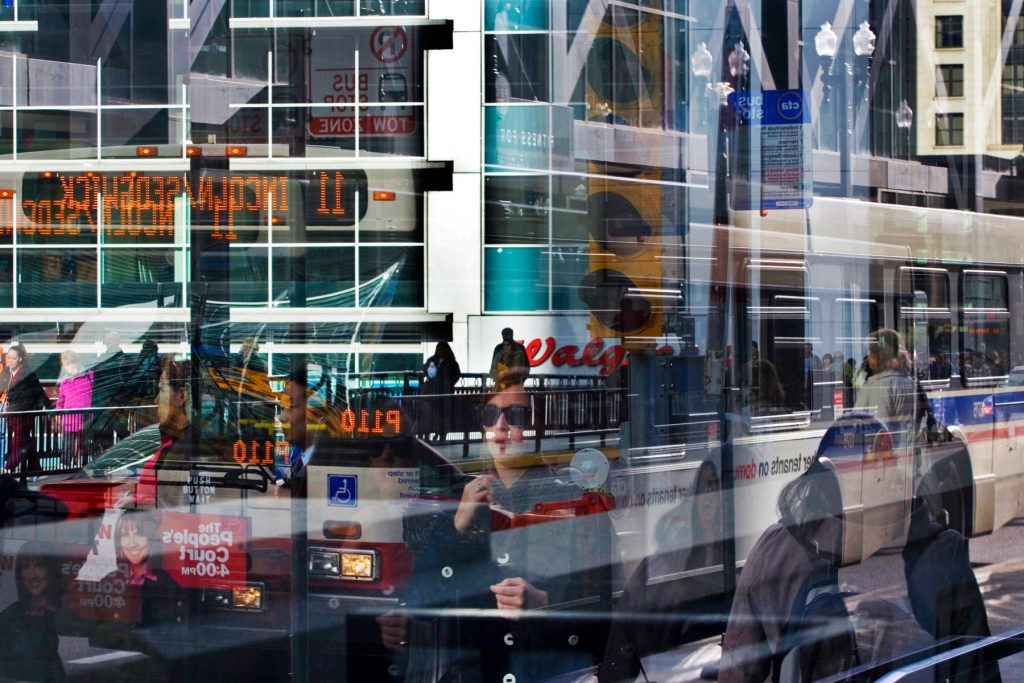
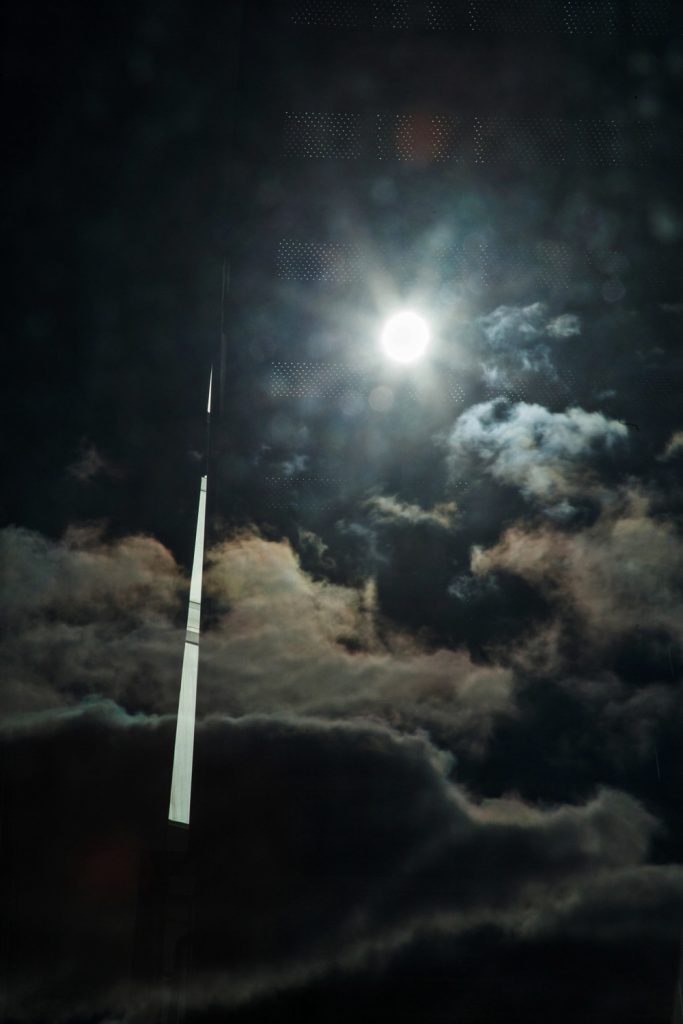
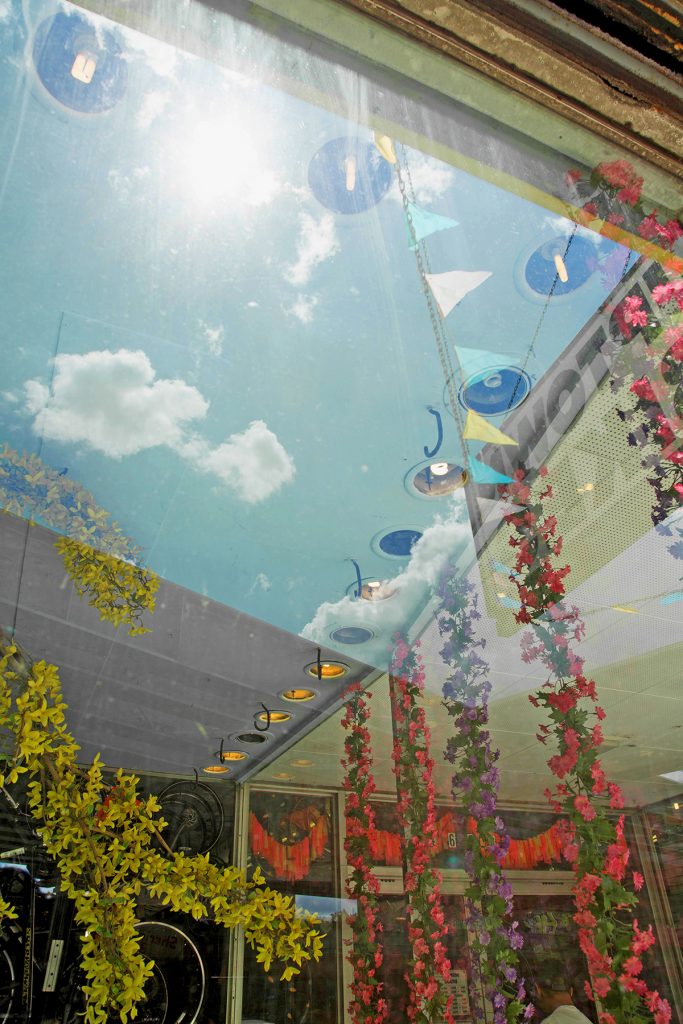
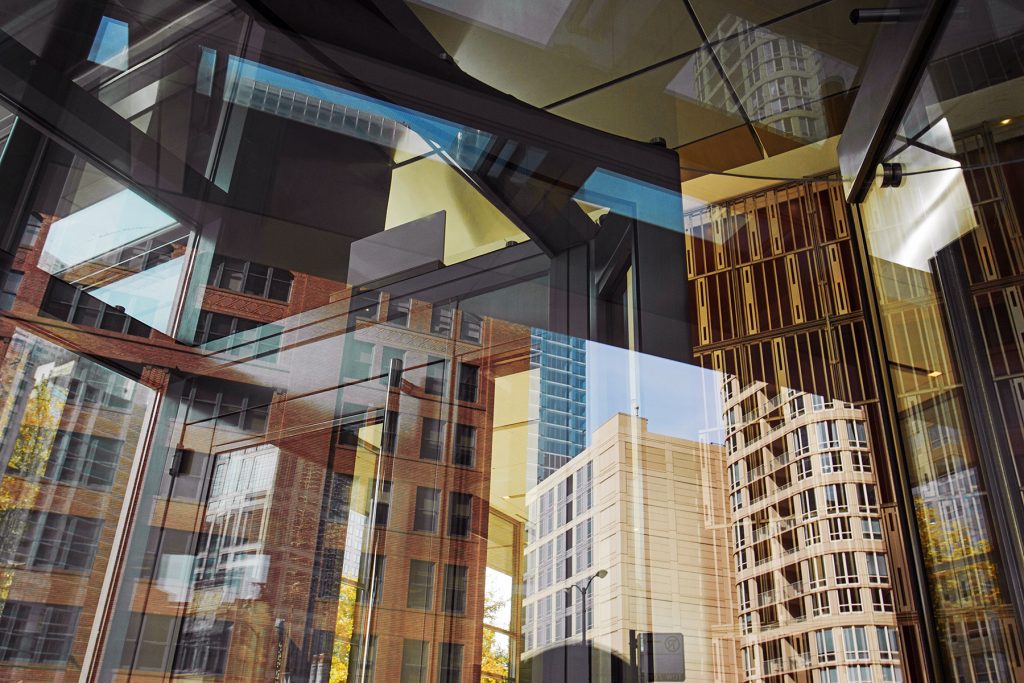
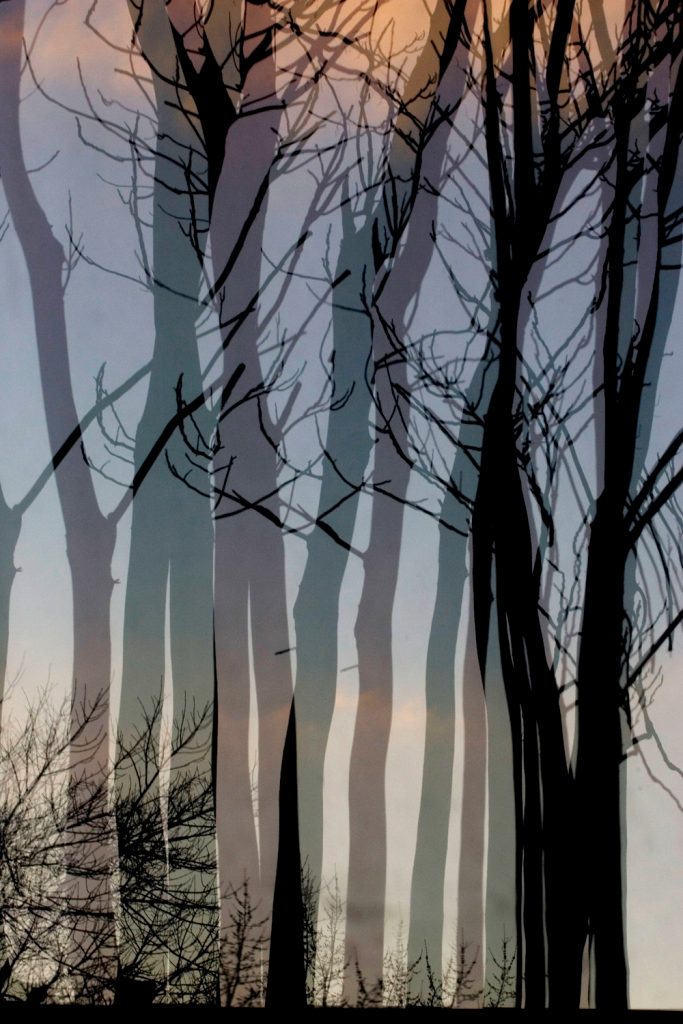
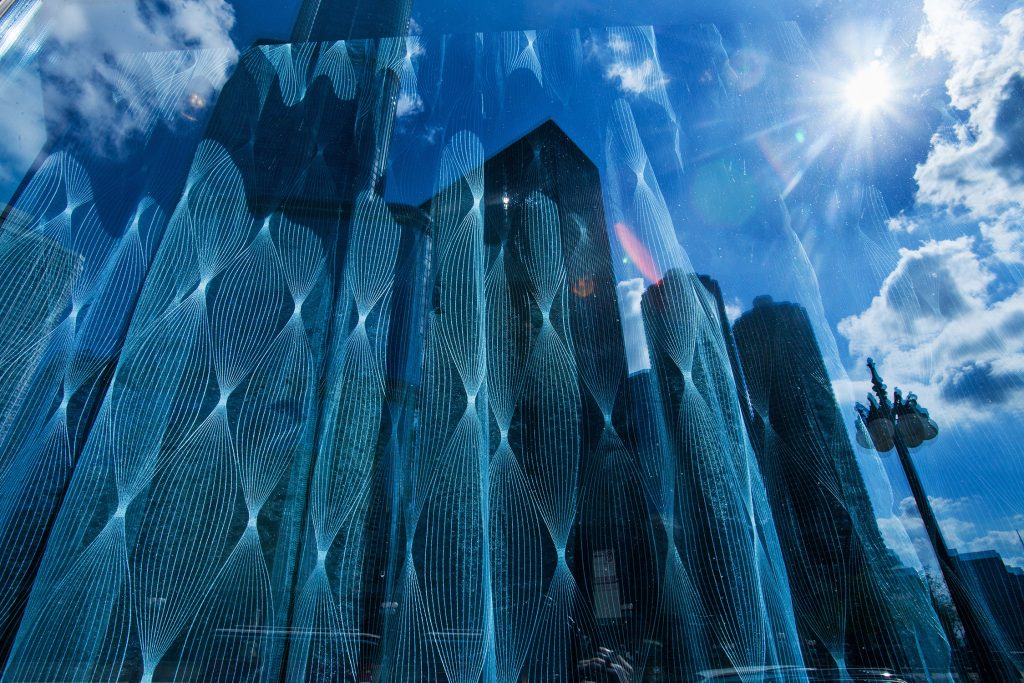
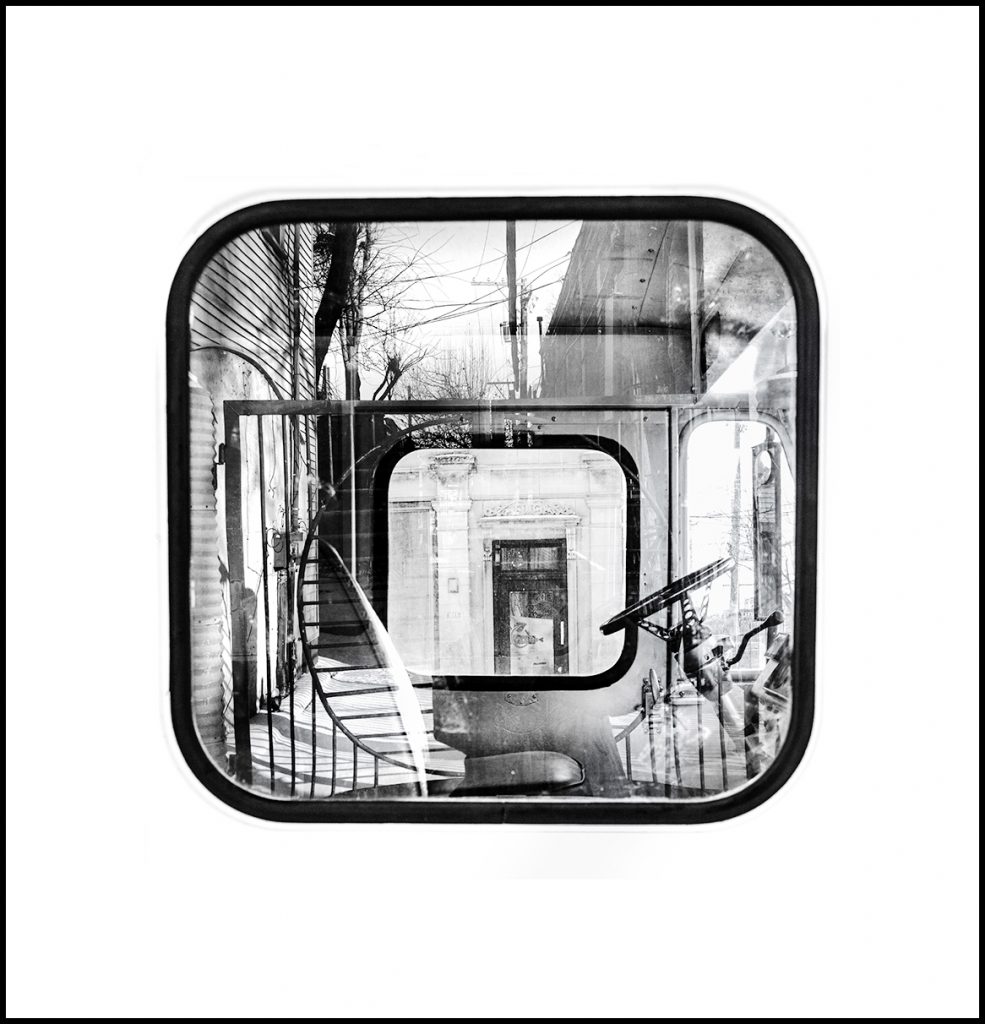
Image Credit:
Brad Meese
Getting in touch: VoyageChicago is built on recommendations from the community; it’s how we uncover hidden gems, so if you know someone who deserves recognition please let us know here.


