



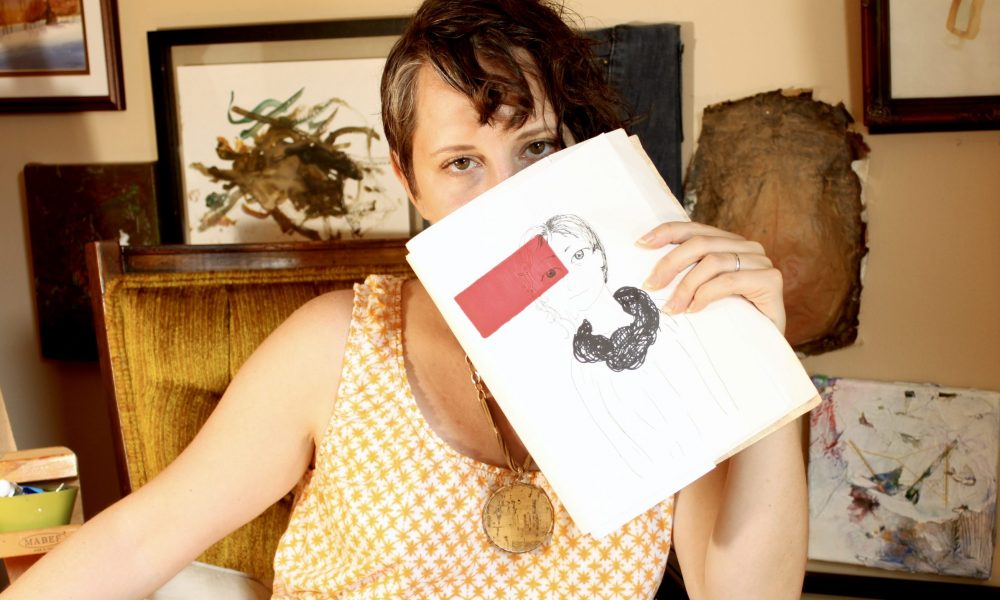
Today we’d like to introduce you to Becca DeGraw.
Becca, we’d love to hear your story and how you got to where you are today both personally and as an artist.
Yes! I started considering the label of being an artist when I was in middle school. At the time, my grandfather would encourage me to draw by sending me art of his own in exchange for work I did outside of school. I remember specifically a day I drew our family cat in the window and feeling pride in figuring out how to overlap the tail swinging across the window ledge. My grandfather still has the piece framed in his studio space.
From those earlier years, art has become an essential skill to use for processing my thoughts and giving myself space. I still struggled with separating the formal process of art with my personal process. There was a period after completing my undergrad that I had to build a habit of making art weekly, if not daily – art that was not for others, but for me. That period was a bit isolating for me and helped me to be more independent in making choices that satisfied me, as well as holding space that challenged me to stay engaged with materials.
Currently, I bounce between materials and spaces to make art. Anything is art and art can be anything. Over the past year my practice has included large murals, tiny encaustic pieces, water colored portraits, and destroying some of my older oil paintings to create new work. Because of this, my style is distinct and because of this, I don’t have a style I can fully describe.
We’d love to hear more about your art. What do you do you do and why and what do you hope others will take away from your work?
I make whatever I feel needs to be made in the moment. Sometimes I spray watercolor to practice being curious on how a process can simply happen without my direct influence. Sometimes I work very detailed to intentionally influence a piece. I think if I were to categorize how I make art, the categories would be process pieces – which are mostly mixed media – and formal pieces – which follow the structure of art I was taught in classes growing up.
My most recent works have included tearing a college t-shirt into yarn for its use to repair a canvas I slashed with an exacto knife and painting garage door murals in my alleyway. Both forms of work are about connection. The garage doors are art used as a vehicle to connect to my community using themes such as growth and protection. The canvas is art that connects my internal process of understanding relationships (interpersonal connection) and stages in life.
I make whatever I feel needs to be made in the moment. Sometimes I spray watercolor on coffee filters just to experience letting go of a need to create a detailed image and practice being curious on how a process can simply happen without my direct influence. Sometimes I work very detailed and intentionally influence a piece. I think if I were to categorize how I make art, the categories would be process pieces – which are mostly mixed media, and formal pieces – which follow the structure of art I was taught in classes growing up. My most recent works have included tearing a college t-shirt into yarn for its use to repair a canvas I slashed with an exacto knife and painting garage door murals in my alleyway. Both works are about connection. The garage doors are art used as a vehicle to connect to my community using themes such as growth and protection. The canvas is art that connects my internal process of understanding relationships (interpersonal connection) and stages in life.
I hope people take something away from my art, but there is not a specific thought I hope for them to take away. My art is a recording of my process and by placing art in public, I am removing my direct interaction with the art to invite others to bring their own experiences to interact with it. One thing to know about my work is that my art held and holds a space for me to be engaged with the world. It is an invitation for other to do the same.
Have things improved for artists? What should cities do to empower artists?
I think that making art public is easy now with social media. The easy access to displaying work requires consistently adding to our personal public stories and knowledge on how to grab a wider audience. I don’t think that it has become easier or harder, but, instead is different and more dependent on the artist individually. I think for younger artists, the habit of maintaining an online presence is more likely to be a learned routine, which makes it easier.
I think the best way to help artists thrive is to support art in everyday life. Art should be more that digitally present – it should be a psychical way of living. Art provides so many outlets and moments of connections for communities that to have space for art in the community can only strengthen the communities’ health! Small concerts, pop up galleries, artist parades, sidewalk chalk, or anything that involves creating art aids to deepen artist’s process.
Do you have any events or exhibitions coming up? Where would one go to see more of your work? How can people support you and your artwork?
The best way to see my work and keep up with my process is Instagram or my website.
Contact Info:
- Website: rebeccadegraw.com
- Email: rebecca@rebeccadegraw.com
- Instagram: @rebeccadegrawart
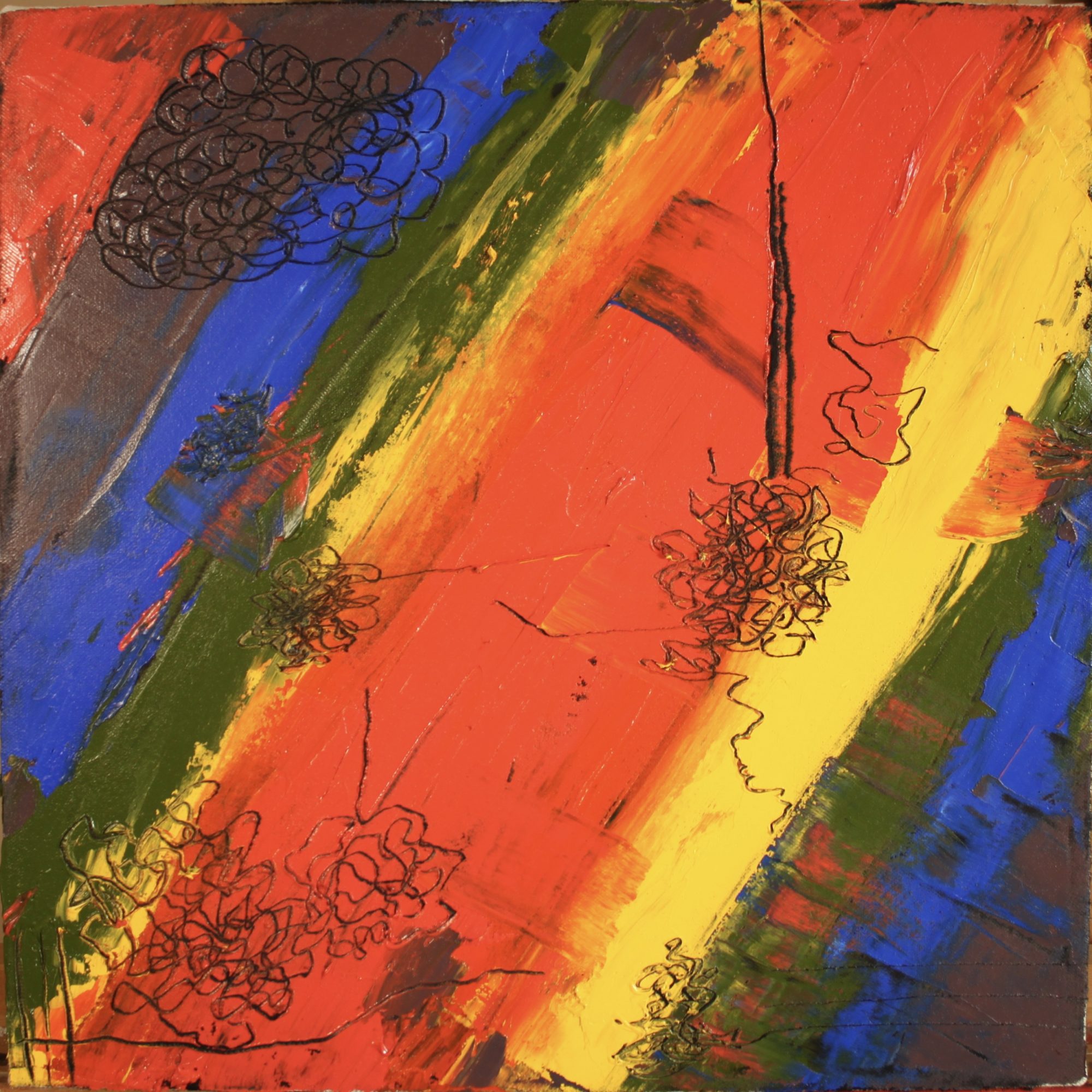
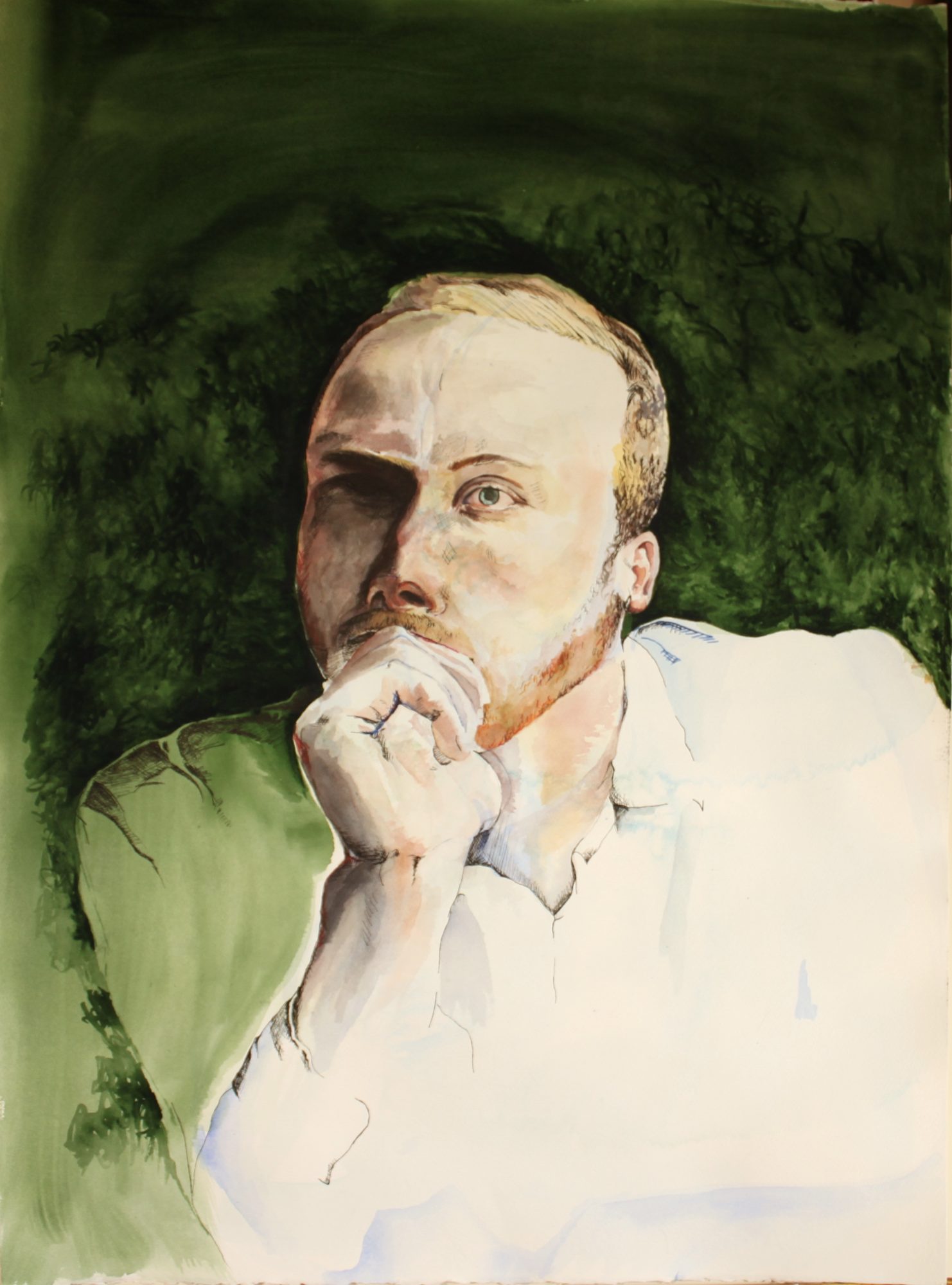
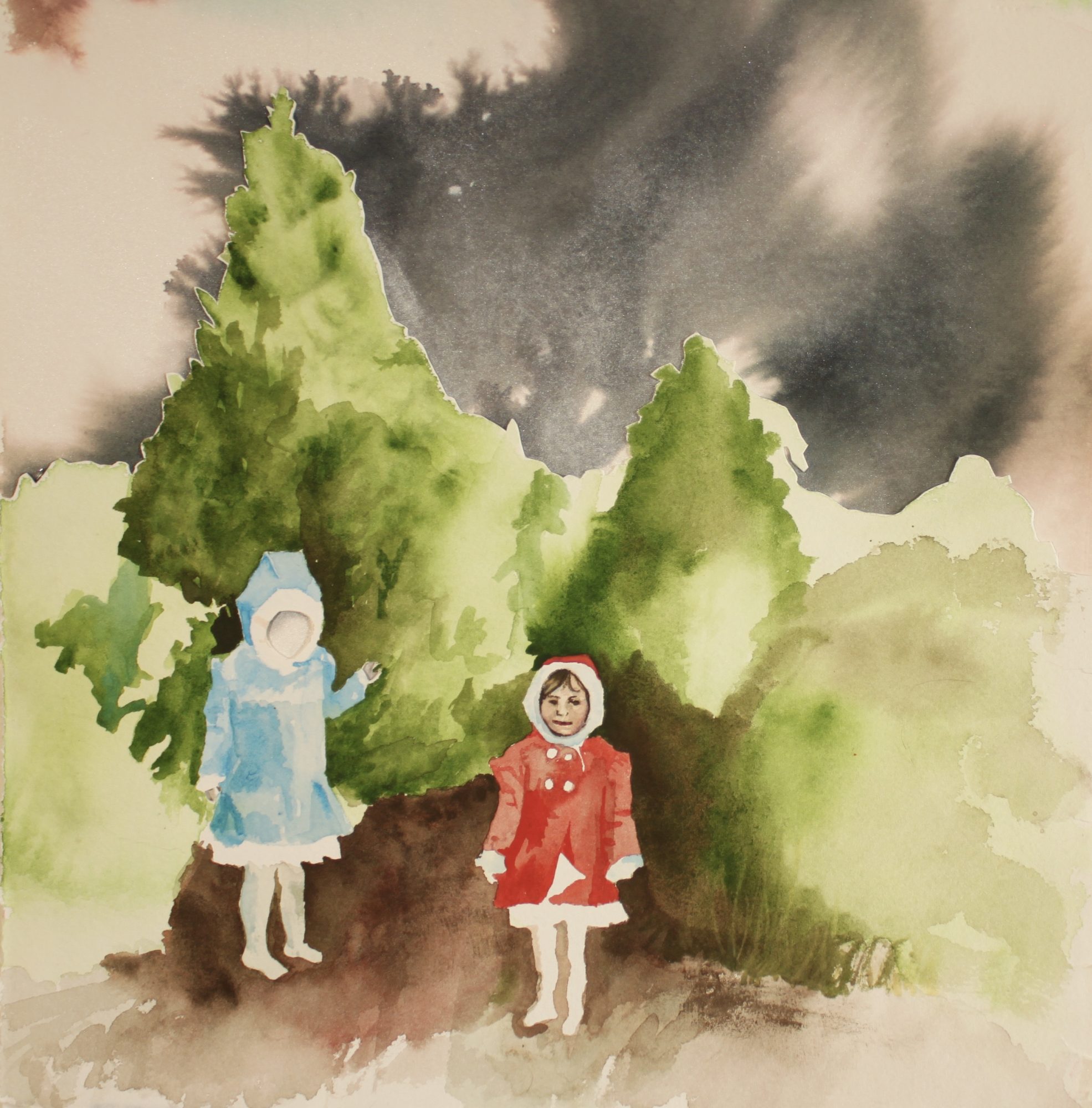
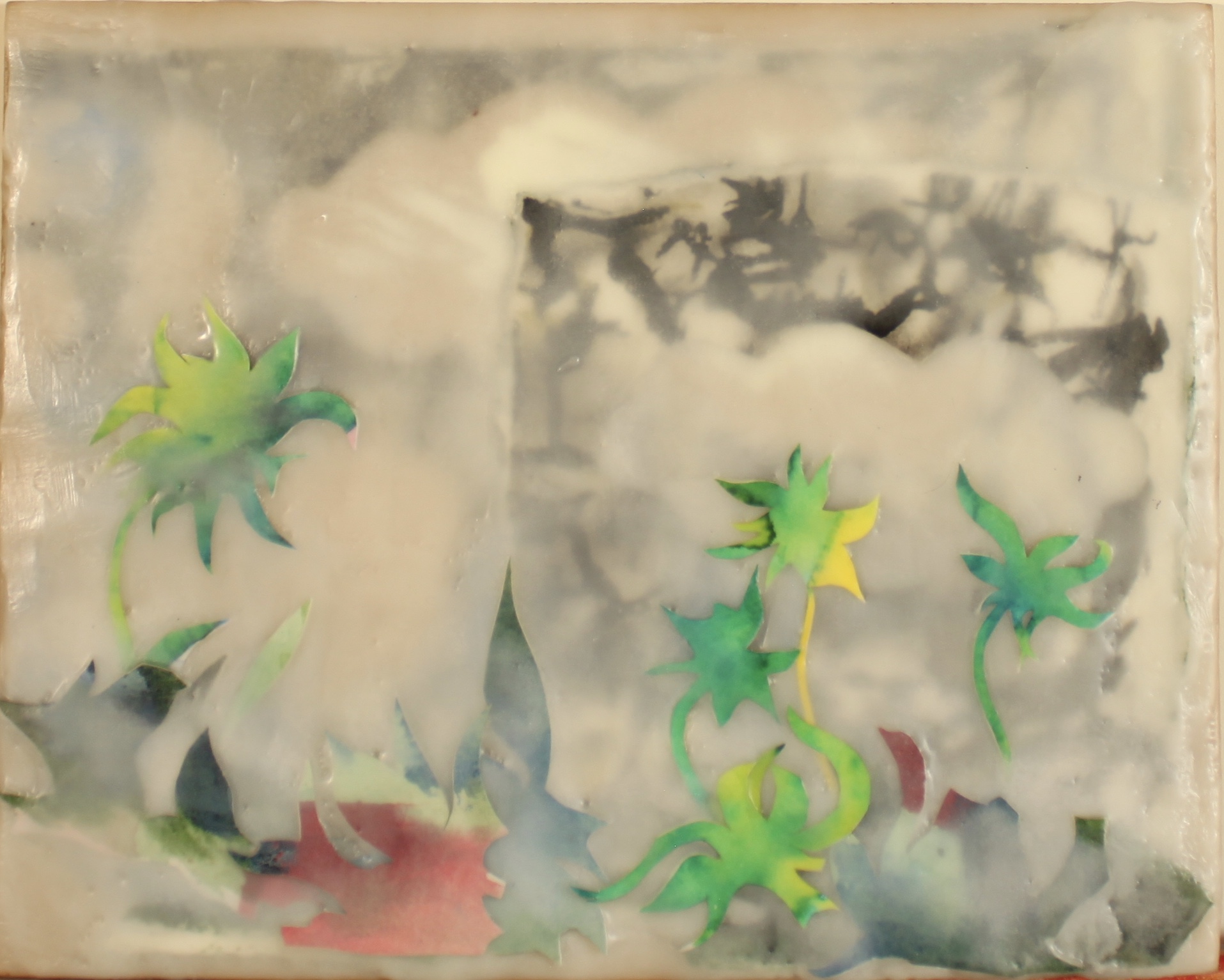
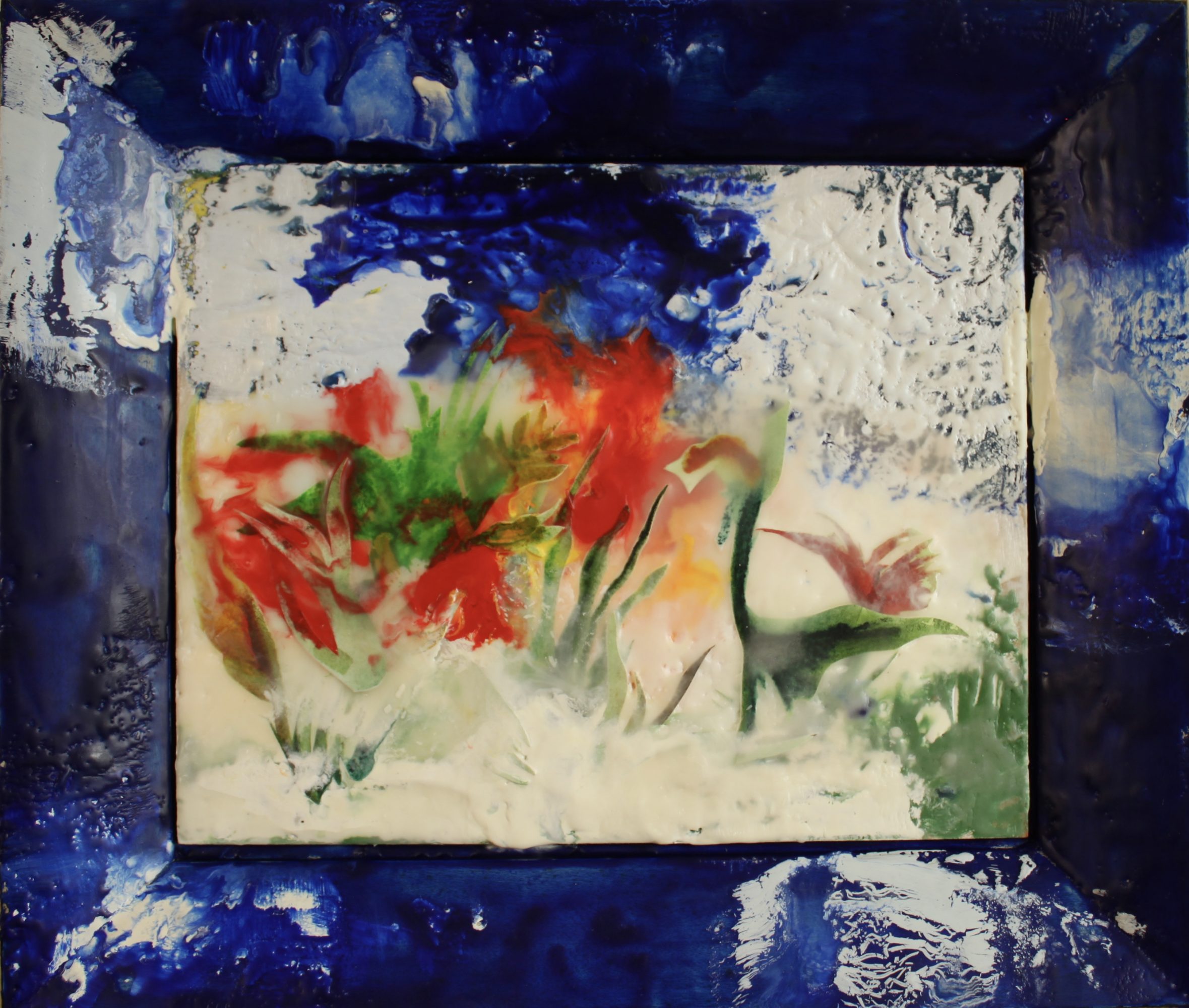
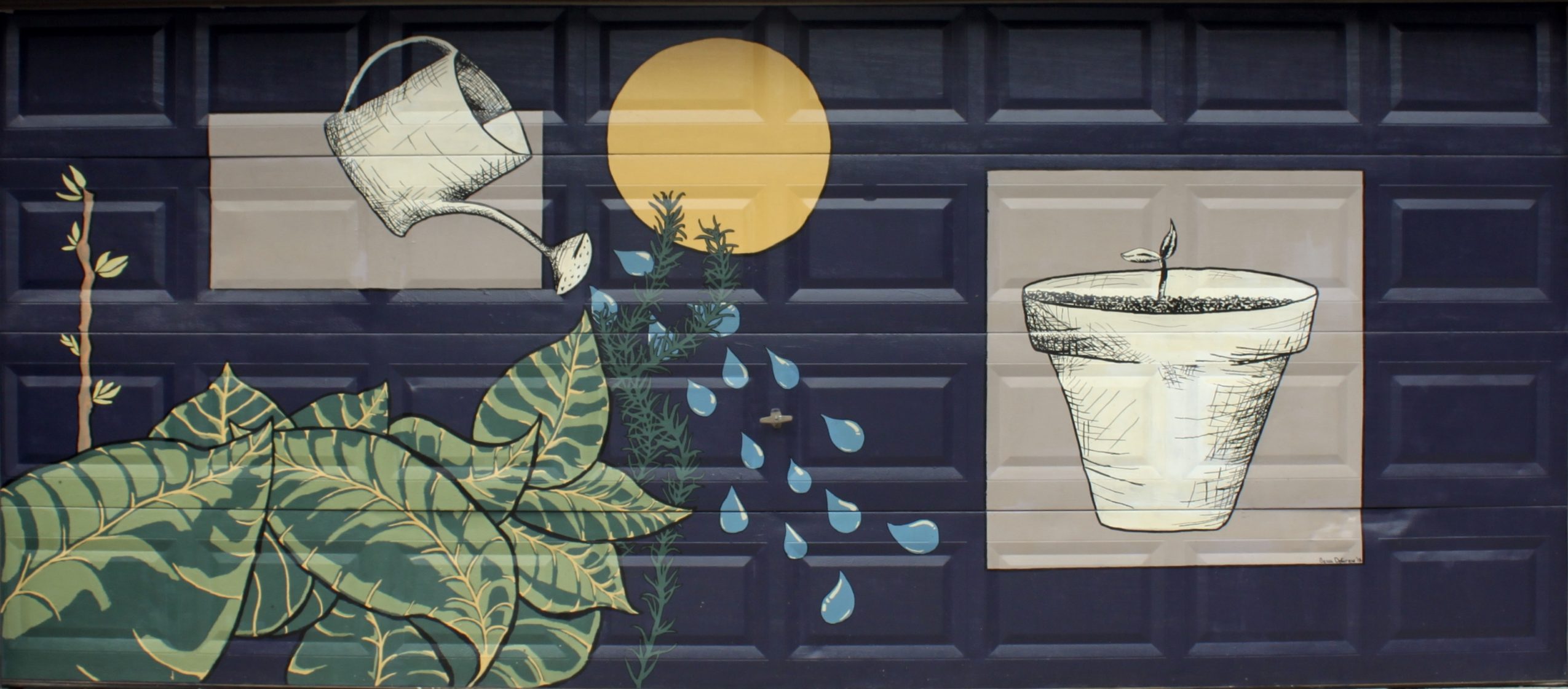
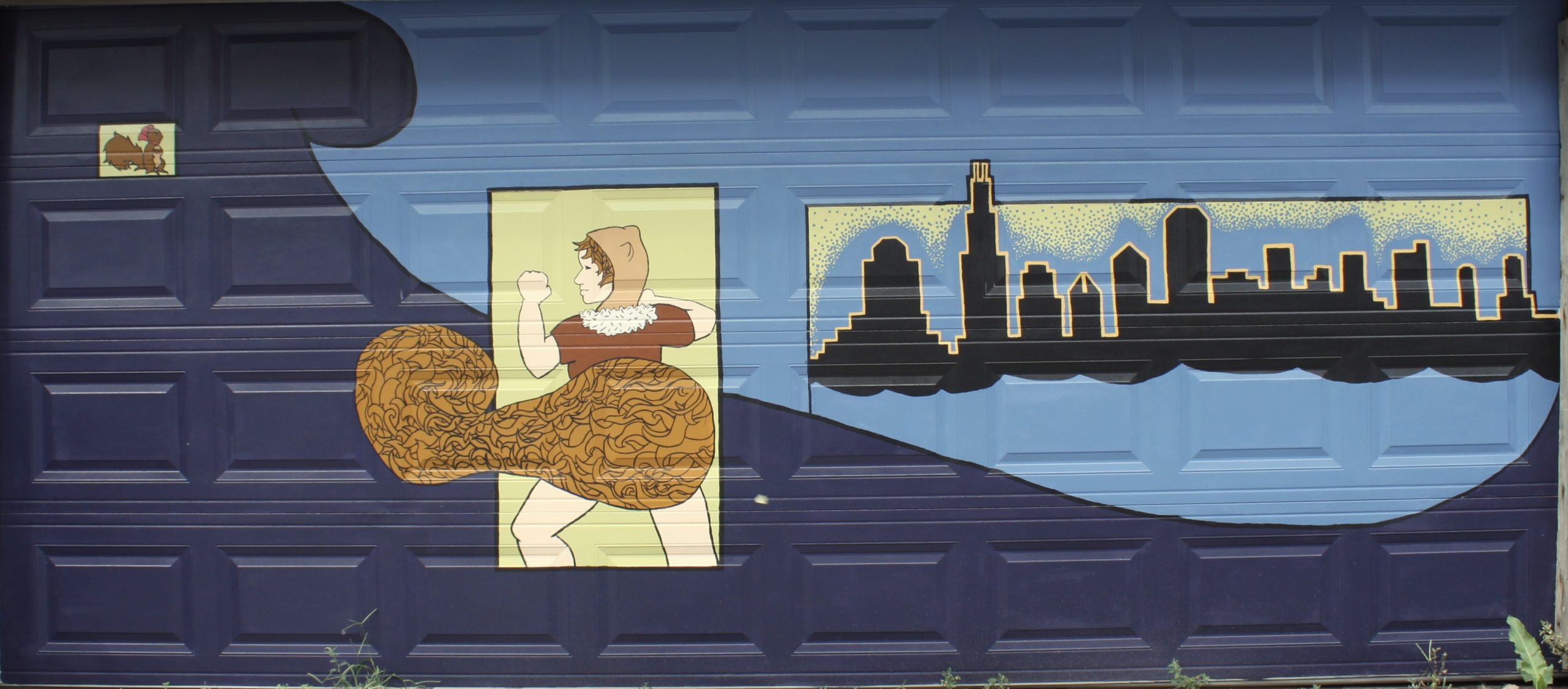
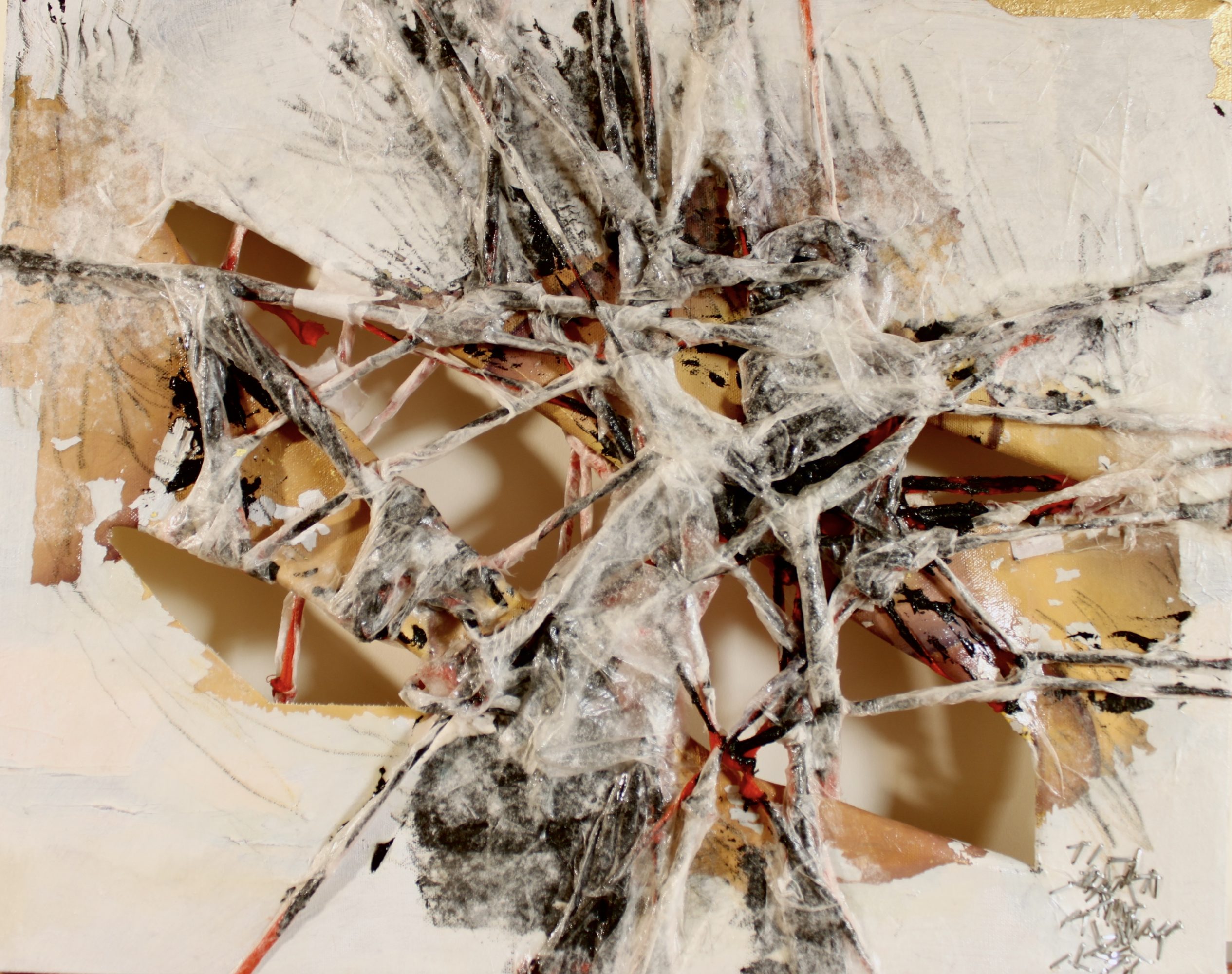 Image Credit:
Becca DeGraw
Getting in touch: VoyageChicago is built on recommendations from the community; it’s how we uncover hidden gems, so if you know someone who deserves recognition please let us know here.


